A Greek amphitheater with a photogenic lake and glowing five-star reviews turned out to be a modern construction in northern Italy. A hot spring ranked among the best in Tasmania never existed. A Christmas market at Buckingham Palace was a mirage made of pixels. Over the past year, stories like these have piled up fast enough that travel writers are asking whether something has fundamentally shifted.
The honest answer is mixed. Some of these fakes are old tricks in new packaging, while others are a genuinely new product of AI and social media. This article walks through the best documented cases and the forces behind them. It also covers how to avoid becoming the next visitor standing at an empty gate.
The Greek Amphitheater That Never Was
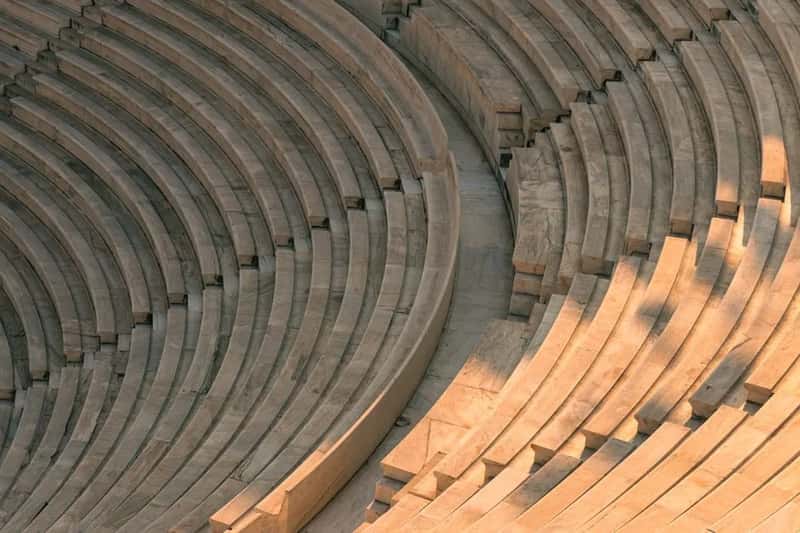
The case that set off the latest wave of coverage comes from near Vicenza, in northern Italy. Franco Malosso created what looked like an ancient Greek amphitheater, covering around 54,000 square feet and featuring columns and other structures designed to look archaeological.[1] CNN described a site with a handful of glowing five-star TripAdvisor reviews, sculpted columns and a photogenic lake[2]. The only thing missing was the truth.
The story ended badly for its creator. At the end of July 2026, Italian authorities jailed him for passing off the amphitheatre as the oldest in the world and charging tourists up to €40 to visit.[3] It’s a useful reminder that the deception wasn’t the building itself. Plenty of replicas exist honestly. The fraud was in the claim of age and authenticity, and in the ticket price attached to it.
When AI Invents a Destination
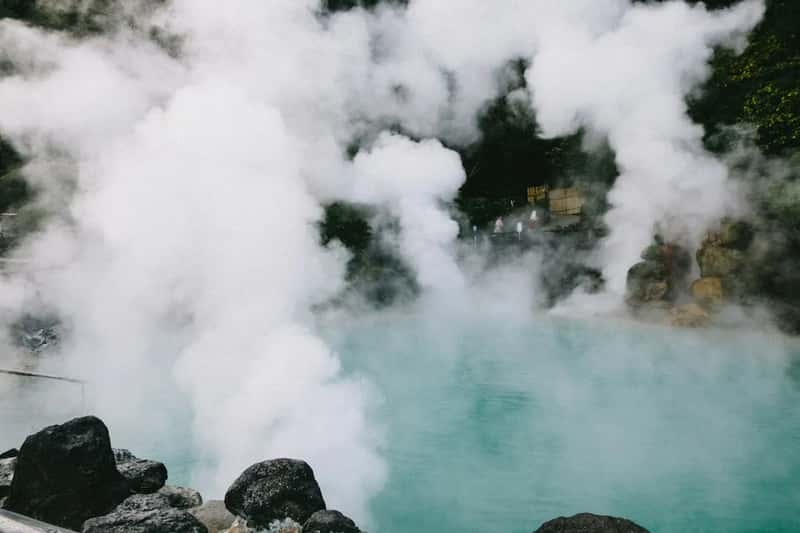
The Tasmanian hot springs story shows a different kind of fakery, one that nobody planned. A tourism website called Tasmania Tours used artificial intelligence to generate text and images, and mistakenly created a nature site that doesn’t exist, the “Weldborough Hot Springs.”[4] The post even ranked it in a list of the “7 Best Hot Springs Tasmania Experiences for 2026.”[5]
Real people paid the price. A local pub owner told reporters that she was getting about five phone calls a day, and at least two or three people arriving at her hotel looking for the springs.[6] The company’s owner admitted “our AI has messed up completely”[7] and said the marketing work had been outsourced. He normally reviews each post, but this one was published while he was out of the country.[7] No one intended a scam, yet visitors ended up in the same place as if they’d been scammed.
Phantom Events and Imaginary Markets

Fake places are one thing. Fake events are another. According to a Travelextra analysis, viral AI imagery promoted a festive market at Buckingham Palace that did not exist, and crowds arrived to find locked gates and security barriers.[8] The same report says people lined O’Connell Street in Dublin for a non-existent Halloween parade.[8]
These examples come from a single analysis, so it’s worth treating the details with some care. Still, the pattern fits the better documented cases. Polished, convincing images spread faster than anyone can check them, and the people who show up are the ones who believed what they saw. The cost lands on locals, who have to explain that the thing in the picture isn’t there.
Why the Fakes Are Multiplying Now
Two forces are working together. The first is the hunger for photogenic spots, and Travelextra links the surge to AI-rendered events and fabricated historical sites that lure visitors looking for viral social media backdrops.[8] If an attraction looks great on a phone screen, many people won’t ask whether it’s real before they book a trip.
The second force is the pressure on travel businesses to publish constantly. The Tasmania Tours owner explained that smaller firms are trying to compete with the big players, and that means keeping content new all the time.[7] Euronews adds that everyone from Google to Expedia has extolled the power of AI for trip planning.[9] When cheap automated content meets an audience chasing the next hidden gem, mistakes get published at scale.
Not Every Fake Is a Fraud
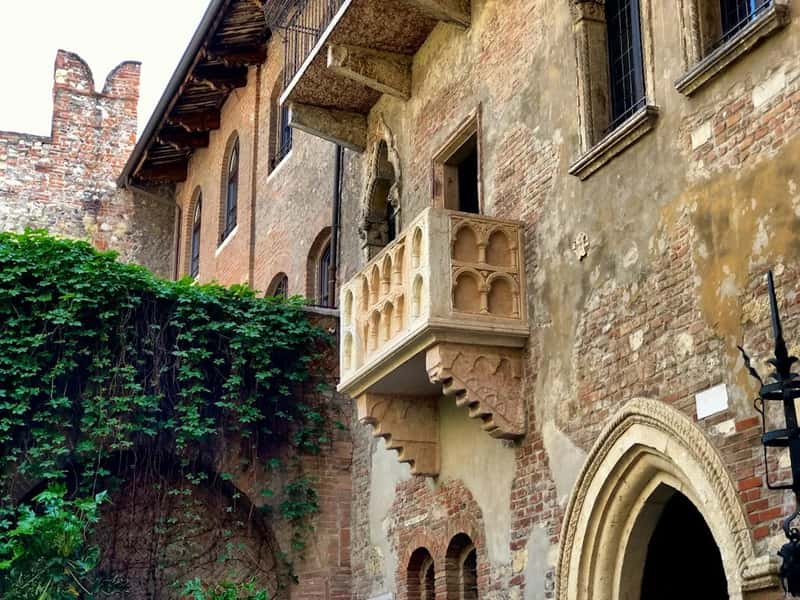
It would be unfair to lump every manufactured attraction together. Verona’s Juliet’s House is based on a character who never existed, yet its Shakespeare-inspired balcony has become one of the city’s most recognizable tourist sites.[1] As one report puts it, some attractions are presented as authentic when they aren’t, while others openly use fiction, storytelling or popular culture.[1] Visitors at Juliet’s balcony know the deal.
History offers plenty of honest copies, too. Nashville has a full-scale Parthenon, built in the late 19th century as a temporary structure for the Tennessee Centennial Exposition in 1897.[10] Its popularity ensured it stayed.[10] Even the famous Palace of Knossos in Crete is described by one writer as just an interpretation of the original[3]. The line between reconstruction and fabrication matters, and honesty about which one you’re selling is what separates a charming copy from a con.
Whole Villages Built as Copies
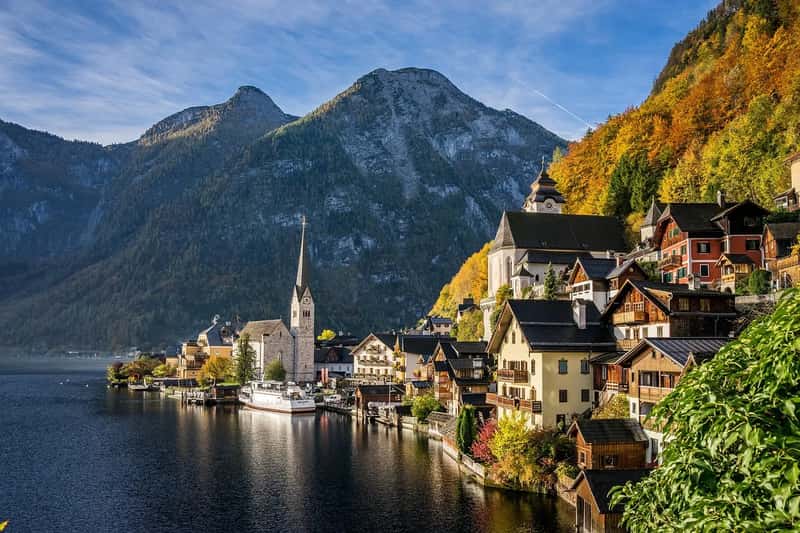
Replication can also happen at the scale of an entire town. In 2012, China Minmetals Corp reportedly spent $940 million on a replica of Austria’s Hallstatt, hoping to attract tourists and property investors.[11] The project included an exact replica of the church clock tower and European-style wooden houses.[11] China has other examples, including a copy of Jackson Hole, Wyoming, and a replica of Venice in Dalian.[12]
The original Hallstatt has had its own struggles. The SCMP reported that residents were tired of dealing with up to 10,000 visitors a day and blocked the road to the village in late August[13] of that year. Meanwhile, a replica doesn’t automatically relieve the pressure on the real place. Hallstatt’s tourism director has said the village made peace with its Chinese replica[11], though some residents were unconvinced, so reactions to being copied have been mixed.
How to Check Before You Go
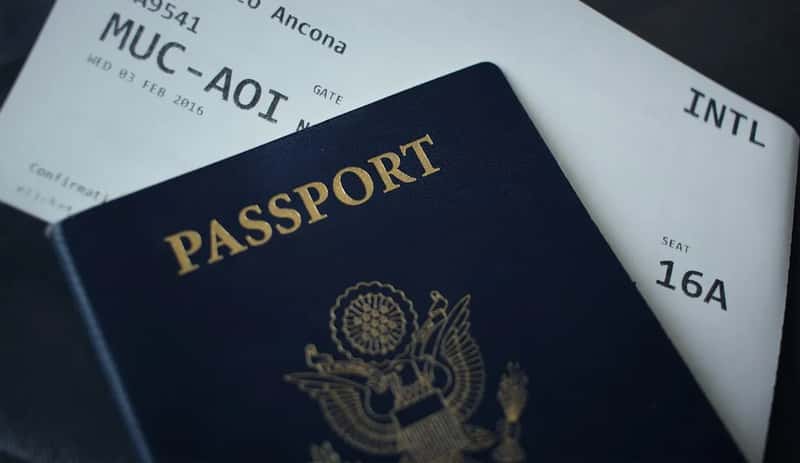
You don’t need special tools to avoid most of these traps. Travelextra recommends that reverse image searches and recent reviews help verify attractions.[8] A place with a glossy picture but no recent visitor photos or no independent mention is worth a second look. Keep in mind that reviews can be manipulated too, since the Italian amphitheater had its own glowing ratings.
Official sources help. One report on AI tourism scams advises that travellers should verify unfamiliar places through government tourism portals, inspect addresses and payment details, and report suspicious content.[14] The same report cautions that official evidence confirms risks from deceptive listings and fabricated reviews, although it doesn’t validate every viral attraction story.[14] That’s a fair standard for all of us, treating each dramatic claim as unproven until a reliable source backs it up.
Conclusion
Fake attractions aren’t new, and many of them are harmless fun. What’s changed is how easily convincing falsehoods can be produced and how quickly they travel. A deliberate fraud in Italy and an accidental AI error in Tasmania are different problems, but both exploit the same trust travelers place in a nice photo and a confident description.
The best defense is a small habit of checking before you commit to a long drive or a ticket. Look for recent, independent evidence that a place exists. A few minutes of doubt can save a wasted day, and it keeps real destinations from becoming backdrops for someone else’s fiction.