You’ve seen them serve hundreds of cups during a single flight. They move through the cabin with practiced efficiency, pouring coffee and tea with a smile. Yet here’s something strange. Those same flight attendants rarely drink what they’re serving you.
It’s not a preference thing. It’s not about the taste. There’s something deeper going on, and once you know the truth, you might think twice before ordering that steaming cup at cruising altitude.
The Water Tank Reality Nobody Talks About
Environmental Protection Agency studies have revealed troubling findings about airplane water quality, including the presence of coliform bacteria in some water samples. These aren’t isolated incidents we’re talking about. 12.6 percent of domestic and international passenger aircraft tested in the U.S. carried water that did not meet EPA standards. That’s roughly one in every eight planes flying through American airspace.
Former flight attendant Kat Kamalani stated that water tanks on aircraft “are never cleaned and they are disgusting.” The situation gets more unsettling when you realize where these tanks sit. The water tanks are located right next to the toilets.
Temperature Matters More Than You Think

Here’s where science enters the picture. Aircraft systems rarely allow water to reach optimal brewing temperature, which not only produces subpar coffee but also fails to kill potential bacteria effectively. We’re not just dealing with questionable taste here.
While the water is technically heated to near-boiling temperatures to brew coffee and tea, that’s not always enough to guarantee safety, especially when altitude changes the boiling point. Even boiling becomes less effective when you’re miles above the ground. The physics working against passenger safety is almost poetic in its irony.
The Coffee Pot Disposal Problem
Think dirty water tanks are bad? Flight attendants can’t pour coffee into the plane’s drains and are instructed to instead dispose of it in the toilet. Let that sink in for a moment. The same pot that will brew your next cup gets held close to the toilet bowl during disposal.
A flight attendant explained that when dumping coffee in the toilet to avoid making a mess, you have to get close to the toilet, and there’s likely some kind of backsplash of particles and bacteria that goes directly back into the coffee pot. These pots then go right back into service. The cycle continues flight after flight, day after day.
Long-Haul Flights Face Bigger Contamination Risks
Long-haul flights were found to be significantly poorer in terms of microbial quality than short-haul flights. The longer your flight, the worse your coffee situation becomes. Research doesn’t lie about this correlation.
The water service vehicle was identified as an implicated source of an increased microbial load within aircraft tanks. Contamination happens during the transfer process itself. The bacterial quality of the water diminishes greatly between the water source and the water service vehicle, increasing from 700 cfu/mL at source for long-haul flights to 140,000 cfu/mL in the water service vehicle – a 200-fold increase.
What Crew Members Actually Do Instead
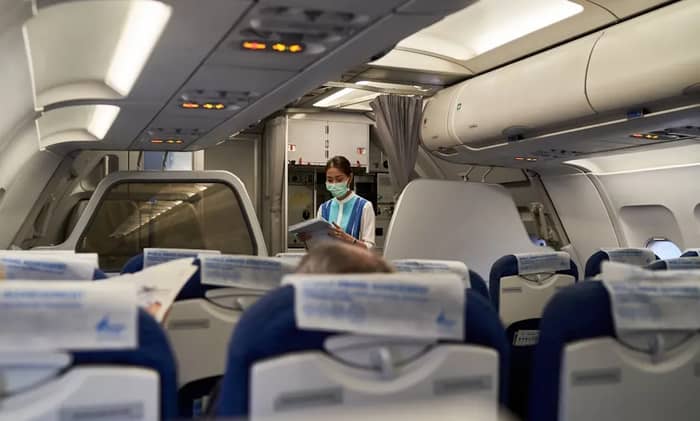
Many flight attendants bring coffee from home in thermal containers or plan their caffeine intake around airport stops, with some maintaining personal thermoses of coffee brewed before their shift. It’s their routine, built from years of witnessing what happens behind the scenes.
Many crew members brought their own tea bags and used bottled water heated in the galley, and never consumed hot beverages made onboard. When the people who work in the environment every single day refuse the product, that tells you everything you need to know. One attendant put it bluntly: “We don’t drink it ourselves. That should tell you everything.”
What This Means for Your Health
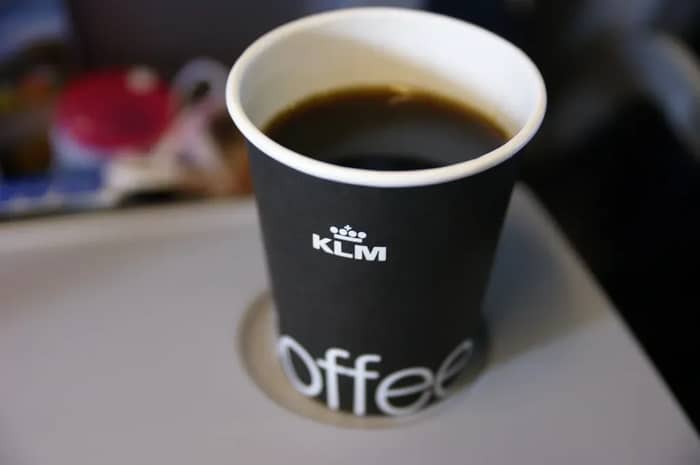
Dr. Cedric Spak, an infectious disease specialist at Baylor University Medical Center, stated he wouldn’t worry much about drinking airplane coffee, but he would not suggest someone with a compromised immune system drink a glass, and he would think twice before filling a baby bottle with water from an airplane tank. Medical professionals hedge their bets carefully here.
The isolated bacteria from aircraft water studies have the potential to cause illness in certain sectors of the travelling population, including immunocompromised individuals. Healthy adults might roll the dice successfully most times. Others shouldn’t take that gamble.
If you absolutely need caffeine during your flight, grab something from the terminal before boarding. Sealed beverages only. Flight attendants have been following this advice for years, watching passengers order coffee while they sip from bottles they brought from home. What do you think they know that you don’t?