If you’ve booked a flight recently and felt a small jolt of sticker shock, you’re not imagining things. Airfares across nearly every region have climbed sharply through 2026, and the reasons go well beyond simple inflation or seasonal demand. A mix of geopolitical shock, industry economics, aircraft shortages, and pricing technology has converged in a way that makes today’s fares feel almost structurally locked in place.
Understanding why tickets cost what they do requires looking past the booking screen and into the plumbing of the airline business itself. Some of these pressures are temporary and tied to current events. Others are baked into how the industry has operated for years and show little sign of reversing. Together they explain both the immediate spike travelers are feeling and the longer-term reasons cheap flights may not be returning anytime soon.
Jet Fuel: The Line Item That Moves Everything
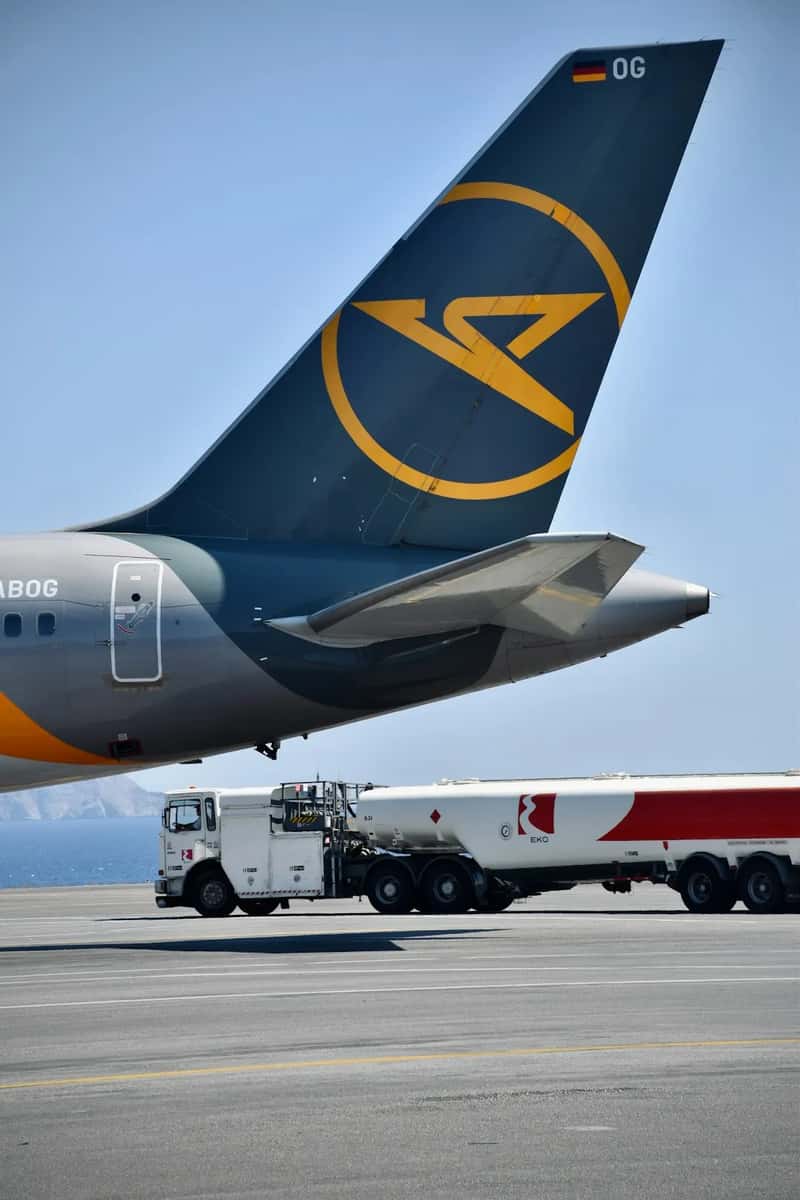
Fuel has always been one of the largest single costs an airline faces, typically representing roughly a quarter to nearly a third of total operating expenses. Fuel is set to account for 25.7% of total operating expenses in 2026, though that share has swung even higher during periods of acute price spikes this year. When fuel costs rise even modestly, airlines have very little room to absorb the difference without raising fares, because margins in this business are notoriously thin to begin with.
What makes 2026 unusual is the speed and scale of the increase rather than the existence of high fuel costs themselves. The IATA currently puts the average jet fuel price at $152 per barrel in 2026, an almost 70% year-over-year increase. That kind of jump does not happen gradually enough for airlines to plan around it comfortably, and history suggests sudden fuel shocks tend to hurt airlines more than sustained high prices ever do.
A War That Rewired the Cost of a Ticket
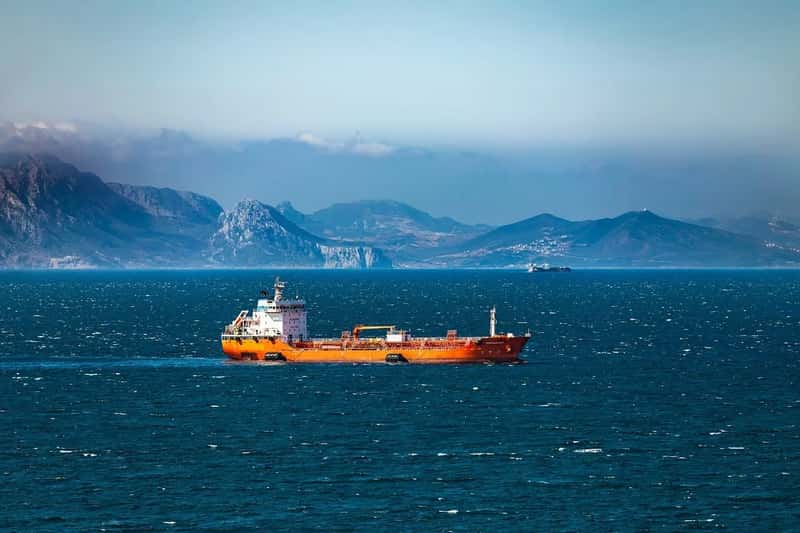
The single biggest catalyst behind this year’s fare increases was not a slow-building trend but a sudden geopolitical event. On 28 February 2026, a joint U.S.-Israeli military operation against Iran triggered a regional conflict across the Gulf, and Iran responded by closing the Strait of Hormuz on 2 March, a narrow waterway responsible for roughly 20% of the world’s oil and gas trade. That single chokepoint carries an outsized share of global energy shipments, so closing it sent shockwaves through fuel markets almost overnight.
The immediate effect on airline costs was dramatic and easy to quantify in real terms. Filling a Boeing 737-800 jumped from around $17,000 to over $27,000 in less than a week in early March 2026. Airlines responded not only by raising fares and adding fuel surcharges but also by cutting capacity outright. United Airlines cut roughly 5% of planned flights in Q2-Q3 2026 and suspended service to Dubai and Tel Aviv, while Gulf carriers including Qatar Airways, Etihad, and Gulf Air continued to operate at significantly reduced capacity due to airspace closures. Fewer seats combined with pricier fuel is about as reliable a formula for higher fares as the industry gets.
Airline Profits Are Thinner Than You Think
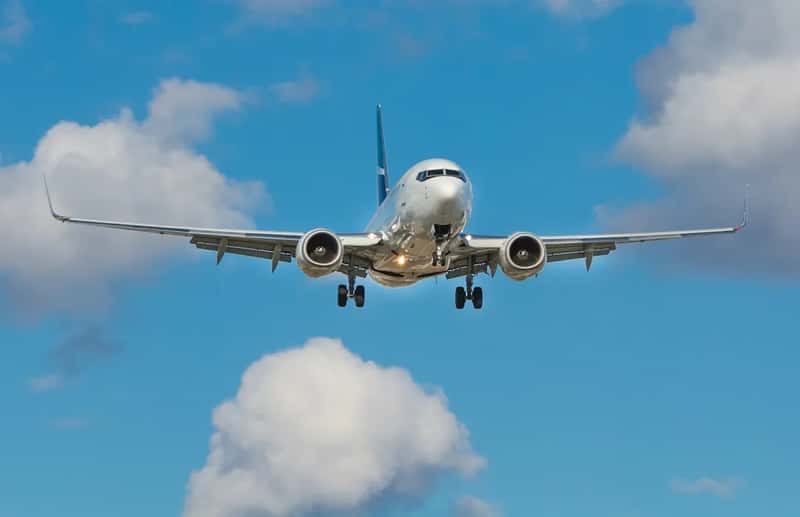
It’s tempting to assume that rising ticket prices mean airlines are raking in record profits, but the numbers tell a more complicated story. Industry profits are projected to shrink from 45 billion dollars in 2025 to 23 billion dollars in 2026, with margins shrinking from 4.2% to 2.0%. That is a razor-thin cushion for an industry moving billions of passengers a year, and it means airlines have very little slack to absorb further shocks without raising prices again.
Put in per-passenger terms, the picture looks even starker. Net profit per passenger transported is expected to be just 4.50 dollars in 2026, half the 9.10 dollars achieved in 2025. Some regions are faring far worse than others. Middle Eastern airlines are expected to be hit hardest, moving from a combined 7.2 billion dollar net profit in 2025 to a 4.3 billion dollar net loss in 2026. When an entire region of carriers swings from profit to loss in a single year, ticket prices are one of the few levers left to pull.
Not Enough Planes to Go Around
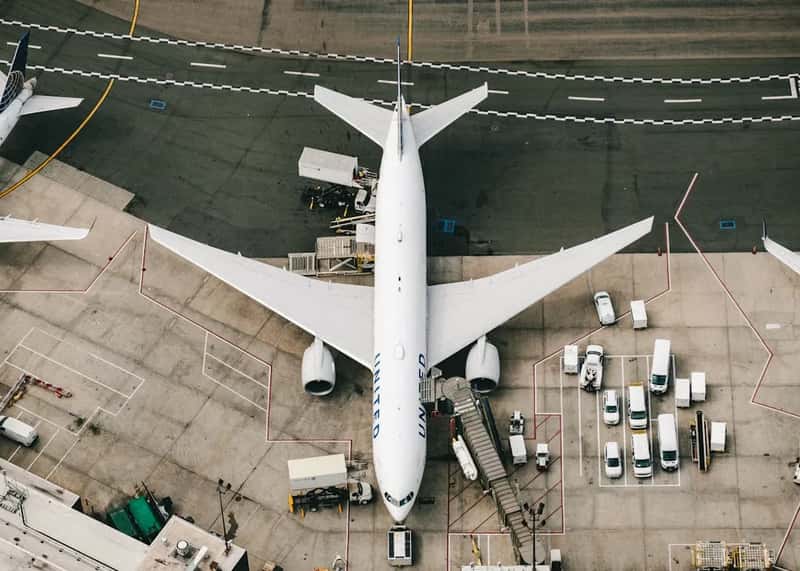
Even without fuel volatility, the industry has been quietly constrained by a shortage of new aircraft for several years now. Manufacturing bottlenecks at Boeing and Airbus, along with engine production delays, have made it harder for airlines to expand capacity even when demand is strong. The slow pace of aircraft deliveries from Boeing and Airbus, along with engine delays from GE Aerospace and Pratt & Whitney, has limited airlines’ ability to expand fleets and improve efficiency, with supply chain disruption estimated to have cost airlines about 11 billion dollars last year.
These delays trace back partly to labor disruptions and quality control issues that have rippled through the supply chain for years. In early 2024, several incidents involving Boeing aircraft occurred globally, and in the fall of 2024, more than 33,000 machinists at Boeing went on strike, halting production of the 737, 777, and 767 for almost two months. Airlines that depend heavily on a single manufacturer have felt this especially hard. Ryanair, for instance, has had to scale back its own growth targets because of ongoing shortfalls, noting that Boeing delays have forced it to revise its FY26 traffic target down to just 3% growth. Fewer new planes arriving means airlines can’t simply add capacity to meet demand, which keeps existing seats more valuable and more expensive.
Fewer Competitors, More Pricing Power
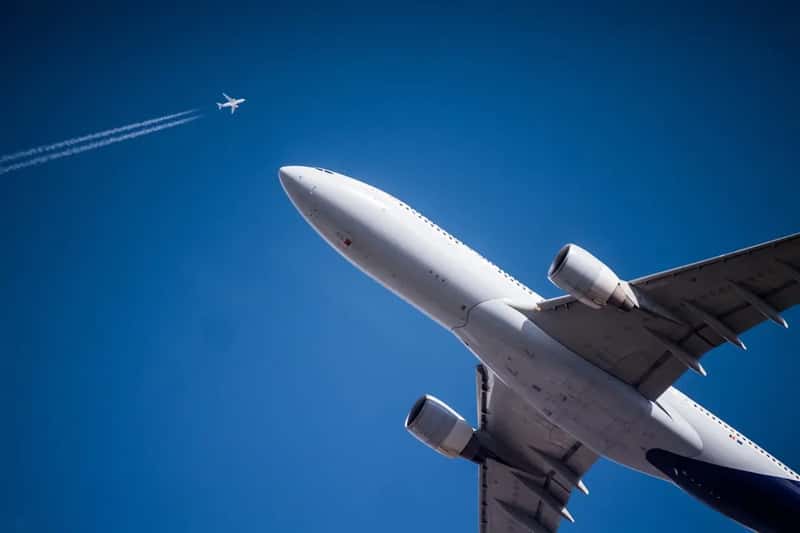
Market structure matters just as much as costs. Over the past two decades, waves of mergers have reshaped the competitive landscape, particularly in the United States. After multiple mergers from 2008 to 2013, eight domestic airlines became the “Big Four,” and most studies found that in the short run, these mergers decreased competition on some routes and led to higher fares. On routes where a merger eliminated a competitor entirely, the pricing effect has tended to be the most pronounced and the most lasting.
That said, the picture isn’t uniformly bleak for competition overall. A recent government review found some encouraging longer-term trends even amid consolidation. Domestic airfares were generally lower in 2024 than two decades earlier, largely thanks to the rise of ultra-low-cost carriers. Still, those budget carriers now face rising costs disproportionately and are less able to raise supplemental revenue through airline credit cards, which means the very carriers historically responsible for keeping fares in check are under more financial pressure than their larger rivals.
The Algorithm Is Watching Every Seat

Modern airline pricing bears little resemblance to a fixed price list. Fares are now set and reset continuously by software that tracks demand signals in real time. Airline ticket prices change frequently because airlines use dynamic pricing systems that constantly analyze demand and adjust fares in real time, recalculating prices every time someone books a seat or even when many travelers search for the same route. This is precisely why two people sitting next to each other on the same flight can end up having paid noticeably different amounts.
This system rewards airlines for being aggressive about scarcity. A seat isn’t priced based on what it cost to fly the plane; it’s priced based on what the algorithm predicts the last available buyer will pay. As one industry analysis put it plainly, when flights are cheap, it’s usually because an algorithm decided the seat would otherwise fly empty. In an environment of tighter capacity and stronger demand, that same logic pushes prices upward far more often than it pushes them down.
Taxes, Fees, and the Rising Cost of Just Landing
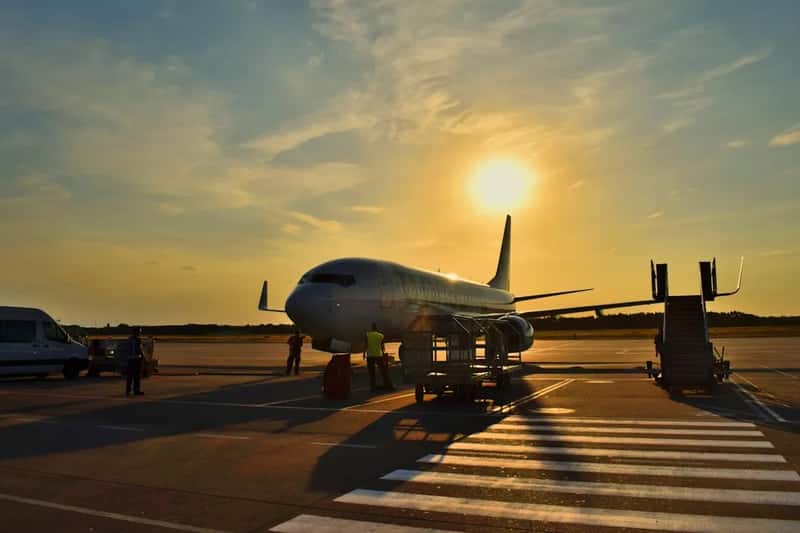
Airfare is only part of what travelers ultimately pay, and the non-fare portion has been climbing steadily. Airports themselves have raised the price of doing business at their gates. Airport gate fees have increased 15-18% since 2019 at major hubs, a cost that airlines inevitably build into ticket pricing rather than absorb entirely themselves.
Governments have added their own layer of costs on top of that. Numerous destinations are raising tourist taxes and entry fees as a way to manage overtourism and fund infrastructure. Japan plans to raise its tourist tax up to fivefold, while the European Union will introduce ETIAS by late 2026 with additional fees for non-EU travelers. Environmental compliance costs are adding further pressure as well, since starting in 2027, airlines in 126 ICAO member countries will be required to participate in carbon offset schemes to curb CO2 emissions growth, a cost that airlines are already beginning to plan for and pass along.
An Aging Fleet and a Stretched Workforce
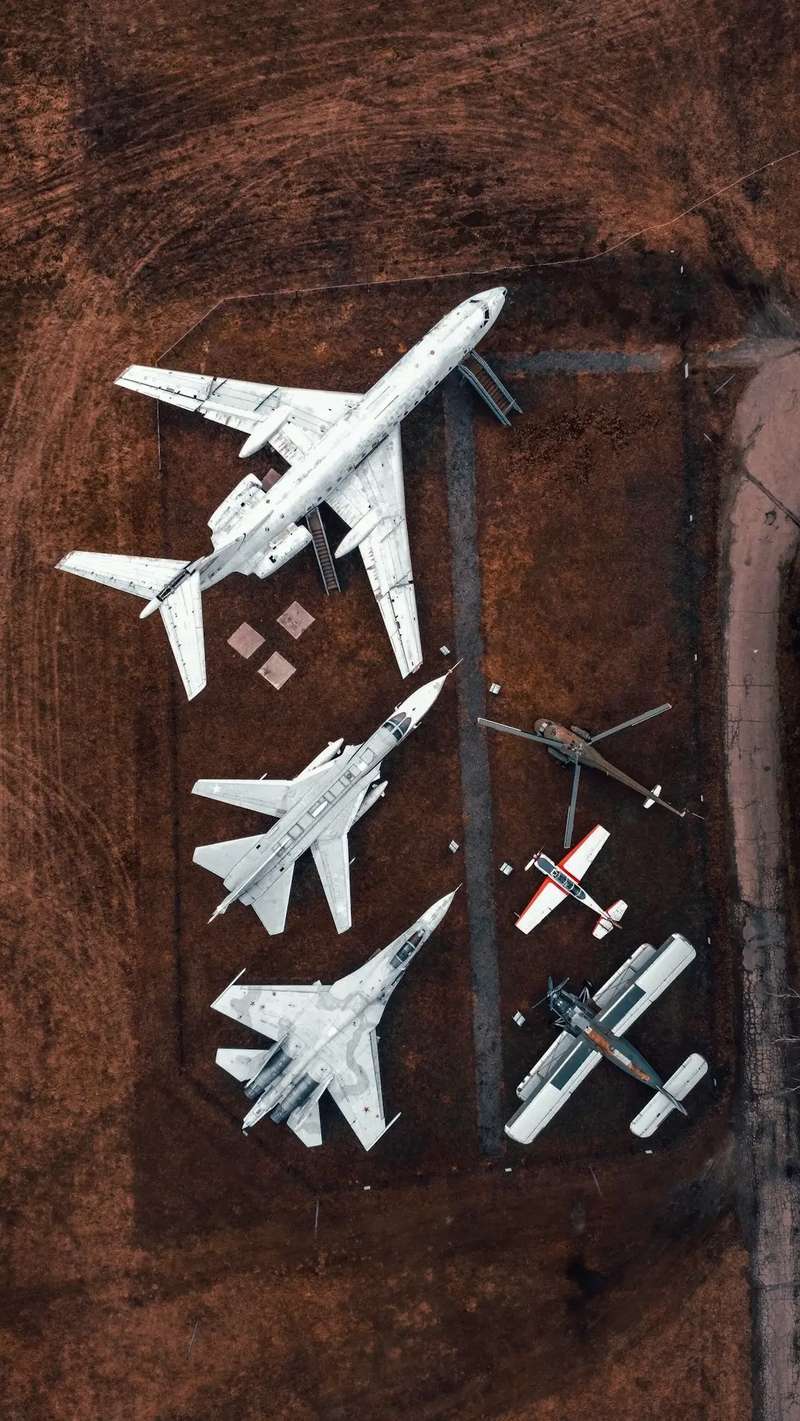
With new aircraft deliveries lagging, airlines are keeping older planes flying longer than they’d typically prefer. That comes with its own hidden cost in maintenance and reduced fuel efficiency. Fuel efficiency gains are expected to be just 1.0% in 2026 as supply chain issues continue to hamper fleet renewal and push the average aircraft age to over 15 years, the highest ever. An older fleet burns more fuel per seat and requires more frequent, more expensive upkeep, both of which flow directly into ticket prices.
Maintenance capacity itself has become a genuine bottleneck across the industry, not just an inconvenience. MRO facility capacity remains constrained and has worsened in 2025, resulting in a significant number of engines remaining off-wing for an extended period of time while waiting for inspection or overhaul, meaningfully impacting operations across the industry. When engines sit idle waiting for repair, airlines effectively lose capacity they’ve already paid for, another quiet contributor to fewer available seats and firmer pricing.