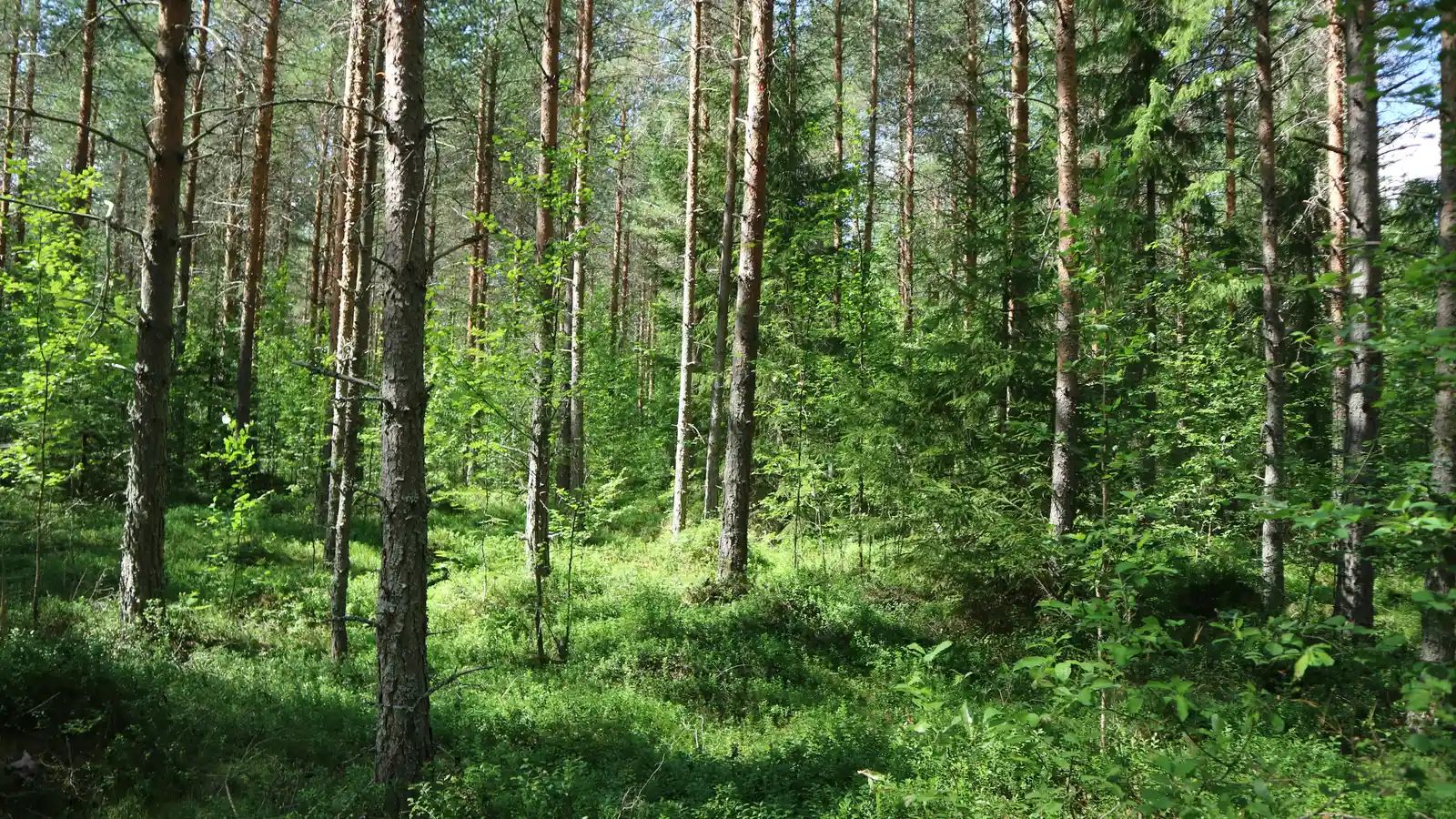
U.S. woodlands are already feeling the strain of rising temperatures and shifting rainfall patterns. A new study published in July in Nature Communications examined thousands of acres of these natural forests and found that greater variety among tree species improves their ability to cope with simultaneous climate stresses, such as extreme heat paired with drought or unusually heavy rain. The research moves beyond earlier work on small experimental plots to confirm the pattern across real, large-scale ecosystems.
From single events to compound threats
Most prior studies tracked how forests respond to one stressor at a time. The latest analysis instead focused on overlapping extremes that are becoming more common as the climate changes. Researchers tracked forest responses across extensive areas and observed that stands with higher species richness maintained better overall condition when multiple pressures hit at once. This broader view helps explain why some forests recover more quickly than others after severe seasons.
Surprising confirmation in natural settings
Lead author Xuetao Qiao, a postdoctoral researcher at Peking University, noted the team’s initial uncertainty about detecting clear signals amid the complexity of wild forests. “Before completing the analyses, we were genuinely uncertain whether we would be able to detect this relationship in real forests,” Qiao wrote. The fact that the positive effect of diversity emerged so clearly added weight to earlier findings from controlled plots. It also suggests that species variety plays a practical role in long-term forest stability rather than remaining a theoretical advantage.
What the data revealed about resilience
The study measured forest condition using indicators tied to growth, canopy health, and recovery after stress events. Forests containing a wider mix of species showed stronger resistance and faster rebound when heat coincided with water extremes. In contrast, more uniform stands experienced greater declines under the same conditions. These patterns held across the thousands of acres surveyed, reinforcing that diversity functions as a buffer even in unmanaged landscapes.
Implications for forests people visit and value
The findings carry direct relevance for regions where travelers and outdoor enthusiasts encounter woodlands, from national forests to protected reserves. Managers may increasingly consider species composition when planning restoration or monitoring programs. While the study does not prescribe specific actions, it highlights diversity as one measurable factor that supports forest persistence amid ongoing climate pressures. Further work will be needed to test how these patterns play out in other regions and forest types.