Something has shifted in the world of loyalty programs, and the people who notice first are always the ones flying the most. For years, elite status on American Airlines meant a kind of insurance policy against the worst parts of air travel: guaranteed seats, occasional upgrades, a sense that all those miles in the air actually meant something. That sense of security has been eroding fast, and the数据 behind it tells a story airlines would rather not talk about.
Frequent flyers who once defended American through thick and thin are now openly comparing notes with United and Delta loyalists, weighing whether the AAdvantage program still deserves their business. What started as small print changes has become a pattern too big to ignore.
A basic economy overhaul that caught elites off guard
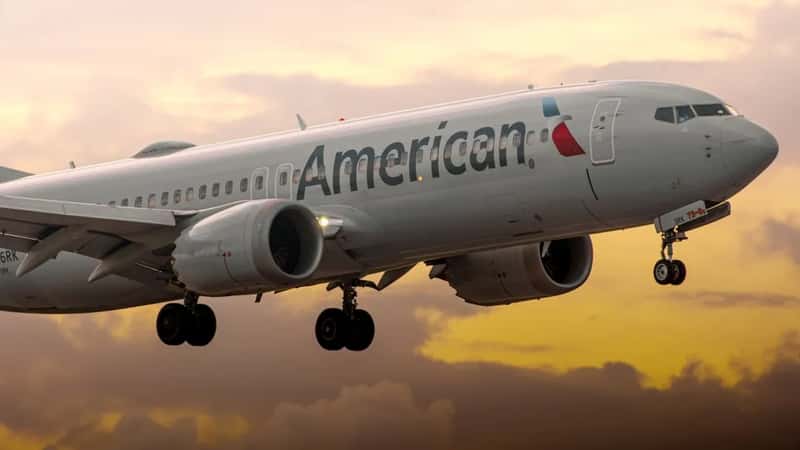
The May 18, 2026, changes are where frequent flyers finally realized that American Airlines was no longer simply trimming perks around the edges of Basic Economy, and this time the airline directly targeted the travelers who had spent years building loyalty through the AAdvantage program. For a long stretch, that trade off felt tolerable. Travelers gave up a little legroom and the ability to change flight plans, but they still walked away with airline miles, elite status progress, and the perks they spent years earning, a compromise that is now officially gone on American Airlines.
Anyone booking a summer trip on the cheapest fare now finds a very different checkout screen than they did a year ago. On May 18, 2026, the second wave hit, stripping elite status members of free seat selection and upgrade options whenever they buy a basic economy fare. It is a small line item on a booking page, but for someone who has spent a decade climbing the status ladder, it changes the calculus entirely.
The mileage cut that started it all
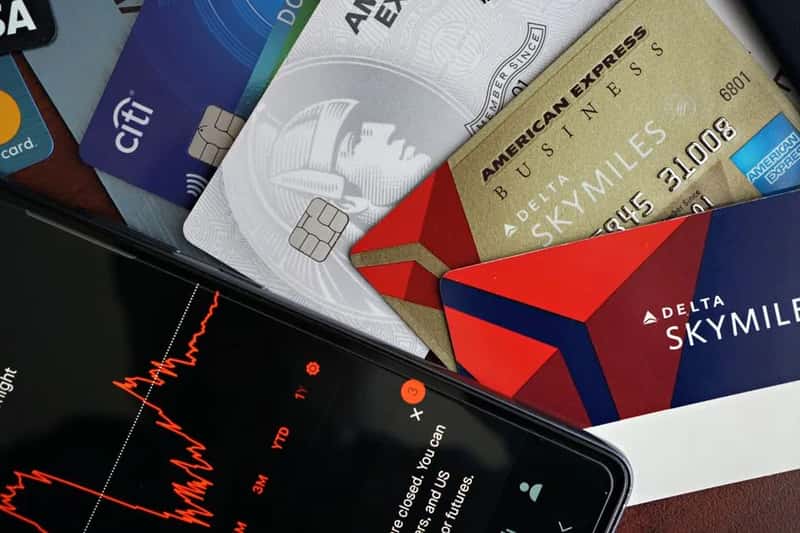
Before the seat selection changes, there was a quieter move that set the stage. The airline kicked off this shift on December 17, 2025, when it completely cut AAdvantage mileage and Loyalty Points tracking from its cheapest tickets. At the time, it read like routine housekeeping, the kind of tweak airlines make every year without much fanfare.
Looking back, it was clearly the opening move in something larger. What looked like a single annoying policy update was actually the first step in a larger plan. For tickets purchased on or after that date, the carrier quietly removed the ability to accumulate any AAdvantage miles or loyalty points on basic economy fares, whereas previously these restrictive tickets still provided a reduced earning rate of two miles per dollar spent.
Comfort is no longer part of the deal
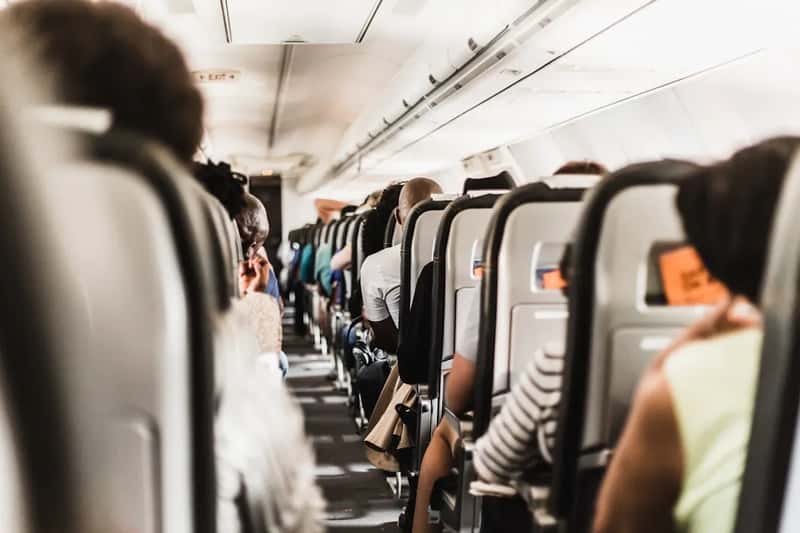
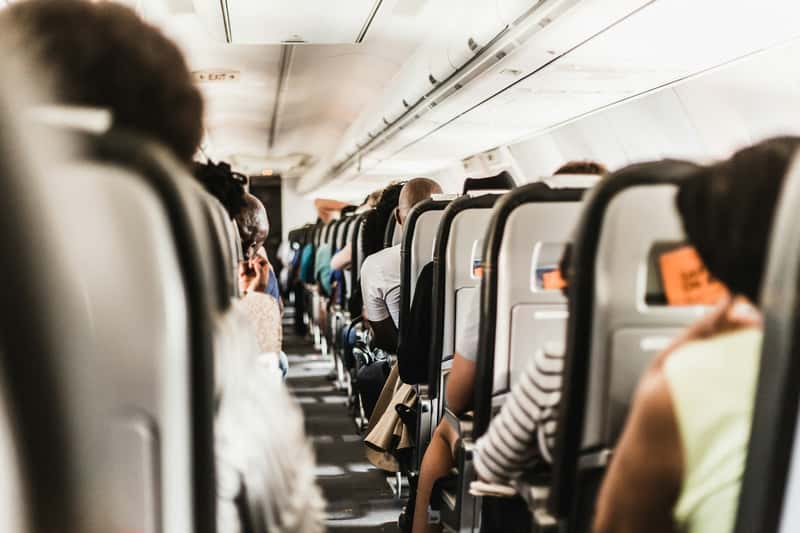
The practical fallout hits hardest for people who fly constantly but do not always buy premium fares. In practical terms, spending years chasing elite status no longer protects a passenger’s comfort, and if a flyer books the cheapest fare category, they can still end up stuck in a randomly assigned middle seat near the back of the plane. That is a hard pill for someone who has spent years building status specifically to avoid that outcome.
Upgrading out of the situation now comes with a price tag attached. On many domestic routes, upgrading from Basic Economy to Main Cabin often costs roughly 35 dollars each way, and if flyers stay in American’s lowest tier, they are buying a bare bones seat from point A to point B with zero loyalty rewards attached. For a road warrior booking a dozen trips a year, that adds up quickly.
Starting to look like a budget airline in disguise
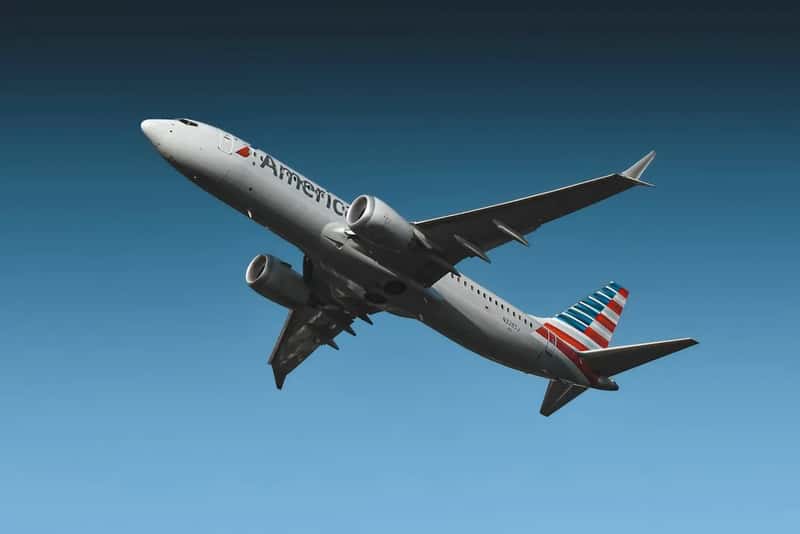
Longtime AAdvantage members have started noticing an uncomfortable resemblance between American’s cheapest fares and the ultra low cost carriers it has historically looked down on. The shift is especially striking in how closely American’s cheapest fares now resemble ultra low cost carriers like Spirit Airlines and Frontier Airlines, since the airline still carries the branding and pricing structure of a legacy carrier, but the loyalty relationship attached to Basic Economy has become far more transactional. That gap between image and experience is exactly what frustrates loyal customers the most.
An industry commentary from earlier this year captured the shift bluntly, noting that while AA likes to sell the illusion that they are a competitive full service carrier at discount prices, in reality they are rapidly becoming a discount carrier with some legacy full service aircraft and procedures. That is not a compliment coming from people who have flown American for decades.
American did not start this trend, but it went further
It is worth remembering that American was not first to strip rewards from cheap fares. Delta Air Lines started the trend back in 2021 when it stopped awarding SkyMiles on basic economy tickets, setting a precedent that loyalty perks could be disconnected from the cheapest fares entirely. What sets American apart is how far it has pushed the concept beyond where Delta stopped.
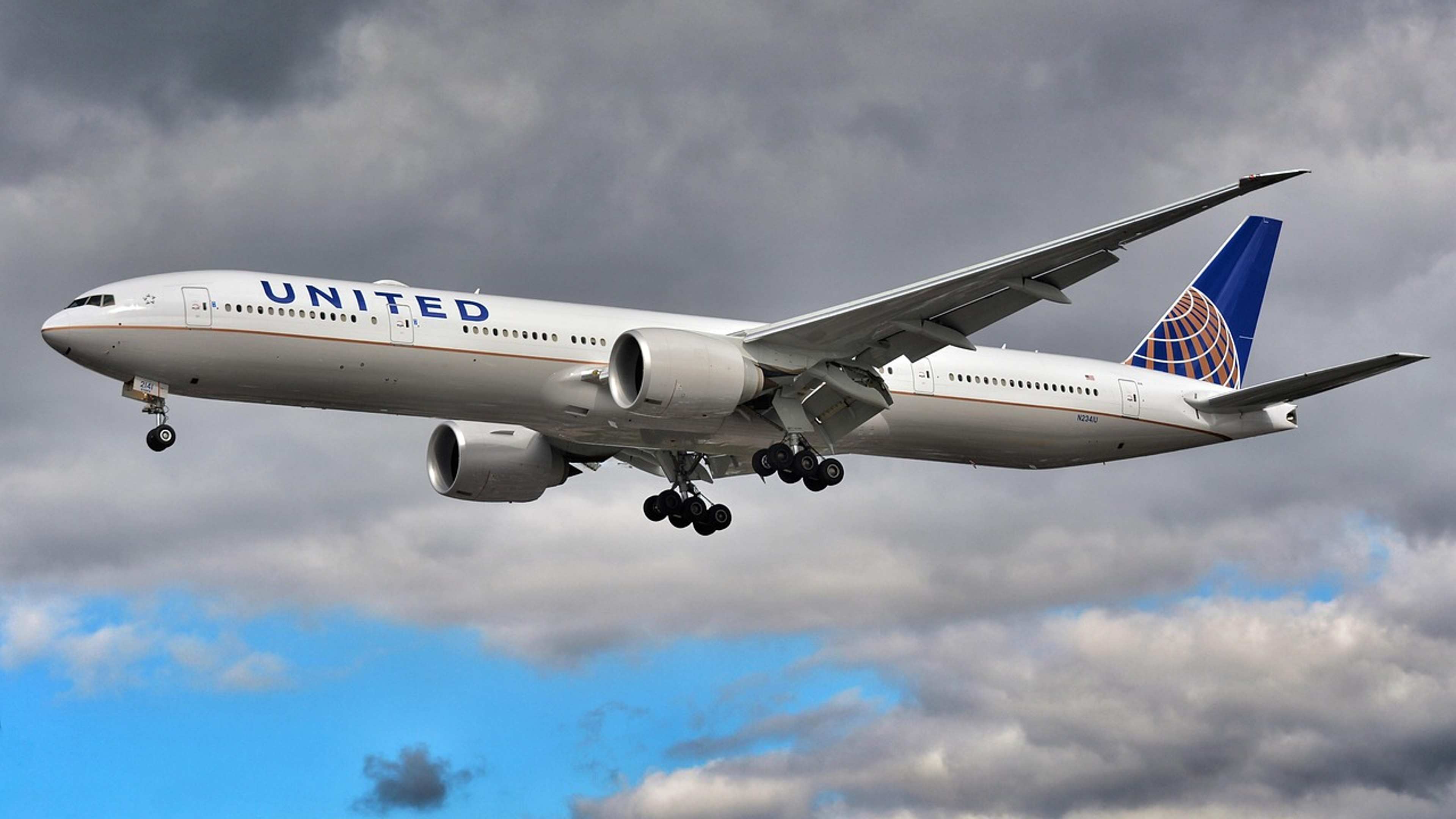
Where Delta focused mainly on mileage earning, American added a layer that touches elite travelers directly. American Airlines followed a similar path, but with an additional layer of restrictions targeting elite travelers themselves. Even the last holdout among the big three eventually followed suit. United Airlines, long viewed as the last major holdout for budget conscious frequent flyers, tightened its Basic Economy rules on April 2, 2026, and general MileagePlus members now earn zero miles on these fares unless they hold elite status or a co branded United credit card.
Status now runs on spending, not just miles flown
Beyond the Basic Economy fight, a deeper structural change has been reshaping what elite status even means. By mid 2024, industry reports noted that the three largest U.S. network airlines had shifted their core status metrics toward spending rather than miles flown, emphasizing dollars paid to the airline and its partners and, crucially, money charged to co branded credit cards. For someone who travels often but does not spend heavily on premium tickets, that shift can feel like the rug being pulled out from under them.
American’s own math illustrates how far the pendulum has swung toward big spenders. According to the updated structure of airline loyalty programs in 2026, the elite status of American Airlines Executive Platinum can be achieved through 200,000 Loyalty Points, which can be earned through forms of spend beyond air travel. The result is a system where the biggest winners are not necessarily the people boarding the most flights, but the people with the fattest credit card statements.
Miles are worth less than they used to be
Even for travelers who stick around and keep earning, the reward at the end has been quietly shrinking. With airlines having also continuously devalued their miles, loyalty programs have become far less lucrative than in the past, with Delta SkyMiles typically valued at only 1.1 cents per mile today, while United miles are only worth roughly 1.2 cents per mile, and AAdvantage miles are typically valued slightly higher. A decade ago, those same currencies were widely considered worth noticeably more.
The underlying business model explains why airlines keep issuing miles even as their real world value declines. When it comes to the business of selling tickets and operating flights, American, Delta, and United all lose money, yet Delta and United are two of the world’s most profitable airlines because of the size and strength of their loyalty programs. Miles have become less about rewarding flyers and more about generating revenue from bank partnerships, which naturally puts the traveler’s interests a step behind the balance sheet.
The rise of the free agent flyer
A noticeable number of longtime elites have simply stopped trying to stay loyal to one carrier. One well known travel writer described his own approach for 2026 as embracing free agency across airlines rather than chasing status with any single one, explaining that loyalty is a two way street and as loyalty programs evolve, especially in the airline industry, there is less and less value in them, with the opportunity cost to achieve elite status no longer worthwhile. That sentiment shows up again and again among people who track the industry closely.
Others describe similar frustration after years of holding top tier status. One frequent flyer noted that his upgrade clearance rate on United was abysmal, and that he was not inclined to be fiercely loyal to a program that no longer upgrades him and has continued to devalue award redemptions. The specific airline varies from traveler to traveler, but the underlying complaint keeps repeating itself across the industry.
The numbers behind the quiet exodus
Analysts who track loyalty data have started to see the shift show up in actual spending patterns, not just anecdotes on forums. One review of American’s own figures found a pattern worth watching closely, where a combination of award chart devaluation, product devaluations, and making status harder to earn would combine to push frequent customer share of wallet towards competitors. In other words, the people flying the most are not necessarily disappearing, but they are spreading their business around more than they used to.
That same analysis pointed to a subtle but telling trend in how spending is distributed. More than once a year flyers went from 13% of customers to 38% of customers, but fell from driving 50% of revenue down to 45%, and while people are taking more trips overall, those taking the most trips are cutting back spend with the airline. That is not the kind of chart an airline wants to show its board, even if overall passenger numbers still look healthy on paper.
Change fees and everyday frustrations add up

Big policy shifts get the headlines, but plenty of frequent flyers point to smaller, everyday grievances as the real tipping point. One traveler who flies dozens of trips a year for business summed up a common complaint, saying the biggest objection to American, for someone who flies 30 to 40 trips a year, is the change fee, adding that the airline makes so much money on it but it is a real turn off for customers. It is the kind of friction that builds slowly, trip after trip, until loyalty stops feeling worth the hassle.
Broader survey data backs up how disruptive the current flying experience has become for the people who travel most. Over 68% of those flying primarily for business or a mix of business and leisure experienced a significant delay, compared to 33% of pure leisure travelers. When disruptions and fees pile on top of shrinking loyalty perks, it is not hard to see why some frequent flyers are ready to look elsewhere.
Final thoughts
None of this means American Airlines is losing its frequent flyer base overnight, and plenty of loyal AAdvantage members are staying put out of habit, convenience, or simple lack of a better regional option. Still, the pattern across 2025 and 2026 is hard to miss: mileage cuts, tighter Basic Economy rules, spend based status requirements, and shrinking mile values have combined to make loyalty feel less rewarding than it once did. For travelers who built their routines around one airline’s program, the quiet math now points toward spreading bets rather than doubling down on a single carrier.