It started as something my grandmother told me before my first solo trip. “Always leave something for the person who cleans your room,” she said. I rolled my eyes. Now, years later, I do it every single time without fail. Not because she told me to. Because once you understand what’s actually going on behind the scenes in hotels, it’s hard not to.
There’s a world running silently beneath the glossy lobby, the complimentary mints, and the perfectly folded towels. A world most guests never think about. And there are real reasons why a small folded bill placed in or near the fridge before checkout matters more than you might expect. Let’s get into it.
The People Cleaning Your Room Are Among the Most Underpaid in Hospitality

Here’s something most travelers simply don’t know. As of March 2026, the average salary for a hotel housekeeper in the United States is roughly $30,308 per year, which breaks down to an hourly rate of about $15. Think about that for a moment. That’s the person scrubbing your toilet, changing your sheets, and making the place look like no one ever slept there.
Nearly 90 percent of building housekeepers are women, according to federal statistics. It’s a workforce that relies overwhelmingly on women of color, many of them immigrants, and which skews older. These are not abstract numbers. These are people working physically demanding jobs for wages that frequently fall short of a living wage.
With up to 17 rooms to clean each shift, a housekeeper’s job can sometimes feel impossible. There was one documented case of a housekeeper at a Boston hotel who found three days’ worth of dog fur clinging to curtains, bedspread, and carpet. She knew she wouldn’t finish in the 30 minutes she was supposed to spend on each room. A $5 bill doesn’t fix a broken wage system. Honestly, it doesn’t. But it helps a real person get through the week.
Most Guests Simply Don’t Tip – And the Stats Are Telling
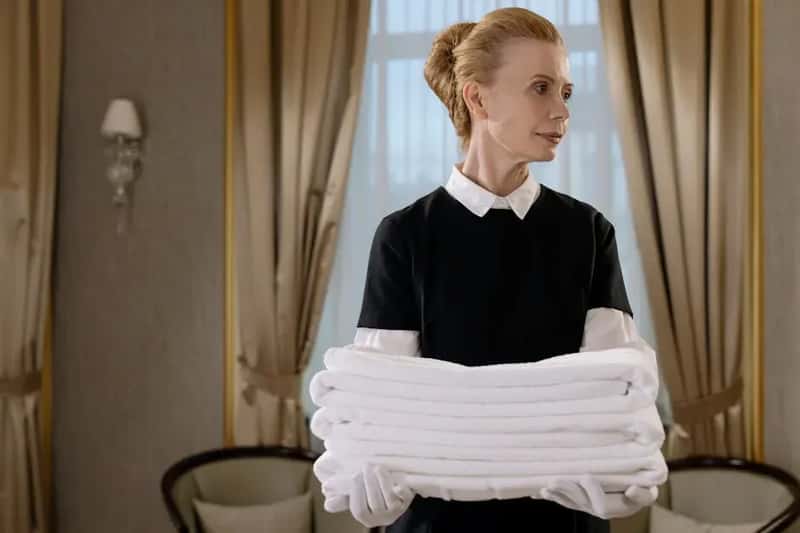
A recent survey shows only about 39 percent of American adults usually tip hotel housekeepers. While some tip daily, others don’t consider it a tipped position at all. Honestly, that number is surprisingly higher than I would have guessed, but it still means well over half of guests leave nothing.
Only about 26 percent of Americans aged 18 to 29 usually tip hotel housekeepers, while over half of American adults over age 60 say they normally do. That generational gap is striking. Younger travelers, myself included for a long time, often assume the room rate covers everything. It really doesn’t.
A Cornell University study found that respondents don’t feel obligated to tip hotel housekeepers, compared to bartenders or hotel bell staff. It’s a strange quirk of tipping culture. Someone who carries a single bag gets a tip without question. The person who spends 30 minutes deep-cleaning your entire room? Often nothing.
The Fridge Is a Smart, Visible Place to Leave the Tip
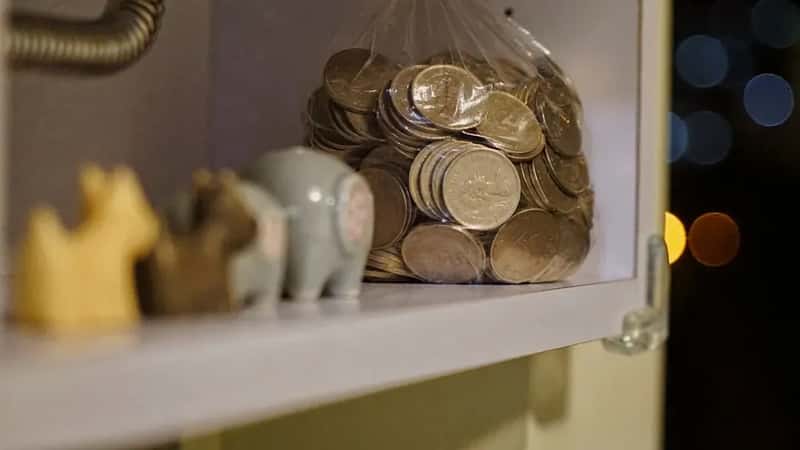
So why the fridge specifically? Simple, practical logic. Experts recommend putting tip money on a desk or another clear surface in your room, ideally in an envelope or wrapped in a piece of paper with “thank you” written on it, so it’s clear the money is meant for the housekeeper. The fridge area works brilliantly for this because it’s one of the first things housekeeping checks and handles during turnover.
Think of it like leaving a note on someone’s desk. You want the message to land. Tucking a bill under the pillow? Easy to miss. Leaving it folded near or inside the fridge with a small note? Hard to overlook, and impossible to confuse with forgotten change.
The American Hotel and Lodging Association says tips should ideally be left daily, as the person who cleaned your room one day might not be the same person the next day. If you’re leaving one tip at checkout, making it visible and clearly intentional is the least you can do to ensure it reaches the right person.
The Hotel Minibar Trap Is Very Real
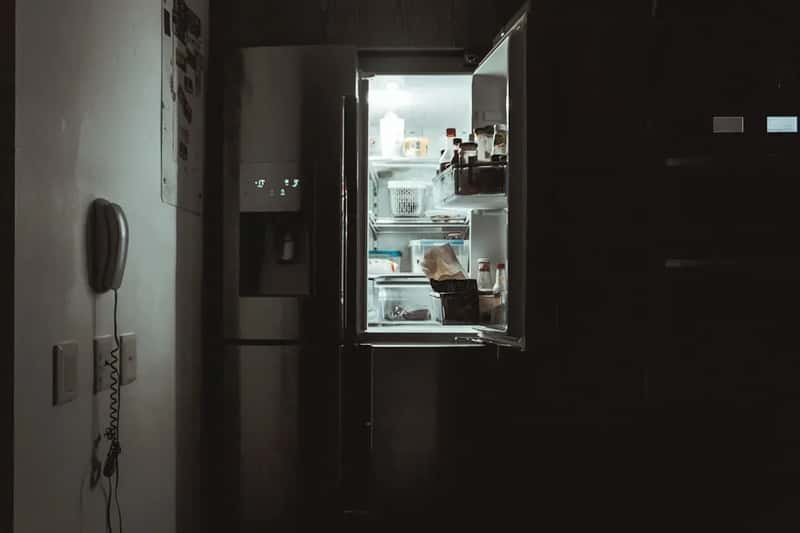
Now let’s talk about the fridge itself for a minute. Because while you’re leaving a tip near it, you should also be fully aware of what that little appliance can do to your wallet if you’re not careful. Modern minibars use weight or door sensors that automatically register consumption and post charges to the room folio. That’s right. In some hotels, simply moving an item triggers a charge.
In one widely shared viral incident, a hotel guest confirmed she was charged for beverages she removed from the minibar fridge overnight. She woke up to a charge on her account because she had removed those drinks. She was charged $175. She hadn’t consumed a single drop. Fortunately, she had video proof and the charges were reversed, but not everyone is that lucky.
Another hotel guest was stunned to learn that even touching the inside of the fridge could result in a $50 charge. A notice on the fridge door stated that “altering contents or placing other items inside will result in $50.” So yes, know exactly what kind of fridge you’re dealing with before you place anything inside it, including your tip.
Hotel Hidden Fees Have Been Out of Control

The fridge sensor issue is just one piece of a much larger hidden fee culture that has frustrated travelers for years. For years, consumers have been blindsided by resort fees that can add $44 to $57 per night to their hotel bills, particularly in destinations like Las Vegas. These fees, often buried in the fine print, have made it challenging for travelers to budget accurately.
A Consumer Reports survey found that 34 percent of respondents said they had encountered a hidden or surprise fee at a hotel in the past two years, and more than half said those fees caused them to go over budget. This isn’t rare. It’s practically an industry norm. You book what looks like a $120 room and end up paying $170 after fees you never agreed to.
The Federal Trade Commission’s new rule against junk fees officially took effect on May 12, 2025. This regulation makes it illegal for hotels and vacation rental companies to advertise one price only to surprise customers with additional mandatory charges at checkout. It’s a step in the right direction. But enforcement is still catching up, so travelers need to stay vigilant.
The $5 Tip Is What the Industry’s Own Trade Group Recommends

Here’s a fun piece of irony. The same industry that benefits from guests not tipping is the one that actually recommends tipping. The American Hotel and Lodging Association (AHLA) suggests tipping housekeeping $1 to $5 per night at a mid-range or business hotel. So $5 per stay is not some extreme generosity, it’s literally the ceiling of the recommended range from the hotel industry’s own trade group.
For housekeeping, the AHLA encourages $1 to $5 per night, while Unite Here, a hospitality workers union, recommends a minimum of $5 per hotel stay. Between the industry association and the workers’ union, the consensus around $5 is remarkably consistent. It’s not a controversial number. It’s the agreed-upon floor for decent behavior.
For luxury brands like Ritz-Carlton, St. Regis, and Four Seasons, $5 to $10 per night is customary, even if amenities go untouched. So if you’re splurging on a high-end stay, think about scaling that tip up. The rooms are larger, the clean-up is more involved, and honestly, a $500-a-night room deserves more than a $2 tip on the nightstand.
Housekeeping Worked Through a Crisis and Still Hasn’t Fully Recovered
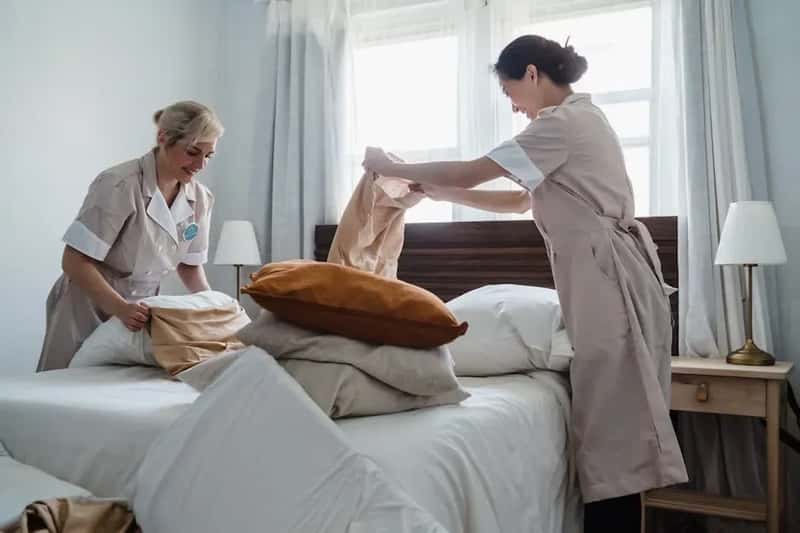
Let’s be real about what happened during and after the pandemic. Unionized housekeepers have waged a fierce fight to restore automatic daily room cleaning at major hotel chains, saying they were saddled with unmanageable workloads or, in many cases, fewer hours and a decline in income. The dispute became emblematic of frustration over working conditions among hotel workers who returned to an industry grappling with chronic staffing shortages.
Some 10,000 hotel workers represented by the UNITE HERE union walked off the job in September 2024 at 25 hotels in eight cities, including Honolulu, Boston, San Francisco, San Jose, San Diego, and Seattle. That’s not a footnote. That’s a full-blown labor crisis playing out in real time, just out of sight of most guests checking in and out.
The American Hotel and Lodging Association reported that 80 percent of its member hotels faced staffing shortages, and 50 percent cited housekeeping as their most critical hiring need. When a hotel can barely find people willing to do this work, the people still doing it deserve recognition. That folded bill near the fridge is a small acknowledgment of that reality.
Daily Tipping Beats a Lump Sum at Checkout – Here’s Why
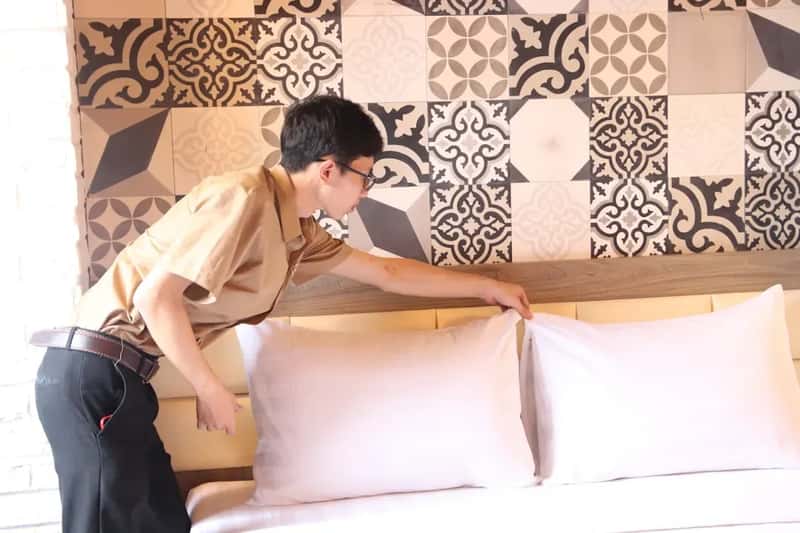
Some guests leave a lump-sum tip on the last day of their stay, but a better practice is giving out incremental tips daily, as hotel housekeepers might have different day-to-day room assignments. A daily tip more closely ensures your gratitude goes to the specific worker who services the room each day. This is a detail most people overlook entirely.
Think of it this way. Imagine doing a full day’s work for someone and having the money go to your colleague who showed up the day after you. That’s essentially what a checkout-only tip does in multi-night stays. The person who cleaned up your spilled coffee on Tuesday gets nothing. The person who tidied a spotless room on your final morning gets everything.
A survey of 5,000 frequent travelers revealed that roughly 62 percent were unaware that housekeeping staff changes daily, leading to misconceptions about cumulative tipping at the end of a stay. That’s a huge majority of people making a well-intentioned mistake. Leaving a small amount daily, or placing a clearly labeled tip at checkout with enough to cover the full stay, fixes this entirely.
The Cashless World Is Making It Harder for Workers Who Depend on Tips
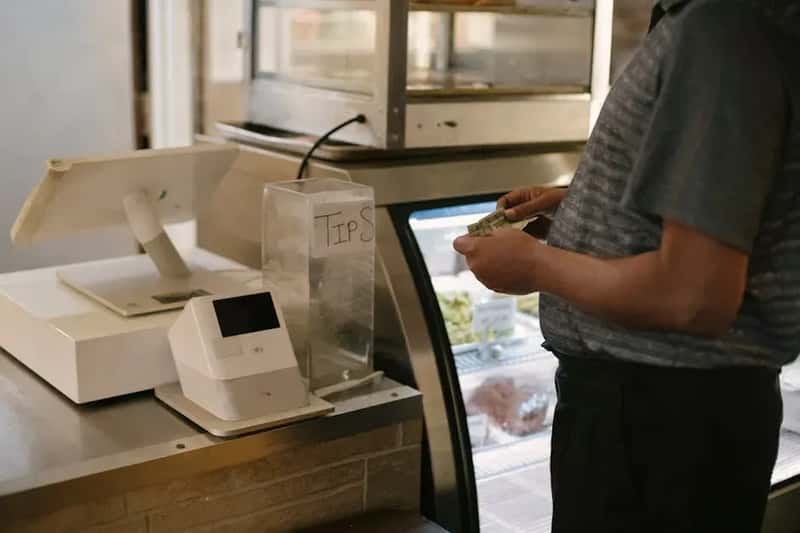
In recent years, society has become more cashless, with more people paying for goods and services with credit cards and mobile apps like Apple Pay and Venmo. That shift is leaving hotel workers who rely on cash tips struggling to earn an income. It’s a problem that sounds minor until you realize your wallet has been card-only for three days and the housekeeper has no way to receive a digital payment.
I think this is genuinely one of the most overlooked travel prep steps. Before you head to a hotel, grab a small amount of cash. Not for splurging on overpriced lobby coffee, but specifically to leave for the people cleaning your room. A handful of $5 bills costs you nothing significant but means a great deal to someone on a $15 hourly wage.
New technologies like TipBrightly and TipYo are enabling travelers to tip service staff at participating hotels using mobile apps and QR codes, allowing for contactless tipping that has become increasingly popular. Some hotels are starting to roll these out, so keep an eye out for QR codes or tip prompts at checkout. Still, cash remains the most reliable and immediate option at most properties in 2026.
What That $5 Actually Signals – Beyond the Money
Here’s the thing about leaving a tip near the fridge. It’s not just about the money. It’s about visibility. Housekeeping is a job that is very demanding and often thankless. There are staffing shortages. Housekeepers tend to be on a packed schedule and must work effectively and efficiently. A tip, especially one with a small handwritten note, is a signal that someone noticed.
Tipping housekeepers is less about percentages and more about acknowledging hard work. Maids often perform back-breaking, thankless labor for little pay. I know that sounds a little sentimental. But honestly, these are people who clean up after strangers for hours every single day, and the majority of guests leave without a second thought.
Leaving that $5 in the fridge before checkout takes about four seconds of your life. It doesn’t require you to interact with anyone, navigate an app, or calculate percentages. It’s just a small, folded act of acknowledgment. And if everyone who could afford it made that a habit, the ripple effect across the hospitality industry would be real and meaningful. What would happen if leaving nothing simply became the exception rather than the rule?