The word first carries a lot of weight on a boarding pass. It suggests the front of the line, the best of everything, and a ticket worth the extra cost. On many flights, the reality is quieter than the label.
I’m not saying premium cabins are pointless. My view is narrower: in most situations, the cash price of first class doesn’t match what you get for it. The evidence from 2025 and 2026 supports that, though it also shows a few cases where the upgrade is worth buying.
Domestic First Class Is Not What the Name Promises
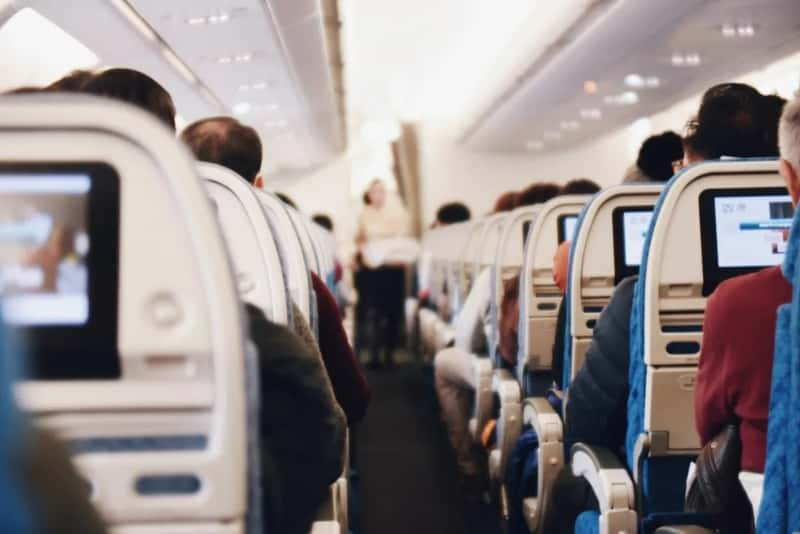
By global standards, a US domestic first class seat is closer to premium economy. That’s one travel site’s description of domestic first class.[1] You get a seat about twenty to twenty one inches wide, compared with seventeen to eighteen in economy, plus several more inches of legroom and complimentary food and drinks.[1]
That’s a real improvement, but it’s a modest one. You’re in the same aircraft as economy.[2] There are no lie flat beds, no major service gap, and no privacy screens on most carriers.[1]
The Price Gap Is Hard to Defend
Fare data from late 2026 shows how wide the gap can be. On the US routes one fare tracker followed between late September and mid October 2026, the median one way gap between first and standard main cabin was $143 on Alaska, $220 on United and $300 on Delta.[3] On United, only a tiny share of flights showed a gap of $100 or less.[3]
Other estimates run higher. One 2026 analysis put the cash premium at between $200 and $600 on most routes.[1] The Points Guy’s rule of thumb from May 2025 values a regular domestic first class seat at roughly fifty dollars per hour of flying.[3] By that measure, many of these premiums look steep.
Short Flights Make It Harder to Notice the Upgrade
Most American flights aren’t long. On routes under four hours, which covers the majority of US flights, one analysis calls paying cash for first class not worth it.[1] Time in the air matters because the benefits depend on it.
Take a short hop between Chicago and New York. You’d be seated for barely ninety minutes of cruising, so the practical benefit is minimal.[1] On flights under two hours, the meal can be a warm cookie and a snack bag.[2]
When the Upgrade Does Earn Its Place
I’d be overstating it if I said first class never makes sense. On transcontinental red eyes such as New York to Los Angeles, it’s worth considering.[1] Other cases include flights over four hours or trips where an employer pays.[2]
Using miles or status changes the math. If you hold upgrade certificates or elite status, use them, since that’s the intended route into domestic first class.[1] Cheap paid upgrades exist too. Alaska advertises first class upgrades from $39 on an existing booking, though those are starting prices rather than a fixed schedule.[3]
Premium Economy Quietly Does the Job on Long Flights
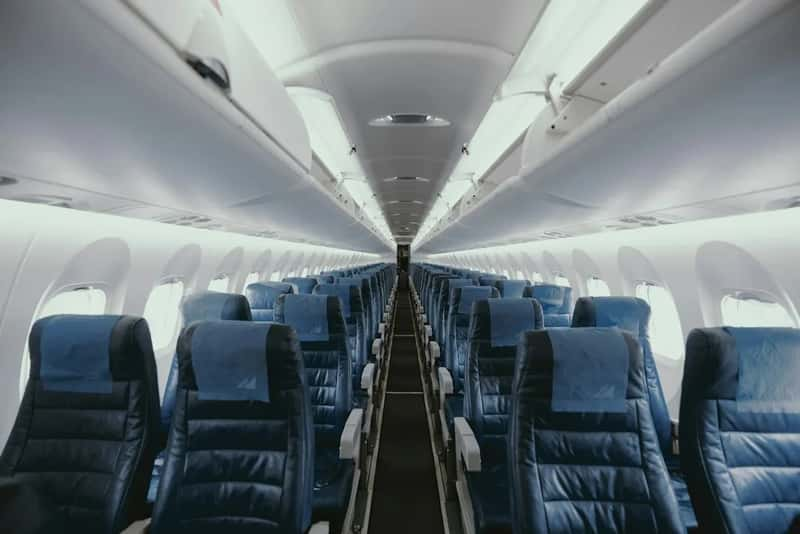
On longer international trips, premium economy is the cabin I’d look at first. It usually offers thirty eight to forty one inches of seat pitch, against about thirty one in economy, and sometimes a wider seat and a better meal.[2] On flights over eight hours, that’s a meaningful upgrade.[2]
The price gap to business class is large. On New York to London listings checked in early August 2026, premium economy often cost roughly half the business fare.[4] There’s a caveat for mileage users. On transatlantic awards, premium economy can cost as many miles as the cheapest business awards, so people paying with miles should usually target business class.[4]
International First Class Costs a Lot More Than It Adds
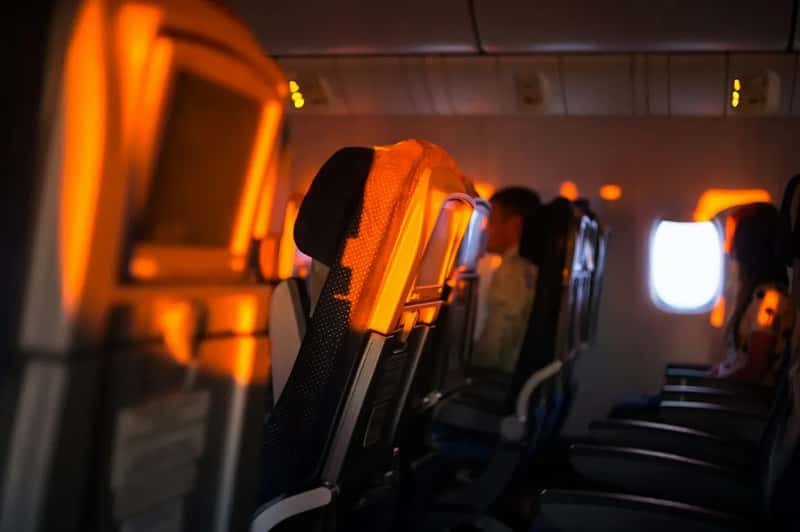
The gap between business and first class on long routes is large. One analysis puts a business class ticket at between $3,000 and $5,000, while first class tops $10,000.[5] Because business class now has lie flat beds and sliding doors, most passengers and companies won’t pay three or four times the price for first.[6]
One NerdWallet search shows how extreme the numbers can get. An American Airlines economy ticket from Los Angeles to Paris was $1,180, while first class on the same route was $18,606, almost sixteen times the price.[7] That’s a specific fare, not an average, but it shows where the top of the market sits.
Lounge Access Isn’t the Escape It Used to Be
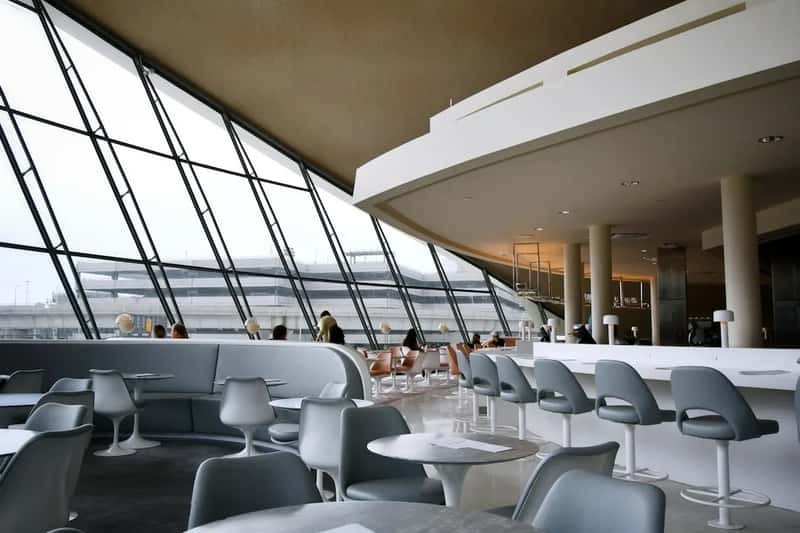
Lounge access is often the perk that justifies a premium ticket, and it has lost some of its shine. J.D. Power released a study on August 19, 2026, based on responses from 2,991 travelers who had visited a US airport lounge in the past year.[8] It found that 46 percent of guests said their most used lounge was moderately or severely crowded, and satisfaction fell sharply as density rose.[9]
Rules have tightened as well. Most lounges now enforce a three hour entry window, so arriving six hours early doesn’t get you in any sooner.[10] Lounges also don’t guarantee entry, even with valid credentials, since some manage capacity by turning travelers away.[11]
Airlines Have Good Reasons to Sell You the Front Cabin
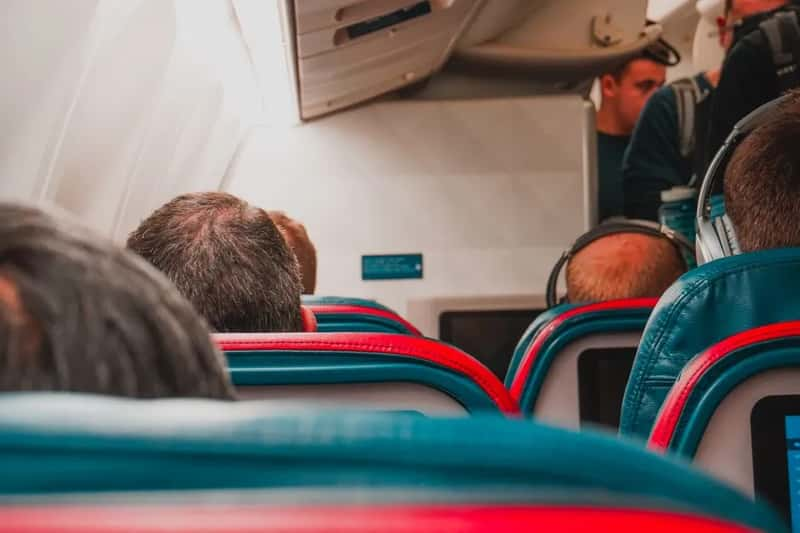
Premium cabins are where airlines are putting their money. Delta reported that premium cabin revenue rose nine percent year over year, while main cabin revenue fell five percent.[12] One industry outlet notes that premium economy revenues have even passed economy class revenues at Delta.[13]
That shift shapes what you see when you shop. Airlines are redesigning aircraft around their highest paying passengers rather than continuing the long push to make flying more accessible.[14] A prominent upsell doesn’t mean it’s the best value for you.
The Climate Cost Is Higher Up Front
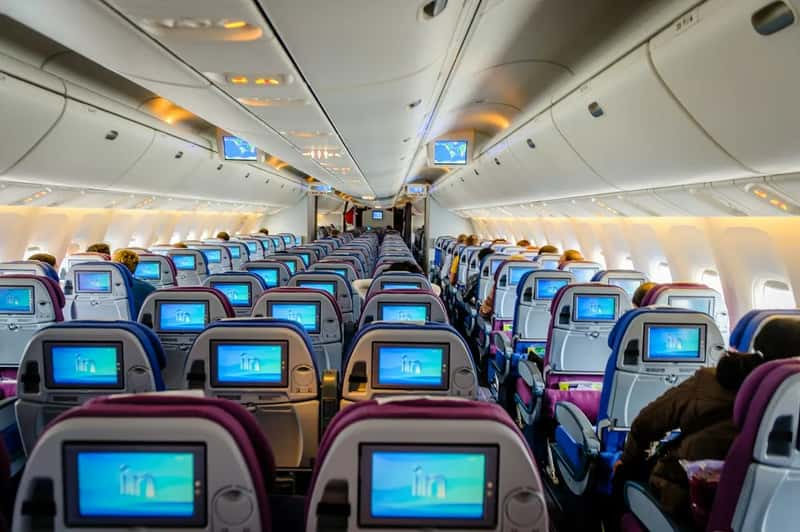
There’s a side of this that doesn’t show up on the fare. The International Council on Clean Transportation found that, depending on aircraft class, premium seating emits between 2.6 and 4.3 times more CO2 per revenue passenger kilometer than economy.[15] The reason is space: premium seating takes up more floor area, so it’s assigned a larger share of the fuel burn.[15]
The overall share is significant too. In 2019, premium passengers accounted for 179 million tonnes of CO2, nearly one fifth of commercial aviation emissions.[15] The exact multiple depends on method, since calculation methods differ and it’s hard to pin down the precise difference.[16] That data comes from 2019, so treat it as a benchmark rather than a 2026 measurement.
A Simple Way to Decide
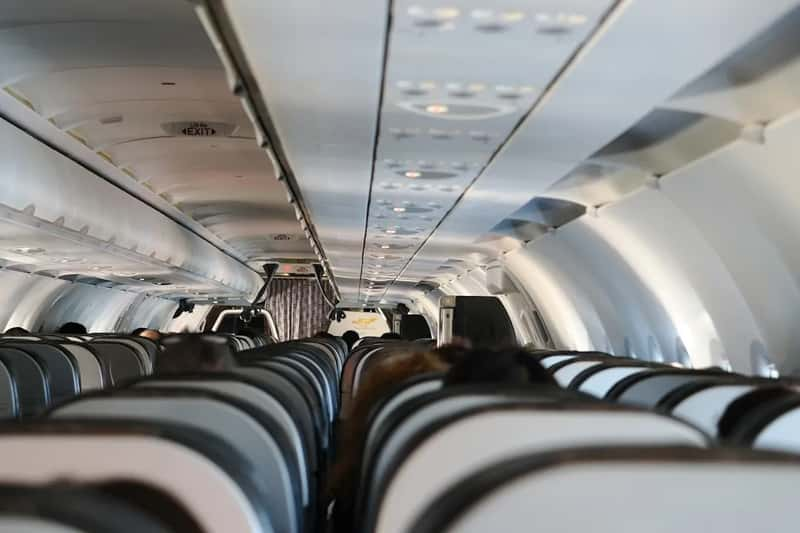
Start with the flight length and the price gap. On a short domestic trip, I’d skip first class and keep the money. Check whether an upgrade certificate, elite status or a cheap paid upgrade is available before paying full price.
On long overnight routes, compare first class with premium economy or business before you commit. Use the fifty dollars per hour benchmark as a reality check. If the gap is well above that, economy or premium economy is likely the better buy.