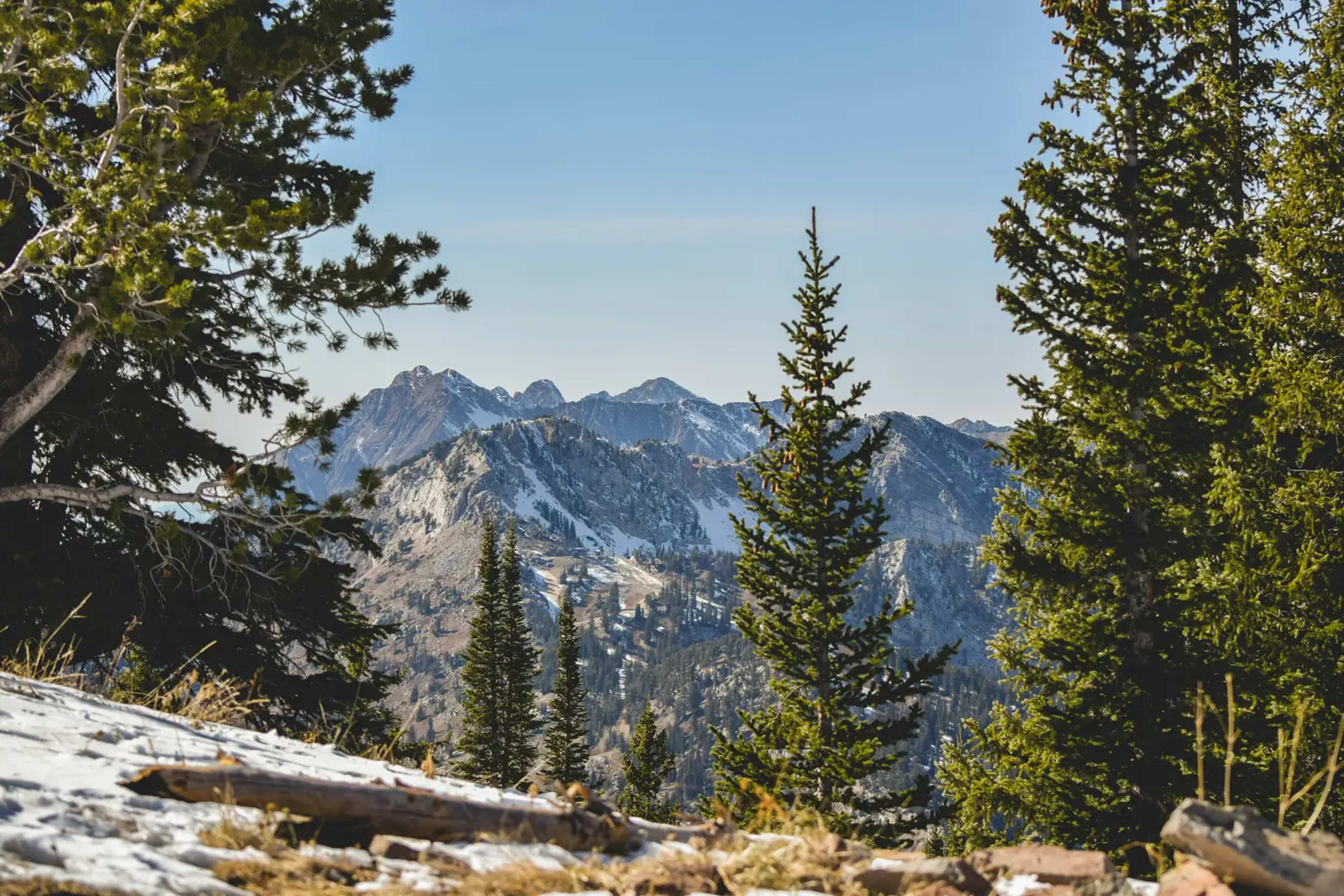
I had the Canadian Rockies pinned to my calendar for months. Flights half booked, a rough itinerary sketched out on a napkin, the whole thing. Then, somewhere between comparing hotel prices and reading one too many crowded-trailhead reviews, the plan quietly fell apart and something else took its place.
What follows isn’t a case against Canada. It’s more of an honest account of how a trip changes shape when you actually run the numbers, check the weather patterns, and pay attention to what the rest of the travel world is doing this year.
The original plan: a Canadian Rockies trip that fell through
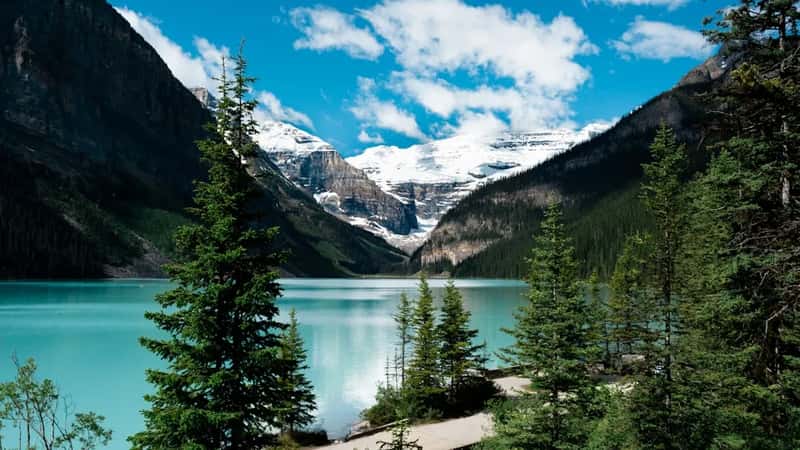
Banff and Lake Louise were the whole point at first. The Canadian Rockies had just been ranked the number one spot on Time Out’s list of best places to travel in 2026, and part of the appeal was a new wellness draw at Lake Louise itself. The Canadian Rockies ranked number one on the list of best places to travel in 2026, chosen for cutting-edge wellness after BASIN Glacial Waters opened in 2025 on Lake Louise following two decades in development.
On paper, it looked perfect. Mountains, a new thermal spa, glacier water the color of something out of a postcard. But the more I dug into logistics, lodging, and timing, the less straightforward it looked, and that’s really where the second-guessing started.
Doing the currency math changed everything
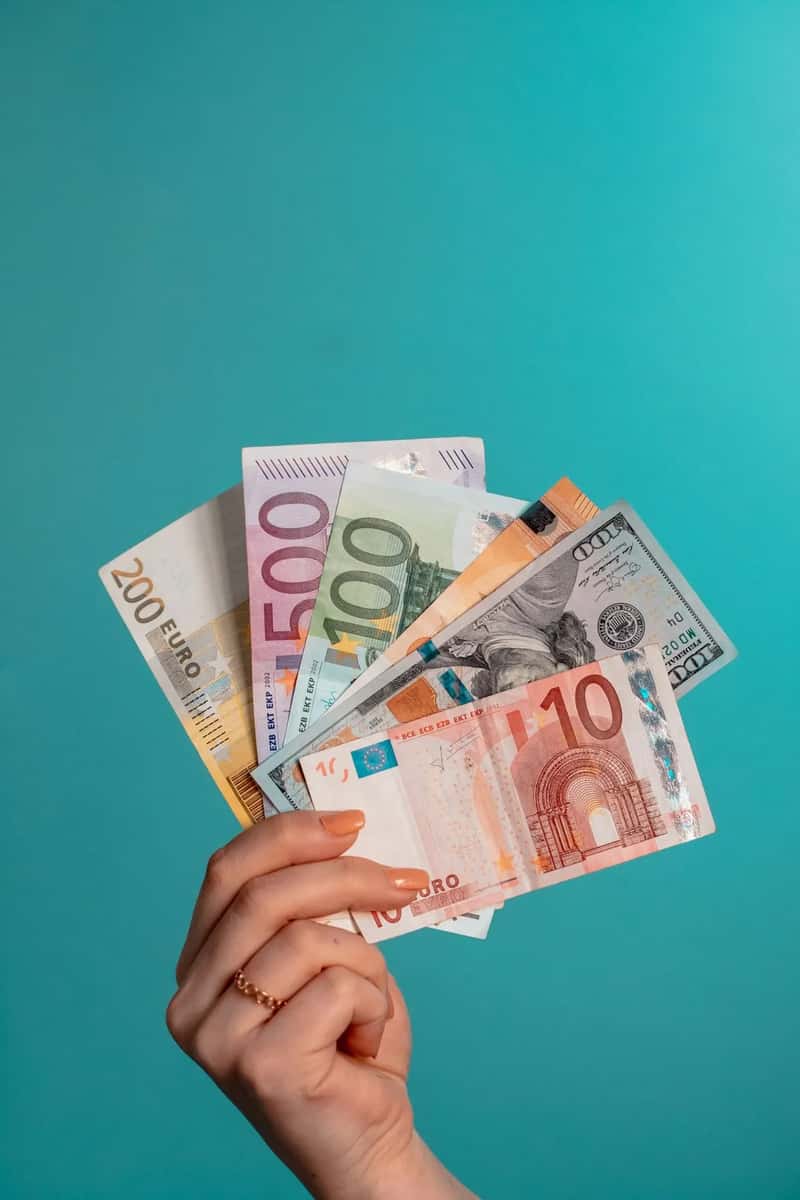
I sat down with a spreadsheet, which is never a fun way to spend an evening, and started comparing what a week in the Rockies would actually cost against a similar week somewhere else entirely. The exchange rate didn’t help. The Canadian dollar’s strength compared to other global currencies has made travel to Canada more expensive, especially for visitors from countries with weaker currencies, and this issue has become more pronounced in 2026 as rising inflation rates globally continue to add pressure on travelers’ budgets.
That single detail reframed the whole trip for me. It wasn’t that Canada suddenly became unaffordable, it was that every dollar I spent there stretched noticeably less far than it would somewhere with a weaker local currency and lower baseline prices. Once I saw the numbers side by side, it was hard to unsee them.
provinces reshuffles your sense of what counts as a reasonable trip. It also nudged me toward destinations that were seeing real momentum in flight demand rather than fighting for seats on routes that felt increasingly squeezed.
Overtourism worries at Banff and Lake Louise
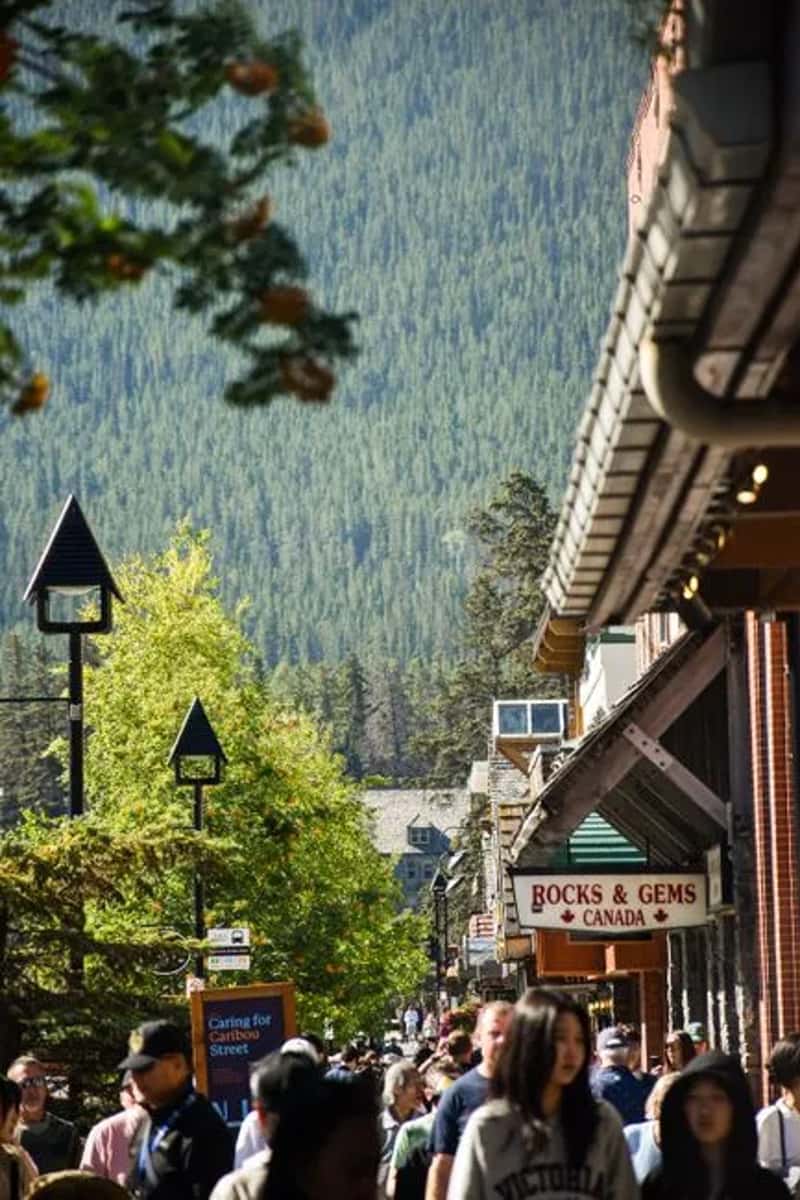
Part of what made me hesitate wasn’t cost at all, it was crowding. Parking lots that fill before sunrise, shuttle buses that require reservations weeks out, and viewpoints where getting an unobstructed photo means arriving before dawn are all fairly well documented realities of peak-season Banff.
None of that is a knock on the park. It’s simply popular for a reason, and popularity has consequences. I wanted a slower pace this year, somewhere I wouldn’t be racing a clock or a crowd just to see the thing I came to see.
Portugal’s rise on the radar
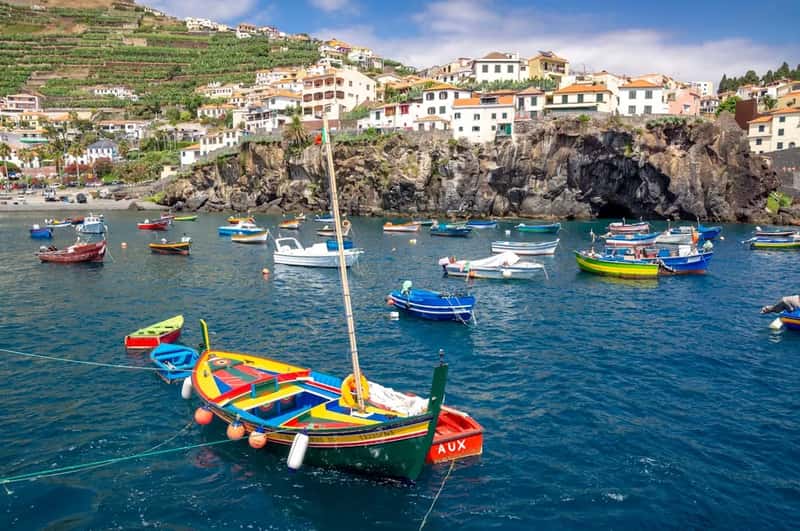
While I was hesitating on Canada, Portugal kept showing up in every trend report I read. Rather than Paris and London leading the surge, it was the destination dupes, with Portugal’s Azores topping Skyscanner’s trending list with a 209% spike in searches. Madeira, the other Portuguese island group, ranked as the top trending destination worldwide on Tripadvisor’s 2026 Travellers’ Choice Awards.
Madeira, Portugal, topped the list of Tripadvisor’s trending destinations in the world for 2026. That kind of momentum doesn’t happen by accident. It usually means good value, fewer crowds relative to demand, and a destination that hasn’t yet been fully discovered by the masses, which was exactly the combination I was chasing.
Weather made the decision easier
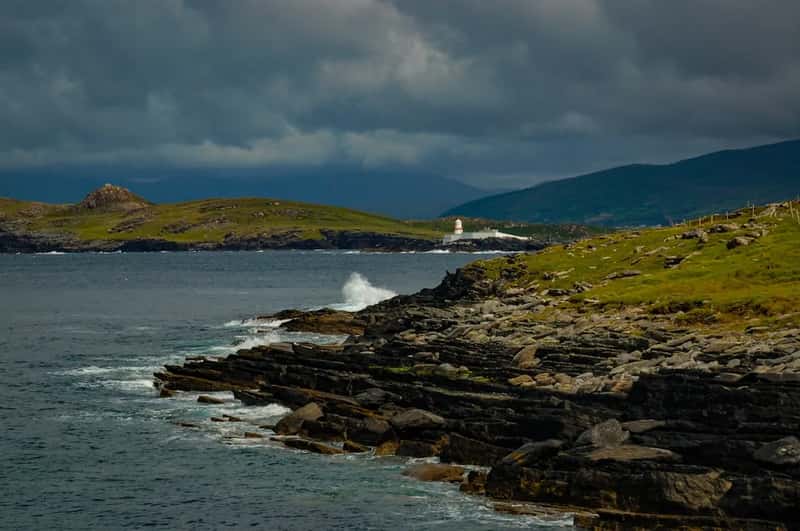
Mountain weather in western Canada is famously unpredictable, even in the warmer months. Trails close because of late snow, wildfire smoke can roll in without warning during summer, and a forecast that looks clear a week out can flip entirely by the time you land.
An island destination in the Atlantic, by contrast, offered a far more consistent climate window for the dates I had available. I wasn’t chasing guaranteed sunshine so much as fewer variables. After a year of unpredictable schedules elsewhere in life, that consistency felt like its own kind of luxury.
What arriving in Portugal actually felt like
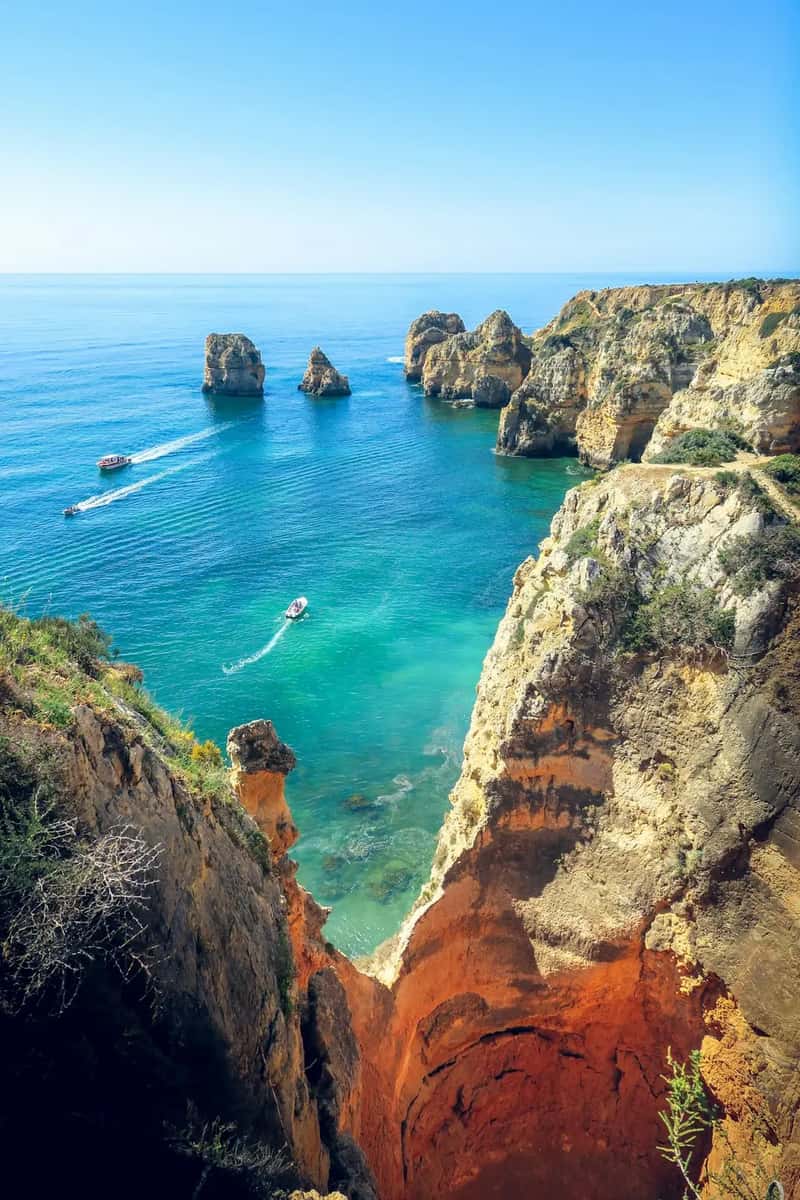
Landing on the islands after that whole back and forth felt almost anticlimactic in the best way. No border tension, no long customs lines, no sense of arriving somewhere that had been picked apart by too many visitors already. Volcanic landscapes, quiet coastal towns, and a noticeably slower rhythm to daily life set the tone almost immediately.
It also helped that everything from restaurant menus to local transportation felt genuinely built for the number of visitors actually showing up, rather than straining under demand it wasn’t designed for. That balance is hard to find in destinations experiencing a sudden surge in attention, and it made the whole trip feel unhurried rather than rushed.
The cost comparison after the trip

Once I got home and actually tallied receipts, the gap was bigger than I’d expected going in. Accommodation, meals, and local transport all came in well below what comparable choices in the Canadian Rockies would have cost during the same peak window, even accounting for the longer flight.
That’s not a universal rule, prices shift by season and destination every year. But for this specific trip, at this specific time, the math simply favored the alternative, and it favored it by a wider margin than a quick glance at flight prices alone would have suggested.
What I would still consider about Canada someday
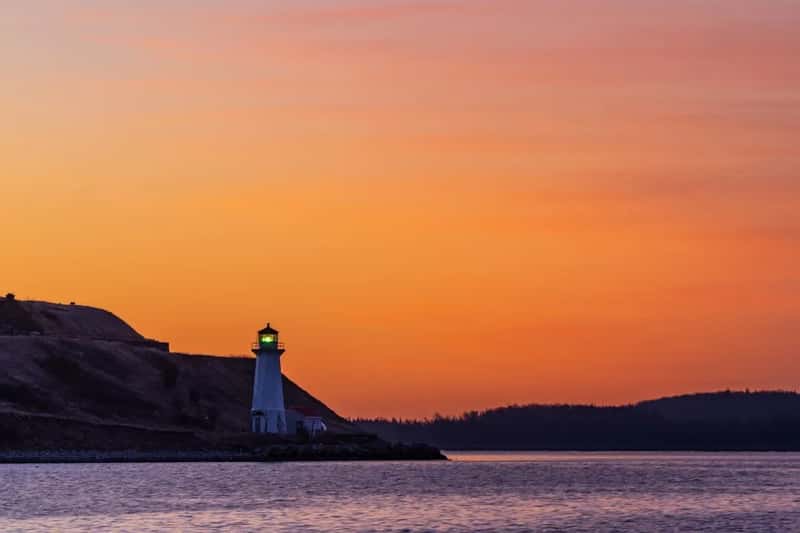
None of this means Canada is off the list permanently. The country is still producing genuinely compelling travel stories this year, including Halifax landing a spot among Tripadvisor’s top global destinations for 2026. Halifax, Canada, was named one of the top destinations for 2026.
A shoulder-season trip to Atlantic Canada, away from the mountain crowds and the currency squeeze I ran into out west, is genuinely appealing. It’s less about avoiding Canada altogether and more about timing the visit to match what actually works, rather than forcing a trip just because it was the original plan.
Final Thoughts

Choosing a different destination this year wasn’t a rejection of Canada so much as a response to a very specific set of numbers, seasons, and crowd patterns lining up against it at the wrong moment. The alternative delivered exactly what it promised: fewer lines, a friendlier budget, and a pace that matched what I actually wanted out of the trip.
Plans change for good reasons sometimes, and this was one of those years where following the math led somewhere better than the original itinerary ever would have.