I used to be the friend who pushed Cancun on everyone. Bachelorette trip? Cancun. Family reunion? Cancun. Cheap winter escape from a gray January? Obviously, Cancun. For years it felt like the safest recommendation I could make, an easy yes that never needed much explanation.
Lately, though, when people ask me where to go, I find myself pausing before I answer. It’s not one dramatic thing that changed my mind. It’s a pile of smaller shifts that, added together, made me start steering friends toward other spots in the region instead.
All-inclusive doesn’t mean all-affordable anymore
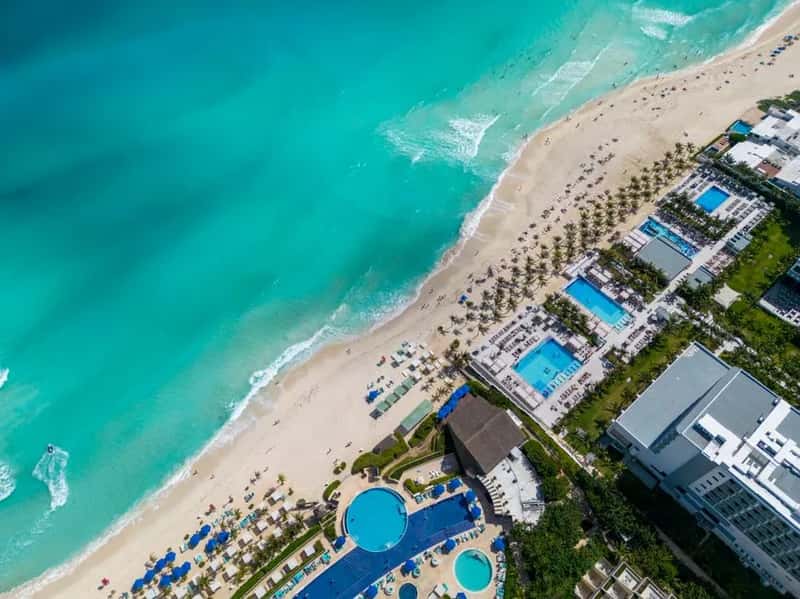
The whole point of an all-inclusive used to be predictability, one price and no surprises at checkout. That promise has gotten harder to keep as room rates climb across the Hotel Zone. A Dreams all-inclusive resort in Huatulco was running around 400 dollars per night in February 2026, while the same brand in Cancún cost between 420 and 805 dollars for the same dates.
It’s not just sticker prices. The lodging tax in Cancún rose from 3 percent to 5 percent, on top of an environmental fee and standard resort charges. Stack that on top of a room rate that’s already trending upward, and a supposedly budget-friendly trip starts looking a lot pricier than the brochure suggested.
The fee stack nobody warns you about upfront
Beyond the room rate itself, there’s a whole layer of government fees most first-time visitors don’t see coming. VISITAX, the state tourism tax, runs about 280 to 300 pesos, roughly 15 to 18 US dollars, per person, while the federal DNR fee runs about 983 pesos, roughly 53 dollars, per person in 2026. The DNR is usually buried in your airfare, but the VISITAX is on you to handle separately.
The enforcement has changed too, which is the part that catches people off guard. Authorities have implemented a checkpoint strategy at Cancun International Airport, with inspectors stationed at the bottlenecks before the security escalators, randomly selecting passengers to show their QR code, and pulling flagged travelers who haven’t paid out of line. Add the nightly environmental tax collected in cash at the hotel, and you’ve got three separate charges to track before you’ve even ordered a margarita.
A city that now runs at industrial scale
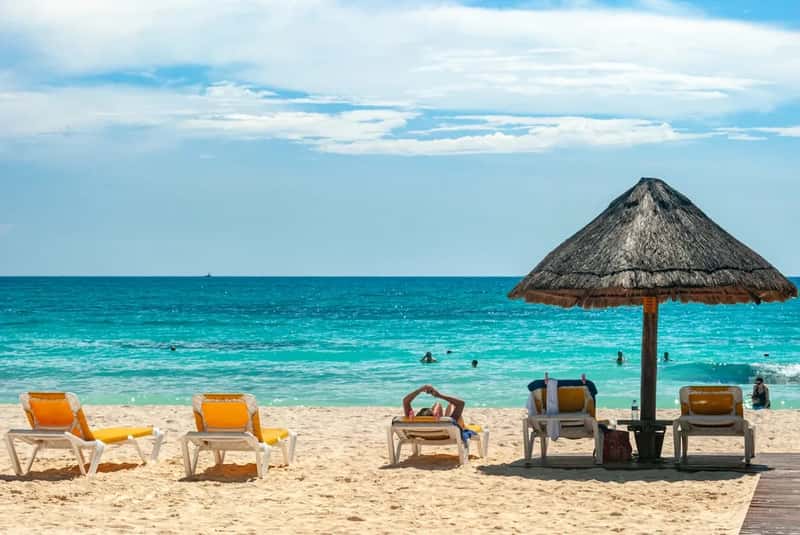
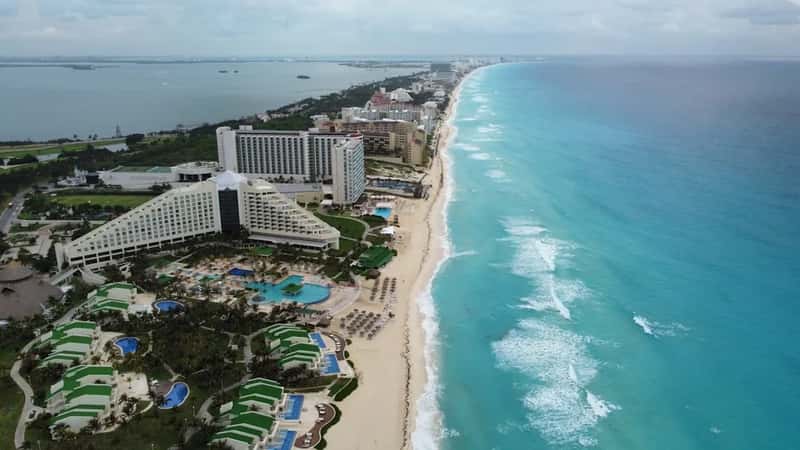
Cancun was always busy, but it’s operating on a different order of magnitude now. More than 29 million passengers traveled to Cancún and the Riviera Maya in 2025, with visitor numbers expected to increase further in 2026 thanks to major international events and additional flights. That’s not a quiet corner of the Caribbean anymore.
Occupancy numbers tell the same story from a different angle. Cancún hotels achieved an average room occupancy of 74.0 percent in November 2025, an increase of 1.5 percentage points compared with November 2024. Fuller hotels mean fuller beaches, longer waits at restaurants, and noticeably less breathing room than the marketing photos ever let on.
The timeshare pitch never really let up
I’ve walked out of Cancun’s airport more than once and been swarmed within seconds by people offering free breakfasts, discount tours, and cash bonuses. It’s always the same setup: a friendly opener that leads straight into a sales presentation. The timeshare industry operates throughout the Hotel Zone with documented high-pressure tactics: tourists are offered gifts, tours, or meals for attending a “brief” presentation that often lasts several hours and involves multiple closers.
What worries me more now is what happens after someone actually buys in. A network sanctioned by the U.S. Treasury in February 2025 was linked directly to the CJNG cartel, which has defrauded timeshare owners of over 288 million dollars, asking victims to pay upfront transfer fees, tax clearances, or legal deposits that are never returned. That’s not a pushy salesman anymore. That’s organized fraud aimed squarely at retirees.
Scams have gotten harder to spot before you even land

It used to be that the scams started once you stepped off the plane. Now a lot of the risk happens before you ever book a flight. Fraudulent websites mimicking real Cancun resorts or vacation package agencies collect full payment from tourists, then disappear before arrival, and authorities in Quintana Roo have identified up to 20 new fake hotel sites per month targeting Cancun visitors.
Cancun’s reputation in the fraud-tracking world has taken a hit too. Mastercard’s 2025 travel fraud index ranked Cancun among the highest globally for this type of pre-trip online fraud. If you’re not booking through a name you already trust, you’re rolling the dice on whether your reservation even exists when you land.
Safety is more nuanced than the headlines suggest, but that nuance takes effort
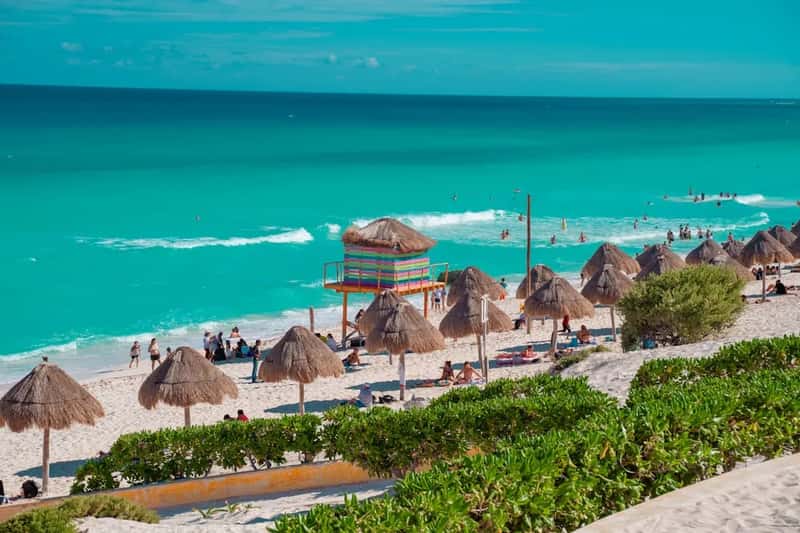
To be fair, the safety picture isn’t as dire as a scary headline can make it look. The Hotel Zone is one of the most actively policed tourist corridors in the Western Hemisphere, the crime numbers in the tourist area are lower than most major American cities, and the vast majority of the 35 million visitors who came to Cancun in 2025 completed their trips without a single incident.
Still, the advisory system requires context most travelers don’t bother digging into. Quintana Roo carries a Level 2 advisory, “Exercise Increased Caution,” which for context is the same rating given to countries like France, Germany, and the United Kingdom. Explaining that nuance to friends every single time someone asks “is it safe?” gets tiring after a while, and it’s part of why the destination feels like a harder sell than it used to be.
Stepping outside the resort walls costs more than it used to

One thing that surprised me on a recent trip was how much a simple night out had crept up in price. Restaurants across Cancun have been adjusting menu prices upward by 4 to 6 percent, and while it’s easy to assume that’s just a markup for the busy season, it’s actually tied to record-high inflation and the rising cost of ingredients and commercial real estate.
Transportation isn’t any friendlier to a budget. Taxis in the Hotel Zone have seen another surge in 2026, and a simple 10-minute ride to a restaurant can easily set you back 25 to 40 dollars. Once you factor that into a week of meals and outings, the all-inclusive bracelet starts to look less like a splurge and more like the only reasonable option.
Where I’d point my friends instead
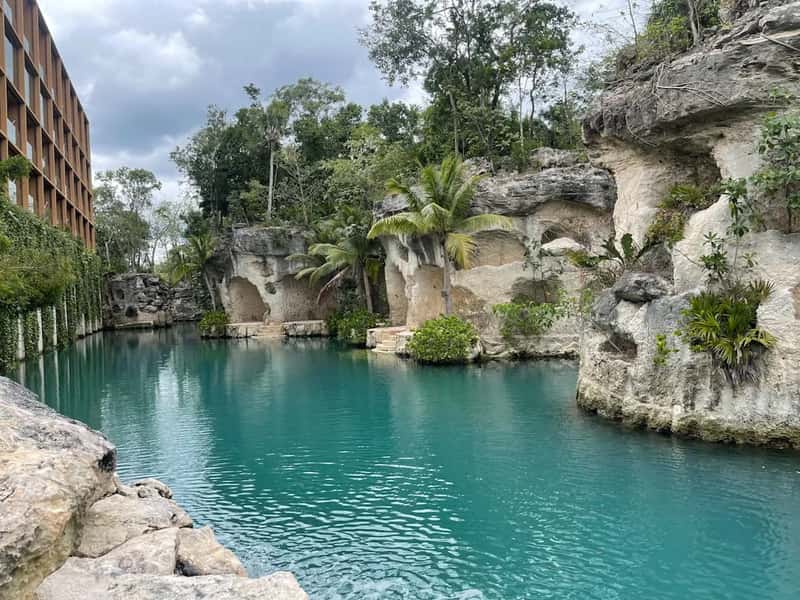
None of this means the wider region has lost its appeal. It’s more that Cancun specifically has stopped being the effortless, no-thought recommendation it once was for me. If someone still wants the Caribbean coast, I now suggest looking at spots built around inland water features instead of open-ocean beaches.
Properties like Hotel Xcaret Arte and Hotel Xcaret have created several inland beaches so guests can avoid major sargassum mats, and cenotes remain untouched no matter what the ocean is doing that week. Swimming in the sacred underground cenotes of the Yucatán Peninsula offers crystal clear freshwater with no seaweed, which honestly might be the best part of the whole region regardless of season.
What it would take for Cancun to earn its old spot back
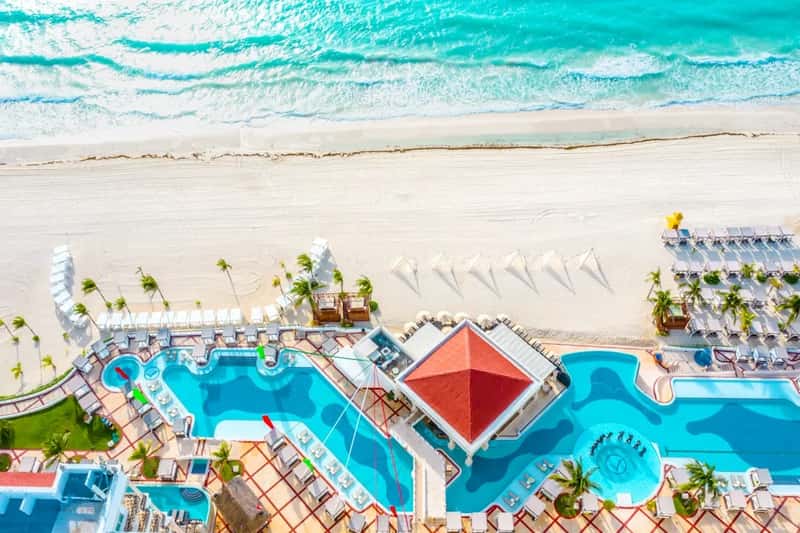
I don’t think Cancun is a bad destination, and I’m not telling anyone to cross it off entirely. I just don’t hand it out as the automatic answer anymore, the way I used to when a friend mentioned they wanted sun and a pool bar.
If the sargassum forecasts ease up, if the fee stack gets simplified into something more transparent, and if the scam landscape calms down a bit, I could see myself going back to recommending it without so many caveats attached. For now, my advice usually comes with a short list of things to check first, and that list keeps getting longer every year.