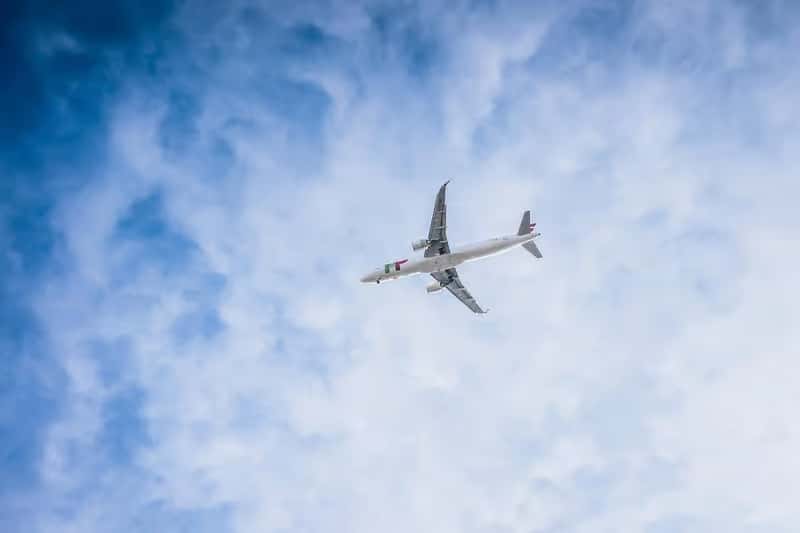
There’s a specific moment on a long flight when comfort stops being a luxury and starts being a survival tactic. Mine came somewhere over the Pacific, legs cramped, sleep impossible, still six hours from landing. That flight didn’t ruin my trip, but it changed how I book every long-haul ticket since.
The flight that made me rethink everything
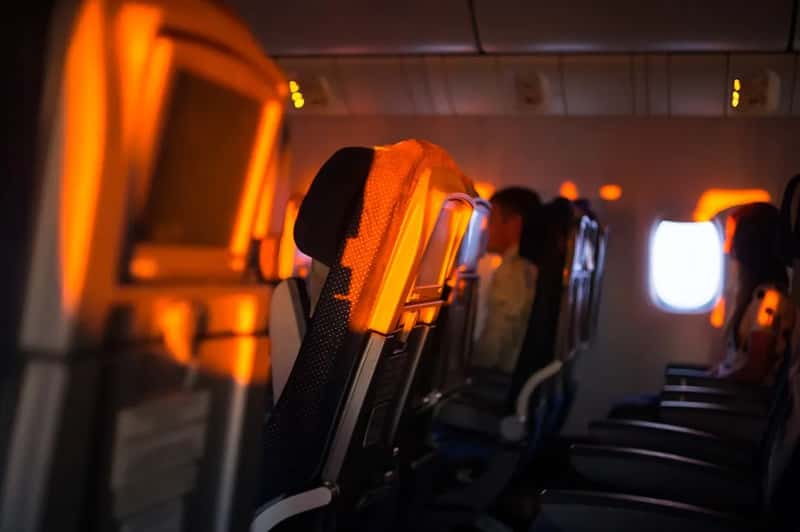
It wasn’t a dramatic disaster, just a fifteen hour haul in a middle seat with a broken recline button and a stranger’s elbow for company. I landed stiff, dehydrated, and useless for the first day of a trip I’d saved months to take. That single flight cost me more in recovery time than the ticket price difference to something better would have.
Looking back, it wasn’t really about the seat. It was about arriving somewhere new already running on empty. That’s the trade-off economy quietly asks of you on long routes, and once I noticed it, I couldn’t unsee it.
What long-haul economy actually does to your body
The health risks of sitting still for hours get exaggerated online, but they’re not fictional either. Research on long-haul flights found that flights of eight hours or longer roughly double the risk of calf vein thrombosis compared to non-travelers, with an absolute risk described in one prospective study as venous thrombotic events in 27 passengers (2.8%) and 12 controls (1.0%). Other reviews put the real world odds far lower, closer to 2 to 5 out of every 10,000 people who took a flight longer than 6 to 8 hours developing symptomatic clotting.
The CDC’s own travel guidance notes that five prospective studies conducted to assess the incidence of DVT after travel greater than 8 hours among travelers at low to intermediate risk for VTE yielded an overall VTE incidence of 0.5%. That’s not a reason to panic. It is a reason to move your legs, stay hydrated, and accept that being folded into a tight seat for half a day isn’t neutral for your body, even if the worst outcomes are rare.
The price gap isn’t as brutal as it used to be
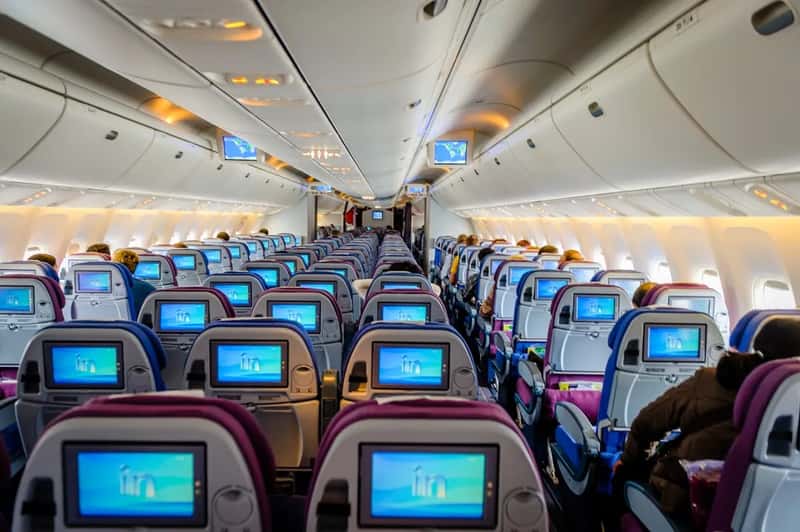
I assumed for years that skipping economy meant doubling or tripling my airfare. On some routes that’s still true, but the middle ground has gotten a lot more reasonable. Current pricing data shows economy fares on routes between the United States and Europe typically range from around $750 to $1,000 return, while premium economy generally falls between $1,200 and $2,000.
That puts the realistic gap at an additional $400 to $800 for premium economy over a standard economy ticket on many major intercontinental routes. Business class is a different story entirely, typically landing around $3,500 to $5,000. For me, premium economy became the sweet spot, close enough to affordable that I stopped feeling like I was overspending just to be comfortable.
Why premium economy became my default choice
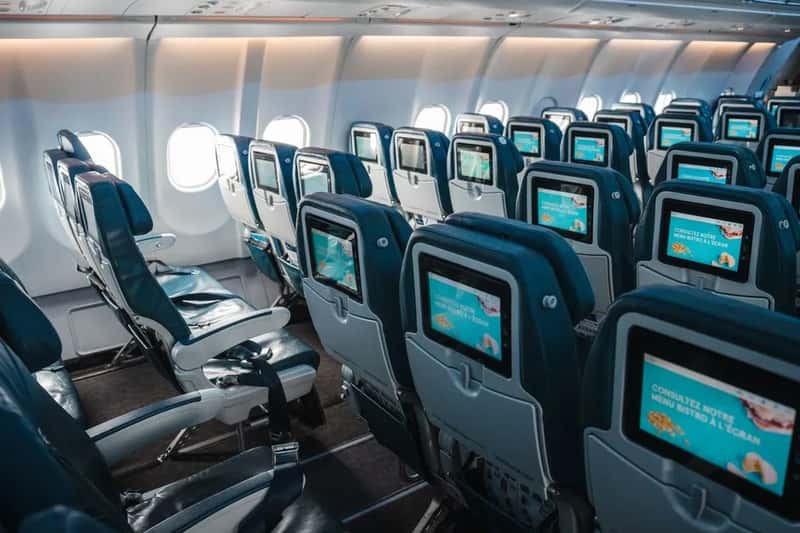
This isn’t just a personal preference, it’s become an industry trend that’s hard to ignore. Premium economy is now the fastest growing class, having grown by 8% in recent years, ahead of economy’s 5.9% growth. Airlines have noticed too. Lufthansa has reportedly said the cabin generates 33% more per square foot than economy class and 6% more than business class.
Seat specifications back up why it feels different in the air. Modern premium economy seats typically come with widths of 19-21 inches and pitch of 38 inches, which sounds modest until you’ve spent a red eye in standard economy’s tighter confines. It’s not business class, but it stops the flight from feeling like an endurance test.
How I use points and miles to close the gap further

The cash price is only half the equation for me now. I redirect credit card points and airline miles specifically toward premium cabins rather than hoarding them for “someday” upgrades that never materialize. Award availability in premium economy tends to open up more predictably than in business class, especially on routes where airlines are actively expanding the cabin.
I’ve also learned to treat elite status and co-branded card perks as part of the long-haul budget, not a bonus. A free checked bag or lounge pass doesn’t sound dramatic, but stacked together across a trip, they quietly offset a meaningful chunk of the fare difference. It’s less about chasing luxury and more about being deliberate with the miles I already earn from everyday spending.
Timing the booking matters more than people think
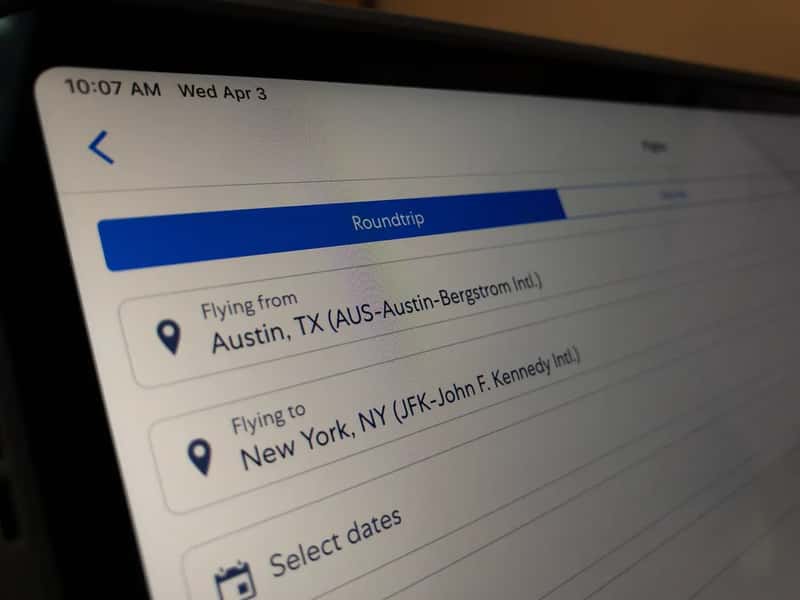
One thing that surprised me once I started paying closer attention was how much booking timing shifts the price gap between cabins. Data on pricing patterns shows that booking well in advance can narrow the price gap between economy and premium economy, while last-minute bookings tend to do the opposite, since premium seats are limited and often in high demand. Seasonality plays a role too, and it’s not subtle.
During peak travel windows, the gap can widen sharply. Reports on seasonal fare shifts note that during summer transatlantic travel or Christmas routes to Asia, premium economy fares can rise by as much as 100%, while economy fares may increase by only 30 to 40%. I’ve since shifted to booking premium cabins three to six months out whenever possible, rather than waiting and hoping for a deal.
The onboard details that actually change a long flight
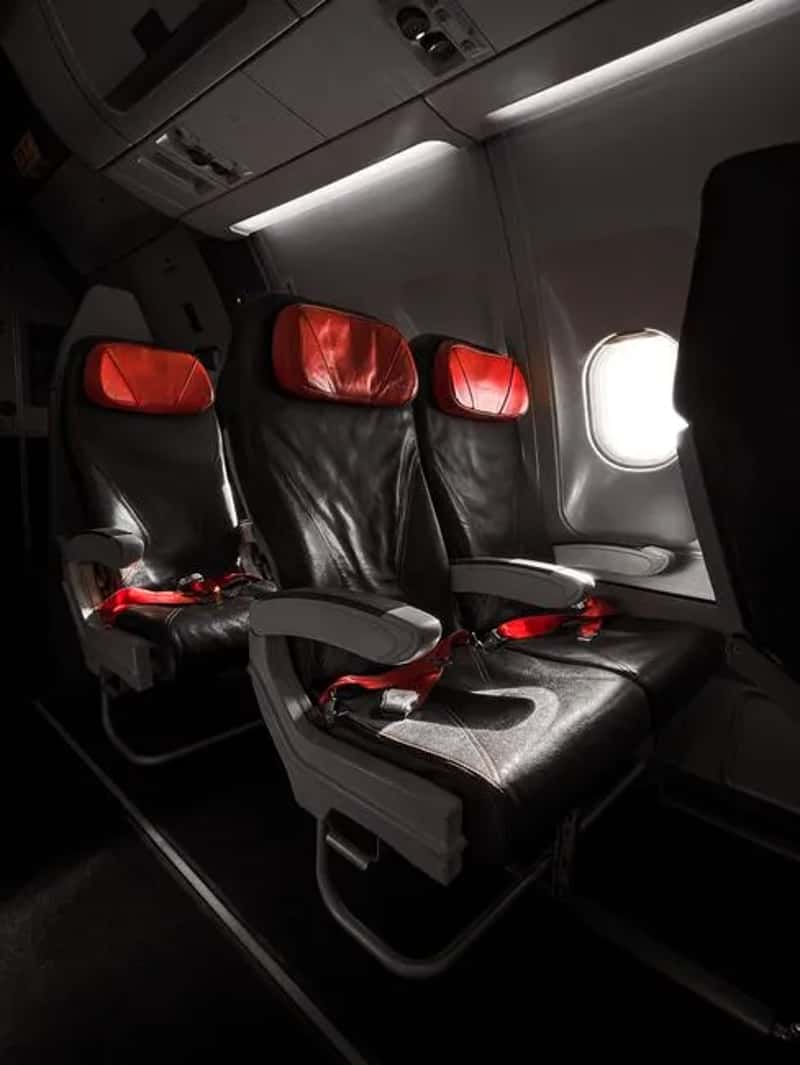
It’s easy to assume the appeal is just a few extra inches of legroom, but the service differences add up more than I expected. Premium economy typically includes dedicated cabin crews, improved meal options, and a wider selection of drinks, along with better quality entertainment systems, noise canceling headphones, power outlets, and more substantial pillows and blankets. None of that sounds dramatic in isolation.
Together, though, it changes the rhythm of a long flight. Being able to actually sleep with a proper headrest wing, or eat something that doesn’t feel like an afterthought, makes the arrival feel less like recovery and more like the start of the trip. Airlines have picked up on this shift in expectations, with newer aircraft increasingly built around it from the start.
Where economy still makes sense for me
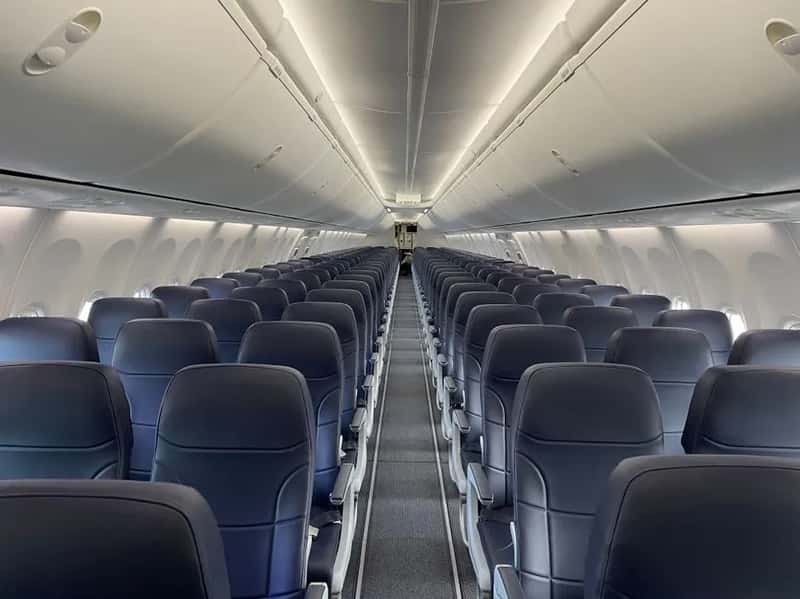
I haven’t sworn off economy entirely, and I don’t think that’s necessary. For flights under five or six hours, the comfort gap narrows enough that paying extra rarely feels worth it. Short domestic hops or quick regional connections still go in the standard cabin without a second thought.
The line I draw is roughly tied to overnight flights and anything crossing multiple time zones. If I’m expected to function the next day, whether for work or simply to enjoy the first morning of a trip, that’s when the upgrade earns its cost. It’s a practical threshold, not a rigid rule, and it keeps my travel budget from ballooning unnecessarily.
The airlines actually investing in this shift
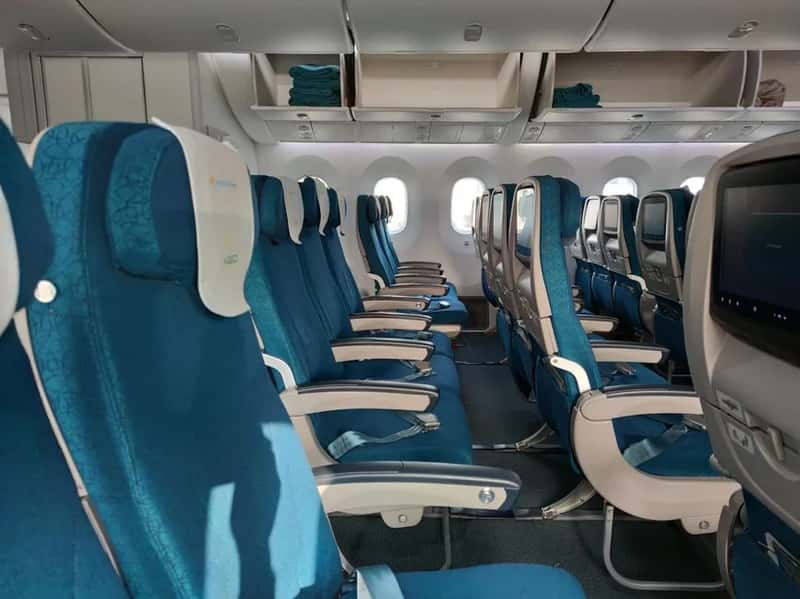
Not every carrier treats premium economy the same way, and the differences are becoming more visible. Major carriers have reported strong momentum here, with Delta Air Lines, United Airlines, and American Airlines all reporting strong growth in demand for premium seating, consistently emphasizing that premium cabins are now the primary drivers of airline profitability. United in particular has been aggressive about it, with plans to increase its domestic premium seat count by 75% versus pre-pandemic levels by the end of 2026.
On the international side, carriers like Emirates and Singapore Airlines have leaned in just as hard, and even long-time holdouts are catching up. Turkish Airlines, for instance, is relaunching its premium economy after a 12-year hiatus on long-haul flights in 2026. When I’m choosing a carrier now, I check which airline treats the cabin as a real product rather than a marketing label slapped onto slightly wider economy seats.
What this shift says about long-haul travel right now
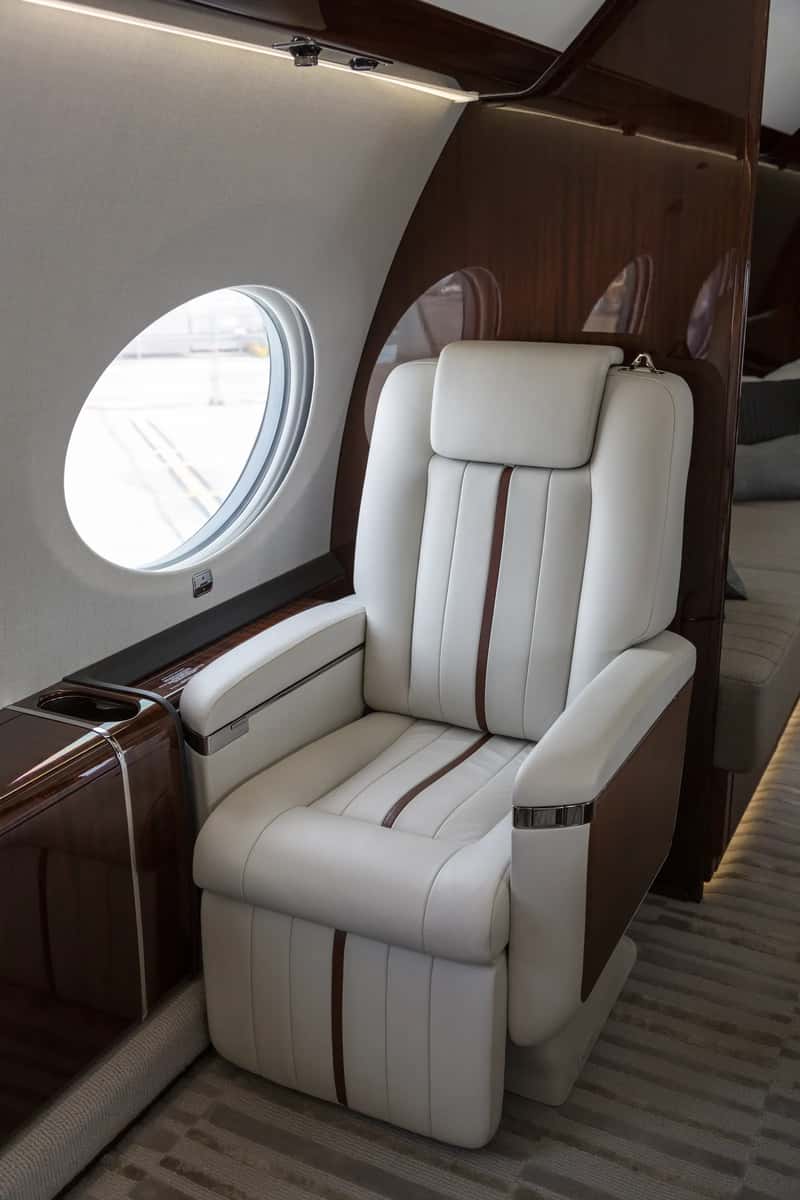
My own change in habits lines up with a broader pattern across the industry. Since the pandemic, IATA data shows premium airline traffic growth consistently outpacing economy travel, and that’s not a temporary blip driven by a handful of frequent flyers. It reflects a genuine recalibration of what people are willing to pay for on longer journeys.
The broader forecast supports that this isn’t a passing trend either. Industry analysis expects premium economy to account for a substantially larger share of long-haul capacity throughout 2026 and beyond. Whether that’s driven by comfort, practicality, or simply more disposable income chasing better journeys, the direction is fairly clear.
Final thoughts
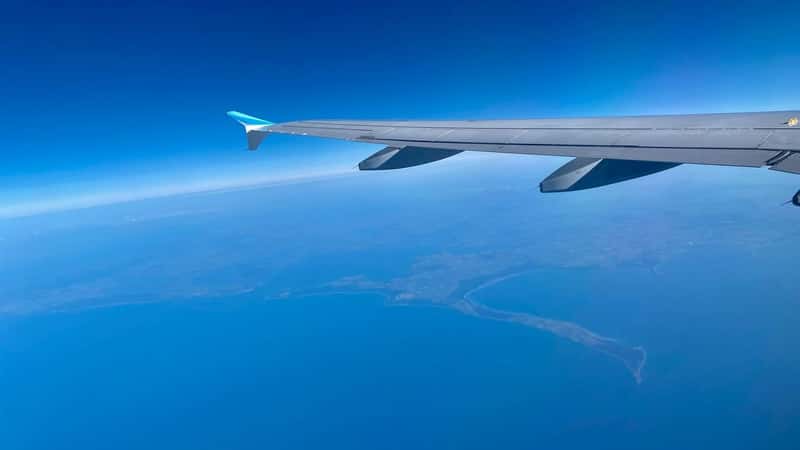
Stepping away from economy on long-haul routes wasn’t a grand statement about luxury travel. It came down to a simple realization that the first day of a trip matters, and arriving exhausted quietly steals from it. Premium economy, paired with smarter use of points and better timing, turned out to be the most reasonable way to protect that first day without overspending.
I still fly economy plenty, just not on the flights where sleep and recovery actually matter. That distinction, more than any seat map or airline loyalty program, is what changed how I travel long distance for good.