For two decades, cruising was my default vacation. Unpack once, wake up somewhere new, and let someone else handle the logistics. It worked for a long time, and I won’t pretend it didn’t.
Then the trips stopped feeling the way they used to, and the things I was reading stopped helping. This isn’t a rant against cruising or against anyone who loves it. It’s a record of why the format stopped fitting me, backed by the numbers I found, and of what I’ve been doing with my vacation time since.
The Industry Has Never Been Bigger
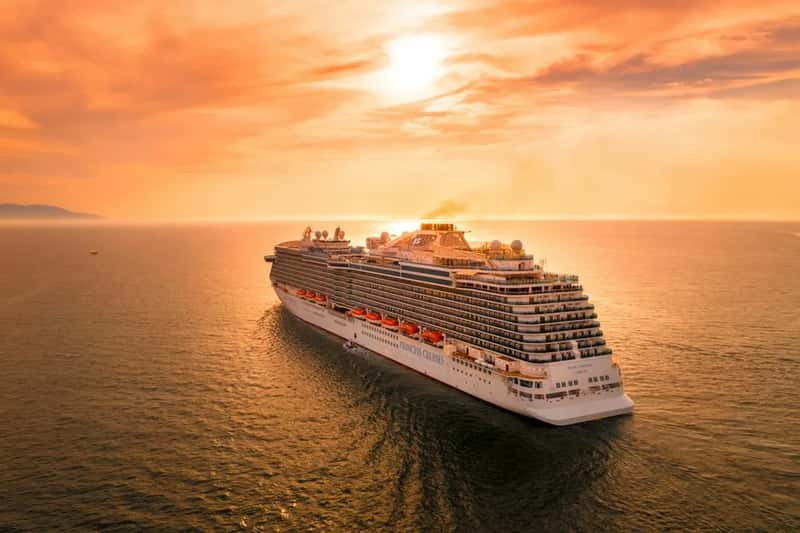
Cruising isn’t fading. Global cruise passenger volume reached a historic high of 37.2 million in 2025, according to the Cruise Lines International Association (CLIA).[1] CLIA expects 38.3 million passengers in 2026.[2] That’s a lot of people choosing the same product I used to love.
Supply is growing to match. CLIA’s quick facts list 81 new cruise ships on order between now and 2036, and global volume is expected to reach 42.1 million in 2029.[2] Bigger fleets don’t automatically mean a worse trip. For me, though, the scale was part of why the experience felt less personal than it once did.
Crowds Followed Me Onto the Ship and Into Every Port
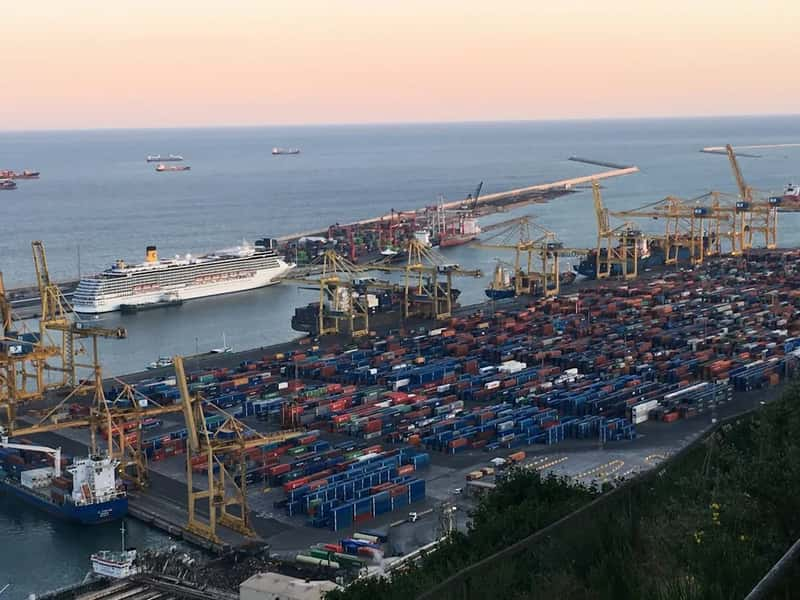
On a ship, crowding is manageable because the cruise lines are good at moving people around. The pressure shows up more in port, where thousands of passengers step off at the same time and head for the same handful of sights. In Barcelona, the tourism consortium says most passengers come ashore in the morning, tour the city, and return by late afternoon.[3] Everyone gets the same few hours.
That pattern is hard to enjoy once you notice it. The Port of Barcelona, Europe’s biggest cruise port, reported 1.6 million cruise passengers “in transit” in 2024.[3] I started to feel more like part of a crowd flow than a visitor, and I couldn’t unsee it.
Cities Are Starting to Push Back
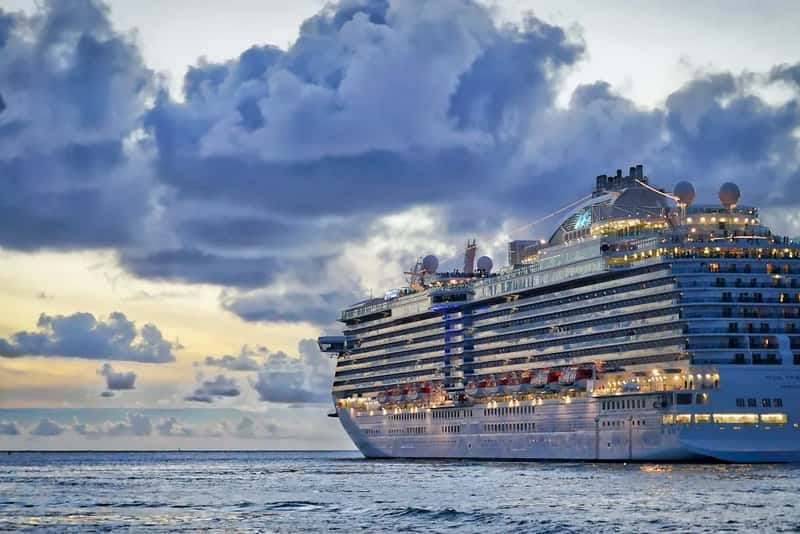
I’m not the only one noticing. From 2026, Passenger Terminal Amsterdam is limited to 100 ocean cruise calls a year, down from as many as 190 under the earlier rules.[4] From 2027, ships docking there will have to use shore power so they can switch off their engines while berthed.[5]
Other ports are acting too. Barcelona is cutting its cruise terminals from seven to five, which lowers its maximum cruise capacity from 37,000 to 31,000 passengers per day.[4] Reporting on Cannes says rules effective from January 2026 admit only ships carrying under 1,000 passengers, with total daily cruise visitors capped at 6,000.[6] Cruising isn’t going away in Europe, but it feels less welcome than it used to. I didn’t love being a guest in places that were openly trying to manage how many of us arrive.
The Environmental Math Stopped Adding Up for Me
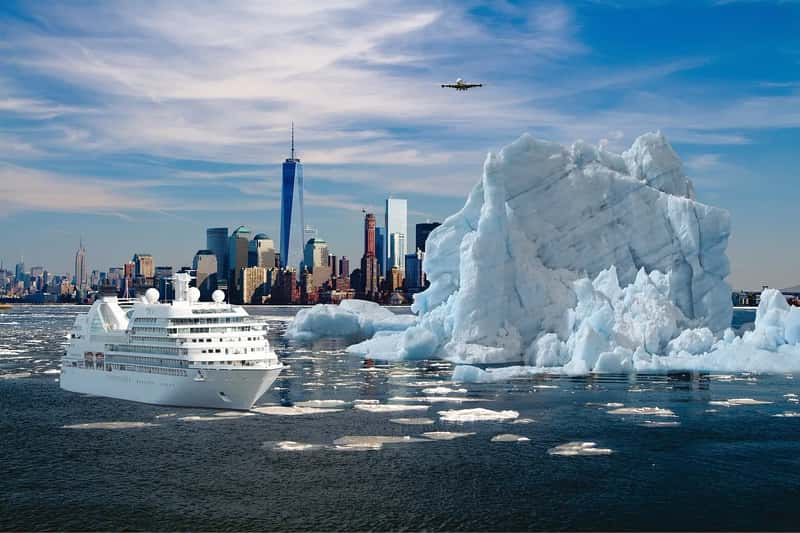
I tried for years to ignore this part. Then I read the comparisons. Transport & Environment, a European advocacy group, estimates that a cruise passenger emits twice as much CO₂ as a tourist who flies to a destination and stays in a high-end hotel.[7] It’s an advocacy group’s analysis, so I treat it as a strong signal rather than the final word. Even so, it’s hard to shrug off.
Local air quality matters too. Venice was Europe’s most cruise-polluted port in 2019 and dropped to 41st after a ban on large cruise ships, which led to an 80% fall in sulphur oxide emissions.[8] That shows policy can make a difference. The industry says it’s moving in the right direction, and CLIA says its members are adopting more efficient operations and cleaner fuels.[9] Still, the pace didn’t match how I wanted to spend my own vacation days.
Shared Air, Shared Surfaces, Shared Stomach Bugs
I’ll be fair here, because the risk is easy to exaggerate. CLIA says illness on cruise ships is extremely rare.[10] The CDC also notes that outbreaks are found and reported more quickly on a cruise ship than on land.[10] Ships are simply tracked more closely than hotels or restaurants.
Still, the trend caught my attention. The CDC posted 23 cruise ship gastrointestinal outbreaks in 2025, up from 18 in 2024 and 14 in 2023, with norovirus behind 18 of the 23.[11] The CDC posts an outbreak when 3% or more of passengers or crew on a ship report symptoms.[11] A CDC study of ships from 2006 through 2019 found illness rates were higher on larger ships and on voyages longer than seven days.[12] I’d been taking long voyages on big ships, so that finding hit home.
Port Days Stopped Feeling Like Real Travel
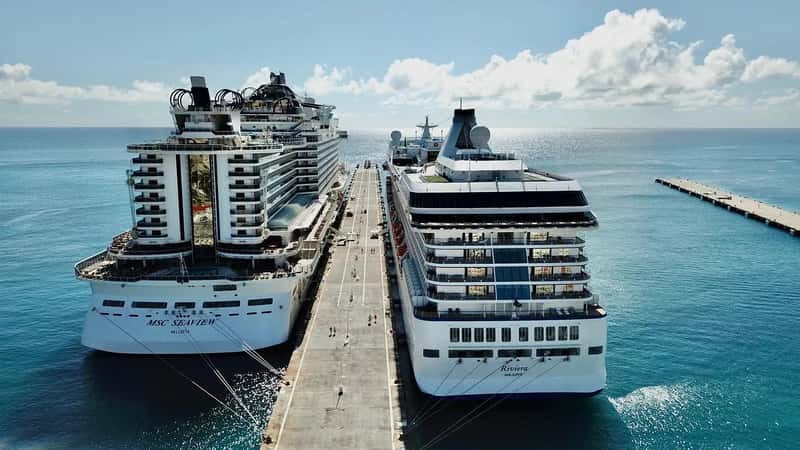
This one is personal, and the evidence is just my own experience. A cruise gives you a taste of ten places and a real relationship with none of them. You see the main square, grab a lunch near the dock, and you’re back on board before the evening starts. That’s where a place actually comes alive.
I also found I was packing my days to get my money’s worth, which defeated the point of a relaxing trip. Early on, that rhythm felt like freedom. Over time it felt like sightseeing on a timer, and I wanted trips where I could wander without checking the clock for the all-aboard time.
What I Do Instead: One Base, Longer Stays

My main replacement is simple. I pick one town or city and stay a week or more, ideally in an apartment or a small hotel. I shop at a local market, find a regular café, and learn which street has the good bakery. Getting a feel for one place feels richer to me than collecting ten stamps.
The rhythm is the opposite of a cruise itinerary. There’s no daily schedule, and if it rains I’m not losing a rare port day. Cities that are trying to manage cruise crowds also tend to be wonderful once you stay beyond the day-trip window. That’s when the neighborhoods quiet down and you see what residents see.
Trains, Ferries, and Smaller Boats When I Want to Move

I still like the idea of traveling without constantly changing hotels, so I look for slower ways to get around. Regional trains and public ferries give me the sense of movement I used to get from a ship, without the crowds. I’m choosing them partly because the comparison data on emissions made me want to travel differently. I don’t have a precise figure for how much I’ve saved, so I won’t claim one.
When I do want time on the water, I look at smaller operators. Barcelona’s own port president has said the city wants to prioritize homeporting cruises and small-ship cruises[13], which suggests I’m not alone in seeing that smaller scale makes more sense. It’s still not a perfect answer, and I’d check any operator’s environmental practices before booking.
The Verdict After Twenty Years
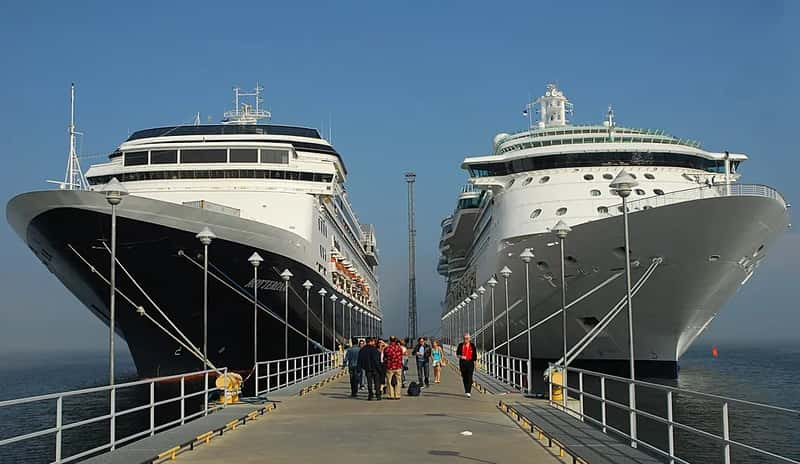
I haven’t sworn off cruising forever, and I understand why nearly 90% of cruisers say they intend to sail again[1]. For some people, especially those with mobility limits or big family groups, it’s still the easiest way to travel. My reasons are specific to me: the crowds, the pressure on ports, the environmental footprint, and the fact that I wanted deeper trips.
What I took from the last few years is that travel works best when it matches how you actually want to feel. Twenty years of cruises taught me what I like, and it turned out to be fewer places, seen more slowly. That’s a trade I’m happy with.