A cruise ship can drop several thousand passengers onto a small waterfront in a single morning. For years, ports welcomed that, because the spending was easy to count. Residents were counting other things, like queues, noise and crowded pavements.
Now a number of European destinations have turned those complaints into rules. Some cap the number of ships, some cap passengers, and some are tearing down terminals or pushing the biggest vessels out of the centre. The seven places below show how different those approaches can be.
Amsterdam Caps Ocean Cruise Calls at 100 a Year
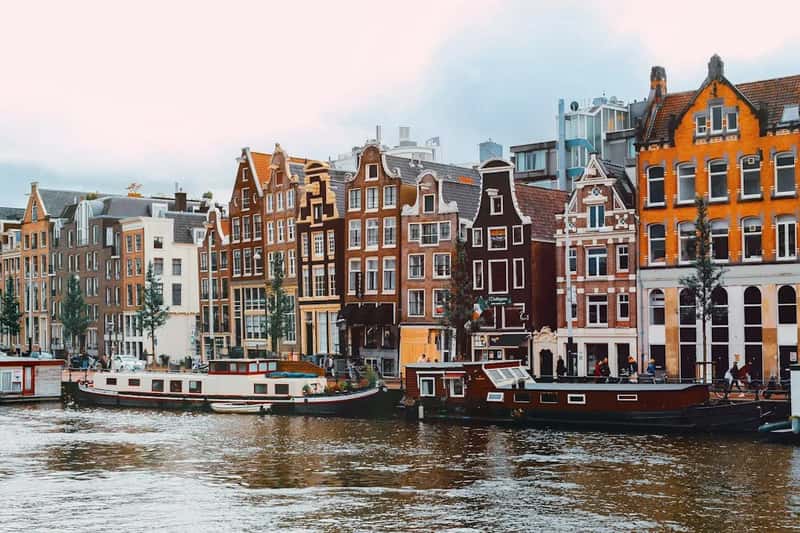
Amsterdam has one of the clearest limits in Europe. From 2026, Passenger Terminal Amsterdam is subject to a limit of 100 ocean cruise calls a year.[1] The earlier rules permitted as many as 190 sea cruise calls annually.[2] Since July 2024, the terminal has also been limited to a single berth daily.[3]
The longer plan goes further. The city intends to relocate its passenger terminal outside the city centre by 2035.[4] By 2027, all docking ships will be required to use shore side power.[3] Cruise passengers pay a day tourist tax as well, set at €15 per passenger in 2026.[5] With fewer slots downtown, a growing number of large ocean ships now dock at the Felison Cruise Terminal in IJmuiden or at Coenhaven, west of the city centre.[6]
Barcelona Trims Its Terminals and Daily Capacity
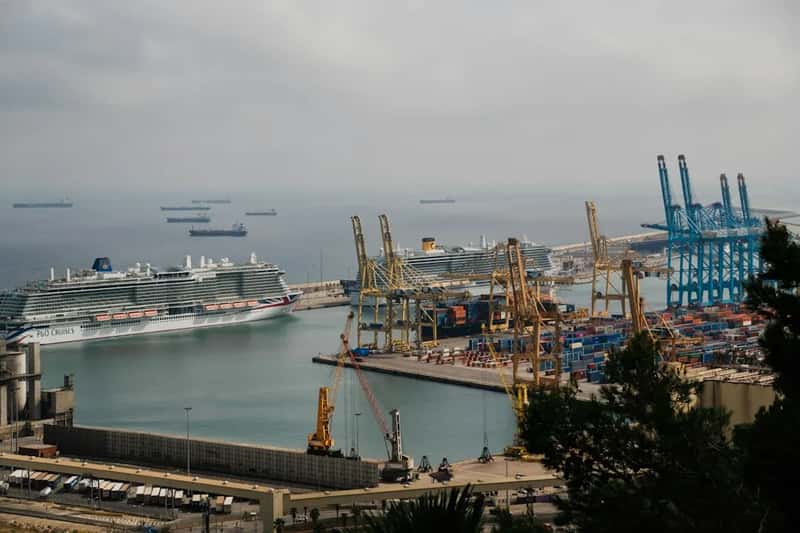
Barcelona is Europe’s best known example of moving cruises away from the urban core. The northern World Trade Center terminal, which sat in front of Maremàgnum and Rambla de Mar, was closed in 2023.[7] Under a 2025 agreement, the World Trade Center’s Terminal Sud will close for cruise ships at the end of 2026.[7] The mayor pointed out that cruise passenger numbers rose by 20% between 2018 and 2024[8], because the earlier protocol set no capacity limits.
The new deal reduces the number of terminals at the Adossat wharf. The central element of the protocol is the reduction from seven to five cruise terminals.[9] The change will cut Barcelona’s maximum cruise capacity by 16%, from 37,000 to 31,000 passengers per day.[10] The rebuilt Terminal C is scheduled to open in 2028, though it won’t be at full capacity until 2030.[11] It is meant mainly for ships that start or end their voyages in Barcelona, along with smaller vessels.
Santorini Puts a Ceiling on Daily Cruise Passengers
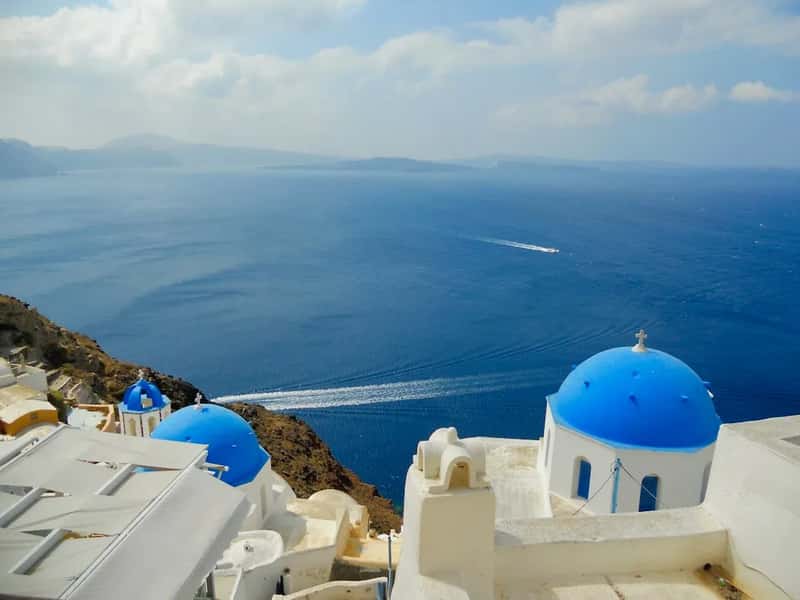
Santorini’s rule is built around a single number. The headline measure is a hard daily cap of 8,000 cruise passengers, introduced in 2025 and tightened for 2026.[12] Before it existed, day visitor surges reached 11,000 to 17,000 on some days.[12] The cap only covers cruise passengers, so air and ferry arrivals remain uncapped.[12]
The 2026 tightening came from a change in how ships are counted. In 2025 the port assumed 80% occupancy for each ship, and in 2026 that assumption rises to 100%.[12] That means a ship with 3,000 berths now occupies 3,000 of the 8,000 daily slots rather than 2,400.[12] A ranking system decides who gets a slot, and lower ranked calls are shifted to alternate dates[12] when a day fills up. Passengers also pay a levy, which is €20 per person in peak season, from 1 June to 30 September, at Santorini and Mykonos.[13]
Cannes Bars Large Ships From Its Harbour
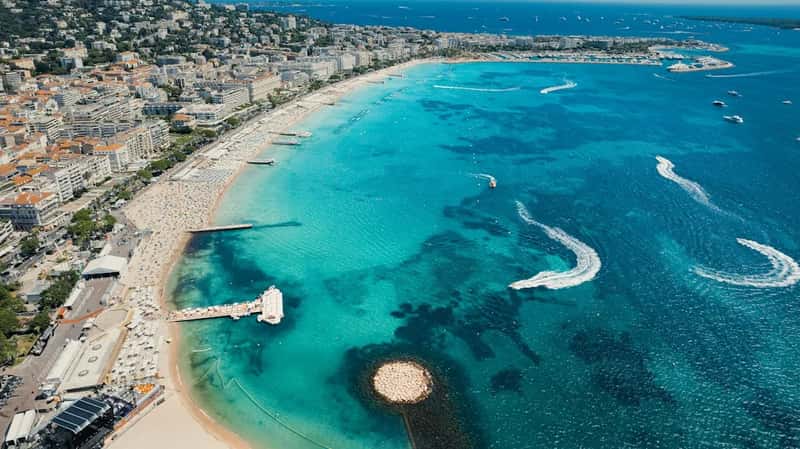
Cannes chose a size limit rather than a call count. From January 1, 2026, it bars ships over 1,000 passengers from its dock and limits arrivals to 6,000 cruise passengers a day.[14] The council vote took place in June 2025, and it made Cannes the third city along the French Riviera to move against large cruise ships.[15]
The numbers explain the urgency. Cannes logged about 175 cruise calls and 460,000 cruise passengers in 2022, in a city of around 75,000 residents.[14] A 1,000 passenger ceiling excludes nearly every mainstream ocean liner. The rule leaves room mostly for small luxury and expedition style vessels.
Venice Keeps Big Ships Out of the Lagoon
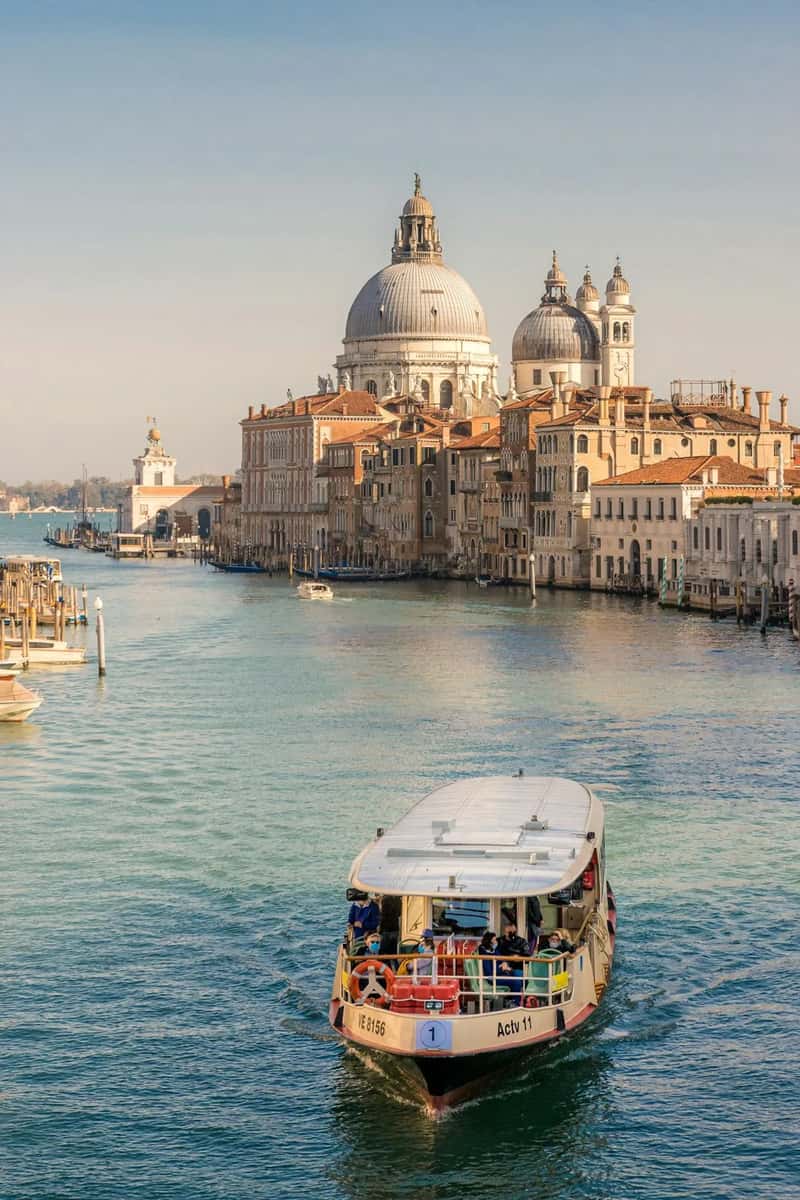
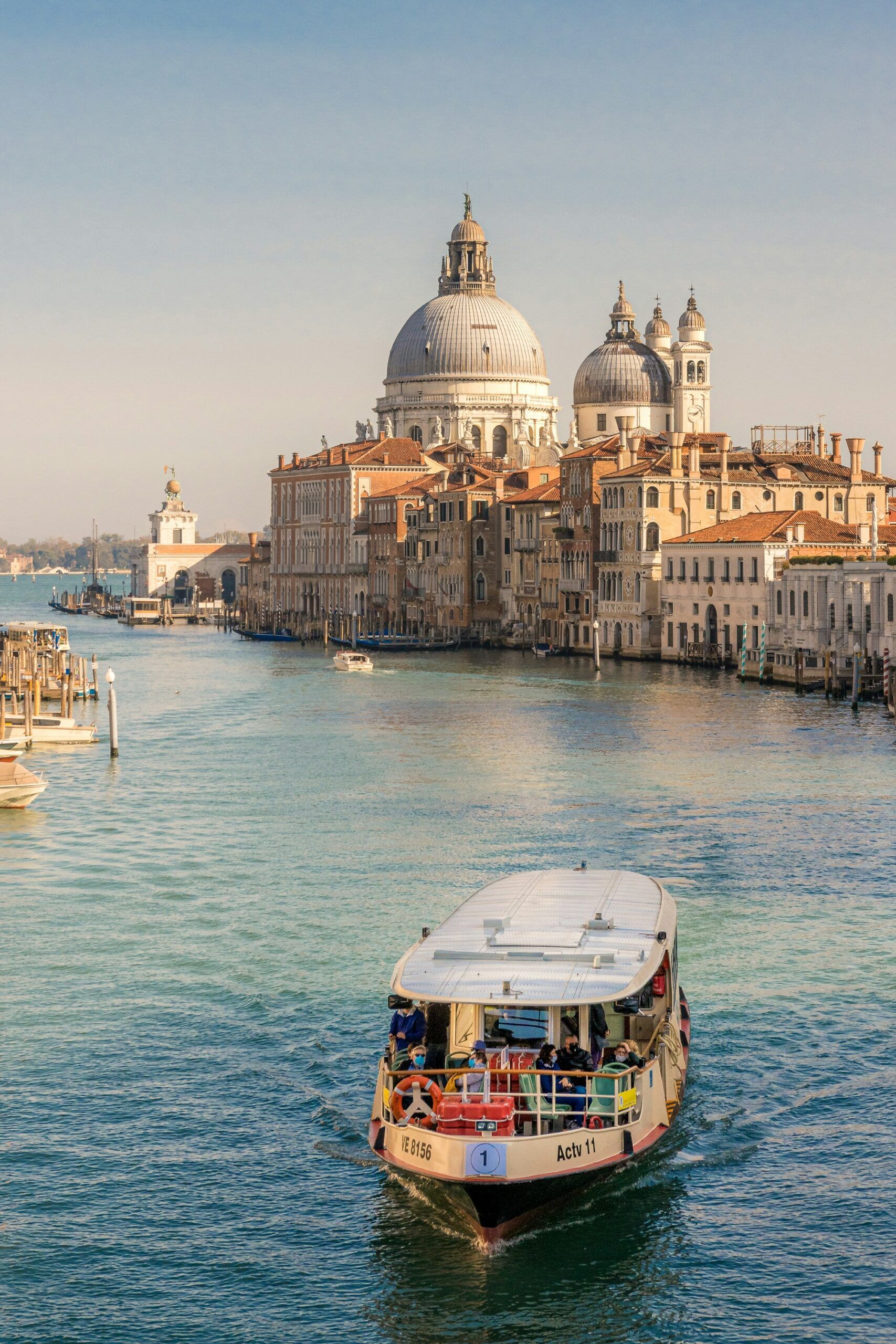
Venice acted earlier than most. In 2021 it banned cruise ships weighing over 25,000 tons, redirecting them first to the industrial port of Marghera and later to the Fusina Cruise Terminal.[16] The aim was to protect a lagoon that is UNESCO protected.[15] Many regard this as the move that started the current wave of European restrictions.
The ban still shapes itineraries in 2026. A 2026 port guide notes that large ships dock at Marghera instead.[17] Passengers on those sailings reach the historic centre by transfer rather than stepping off within sight of St Mark’s. Smaller vessels below the weight threshold are not covered by the ban.
Dubrovnik Restricts How Many Ships Can Call at Once
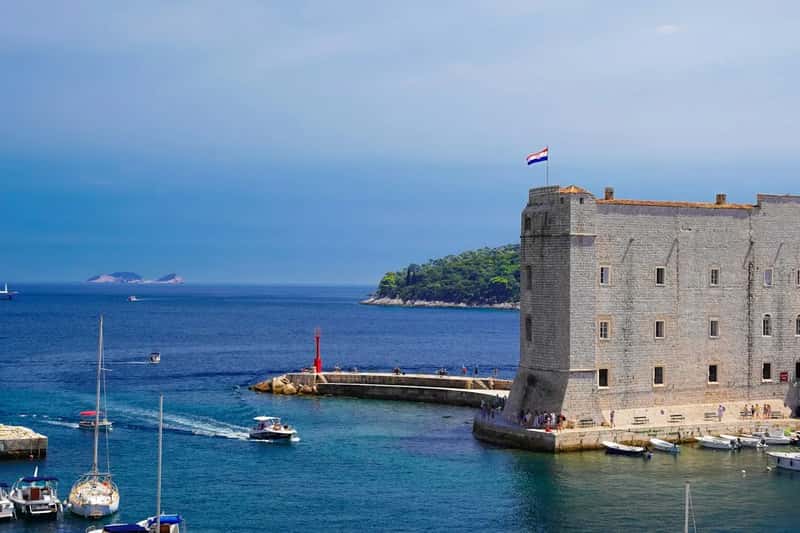
Dubrovnik’s Old City is tiny, and its walls funnel visitors through a handful of gates. The city’s approach is to control how many ships arrive together. According to a 2026 port guide, Dubrovnik allows two ships a day at its main port plus one near the Old City.[17]
Dubrovnik is not alone in using this kind of daily ceiling. Reporting on European limits notes that other cities that limit daily cruise dockings to two ships include Dubrovnik, Croatia, and Zeebrugge, Belgium.[16] The rule is simple to explain and to enforce. It keeps the number of passengers arriving at once within a range the historic centre can absorb.
Palma de Mallorca Limits Ships Per Day and Passengers From 2027
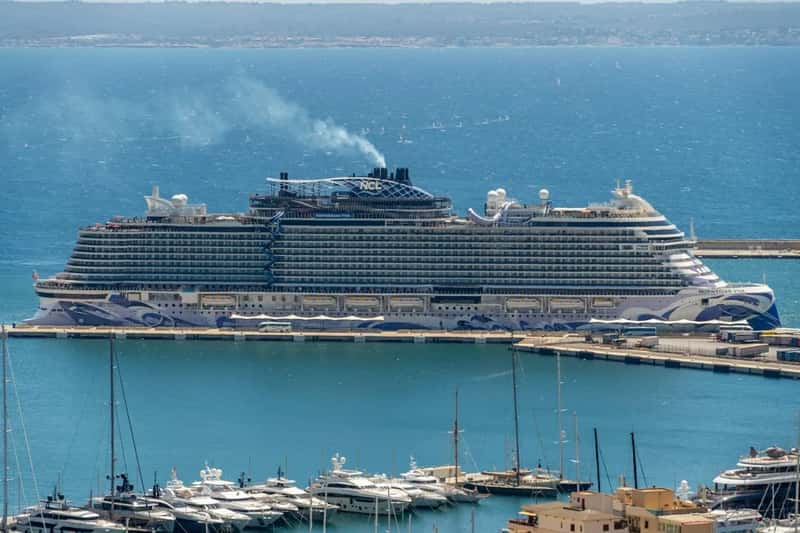
Palma has settled on a mix of ship and passenger caps. A 2026 guide to Mediterranean restrictions says Palma de Mallorca caps arrivals at three ships a day, dropping to 7,500 passengers in summer from 2027.[17] Earlier discussion of Balearic policy had pointed to new restrictions limiting cruise arrivals to three a day.[16]
The city reached its limits through talks with the industry rather than a unilateral ban. One analysis notes that Palma de Mallorca negotiated a CLIA agreement[18], referring to the cruise industry’s main trade body. The passenger cap due in 2027 will be the stricter of the two measures, so summer schedules there are likely to change again.