Summer used to mean simple things: a flight, a hotel, a camera. These days it also means checking whether your destination requires advance registration, a landing fee, or a time slot just to walk through its own streets. Across the continent, city halls that once measured success purely in visitor numbers are now measuring something else, whether their residents can still afford to live where they’ve always lived.
The shift did not happen overnight, but 2026 has turned out to be the year several long-debated proposals finally became enforceable rules. From lagoon cities to island ports, here are eight places where the rules of visiting have genuinely changed.
Venice and its expanding access fee
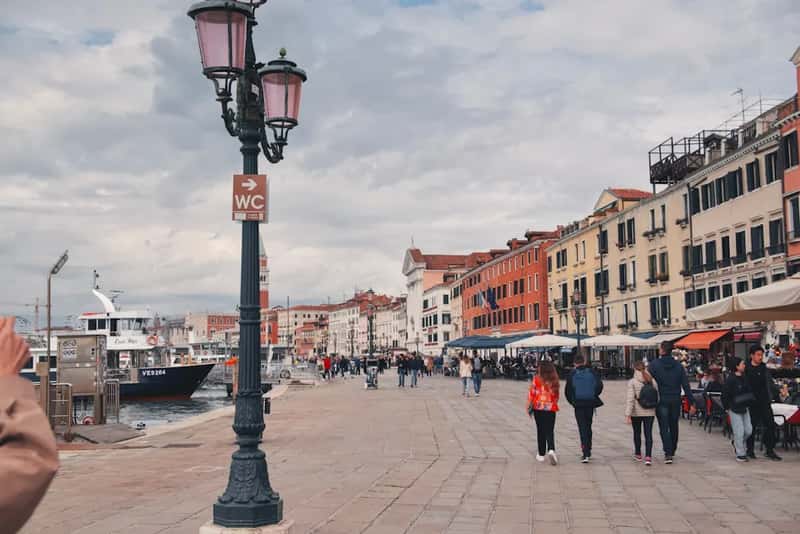
Venice’s day-tripper charge, first tested for twenty-nine days in 2024, has kept growing every year since. Venice’s council has confirmed that its daytripper fee, introduced in summer 2024, will return once again in 2026, with the number of days it applies extended to 60, compared to 54 in 2025. The fee now covers weekends and holiday stretches across four months of the year.
The amount of tax to enter Venice has been set at 5 euros for anyone over the age of 14, provided you pay the tax before the fourth day of your arrival, after which the rate rises to 10 euros. Anyone caught without proof of payment or an exemption faces a real financial risk, since visitors need to complete the process to get an Access Pass showing an exemption or risk a fine of up to €300. Large ships have already been pushed out of the historic lagoon routes, a separate but related move that reflects the same underlying goal of thinning out the crowds around Piazza San Marco.
Barcelona’s rental freeze and tax overhaul
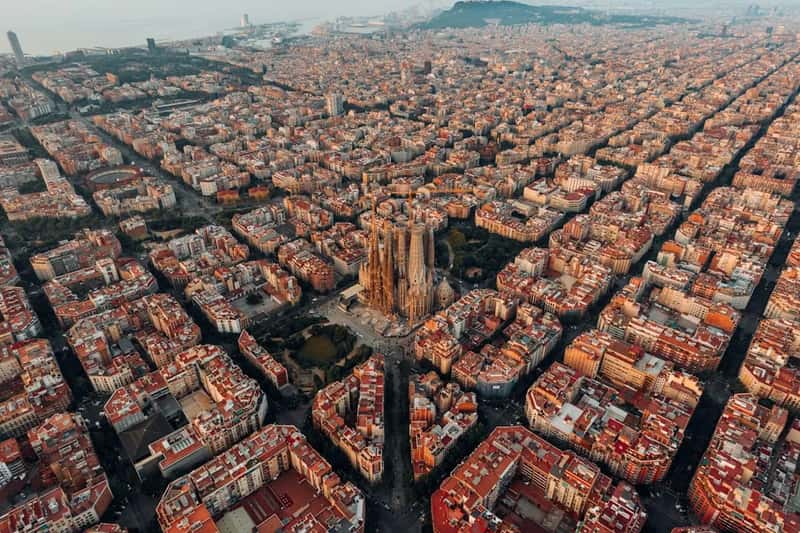
Barcelona has arguably gone the furthest of any Spanish city in reshaping how tourism operates within its borders. The city has enacted bold policies to reshape its tourism model, with no new hotels or short-term rental permits issued in its most visited neighbourhoods, alongside a proposed seven euro per night tourist tax earmarked for housing and infrastructure improvements. That combination targets both supply and price at once.
Money raised from the changes isn’t just sitting in a general fund either. A four hundred million euro strategic fund will help redirect tourism toward cultural events, business conferences, and more sustainable, higher value experiences. Following years of resident protests, the city is finally seeing a shift in how it manages the pressures of overtourism, and city officials frame the fund as proof that the strategy is about redirecting visitor spending rather than simply shrinking it.
Amsterdam’s cruise and hotel crackdown
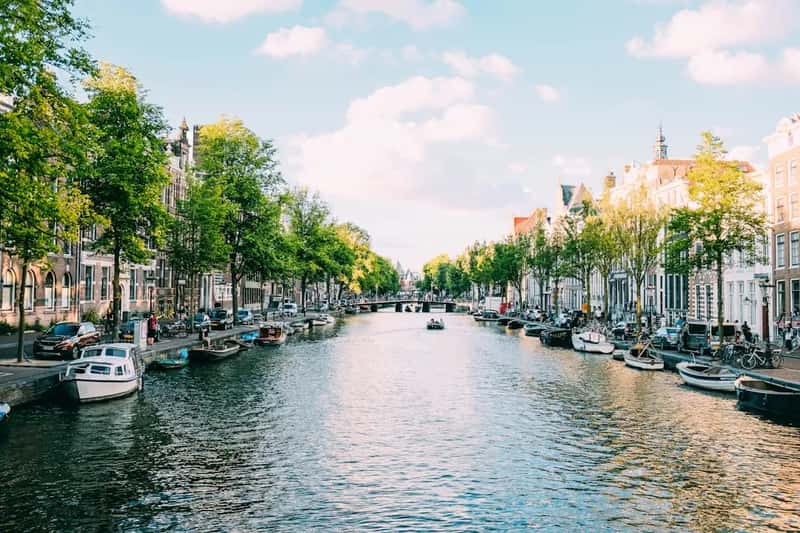
Amsterdam’s approach has been layered, starting with construction and working outward to the harbor. The city has moved to limit the number of river cruises entering its waterways and to reduce overnight visitors by banning the construction of new hotels. Officials expect these two measures alone to meaningfully cut annual visitor growth.
The numbers behind the plan are specific and were set through a formal council decision. The Dutch capital plans to limit cruise ships in its harbor to just 100 in 2026, down from 190 currently, before banning them outright by 2035. The proposals predict 271,000 fewer visitors per year via river cruise and aim to cut voyages to the city by half, to just 1,150 a year by 2028. City leaders have acknowledged the financial trade off but argue the alternative, an ever more crowded canal ring, would cost the city more in the long run.
Athens and the Acropolis ticket cap

Greece’s most famous monument has operated under a hard daily ceiling since 2023, and it remains firmly in place. Under the current framework, visitor access to the UNESCO World Heritage Site is limited to approximately twenty thousand people per day as authorities work to balance tourism growth with monument preservation. Entry now requires a specific time slot rather than a simple walk up ticket.
The system splits the day into narrow windows so that the morning crush of tour groups doesn’t overwhelm the site all at once. Under the system, three thousand people are granted access from eight to nine in the morning, two thousand during the next hour, with numbers varying across the rest of the day. During the hottest stretches of summer, the site has also had to close temporarily, since heat closures happen when temperatures exceed 40°C, and this occurred several times during the summers of 2024 and 2025.
Dubrovnik’s fight to reclaim its Old Town
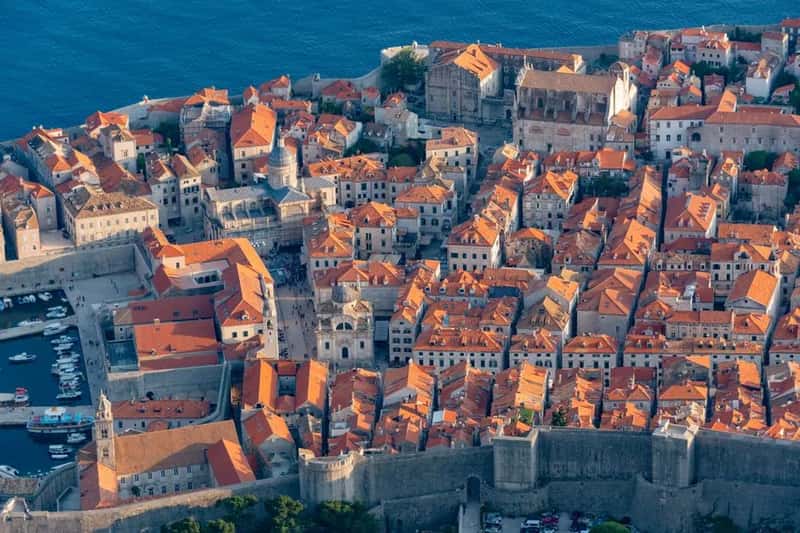
Dubrovnik’s medieval walls were never built for the volume of visitors that cruise tourism now brings through them in a single afternoon. The city’s Old Town, a UNESCO World Heritage site, is suffocating under cruise ship tourism, prompting officials to freeze new holiday apartment permits, reclaim properties, and repopulate the historic core with actual residents rather than tourist beds. That housing angle sets Dubrovnik apart from cities focused purely on ship counts.
On the water, the port limits are just as concrete. Prior to 2019, Dubrovnik was receiving as many as thirteen cruise ships in a single day; the new regulations cap that number at two ships per day. Dubrovnik allows two ships a day at its main port plus one berthed near the Old City, targeting around 8,000 passengers on the busiest days. A local referendum could eventually lock the rental freeze in place, making it harder for a future city government to simply reverse course.
Lisbon’s rising overnight tax
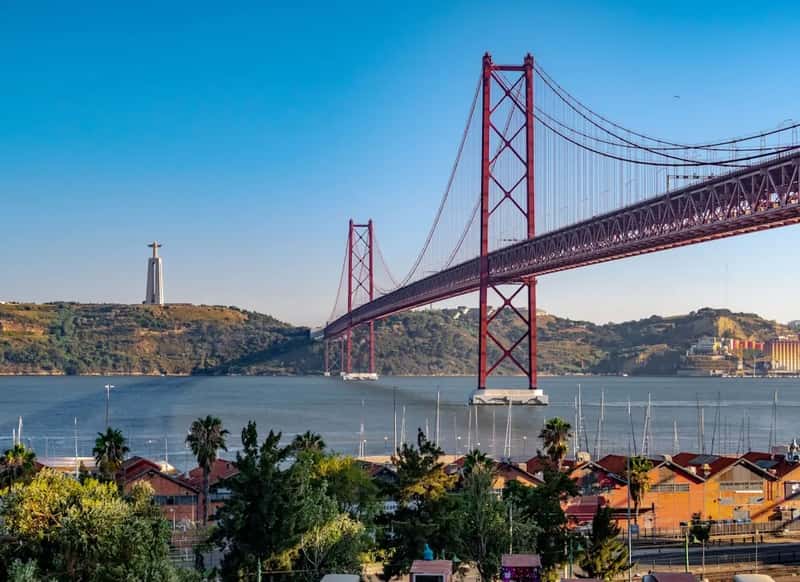
Portugal’s capital has spent years being cited as an example of how tourism money and housing affordability can pull in opposite directions. Lisbon, often cited as the poster child for a tourism-driven housing crisis, doubled its overnight tax to four euros in January 2025. The increase applies per person, per night, and stacks up quickly for longer stays.
Lisbon isn’t handling this alone within Portugal either. Porto has followed suit, and nine municipalities in the Azores and Madeira have introduced similar tourism levies, while Portugal is also moving to tighten short-term rental regulations and curb the effects of golden visa schemes many link to accelerating gentrification. The pattern suggests Lisbon’s tax hike was less an isolated decision than the opening move in a coordinated national response.
Cannes and the new cruise passenger ceiling
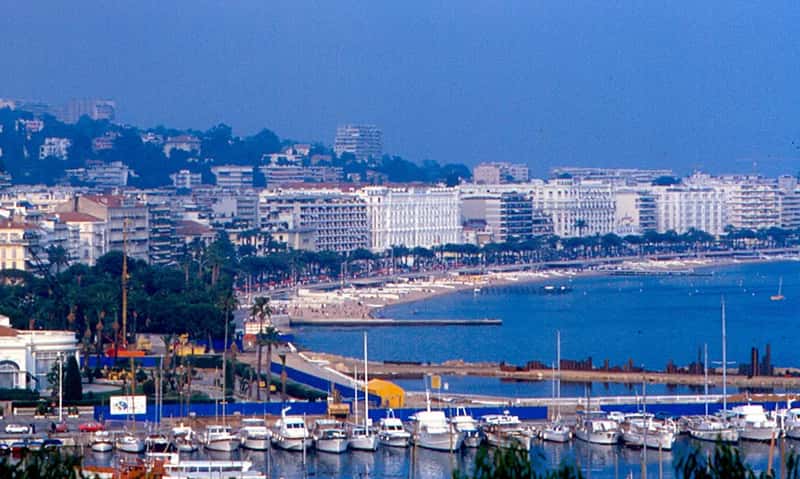
Cannes joined the list of restricted Mediterranean ports only at the start of this year, making it the newest arrival among Europe’s cruise limiting cities. Cannes, from January 1, 2026, bars ships over 1,000 passengers from its dock and limits arrivals to 6,000 cruise passengers a day. For a city built around a relatively small stretch of waterfront, that cap represents a significant shift from previous years.
The scale of the previous pressure explains why the city acted. Cannes logged about 175 cruise calls and 460,000 cruise passengers in 2022, in a city of around 75,000 residents. That ratio of visitors to residents, arriving in concentrated bursts, is exactly the kind of imbalance the new dock size restriction and daily passenger ceiling are designed to prevent going forward.
What these changes add up to
None of these eight cities are trying to shut their doors. Each is instead testing a different lever, entry fees, rental bans, ship caps, timed tickets, to see which one actually eases pressure without gutting a local economy that depends on visitors. The common thread is a shift away from counting arrivals as pure success and toward asking what a sustainable number even looks like.
Anyone planning a trip to these destinations in the coming seasons should expect more paperwork before departure, not less, whether that means a QR code for Venice, a timed slot for the Acropolis, or a booked cabin instead of a walk-on cruise call in Cannes or Palma. Spontaneity is quietly becoming a luxury in Europe’s most photographed places. The trade-off, if these policies work as intended, is a slightly calmer visit and a city that still has room for the people who live there year-round.