I spent years turning down cruise invitations from family members who swore by them. Buffets, crowds, forced fun, that was the picture in my head, and I never bothered to check if it matched reality. Then a work trip landed me on Royal Caribbean’s Icon of the Seas, and I walked up the gangway expecting to confirm every bias I had.
What happened instead is the reason I’m writing this. Not because one ship fixed my opinion of an entire industry overnight, but because it forced me to look at the numbers, the design choices, and the actual experience rather than the stereotype I’d been carrying around.
The stereotype I walked in with
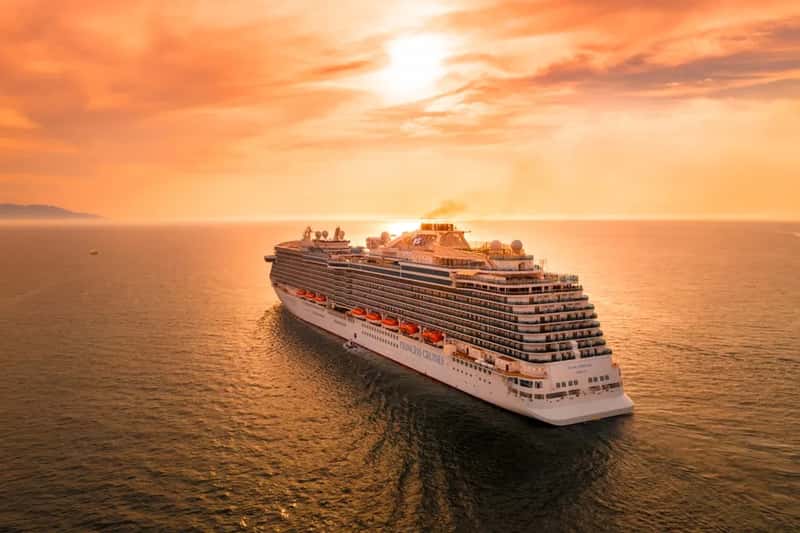
My mental image of cruising was frozen somewhere around a decade ago: shuffling buffet lines, formal night dress codes nobody wanted, and a captive audience trapped on a floating mall. I pictured retirees in matching lanyards and not much else. It felt like a vacation designed for someone else’s idea of fun, not mine.
That image, it turns out, is exactly what the industry has been actively dismantling. Traditional formal dress codes and rigid buffet lines are being replaced with craft breweries, farm to table dining, and high speed Wi-Fi for people who still need to check email. The industry has experienced a massive 15% increase in “New-to-Cruise” passengers, specifically attracting Millennials and Gen Z travelers drawn to the frictionless nature of a cruise holiday. I wasn’t as behind the times as I thought, but the ships had clearly moved faster than my assumptions.
Choosing the ship that changed things
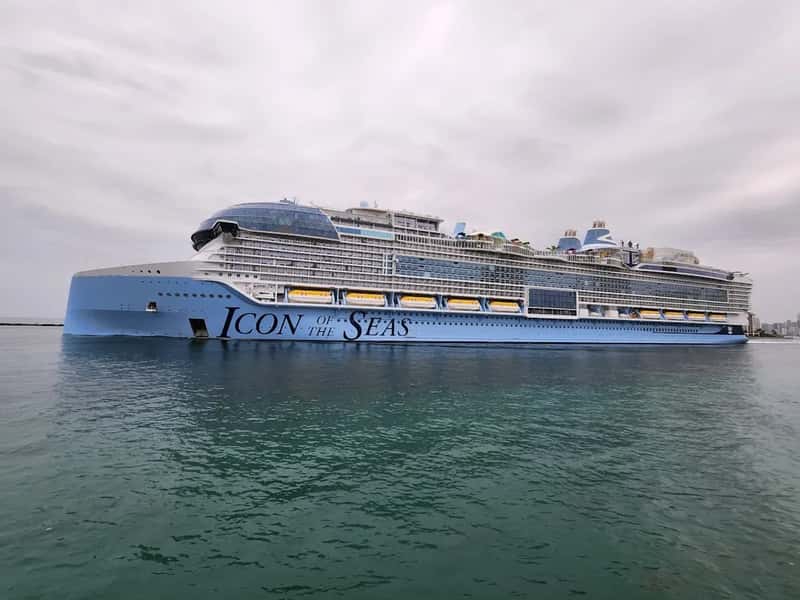
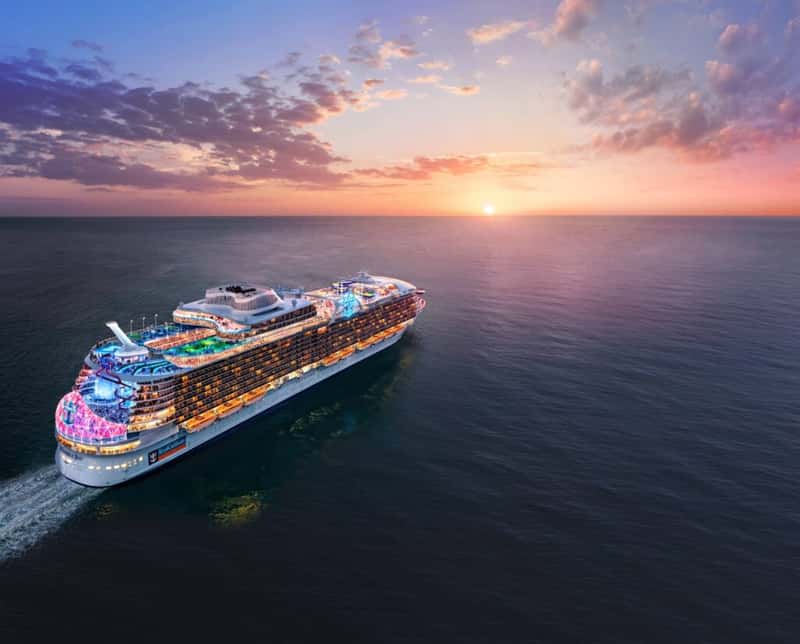
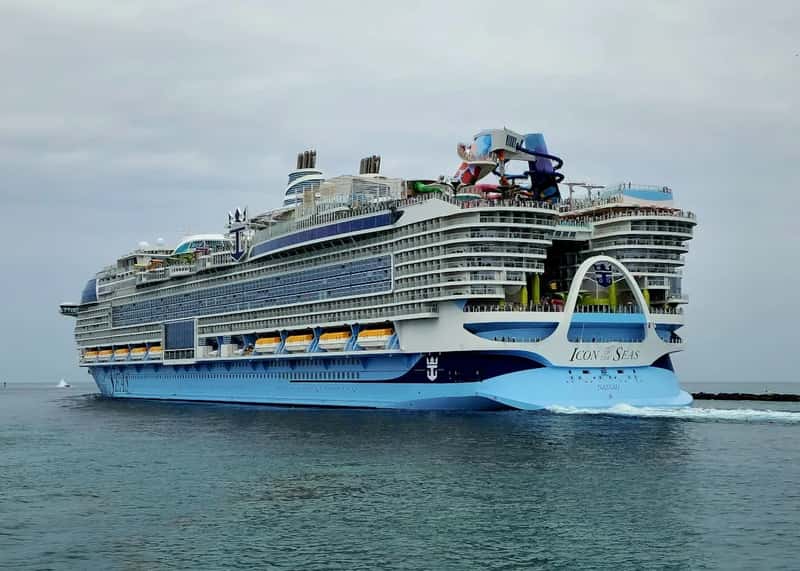
I didn’t pick a random vessel for this trip. Icon of the Seas is a cruise ship operated by Royal Caribbean International that entered service in January 2024 out of the Port of Miami, and at 248,663 gross tonnage, it is the largest cruise ship in the world. The scale alone made it an odd choice for a skeptic who assumed bigger meant more chaotic.
The ship is roughly five times the size of the Titanic, has a maximum passenger capacity of 7,600, cost about two billion dollars to build, and measures nearly 1,200 feet from bow to stern. Numbers like that either terrify you or make you curious. In my case it was mostly the second one, though I’ll admit a little of the first crept in during boarding.
The size problem that wasn’t really a problem
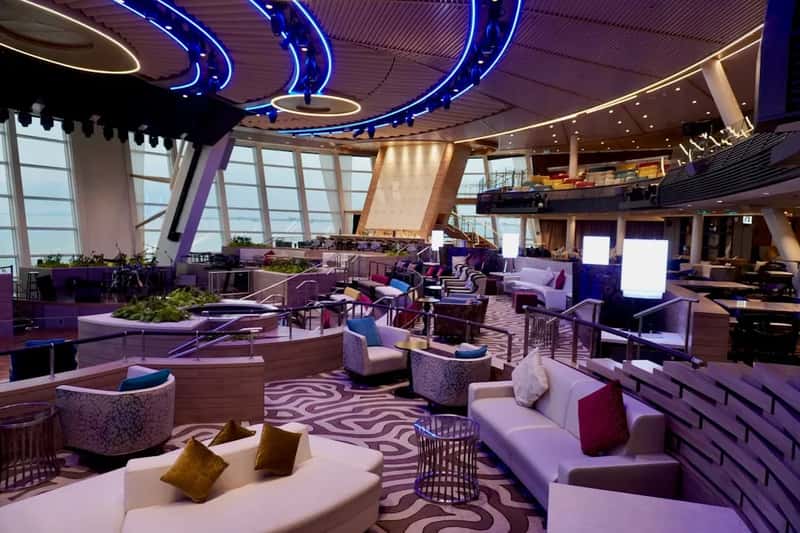
Here’s what I expected: a ship this large would feel like an airport terminal with seasickness. Here’s what actually happened. The ship has 20 decks with seven swimming pools and six water slides, and rather than feeling crammed, the space is broken into distinct zones that rarely feel overcrowded even at near full capacity.
Depending on the deck, it takes about six minutes to walk from one end of the ship to the other, which sounds like a lot until you realize that’s shorter than some airport concourses I’ve sprinted through. I also learned that motion is still noticeable despite the size. For those who aren’t regular cruisers, it’s worth knowing you will still feel movement on the Icon even though it’s massive, which surprised me given how the hull is engineered.
Food that finally broke the buffet stereotype
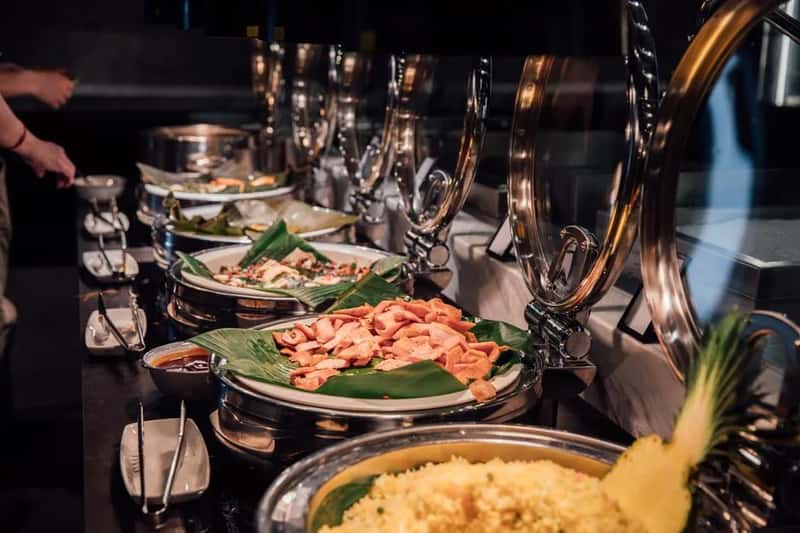
Buffets were the thing I dreaded most, and they exist here, but they’re no longer the centerpiece. Among the newer concepts is the AquaDome Market, a food hall featuring Mediterranean bowls, sandwiches, salads, macaroni and cheese, Asian dishes, and a crêperie, alongside the Celebration Table, a private twelve seat dining experience for milestone occasions. There’s also a period themed supper club that leans into atmosphere rather than volume.
Empire Supper Club offers a 1930s New York atmosphere, which felt more like a night out in a city than anything I associated with ship dining. Old standbys weren’t abandoned either. Familiar favorites including the Windjammer marketplace, Sorrento’s pizza, and Starbucks all have their place among the wider range of dining options, so the comfort food crowd isn’t left out.
Neighborhoods instead of one giant deck
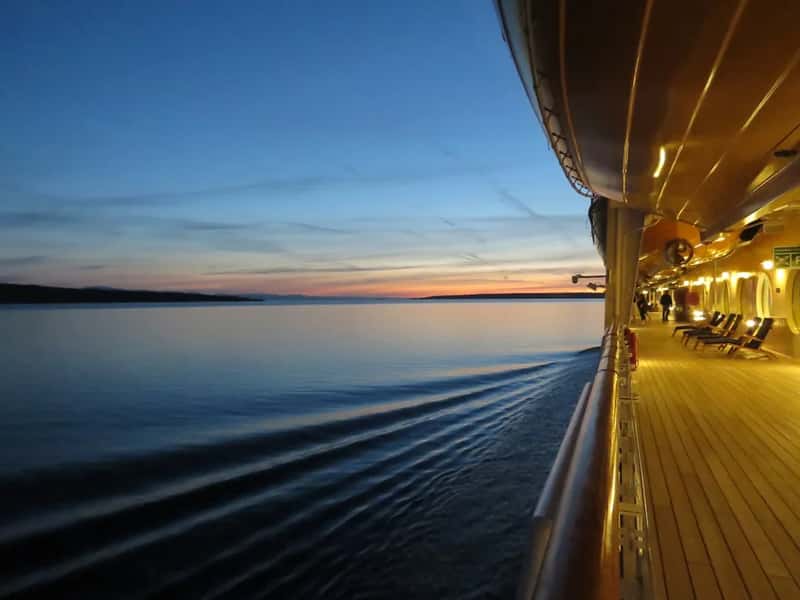
The design choice that changed my perception the most was the neighborhood concept. Instead of one sprawling ship, Icon splits itself into distinct sections with their own personality and pace. Icon of the Seas offers a mix of new concepts and Royal Caribbean favorites across eight onboard neighborhoods, including a two deck Royal Promenade that resembles an indoor mall with multiple shopping, dining, and drinking establishments.
Some zones are built for quiet, others for noise, and you can genuinely avoid the parts that don’t interest you. Surfside, the neighborhood made for young families, is where adults and kids six and under can stay and play all day, with parents keeping an eye on things from the Water’s Edge pool. That kind of separation is the reason the ship didn’t feel like one loud room, which was my biggest fear going in.
Why families keep coming back
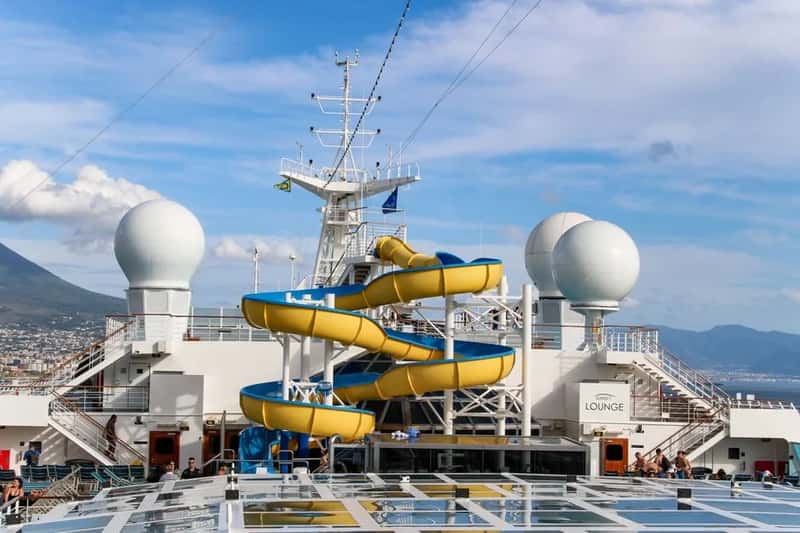
I assumed families cruised out of convenience rather than genuine preference, but the data tells a different story. Nearly one third of cruise guests now travel with three or more generations, highlighting how strongly cruises appeal to extended families traveling together. Watching that play out onboard, grandparents at a quiet lounge while grandkids raced toward a water slide, made the appeal more obvious than any brochure could.
The reasons are fairly practical once you see them up close. The appeal comes from the variety of dining options for different tastes, entertainment for all ages, flexible shore excursions, family friendly stateroom configurations, and the convenience of unpacking once while visiting multiple destinations. I hadn’t thought of the unpacking part as a real selling point until I was living it myself.
A younger, more varied crowd than I expected
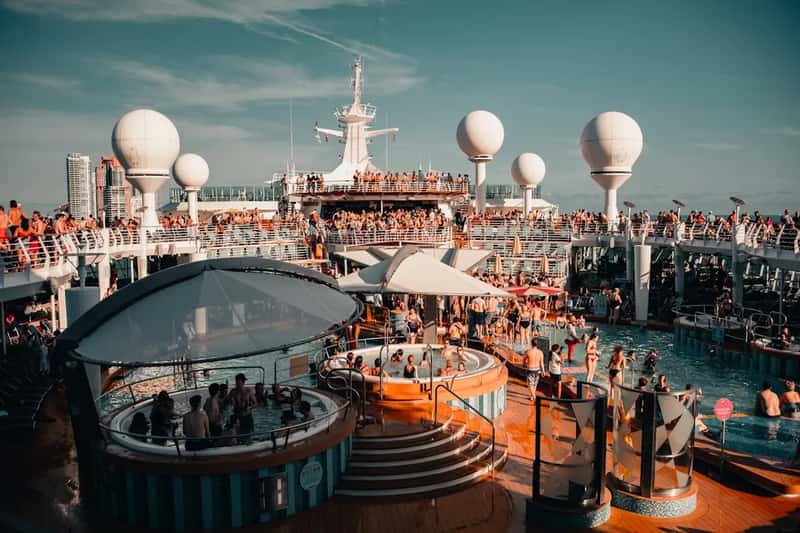
The lanyard wearing retiree image I carried around turned out to be outdated by a wide margin. Cruising continues to attract a younger and varied audience, with about one third of cruisers now under age 40, and approximately one third of cruise trips are multigenerational. On my sailing, that showed up as remote workers tapping away near the pool bar just as often as retired couples reading in the shade.
The broader numbers back up what I saw firsthand. Global cruise passenger volume reached a historic high of 37.2 million in 2025, and industry watchers expect that momentum to continue. CLIA has revised its long term forecast upward, now projecting 42 million passengers by 2028, which suggests my old assumptions were increasingly out of step with who actually books these trips.
The sustainability angle I didn’t expect to care about
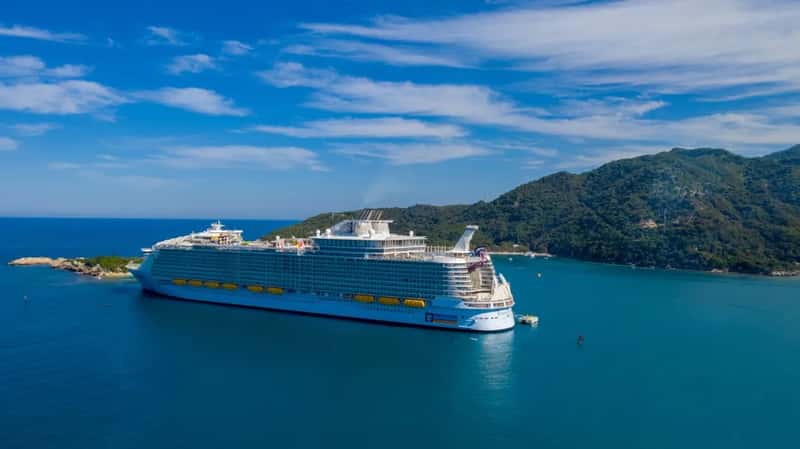
I went in assuming a ship this size would be an environmental nightmare, and there’s honest debate about that. Icon of the Seas can be powered by liquefied natural gas and has six multi fuel Wärtsilä engines that can run on both LNG and distillate fuel, making it the first Royal Caribbean vessel to use such technology. That’s a genuine step forward, even if it’s not a complete solution.
Critics have pushed back on how green LNG really is. Critics say that LNG is still a fossil fuel producing carbon dioxide, and the engine itself could lead to methane leaks, a greenhouse gas more harmful than carbon dioxide. I didn’t leave the trip thinking the industry has solved its emissions problem, but I did leave thinking the newest ships are trying harder than the ones I’d pictured in my head.
Why the itinerary mattered more than I assumed
I used to think cruising meant spending a vacation mostly indoors, watching ports go by from a railing. That’s changed as lines shift their focus toward actual time on land. Nearly 90% of cruisers indicating they intend to sail again suggested to me that whatever is happening onshore and onboard is working for a lot of people, not just first timers chasing a novelty.
Passengers now seem to want more than a photo stop at each port. Passengers are interested in immersive experiences, including curated shore excursions, cultural engagement, and more time in destinations, while cruise lines’ private island destinations remain popular. My own days off the ship felt less like a rushed errand and more like an actual visit, which wasn’t the impression I walked in with.
What still gives me pause
None of this means I’ve become an unqualified convert who thinks every cruise ship is right for every traveler. The size that impressed me can just as easily overwhelm someone who wants a quiet, slow paced trip, and megaships like this one are not for everybody. Onboard incidents also happen on any vessel carrying thousands of people, and Icon of the Seas has had its share of reported issues over the past two years, a reminder that a ship this large is still a small city with all the complications that come with one.
The environmental debate is also far from settled, regardless of how many efficiency upgrades a cruise line advertises. I left with more respect for how far ship design has come, not a blank endorsement of the industry as a whole. That distinction matters, and it’s the honest note I want to end this particular point on.
Final thoughts
I didn’t expect a single sailing to undo years of assumptions, yet that’s roughly what happened. The ship itself did most of the persuading, not a marketing pitch or a persuasive friend. What changed my mind wasn’t the size or the slides, it was how deliberately the whole experience had been rebuilt around the kind of traveler I actually am rather than the one I assumed cruising was built for.
I still wouldn’t recommend a megaship to everyone, and I don’t think that’s the point. It’s simply worth checking your own outdated picture of an industry every so often, especially one that has clearly spent the last few years redesigning itself while a lot of us weren’t paying attention.