
Most people picture Iceland through a very specific lens: summer green valleys, cascading waterfalls caught in golden evening light, maybe a puffin or two on a clifftop. The tourism industry has done a thorough job of packaging that version of the country. It’s real, of course, but it’s only half the story.
Winter Iceland barely resembles those brochure images. It’s rawer, quieter, more dramatic, and in some ways more honest. The light bends differently. The landscape strips itself down to something almost elemental. And the country hands you experiences that simply don’t exist in any other season. Here’s what that actually looks like on the ground.
The Darkness Is Not What You Expect
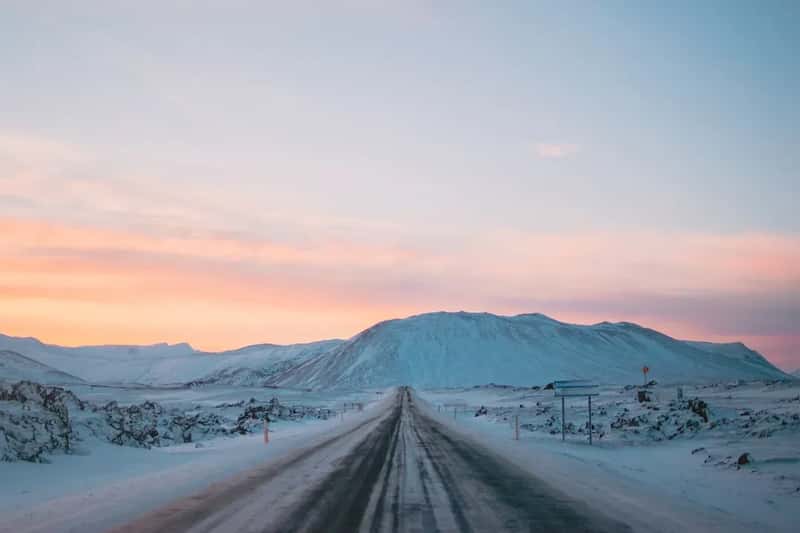
The far north has a reputation for being completely dark throughout the winter – but that’s actually a bit of a myth. On the shortest day of the year, December 21st, Reykjavik still gets over four hours of daylight, with the sun rising around 11:22 AM and setting at 15:29. It’s brief, yes, but it’s not nothing.
If you’re not usually an early bird, you’ll catch the sunrise every morning and enjoy the golden sunset just a few hours later. The sun barely rises above the horizon in the depths of winter, which means golden light stretches across the land almost all day long as the sun rises and almost immediately begins to set. This creates remarkable light for photographs. Landscape photographers have known this for years. Everyone else is still catching up.
The Northern Lights Are the Reason Everyone Comes, and They’re Worth It
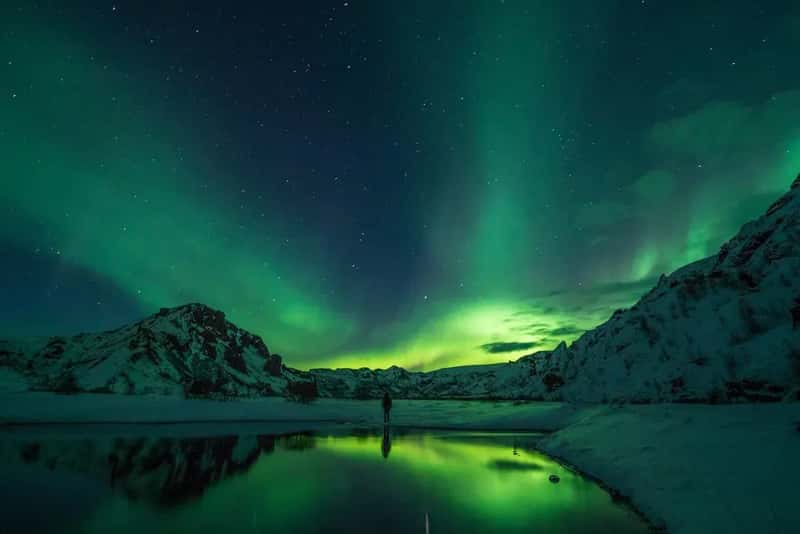
For the northern lights to be visible, you need dark skies and minimal cloud cover. This makes winter the best season to see them, as the long nights provide ideal conditions. Iceland’s northern lights season runs from late August through mid-April, when darkness lasts long enough for the aurora to shine. That’s a generous window by any measure.
Iceland’s long, dark nights from September to April are perfect for Northern Lights hunting. The years 2025 and 2026 fall within the solar maximum, a peak in the sun’s activity that makes auroras brighter and more frequent than usual. Iceland’s entire landmass sits in the aurora zone, meaning you can see the northern lights from almost anywhere in the country without traveling to remote Arctic outposts, making it one of the most accessible northern lights destinations on Earth. That’s a significant advantage over destinations in northern Canada or northern Scandinavia.
The Golden Light That Lasts All Day
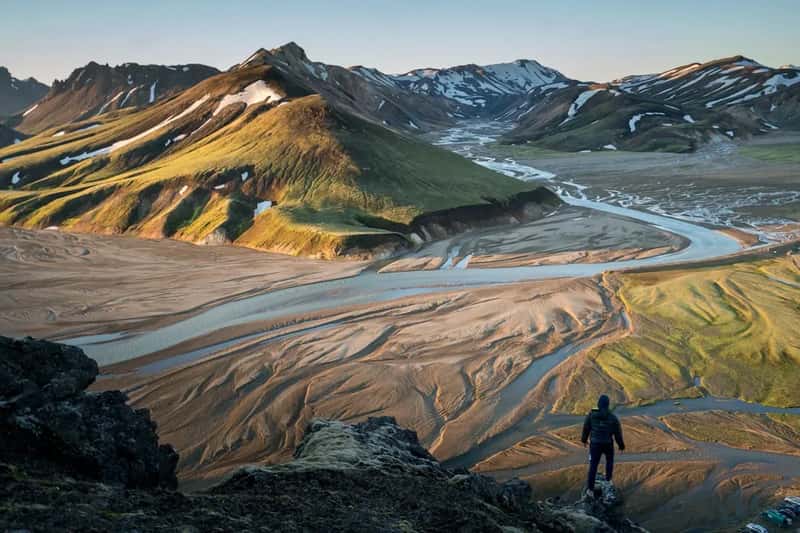
The daylight hours are short, but the light during the day is a perfect glow, as the morning golden hour extends almost directly into the evening golden hour. That amounts to roughly five hours of stunning, soft, directional light. For anyone who has ever chased sunrise or sunset light for photography, that ratio is almost absurdly generous.
Winter golden hour in Iceland is especially dynamic, where you might have bright snow in the foreground and a dark, moody sky above. The blue hour window just before sunrise and just after sunset gives a cool, even light that works brilliantly for glacier photography, ice caves, and the black sand beaches at Reynisfjara. Summer visitors rarely see Iceland look quite like this.
Ice Caves: A Winter-Only Wonder
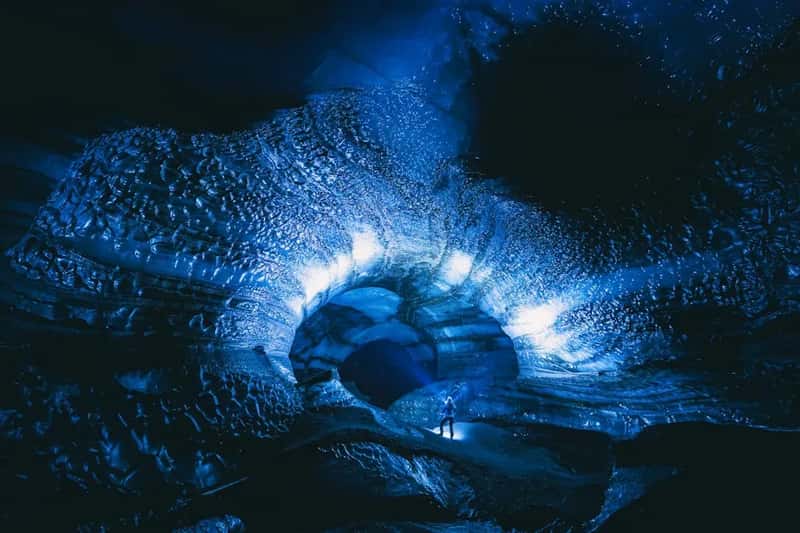
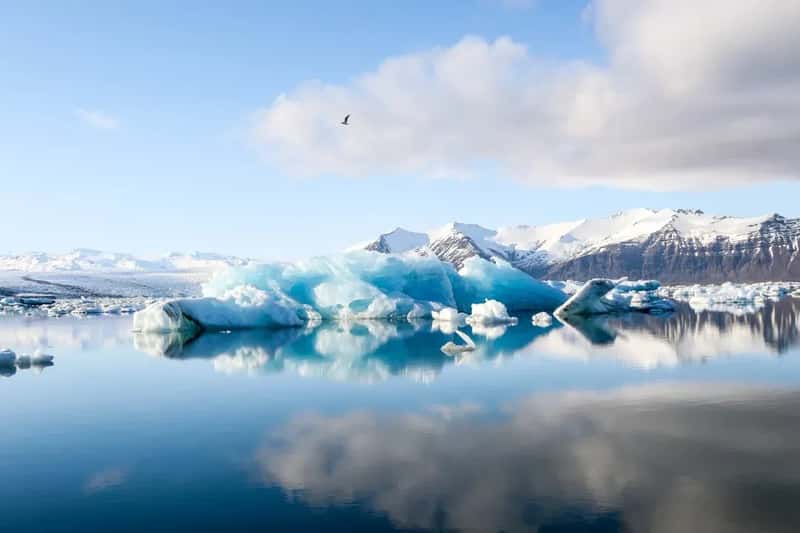
Iceland’s natural ice caves form each winter inside its mighty glaciers, revealing walls of deep blue ice shaped by centuries of snow and melt. You can explore the Crystal Ice Cave in Vatnajökull, the Blue Ice Cave in Skaftafell, or the Katla Ice Cave near Vík – most natural caves are open between October and April. These are not year-round features. The ice formations that make them extraordinary only exist when temperatures are cold enough to stabilize them.
Once inside, visitors step out onto the snow in ice cleats and helmets, following guides toward the hidden cave. Inside, layers of compressed ice reveal centuries of history in vivid shades of blue, grey, and white – a reminder, as one writer put it, that water is not just a feature of the landscape but its most powerful architect. Ice caves are open only in the coldest months. That alone is a compelling reason to visit in winter rather than waiting for warmer weather.
Geothermal Pools Feel Completely Different in the Cold
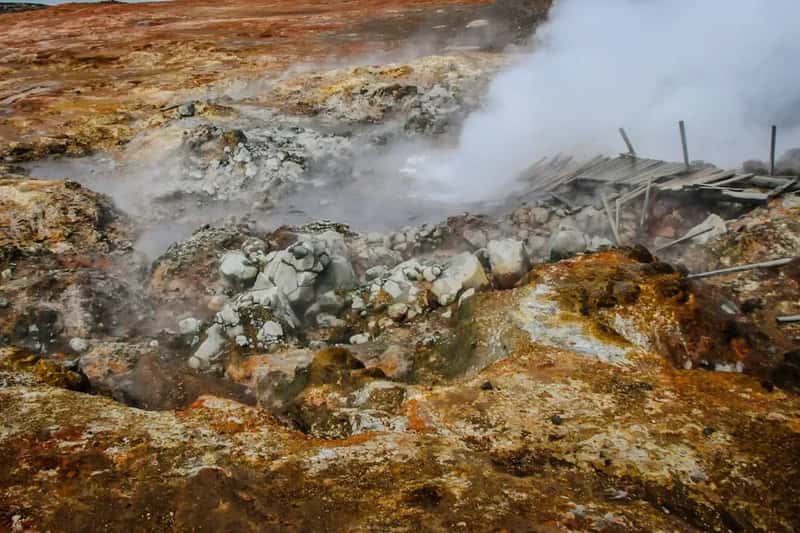
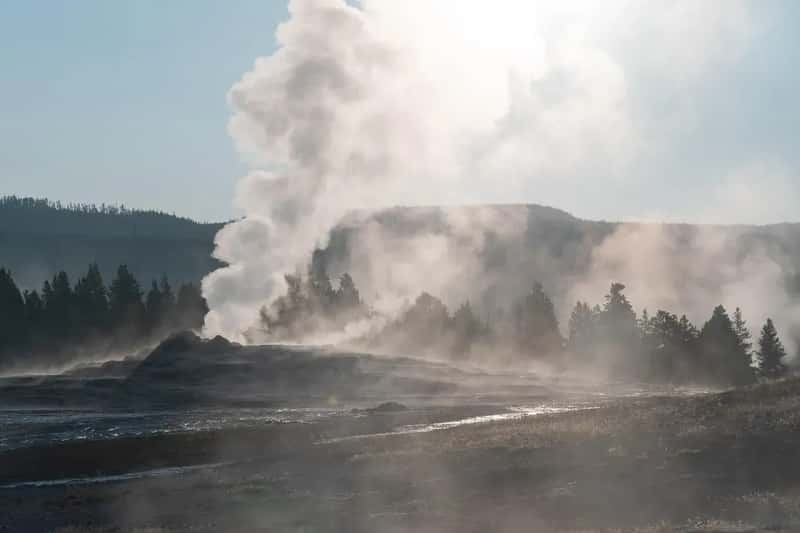
As frost sets across the Land of Fire and Ice, sinking into Iceland’s hot springs becomes the nation’s most scenic luxury: a soothing geothermal soak surrounded by snow and steam-wreathed lava fields. For centuries, Icelanders have indulged in thermal bathing for relaxation and warmth. This isn’t just a regional novelty – it’s a defining feature of the island’s powerful volcanic core.
Iceland rests over a mantle plume and the Mid-Atlantic Ridge, where the North American and Eurasian tectonic plates are pulling apart. Together, these two forces intensify the volcanic activity on the island, resulting in a landscape dotted with thermal pools. In winter, the contrast between the snow and the steam swirling over the turquoise water adds to the atmospheric magic. The Blue Lagoon is a standout for good reason, though it’s far from the only option. Smaller, quieter pools scattered across the countryside offer essentially the same experience without the crowd.
Fewer Crowds Actually Change the Experience
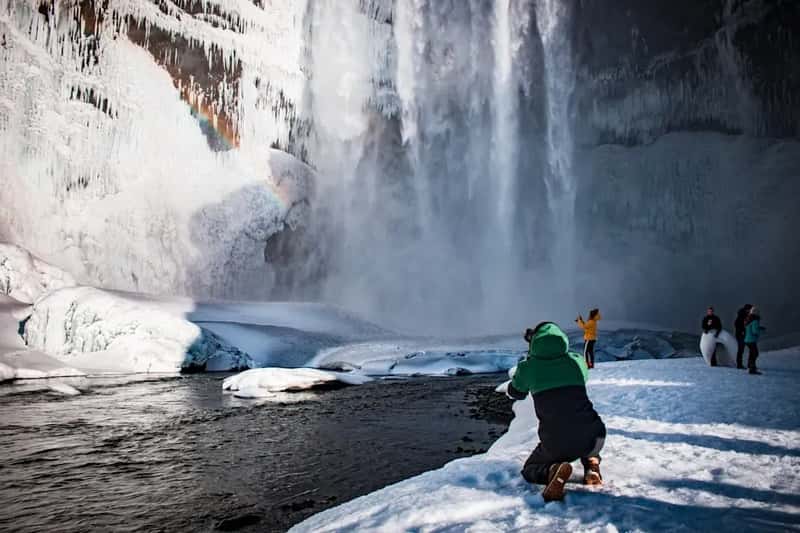
Summer months, typically June through September, are crawling with visitors, while winter months have noticeably fewer tourists milling about. This matters more than most people realize before they arrive. Iceland’s most iconic sights were never designed to absorb thousands of visitors at once, and in winter the space around them returns. Waterfalls you’ve seen in photos surrounded by tour buses look completely different when you’re one of a handful of people standing there.
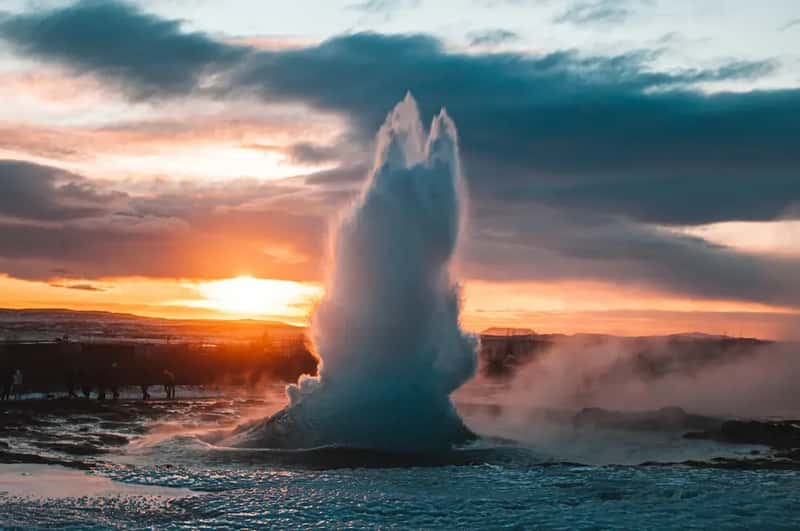
Iceland is a photographer’s dream destination. In winter, its wild, rugged landscape, magnificent waterfalls, gushing geysers, and towering mountains are blessed with fewer visitors. The South Coast is the heart of winter travel, home to glaciers, waterfalls, and black-sand beaches transformed by snow and ice. The Golden Circle is a perfect short route from Reykjavík, with steaming geysers and frozen cascades at Gullfoss. Both routes remain well-maintained and accessible throughout the season.
The Temperature Is Not the Enemy You Think
December in Iceland may be cold, but it’s usually not as freezing as people expect from a country with “ice” in its name. Thanks to the influence of the Gulf Stream, Iceland’s winters are surprisingly mild for a northern destination. Across the country, temperatures typically range between minus two and four degrees Celsius, though it can feel colder when the wind picks up.
It’s undeniably chilly in Iceland in wintertime, but it’s not as cold as other countries at the same latitude. Thanks to the warming currents of the Gulf Stream, it rarely drops more than a few degrees below freezing in most of the country. Wind is a different conversation. The wind is the real wildcard, with strong gusts common, reaching up to about 20 to 25 metres per second in exposed coastal and mountain areas. Layering properly matters far more than obsessing over temperature numbers.
Driving in Winter: Manageable, But Not to Be Underestimated
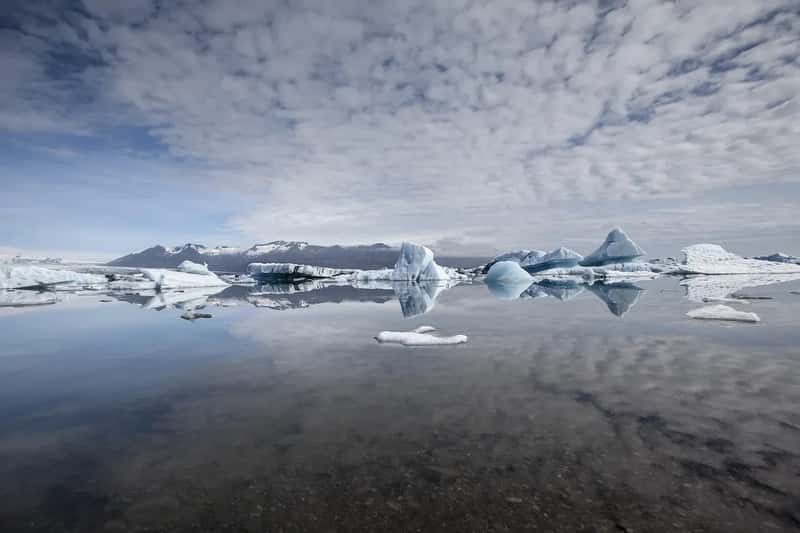
Winter in Iceland runs roughly from December through March, with average temperatures close to zero degrees Celsius, frequent wind, and rapidly changing weather conditions. You must expect snow, ice, strong winds, and sudden road closures, especially from November to March, and build buffer time into your plans. For confident drivers used to winter conditions, Iceland winter driving can be a magical way to explore frozen waterfalls, snowy volcanoes, and the Northern Lights with fewer crowds.
Many travelers concentrate their Iceland winter itinerary in the southwest, including the Golden Circle and South Coast, where roads are better maintained and services are more frequent. For winter driving outside Reykjavík, a 4×4 car with proper winter or studded tires is strongly recommended. Unlike in many other countries, Icelandic roads aren’t cleared down to bare asphalt during winter. Instead, snowploughs and graders work to flatten and compact the snow, creating a smooth but icy surface – expect to drive on snow and ice throughout most of December, especially outside of Reykjavík and the main highways.
Reykjavík in Winter Has Its Own Quiet Charm
Even city-based travelers can enjoy Reykjavik’s cozy winter culture: Christmas markets, local music events, and candlelit cafés make it a warm base between adventures. The city doesn’t go into hibernation when the temperatures drop. If anything, its indoor life becomes more vivid, with geothermal-heated swimming pools full of locals using them as a daily social ritual rather than a tourist attraction.
Despite the short daylight hours, there’s plenty of activity going on during Iceland’s winter. Christmas and New Year’s Eve are big celebrations that do a great job of brightening the darkness. Then there’s traditional knitwear, cozy gatherings, books to read, geothermal pools to soak in, ice caves to explore, skiing, snowboarding, and snowmobiling adventures. The Icelandic concept of the long winter evening is not something to endure. It’s something the country has spent centuries learning to enjoy well.
Wildlife That Summer Visitors Miss Entirely
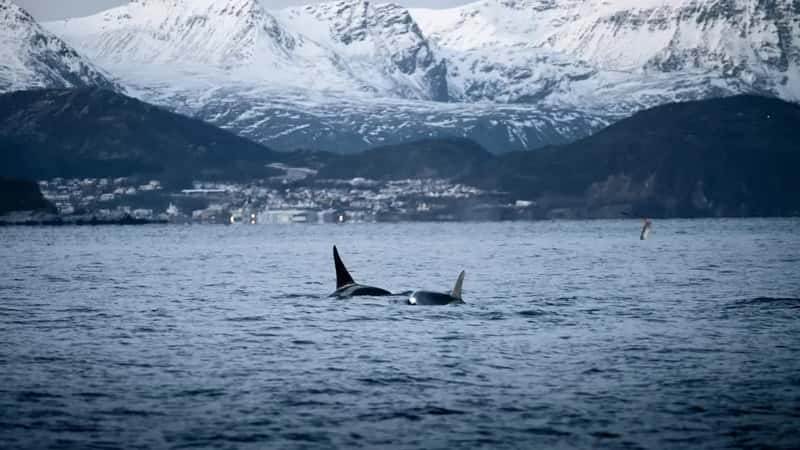
Perhaps the most thrilling natural winter wonder beyond the aurora is the gathering of large pods of orca along the Snæfellsnes Peninsula, where shoals of overwintering herring prove irresistible to the hungry cetaceans. Boat trips into the bay offer riveting encounters with these animals. This is entirely a winter phenomenon, tied to herring migration patterns, and simply doesn’t happen in summer.
Other winter wildlife highlights include superb birdwatching, with large rafts of seaducks sheltering in the bays, while white-tailed eagles soar above mountain ridges. The country’s summer celebrity, the Atlantic puffin, has long since departed by November. Winter brings a quieter, less photogenic, but often more dramatic cast of animals in its place. It’s a trade most first-time visitors don’t realize they’re making.
What the Brochures Never Tell You About Planning
Winter is still one of Iceland’s busiest seasons, especially from November to February, when Northern Lights and ice cave tours often sell out weeks ahead due to small group sizes and limited cave access. The image of a deserted winter wonderland is partly accurate, but popular experiences still require advance booking. Flexibility is as important as preparation.
The weather in Iceland is unpredictable on another level compared to most destinations. You can have beautiful blue skies turn to foreboding storms that genuinely limit visibility very quickly. Sometimes these moments are just five minutes apart. That unpredictability is part of the point. The result is a constantly changing landscape, where one moment you’re driving through sparkling snowfields and the next you’re surrounded by misty rain and moody skies. It’s part of what makes winter in Iceland so captivating, and a little unpredictable. Travelers who resist the urge to over-schedule tend to find the best version of the country waiting for them.