For years, the overseas property conversation among Americans revolved around a familiar shortlist: Portugal, Spain, maybe Costa Rica if someone wanted warmer weather. That list is shrinking. Two of its biggest names have closed their doors to real estate investors, and a small Balkan country with a long Adriatic coastline has slipped into the gap almost without anyone announcing it.
The country in question is Albania, a place that until recently barely registered on the radar of American buyers. That’s changing fast, and the reasons behind the shift say as much about the current state of global real estate as they do about Albania itself.
The golden visa doors that slammed shut
Until a couple of years ago, Portugal and Spain were the default answers for Americans who wanted a European foothold through property. That’s no longer the case. Portugal removed real estate from its Golden Visa program in October 2023, and Spain formally ended its investor visa program on April 3, 2025.
Spain’s move followed a public announcement from Prime Minister Pedro Sánchez in April 2024 that the country would end the golden visa to protect housing supply. With the two most obvious European entry points closed to property-based residency, buyers who once assumed those routes would always be available have had to look elsewhere. Albania, sitting just across the water from Italy and next door to Greece, has quietly absorbed a chunk of that redirected interest.
A price gap that’s hard to ignore
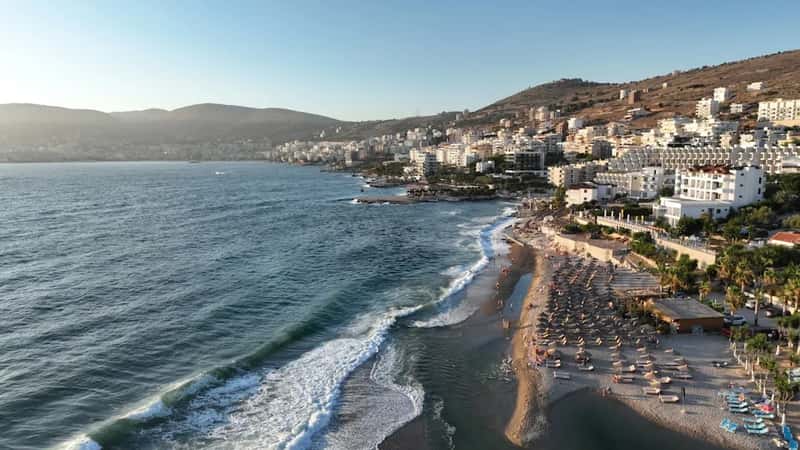
The single biggest reason Albania keeps coming up in buyer conversations is cost. Albania’s average property price is around €1,600 per square meter in 2026, with typical ranges of €1,200 to €1,800 per square meter in Tirana and €1,000 to €2,000 per square meter in Saranda. Compare that with the neighborhood.
Coastal property in neighboring Greece runs from about €3,500 to over €6,000 per square meter in similar locations, with Croatia running even higher, meaning Albania offers roughly 50 to 70 percent lower entry prices for comparable Mediterranean coastline. For someone priced out of the Amalfi Coast or the Greek islands, that math is a real draw rather than a marketing line.
Buying as a foreigner is refreshingly simple
One thing that surprises a lot of first time buyers is how little bureaucracy stands between them and a title deed. Under Law No. 7850, Albania’s Civil Code gives foreign individuals the exact same property rights as local citizens, including the same title deed and the same legal protections. Americans face no special hurdles beyond what any other foreign buyer deals with.
Nationality does not restrict the ability to invest, and American, Canadian, and EU citizens all follow the exact same straightforward process. There’s no requirement to already hold a visa or residence permit before signing, and buyers can even complete the purchase remotely through a power of attorney rather than flying in for the closing.
A residence permit that comes almost as a bonus
Property ownership in Albania carries a practical perk that many buyers only discover after they’ve started looking. Foreigners who buy property with an area of at least 20 square meters can apply for a residence permit, with no minimum purchase price required, and the permit is initially issued for one year and can be renewed. That’s a notably low bar compared with the six figure investment thresholds common elsewhere in Europe.
It’s worth being clear about what this permit is not. There is no golden visa program in Albania where a specific investment amount guarantees residency, so property ownership functions as helpful documentation rather than a direct pathway. Still, for buyers who simply want the option to stay longer than a standard tourist visit allows, it’s a meaningful extra.
The Riviera towns pulling in coastal buyers
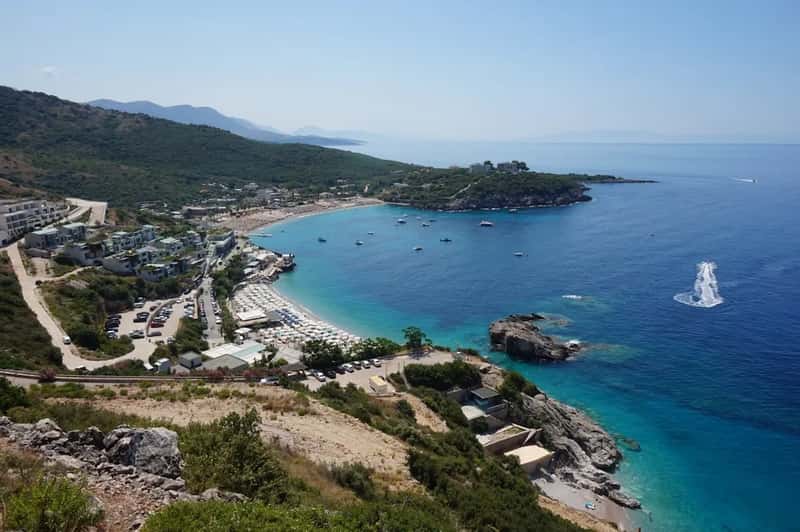
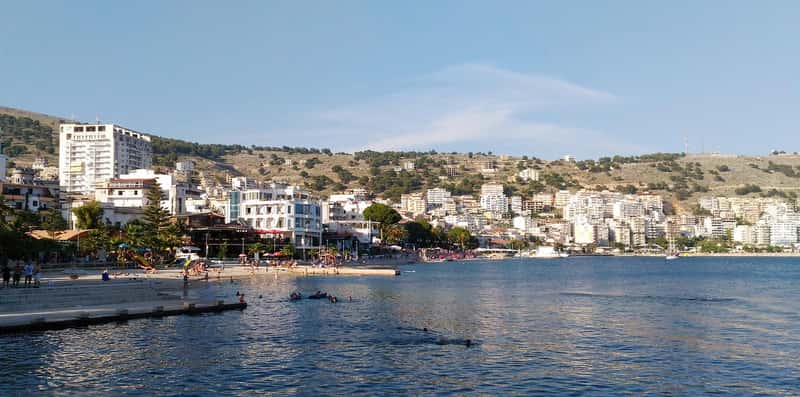
Most of the actual buyer interest is concentrated along a handful of coastal towns rather than spread evenly across the country. Coastal markets such as Saranda and Vlora are seeing strong demand from international buyers and tourism investors, with towns like Saranda, Ksamil, and Vlora now attracting steady interest for holiday apartments and short-term rentals. These are the places locals sometimes call the Albanian Riviera.
The comparison to the Greek islands comes up often, and the description of Albania as Europe’s last affordable Mediterranean destination has started appearing in wider media coverage. American buyers who look at these towns tend to gravitate toward sea view apartments rather than land, partly because land purchases carry more legal complexity for foreigners.
Tirana’s pull for buyers who want city life
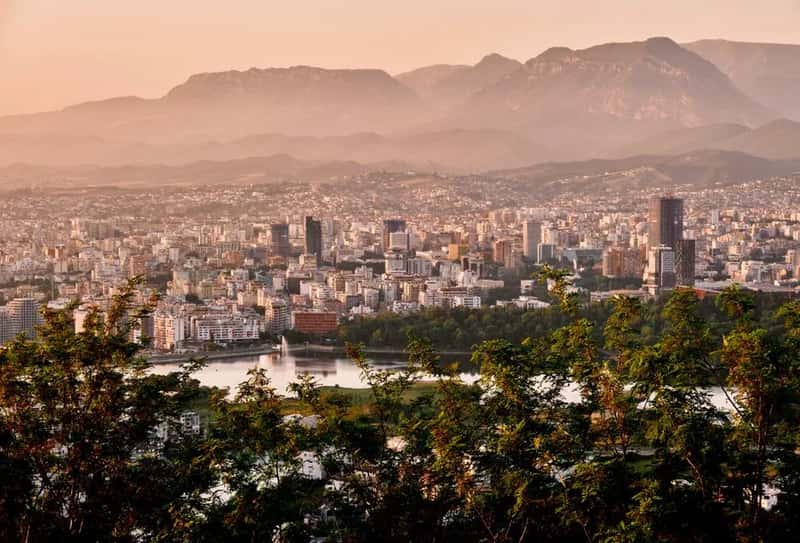
Not everyone wants a beach town, and Tirana has become the other major draw for foreign buyers who prefer urban amenities. Most American expats and property buyers in Albania concentrate in Tirana’s popular neighborhoods like Blloku, Komuna e Parisit, and the area around the Artificial Lake, while coastal cities such as Saranda, Vlora, and Durrës also attract a growing number of Americans looking for beachside living. The capital offers a different rhythm than the coast, with more restaurants, offices, and international schools packed into a compact footprint.
Pricing in Tirana reflects that demand. A two bedroom apartment in the capital typically runs from roughly ninety thousand to a hundred sixty thousand euros, comparable to what buyers would pay for a smaller unit in Saranda, though the lifestyle on offer is entirely different.
The tourism numbers behind the demand
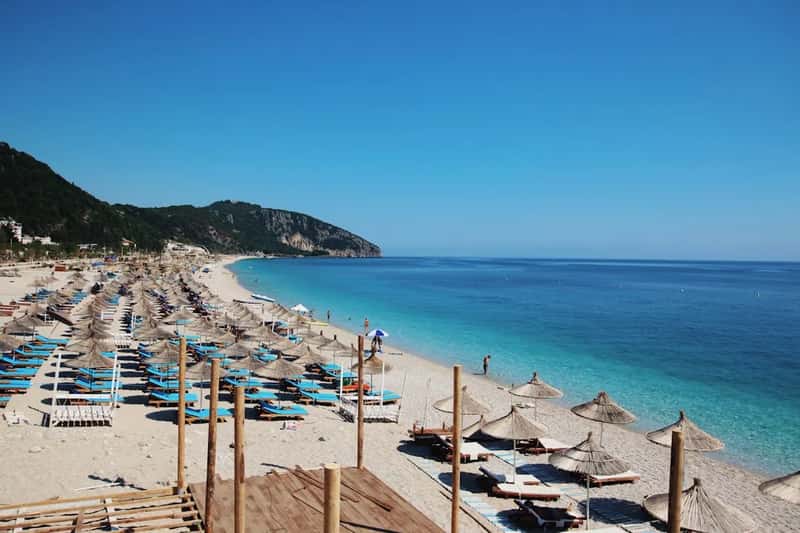
Property demand rarely exists in a vacuum, and Albania’s case is tied closely to its tourism boom. According to INSTAT, Albania was visited by 12.47 million foreign citizens in 2025, compared to 11.70 million a year earlier, an increase of about 6.6 percent. That volume of visitors has helped justify the wave of new coastal construction springing up in towns that were sleepy fishing villages not long ago.
The growth has also shown up in pricing data tracked by Albania’s central bank. The Bank of Albania housing price index shows housing prices rose about 14.6 percent over six months and 41.7 percent year over year in recent data. That kind of appreciation is unusual for a European market and has become part of the pitch to prospective buyers, even as some analysts caution it can’t continue indefinitely.
Where Americans still fit in a small foreign community
Despite the growing chatter, Albania’s American resident population remains genuinely small in absolute terms. The American resident community in Albania is estimated at a few hundred to roughly 1,000 US citizens holding residence permits, based on INSTAT data showing the entire Americas, Africa and Oceania group totals just 3,028 out of 21,940 foreign residents at end-2024. That’s a fraction of the size of the Italian, Kosovar, or Turkish communities already established there.
The American expat community is clearly growing, fueled by social media exposure, remote work flexibility, and Albania’s EU accession process, though it remains a small niche compared with the much larger communities from Kosovo, Italy, and Turkey. In other words, this is still early days rather than a mature trend, which is part of what makes the country feel overlooked rather than discovered.
What can go wrong if you skip the homework
None of this means buying in Albania is risk free, and anyone doing serious research runs into the same warnings repeatedly. Nearly 70 percent of civil cases in Albanian courts involve land disputes, making thorough title verification through the State Cadastre Agency absolutely essential before any purchase. That single statistic explains why nearly every guide on the subject insists on independent legal review before signing anything.
Liquidity is another factor buyers underestimate. Market liquidity remains low, with the average time to sell a property running six to ten months, significantly longer than in developed markets, which increases the time required to exit an investment. There’s also a foreigner premium to watch for, since foreigners typically overpay by an estimated 5 to 10 percent compared to locals for similar properties in hot markets like central Tirana and Saranda.
The actual cost of closing a deal

Beyond the purchase price itself, buyers should budget for a modest but real set of closing costs. Total closing costs in Albania typically range from 4 to 5.5 percent of the purchase price for a standard transaction, stretching to around 7 percent if a buyer-side agency fee applies, with fees covering property transfer tax, notary fees, cadastre registration, legal fees, and any agent commission. That’s noticeably lower than closing costs in many Western European markets.
Ongoing ownership costs are equally light. Albania’s annual property tax of 0.05 percent is among the lowest in Europe, meaning a 200,000 euro villa costs only about 100 euros per year in property taxes. For buyers comparing carrying costs across multiple countries, that figure alone tends to stand out on the spreadsheet.
A market still finding its shape
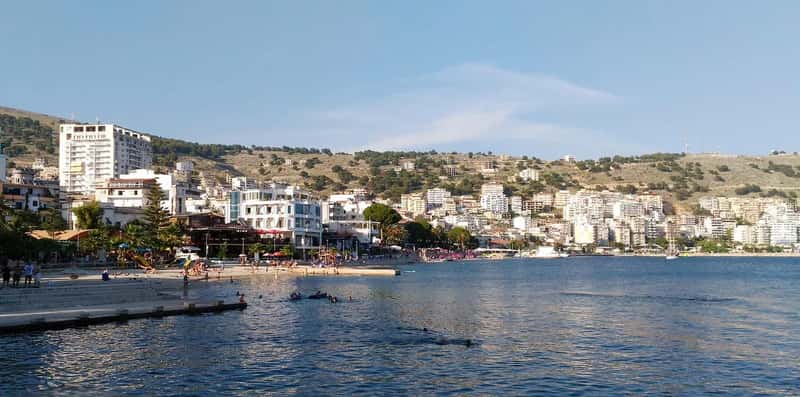
Albania isn’t going to replace Spain or Portugal as the default answer to where Americans buy property abroad, at least not yet. What it offers instead is something rarer in European real estate right now: a coastline that hasn’t fully caught up to its own potential, priced accordingly, with a legal system that treats foreign buyers the same as locals. Whether that stays true as more people catch on is the open question every early buyer is quietly betting on.