Ajijic used to be a fishing village most Americans couldn’t find on a map. Now it shows up in retirement planning spreadsheets right next to Sarasota and Scottsdale. The shift toward smaller Mexican towns, rather than the big resort strips of Cancún or Los Cabos, has quietly become one of the more interesting stories in American retirement over the past two years.
Part of it comes down to money, part of it comes down to pace of life, and part of it is simply that word travels fast once a few thousand retirees settle somewhere and start posting about it online. What follows is a look at where this movement is actually happening, why it keeps growing, and what the numbers say about the tradeoffs involved.
A migration that keeps building momentum
More than 800,000 expat retirees live in Mexico, and about 1.6 million U.S. citizens reside there according to State Department figures. That’s not a small niche group of adventurous types. It’s a population roughly the size of a mid-sized American metro area, and it keeps growing every year.
Mexico is the single most popular retirement destination for Americans abroad, and the Pacific coast, the Bajío highlands, and Lake Chapala have all built genuine American retiree economies around them. What’s changed recently is the direction of new arrivals. Fewer people are landing exclusively in Cancún-style resort zones, and more are heading toward smaller inland and lakeside towns where the dollar goes further and the pace feels less like a vacation and more like an actual life.
The dollar stretches much further off the tourist strip
Money remains the most obvious draw, and the gap is real. A retired couple can live comfortably in most Mexican cities on $2,000 to $3,500 per month, with coastal tourist cities running higher and inland colonial towns and mid size cities running lower. That range covers rent, groceries, utilities, and enough left over for the occasional dinner out.
Smaller cities tend to sit at the lower end of that scale, which is precisely why they’ve become so appealing. Cost of living runs a third to a half of what you would pay in California or the Northeast, with year-round mild weather in many regions and world-class private healthcare for a fraction of US prices. For someone living on a fixed Social Security check, that difference can be the line between scraping by and actually enjoying retirement.
Lake Chapala’s small towns remain the center of gravity
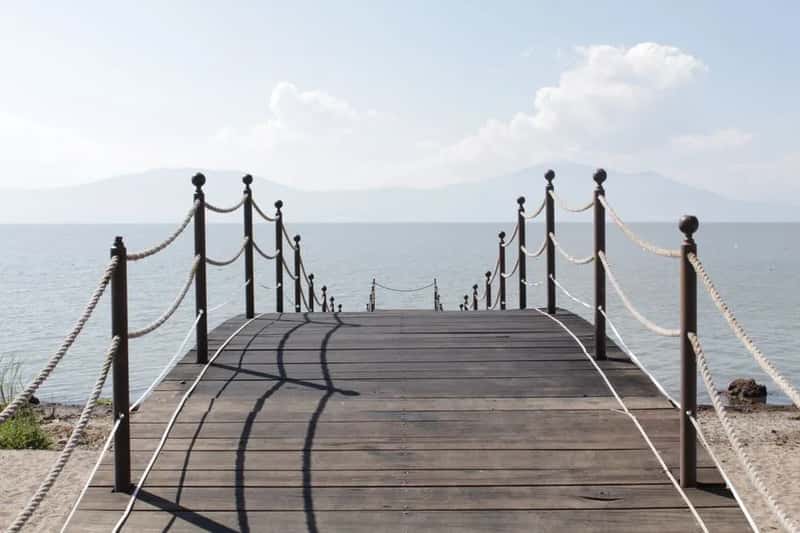
Ajijic and neighboring Chapala, on the shores of Mexico’s largest lake, are often the first stop for Americans exploring the smaller-city option. Along Lake Chapala’s shores are two small, idyllic colonial towns, Chapala and Ajijic, that have attracted an estimated 20,000 long-term expats. Other estimates put the figure closer to 15,000, but either way it’s one of the densest concentrations of American retirees anywhere outside the United States.
The Lake Chapala area, particularly Ajijic, has one of the biggest concentrations of retirees from the United States. The appeal is straightforward: a mild climate that rarely dips into extremes, a well-established support network, and enough infrastructure nearby in Guadalajara to handle anything the smaller towns can’t. It’s less flashy than a beach resort, but that’s sort of the point.
San Miguel de Allende draws the culturally curious
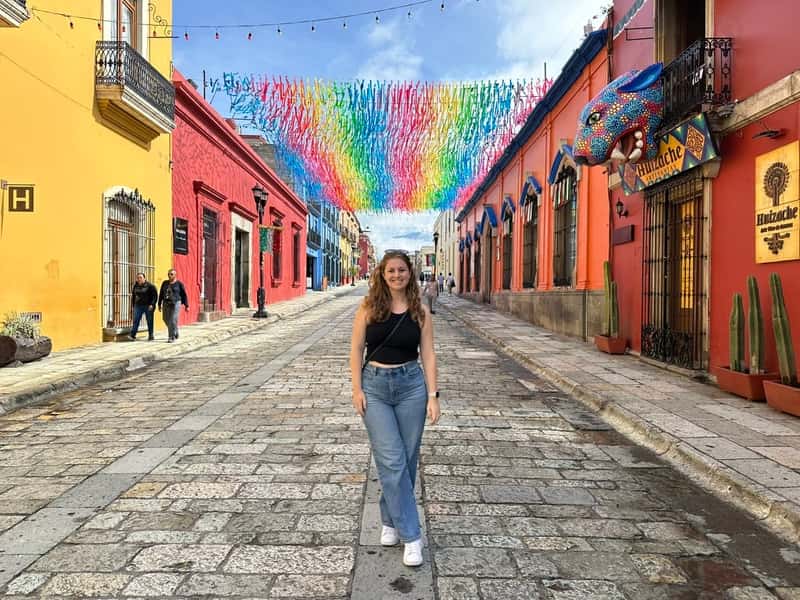
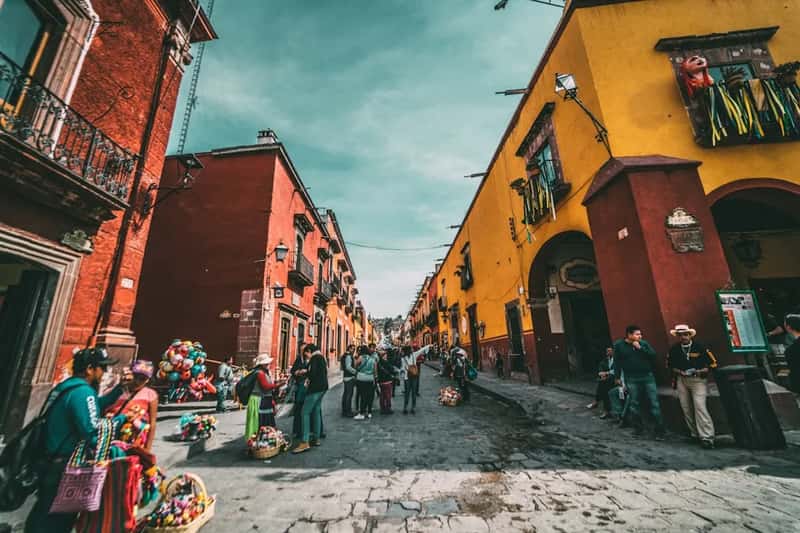
San Miguel de Allende has built its reputation on cobblestone streets, colonial architecture, and an arts scene that punches well above its population size. A growing number of Americans and Canadians are drawn to Mexico’s smaller colonial towns and lakeside villages, places where the days move at the speed of a morning market visit rather than a commute, trading high-rise convenience for cobblestone streets, long lunches, and a slower sense of time. San Miguel tends to top these lists more than any other town.
What keeps it interesting for retirees is the balance it strikes. It’s small enough to walk everywhere, yet it has enough galleries, language schools, and expat social clubs to keep boredom at bay. American stores like Costco and Walmart are about 45 minutes away by car in Queretaro, which is close enough to feel reassuring without turning the town itself into another big-box suburb.
The Yucatán’s quieter towns are gaining ground

Mérida and its surrounding smaller communities have picked up steam among retirees who want colonial charm without the crowds of central Mexico. For some retirees, living on Social Security alone is possible in lower-cost cities like Mérida or smaller towns. That affordability, combined with a reputation for safety relative to other parts of the country, has made the region increasingly attractive.
Nearby beach towns add another layer of appeal for people who want coastal access without coastal prices. Progreso, only 30 minutes from Merida, offers beach access on a budget. It’s the kind of arrangement that lets retirees split their time between colonial city life and a quiet stretch of Gulf coast, all within a short drive.
Baja California’s smaller beach towns offer a different rhythm
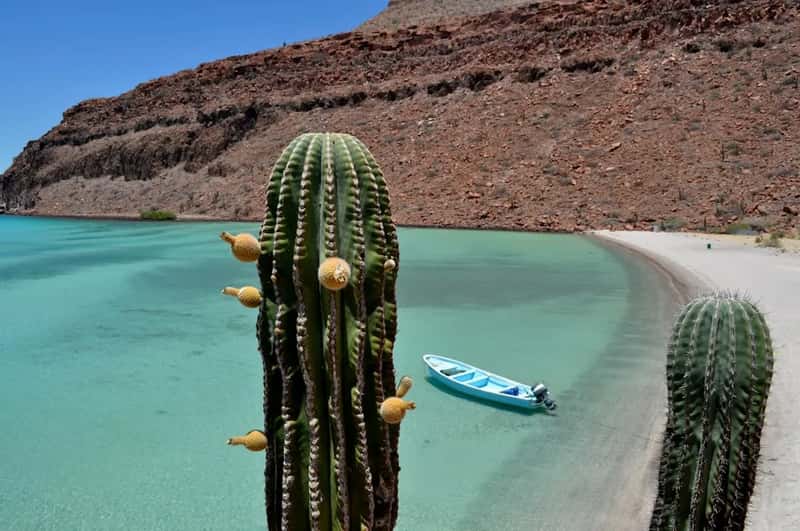
Not every retiree wants a colonial plaza. Some want sand, surf, and a slower Pacific pace, and Baja California’s smaller towns deliver that without the density of Los Cabos. Todos Santos is a small beach town on the Baja Peninsula located halfway between Cabo San Lucas and La Paz, known for its vibrant artistic community, with a population of 7,000 made up of a mix of expats and Mexicans.
La Paz, a bit larger but still modest by Mexican city standards, offers something similar without the tourist churn. La Paz is a Baja beauty with clear waters and relaxed vibes, perfect for low-key retirees who want beauty without tourism chaos. The tradeoff in these smaller Baja towns is fewer big chain stores and a bit more reliance on local markets, but for many retirees that’s a fair exchange for the quiet.
Getting the visa has gotten noticeably harder

The financial bar for retiring in Mexico has moved up substantially heading into 2026, and it’s caught some prospective retirees off guard. Mexico raised its financial bar for residency significantly heading into 2026, with many consulates now benchmarking income to approximately $4,400 USD monthly for temporary residency, while some require upwards of $7,400 USD monthly for permanent residency applied for directly.
For retirees without steady income at that level, there’s still a savings-based path, though it’s also gotten pricier. The savings alternative moved too, with applicants now needing to show an average savings or investment balance of approximately $74,000 USD over the last twelve months. Anyone planning a move should check current consulate requirements directly rather than relying on older figures, since thresholds are adjusted annually and vary by location.
Healthcare costs a fraction of what it does at home

For retirees over sixty, healthcare access often decides where they end up settling, and Mexico’s private system has a strong track record. The Hospital Ángeles chain operates 28 facilities nationwide with modern equipment and US-trained doctors, and in the Lake Chapala area, Hospital San Javier and Hospital Country 2000 in Guadalajara offer excellent care.
Public healthcare through IMSS is even more affordable, and prescription costs are dramatically lower than in the United States. IMSS is available to residents for approximately $500 per year, though it involves longer wait times, and prescription medications are often available without a prescription at 50 to 80 percent below US prices. Most retirees keep Medicare Part A active in case they return to the US, but rely on Mexican coverage day to day.
Safety concerns haven’t reversed the trend, but they factor in

It would be misleading to pretend safety never comes up in these decisions, because it does, and the perception has shifted in some regions. A national survey found that 63.8 percent of respondents across 91 Mexican cities consider their place of residence unsafe, a figure that rose 2.1 points compared to a year earlier, even as certain crime categories technically declined.
That said, perceptions of safety vary enormously by region, and the towns most popular with retirees, places like Ajijic, San Miguel de Allende, and Mérida, tend to have reputations for being calmer than the national average. Retirees researching a move generally spend time in a town before committing, which helps them judge local conditions rather than relying on nationwide statistics alone.
Social Security and taxes work in retirees’ favor
One reassuring detail for anyone nervous about the financial mechanics: American retirement income keeps flowing normally regardless of where someone lives. Over 700,000 Americans collect Social Security abroad, and Mexico is the single largest recipient country, with benefit amounts staying the same whether someone lives in Phoenix or Puerto Vallarta.
The purchasing power of that check simply goes further in a smaller Mexican city than it would almost anywhere in the US. The average US Social Security retirement benefit in 2026 is approximately $1,900 per month, which funds a genuinely comfortable retirement in most Mexican cities, with money left over for dining out, travel, and entertainment. That single fact, more than any brochure or blog post, explains why the trend keeps building rather than fading.
The bigger picture behind the move
Smaller Mexican cities have become appealing to American retirees for reasons that reinforce each other rather than standing alone. Lower costs, decent healthcare, established expat networks, and a slower pace of daily life all point in the same direction. The visa rules have gotten stricter and the safety picture is mixed depending on where someone looks, but neither has been enough to slow the overall flow south.
What seems to be happening is less a single dramatic decision and more a gradual sorting process, where retirees compare a handful of towns, visit a few in person, and settle somewhere that fits their budget and temperament. Ajijic, San Miguel de Allende, Mérida, and the smaller Baja towns each offer a slightly different version of the same basic trade: less money spent, more life lived.