For decades, Mexico was the default answer whenever someone asked about retiring abroad. Cheap tacos, cheap rent, a short flight home for the holidays. Lately, though, the conversation among retirees has shifted, and Panama keeps coming up as the country stealing Mexico’s thunder. It’s not just chatter on expat forums either. Data, rankings, and a wave of relocation firms all point to the same trend: a growing number of Americans nearing retirement are quietly rerouting their plans south of Costa Rica instead of settling for the usual Mexican hotspots.
The reasons are layered. Some of it comes down to safety concerns that have intensified in recent years. Some of it is about money, visas, and how far a fixed income actually stretches. And some of it is simply that Panama has spent the last two years racking up accolades that are hard to ignore, including a very public crown as the world’s best retirement destination.
The Mexico Fatigue Setting In
Mexico’s safety picture has grown murkier, even if the reality is more complicated than headlines suggest. A national survey found that 63.8 percent of respondents across 91 Mexican cities consider their place of residence unsafe, a figure that rose 2.1 points compared to a year earlier, even as certain crime categories technically declined. Meanwhile, organized crime homicides have climbed dramatically over the years, and 2026 has brought fresh instability as the CJNG and Sinaloa Cartel have fractured, a shift widely seen as making violence less predictable rather than less frequent. For retirees who just want a quiet, low-stress chapter of life, that kind of uncertainty weighs heavier than it might for a younger traveler.
Bureaucracy has added to the frustration. Mexico closed a popular pathway to legal status when the Mexican government officially suspended the RNE program nationwide on May 5, 2025, ending one of the most accessible residency routes in the country. That program had been a lifeline for retirees who didn’t meet stricter income thresholds required by standard visas. On top of that, Mexico’s temporary residency also requires renewal every one to four years, a recurring hassle that many older expats say they’d rather avoid entirely.
Panama’s Big Moment in the Spotlight
While Mexico was dealing with these headaches, Panama was busy climbing the rankings. In late 2024, Panama claimed the top spot in International Living’s Annual Global Retirement Index for 2025, unseating Costa Rica, which dropped to third place behind Portugal. The index doesn’t just measure vibes. It evaluates seven categories including cost of living, healthcare quality, climate, infrastructure, visa and residency processes, retiree benefits, and community integration, and Panama scored well across nearly all of them.
Interest didn’t stay theoretical, either. Following the 2024 U.S. election, International Living reported a surge in traffic to its relocation guides, noting that views on pages like ‘How to Move Out of the US’ skyrocketed by 778 percent, with a 764 percent increase on the ‘Move to Costa Rica’ page and Move to Panama increasing by 528 percent in just a few days. That kind of spike suggests this isn’t a niche curiosity. It’s a real and growing pattern among Americans actively planning their exit.
The Pensionado Visa: A Retirement Program Built Differently
Panama’s signature draw is its Pensionado Visa, a program that has existed since the 1980s but keeps getting sharper comparisons to Mexico’s options. Panama’s Pensionado visa gives permanent residency from day one on a $1,000 a month lifetime pension, plus 25 to 50 percent legally mandated Law 6 discounts. Compare that to Mexico, where a pension or Social Security income of $1,000 to $3,000 a month without $175,000 in savings simply isn’t enough to qualify for the standard residency visa. That gap alone has pushed plenty of retirees toward Panama by default.
What makes the Pensionado program stand out further is how little friction it involves once you’re approved. Mexico’s temporary residency requires renewal every one to four years, while Panama’s Pensionado is permanent from the start. There’s also no age cutoff, since the visa is available to anyone eighteen or older, and a 45 year old with a lifetime annuity qualifies on the same terms as a 70 year old with a government pension. For people planning ahead rather than waiting until traditional retirement age, that flexibility matters.
Legally Guaranteed Discounts Most Countries Don’t Offer
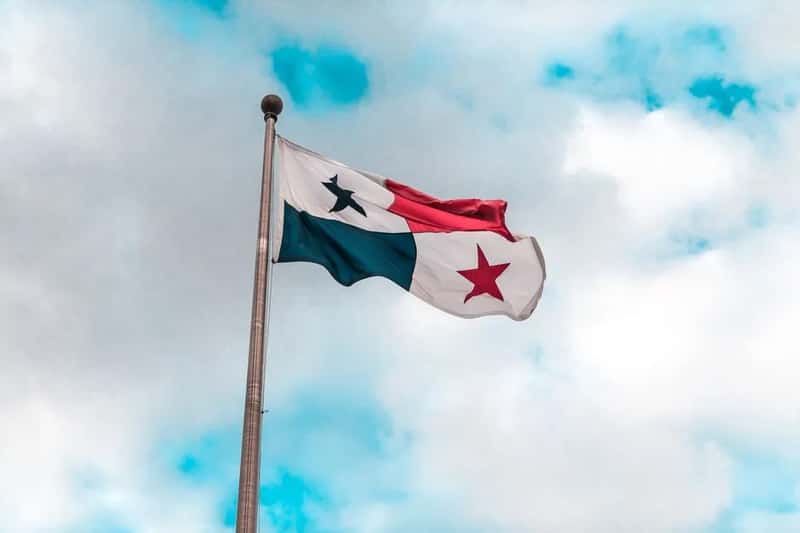
Panama’s Law 6 discounts are one of those details that sound almost too generous until you see them written into law. Retirees get 50 percent off movies and sporting events, 25 percent off restaurant bills and domestic flights, 15 to 20 percent off doctor visits and prescriptions, and 25 percent off utilities. These aren’t goodwill gestures from businesses. They’re enforced. The consumer-protection agency ACODECO enforces them and can fine non-compliant businesses, which gives the whole system real teeth.
For retirees living on a fixed budget, these discounts compound in ways that add up fast. Between reduced healthcare costs, cheaper flights back to visit family, and lower entertainment expenses, the monthly savings become meaningful rather than symbolic. It’s also worth noting that Pensionado holders cannot work as salaried employees in Panama, but they can own businesses, receive dividends, and often perform remote work for foreign clients if their income is paid from abroad, which gives people some flexibility if they want a side project during retirement.
A Dollar-Based Economy Removes a Major Headache

One detail that keeps coming up in retiree interviews is currency. Panama doesn’t have its own fluctuating peso to worry about. Instead, the country uses the US dollar pegged 1:1 to the balboa, which sounds like a small technical detail until you realize what it means in practice. American retirees face zero currency conversion risk, since Social Security and pension payments arrive and are spent in the same dollars. That’s a real relief for anyone who has watched exchange rates eat into a fixed income elsewhere.
Mexico, by contrast, ties retirees to the peso’s ups and downs, adding a layer of financial unpredictability that doesn’t exist in Panama. For people living on Social Security or a modest pension, that stability isn’t a minor convenience. It’s often the difference between confidently budgeting years in advance and constantly recalculating what their money is actually worth month to month.
Healthcare That Genuinely Competes With the US

Healthcare quality is usually the deciding factor for retirees choosing between countries, and Panama holds up well here too. The country is home to internationally recognized hospitals, including facilities affiliated with Johns Hopkins International and others with JCI gold-star ratings. Many of the doctors staffing these hospitals bring international training with them, and many are U.S. trained, speak English, and offer a level of personalized care that many expats find superior to what they received back home.
Cost is where things get especially compelling. Private health insurance in Panama costs less than half as much as it does in the United States, and that’s before factoring in the Law 6 discounts on doctor visits and prescriptions. Mexico’s healthcare system has strong points too, but retirees there have run into gaps that Panama doesn’t share, since Mexican policies typically exclude pre-existing conditions, leaving many retirees paying entirely out of pocket for their most common health needs.
Stretching a Retirement Budget Further

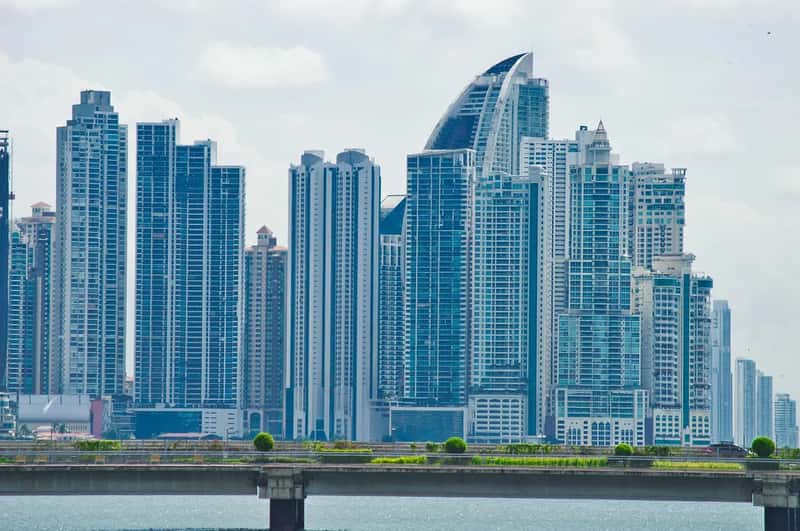
The affordability math genuinely favors Panama in a lot of comparisons. On average, Panama is 53 percent cheaper than the U.S., and for context, Costa Rica, another popular Central American retirement destination, is 11.5 percent more expensive than Panama. A couple doesn’t need a massive nest egg to live comfortably either, since a couple lives comfortably on $2,000 to $3,000 per month depending on the city. Even Panama City, which has a genuinely metropolitan feel, doesn’t demand a metropolitan budget to match.
On top of that, Panama sweetens the deal with tax policy. Panama uses the U.S. dollar and doesn’t tax foreign income, meaning pensions and Social Security checks aren’t clipped by local taxation the way they might be elsewhere. For retirees trying to make a fixed income last for two or three decades, that kind of predictability is worth a great deal, arguably more than a slightly lower grocery bill in Mexico would be.
Finding the Right Corner of Panama
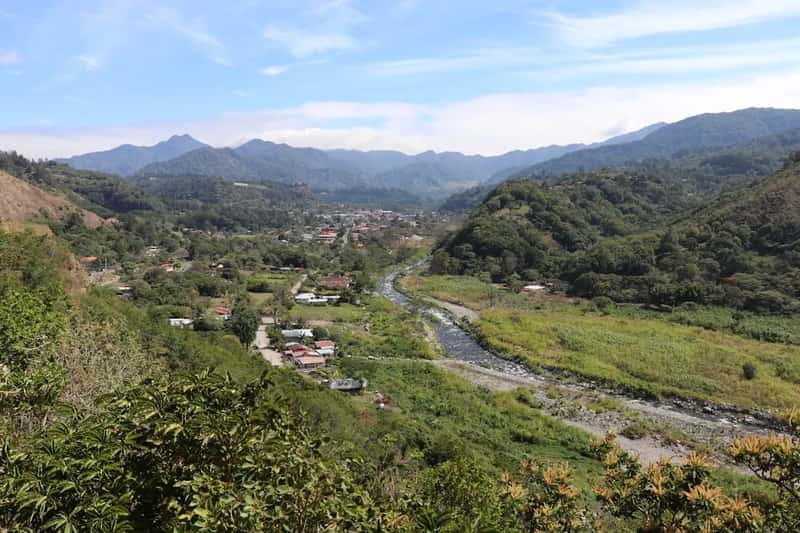
Part of Panama’s appeal is that it doesn’t force retirees into a single lifestyle. Whether you prefer city living, beach communities, or cool mountain towns, Panama offers all three within a relatively compact geography. Boquete, tucked in the highlands, has become something of a flagship community, since it is arguably Panama’s best-known expat retirement community, located in the highlands of Chiriquí Province at approximately 1,200 meters elevation, offering cooler temperatures than the coast.
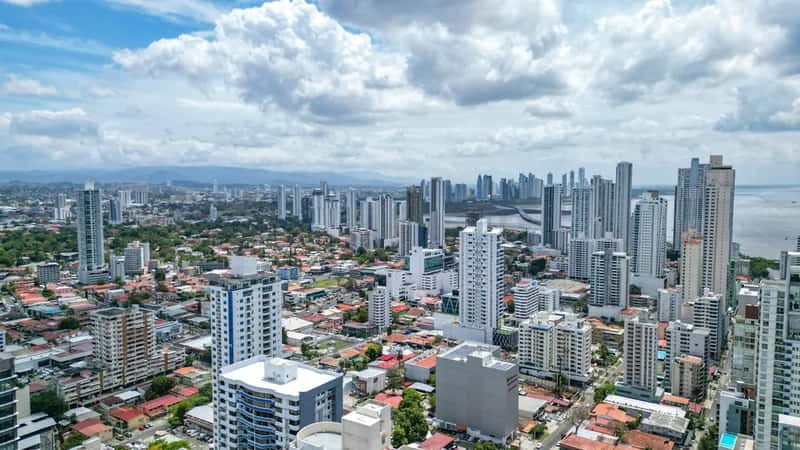
For retirees who want cooler weather without giving up convenience, the highlands solve a real problem. Temperatures in these mountain towns run typically around 18 to 27 degrees Fahrenheit, or 10 to 15 degrees Celsius, cooler than in the lowlands, which matters for anyone coming from a temperate climate who finds the tropical heat overwhelming. Meanwhile, Panama City offers hospitals, shopping, and dining for those who want an urban base, and coastal towns like Coronado give beach lovers their own dedicated communities to settle into.
The Trade-offs Nobody Should Ignore
Panama isn’t a flawless upgrade, and pretending otherwise wouldn’t be honest. The rainy season runs long, since it lasts from around May to November, with rainfall typically greater in the afternoons, and residents in smaller towns or rural areas need to consider flooding risk. Spanish remains the dominant language of daily life, and while English is common in expat enclaves, retirees who never learn at least basic Spanish will find themselves more isolated than they expect.
There’s also an adjustment period that catches people off guard. Longtime residents note that the retirees who struggle are usually the ones who expected Panama to feel exactly like home, or who moved without spending meaningful time here first. The advice from people who’ve made the move successfully is consistent: visit for weeks, not days, and sample more than one region before committing to a property purchase.