
For decades, the retirement playbook was simple: sell the house up north, buy a condo in Florida, and spend your golden years golfing in the sunshine. That script is being rewritten. A growing number of financially sharp, adventurous American retirees are quietly packing their bags for Panama, a small but strikingly livable Central American country that consistently tops international retirement rankings – and for reasons that are hard to argue with.
Panama frequently ranks as one of the best places to retire, recently earning the top spot on International Living’s 2025 Retirement Index. The country’s warm climate, beaches, modern infrastructure, and stable democracy make it an attractive destination for Americans looking to retire outside the U.S. On top of that, Panama is just a three-hour flight away from major U.S. airports, making it easy for retirees to return home and see loved ones. The comparison to Florida is becoming increasingly inevitable – and increasingly favorable for Panama.
Florida’s Retirement Promise Is Getting Expensive to Keep
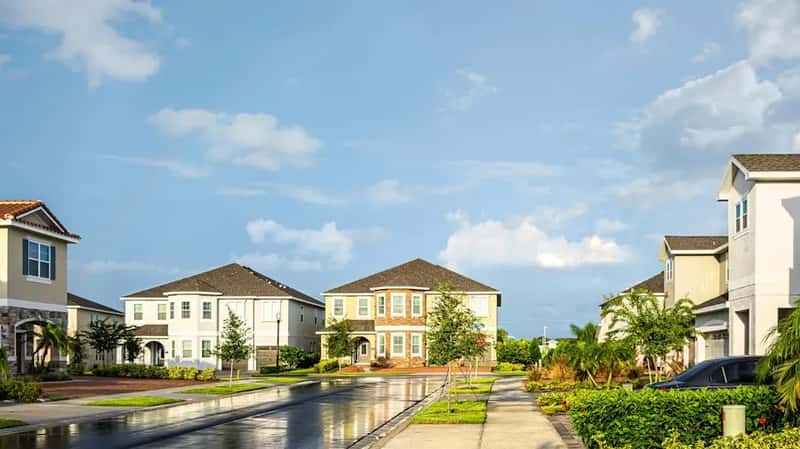
The classic retirement dream of a condo in Boca or a villa in The Villages is facing a financial reality check. While Florida remains a top destination, the cost of living in South Florida metros grew by more than 10% in a single year during the recent inflation spike, outpacing the national average. That kind of financial pressure is impossible to ignore on a fixed income, and it’s only part of the picture.
Florida residents pay the highest home insurance rates in the entire country, with the expectation that this will continue. Data from Insurify found that the average annual home insurance premium nationally was $3,259 in 2024, while Florida was more than four times that amount at $14,140. Rising home insurance rates create serious financial challenges for retirees and families on fixed budgets throughout Florida, with many homeowners facing difficult choices between maintaining adequate coverage and managing monthly expenses.
Panama’s Pensionado Visa: One of the World’s Best Retirement Deals
The Panama Pensionado visa is a permanent residence program for retirees who can prove a guaranteed lifetime pension of at least $1,000 per month. Show that income, document it properly, and you are in – regardless of your age. Panama sets no minimum age for this program. What it cares about is one thing: a pension that pays for life. For a U.S. retiree living on Social Security, this is arguably the cheapest permanent-residency path in the Americas – you get your status from day one, not after years of renewals.
The visa reportedly has a 97% approval rate, and almost 2,000 were granted in 2024. The program offers quick processing, no language requirement, and no investment requirement. Permanent residency is kept with a minimal physical presence of one visit every two years, and the program provides discounts on entertainment, dining, utilities, flights, accommodation, medical and dental services, and medications in Panama. It is, by most measures, an extraordinarily generous setup.
A Discount System Unlike Anything in the United States

There are real economic incentives to move to Panama, put in place by the Panamanian government in the form of one of the world’s most generous retirement discount programs. Whether you’re in the process of planning your retirement or have already made the move, understanding the extensive discounts available through Panama’s Pensionado program can save you thousands of dollars annually. With discounts ranging from 15% to an incredible 50% off everyday expenses, Panama has rightfully earned its reputation as a retirement haven.
Healthcare discounts include 20% off doctors’ bills, 15% on hospital bills when no insurance applies, and 10% off prescription medications. Entertainment discounts run to 50% off movie theaters, cultural events, and sporting events. Hotels, motels, and guesthouses offer 50% off Monday through Thursday and 30% off on weekends, and retirees can enjoy a 25% discount at traditional restaurants. These are legally mandated discounts, not promotional offers that come and go.
The Cost of Living Gap Is Dramatic
Eating out in Panama City costs 38% less than in Los Angeles, while renting a three-bedroom apartment in the town of Boquete is 60% cheaper than in Orlando. Additionally, national healthcare plans in Panama may cost as low as $30 per month, while they can easily exceed $300 a month in the U.S. For retirees watching every dollar, these are not trivial differences – they are life-changing ones.
Retired couples can comfortably live in Panama with a pension income of about $1,200 to $3,000 per month, depending on where they live. If you opt for the countryside, you can get by on less, while the city will require a bit more. Panama’s currency, the Balboa, is pegged 1:1 to the U.S. dollar and the country uses U.S. dollar bills in everyday life, so there is no exchange-rate guesswork – an often-overlooked benefit that removes a real source of financial anxiety for retirees.
Healthcare That Rivals Florida Without the Price Tag
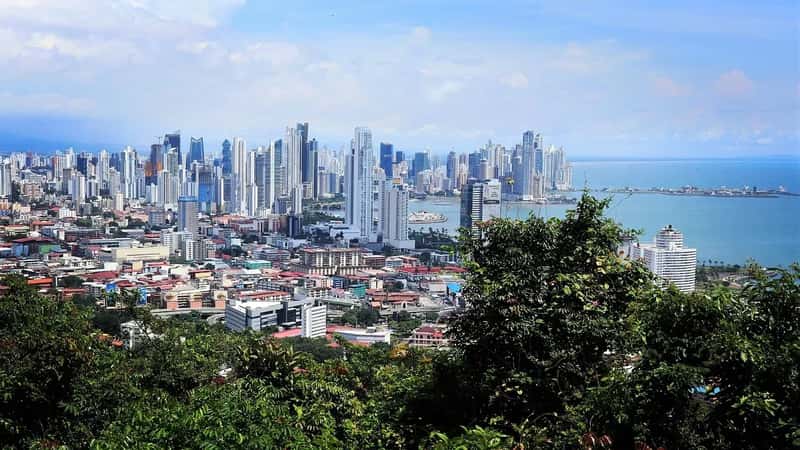
International Living’s retirement index report states that “Panama’s healthcare system rivals the U.S. in quality – without the price tag.” A hospital stay that might cost $30,000 in Miami could be $3,200 in Panama, including CT scans and medication. That kind of difference can erase years of careful retirement savings in a single medical event – or preserve them entirely, depending on where you live.
Panama’s healthcare system ranks 62nd worldwide in the 2025 CEOWORLD Health Care Index. The country has a mixed public system funded through taxation and social security contributions, which provides low-cost care to eligible residents. However, many expats choose to take out private health insurance to access faster service and a broader range of options. Many doctors speak English and have been trained in the U.S., while facilities such as Hospital Punta Pacifica are considered among the best in Central America.
Natural Beauty and Lifestyle Variety That Florida Simply Can’t Match
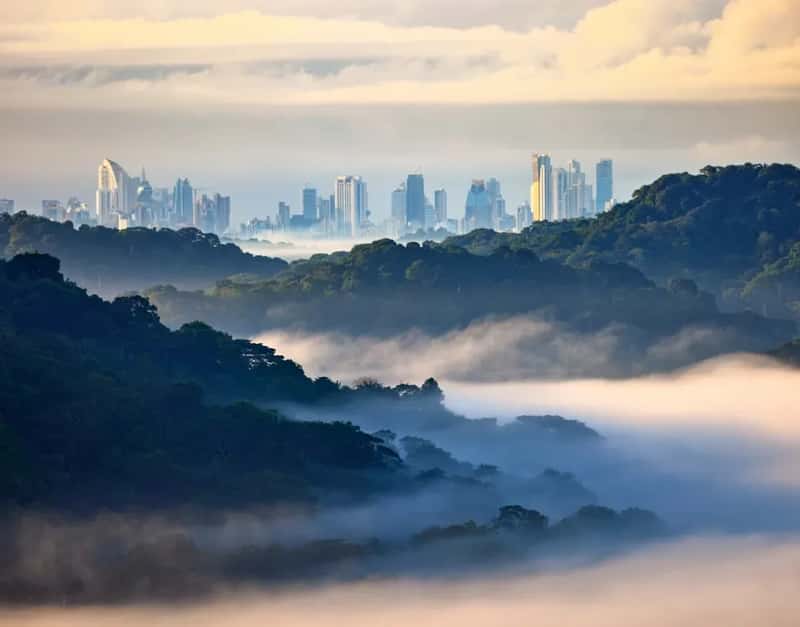
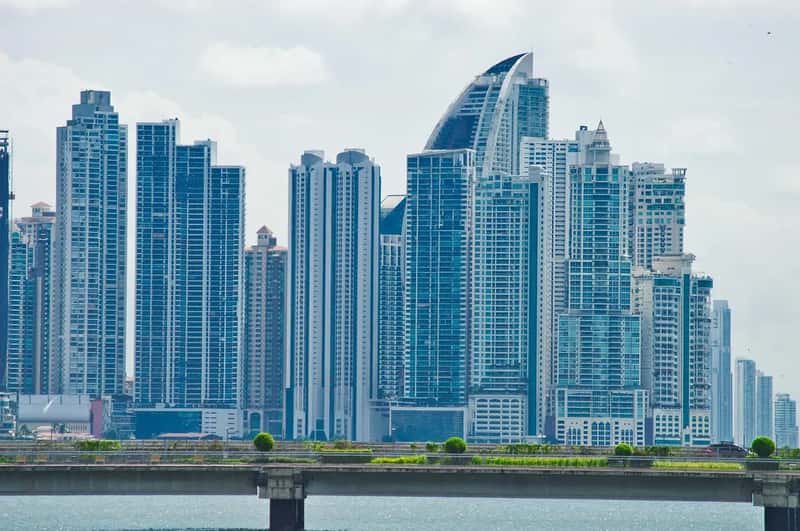
With its lush rainforests, wide beaches, world-class resorts offering a magnificent coastline experience, and charming mix of majestic colonial buildings, colorful houses, and shiny skyscrapers, Panama is an attractive choice for tourists and retirees alike. Luxury and mid-range cruises along the Panama Canal, a maritime engineering marvel, are extremely popular from November through April. The sheer variety of environments on offer is something that surprises most newcomers.
Panama is a tropical country with access to both the Caribbean Sea and the Pacific Ocean. Retirees can enjoy year-round warm weather and no cold winters, with average summer temperatures of 82–90°F. There are typically between 200 and 300 days of sunshine per year, depending on where you retire. You can choose to enjoy this climate in a variety of environments, including beaches, mountains, and rainforests. For those who don’t want too much heat and humidity, highland areas like Boquete offer slightly cooler temperatures. That alone sets Panama apart from the flat, coastal uniformity of Florida.
The Hurricane Math Is Working Against Florida
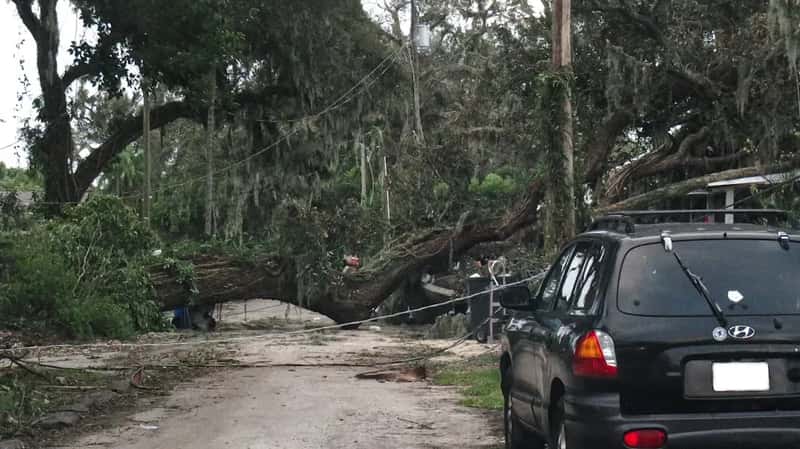
Looking at National Centers for Environmental Information data, Florida has experienced 94 separate weather-related events – including drought, flooding, freezing, severe storms, wildfires, and tropical cyclones – each with more than $1 billion in damage, between 1980 and 2024. Tropical cyclones clearly top the list and account for 93.5% of total costs. All told, weather-related events have caused between $300 and $450 billion in damage during this period, with nearly 40% of the costs attributed to events occurring just from 2022 to 2024.
Climate concerns are playing a real role in this geographic shift. The 2024 hurricane season led many retirees in the Southeast to reconsider their proximity to the coast and seek more stable climates where their Social Security checks can stretch further. FEMA’s 2024 flood-map update substantially expanded flood risk across South Florida, adding roughly 138,800 structures to high-risk zones and forcing many more homeowners to buy costly flood coverage. Panama, sitting south of the hurricane belt, largely avoids these catastrophic weather events.
Community, Stability, and the Practical Side of the Move
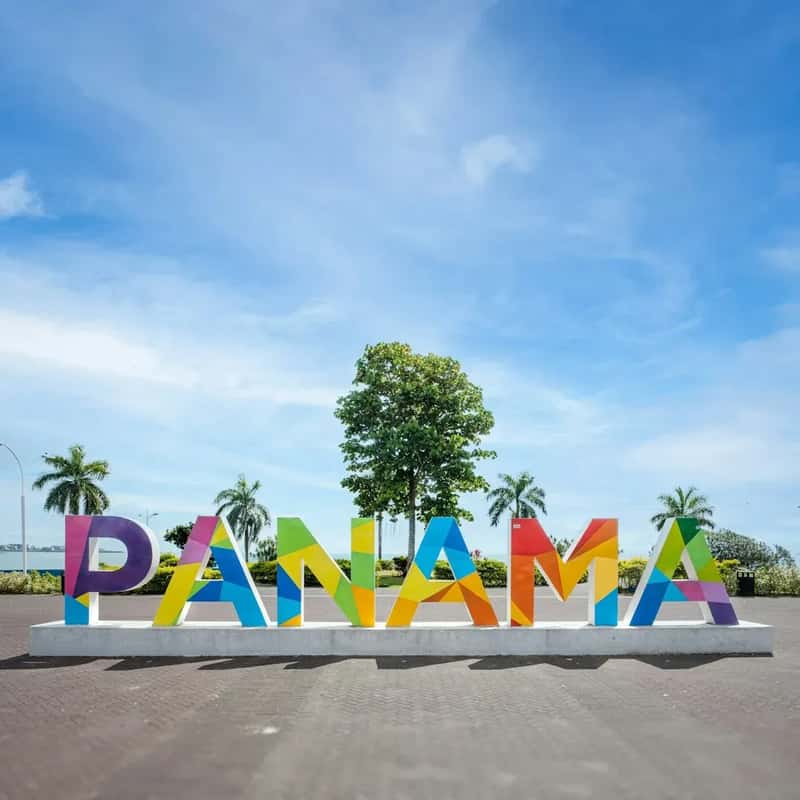
Panama is the frontrunner across all countries in International Living’s retirement index visa and retiree benefits category. It has long been courting U.S. retirees, and its Pensionado Program offers impressive perks: 50% off entertainment, 30% off transport, 25% off airfares, 15% off medical bills, and discounts on everything from electricity to eating out. Beyond the discounts, there is a well-established and growing American expat community in cities like Panama City and the cooler highland town of Boquete, making social integration genuinely manageable.
Americans can collect Social Security benefits while living abroad in most countries, and the Social Security Administration allows payments to be sent to over 130 countries. Maintaining residency simply requires setting foot in Panama at least once every two years – a remarkably light commitment that leaves retirees free to travel, visit family, or return to the U.S. without penalty. Add the use of the U.S. dollar, the short flight time, and English-speaking doctors, and the practical barriers to making the move are far lower than most people expect.
Is Panama Right for Every Retiree? A Balanced View

Panama is not a perfect fit for everyone, and it would be dishonest to suggest otherwise. While public healthcare in Panama is generally good, and English-speaking doctors can be found in major cities, there are limitations, including fairly basic facilities by global standards especially outside of big cities, as well as longer waits for some treatments. Grocery costs, certain imported goods, and the pace of bureaucracy can frustrate those accustomed to American consumer convenience.
There’s more to moving abroad in retirement than the cost of living. Before making the big move, it helps to visit the country you’re most interested in and stay long enough to get a true sense of the area. Speaking with locals and other expats can reveal what they love – and what they’re not wild about. Making sure the lifestyle you’re picturing is one you can realistically afford and adapt to is essential. The retirees who thrive in Panama tend to be those who do their homework, visit first, and approach the transition with open eyes and genuine curiosity about a new way of life.
For those who do make the leap, the financial logic is hard to dismiss. Swapping Florida’s sky-high insurance bills, hurricane anxiety, and inflated cost of living for permanent residency, legally mandated discounts, affordable healthcare, and year-round tropical weather is a trade that a growing number of savvy Americans are deciding is very much worth making. The Sunshine State will always have its appeal – but Panama is quietly, confidently, making its own case.