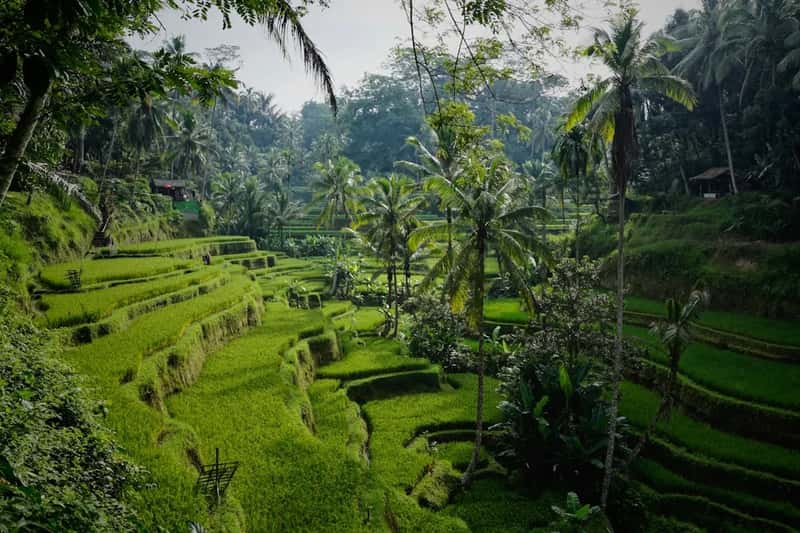
For the better part of a decade, Bali held the crown as the undisputed capital of the remote work world. Rice terraces, cheap smoothie bowls, and a laptop-friendly beach culture made Canggu synonymous with the digital nomad lifestyle. Yet walk into any coworking space in Mexico City’s Roma Norte or Playa del Carmen’s beach clubs this year, and you’ll notice something has shifted. A growing number of remote workers, especially Americans and Canadians, are quietly rerouting their plans away from Indonesia and toward Mexico, and the reasons go well beyond flight times.
The change isn’t just anecdotal chatter on nomad forums. It reflects a mix of tightening immigration enforcement in Indonesia, a maturing and increasingly convenient expat ecosystem in Mexico, and a broader rethink of what actually makes a place livable for months at a time rather than just photogenic for a week.
A Visa Landscape That’s Getting Stricter in Bali
Indonesia has spent much of 2025 and 2026 cracking down hard on foreigners working illegally on tourist visas. Reports show that Bali immigration formed a 100-person task force patrolling 10 popular areas including Canggu and Seminyak, with 331 deportations recorded from Ngurah Rai immigration office alone in 2025. Enforcement has gotten personal too, with Indonesia deporting remote workers, raiding coworking spots in Canggu, and checking LinkedIn profiles, meaning a casual “freelance creative” bio on social media can now trigger scrutiny.
Indonesia does technically offer a Remote Worker visa known as the E33G, but it comes with real limits. It is the legal route for working remotely from Bali while employed by or contracting for companies outside Indonesia, though it does not allow working for Indonesian companies or providing services to Indonesian clients. Even that formal pathway hasn’t solved the underlying tension, and immigration enforcement on this has tightened significantly through 2025 and 2026. Mexico, by contrast, has no dedicated nomad visa either, but its enforcement culture feels markedly different in practice.
Mexico’s Informal Approach Still Feels Easier
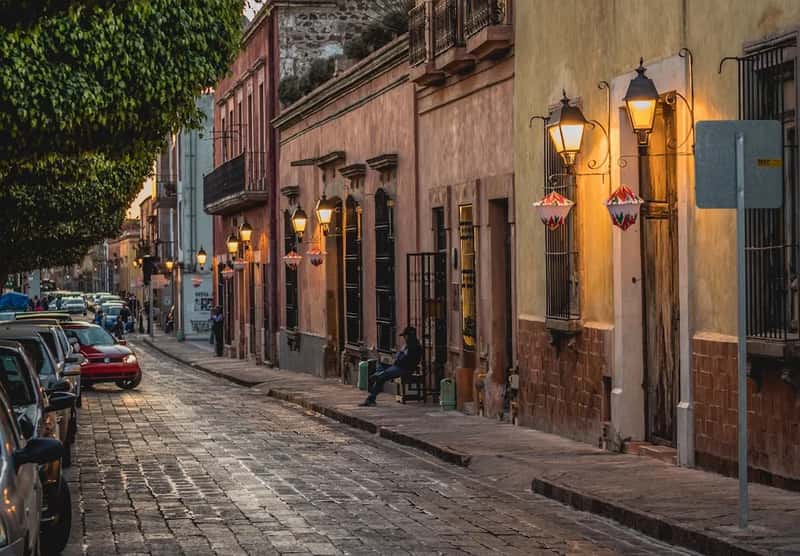
Technically, Mexico offers remote workers no special nomad permit. As one 2026 guide puts it plainly, Mexico does not actually have a dedicated digital-nomad visa in 2026, which surprises many remote workers. The real workaround is the Temporary Resident Visa, and granted initially for a year and renewable up to four years total, it lets you live in Mexico legally, open bank accounts and import belongings.
What sets Mexico apart isn’t the paperwork, it’s the atmosphere around enforcement. A recent comparison of nomad destinations noted that Mexico generally takes a hands-off approach unless you’re obviously running a business that competes with locals. Many remote workers simply enter on a tourist stamp and work for foreign clients without much friction, since Mexico has no dedicated nomad visa; remote workers use the 180-day tourist entry or a Temporary Resident Visa. That relaxed posture, compared to Indonesia’s task forces and social media sweeps, has become a genuine selling point.
Proximity to Home Changes Everything
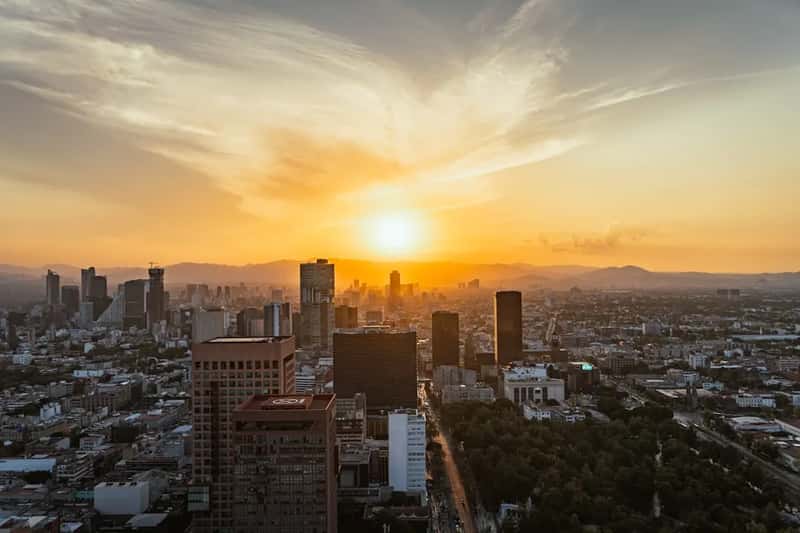
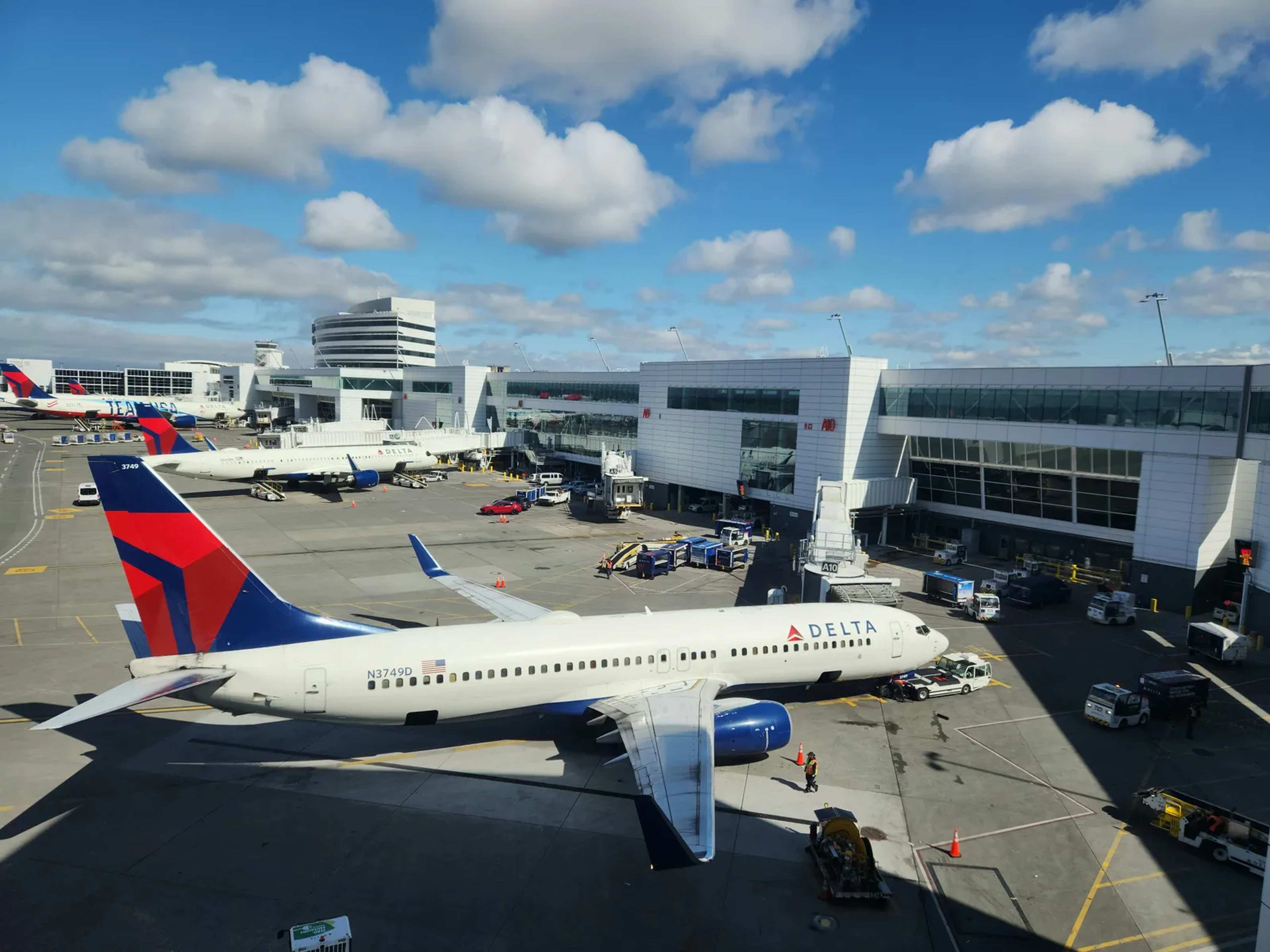
Geography is doing a lot of heavy lifting in Mexico’s favor. Remote workers based on the US East or West Coast can be in Mexico City, Tulum, or Guadalajara in a matter of hours rather than a full day of connecting flights. As one guide summarizes, Mexico keeps showing up on best places to work remotely lists because the fundamentals are genuinely strong, with proximity to the US and Canada meaning a 2 to 5 hour flight from most major cities and no 14 hour travel days to start a new life.
Time zones matter just as much as flight duration. Working from Mexico often means staying within one to three hours of US business hours, which makes client calls, team meetings, and collaborative work dramatically easier than juggling a twelve or thirteen hour gap from Bali. That overlap is a quiet but powerful reason freelancers and contractors serving US-based clients increasingly favor Mexico. The proximity to the US, peso-denominated cost of living, and the sheer quality of life make Mexico the most popular destination for American remote workers regardless of formal visa programs.
The Cost Picture Has Shifted, But Mexico Still Wins on Value
It would be misleading to call Mexico dirt cheap in 2026. The peso has strengthened considerably, and the Mexican peso strengthened significantly against the US dollar between 2020 and 2024, moving from roughly 24 pesos per dollar to 16 to 17 pesos per dollar, and has since stabilized in the 17 to 18 range as of early 2026. That means the pandemic-era bargain pricing that first drew nomads to places like Mexico City has softened somewhat, and popular neighborhoods have felt it directly, since the influx of remote workers has had a measurable impact on rents in popular neighborhoods, with Mexico City’s Roma Norte seeing rents increase 40 to 60 percent since 2020 in dollar terms.
Even with that adjustment, Mexico remains a strong value proposition overall. Data from 2026 shows that a single person can expect a lifestyle that is 30 to 70 percent less expensive than a comparable one in the United States or Canada, with the savings most pronounced in housing, healthcare, and everyday services. Smaller cities offer even more breathing room, since living a great life in a major hub like Mexico City might run between $1,500 to $2,200 a month, while a charming colonial city like Mérida or the artistic heart of Oaxaca can drop that number to just $1,100 to $1,500. Bali’s budget-friendly reputation still holds for basic living, but its own costs have crept upward too, with typical monthly expenses for remote workers there ranging widely depending on lifestyle and location.
Bali’s Overtourism Problem Has Become Impossible to Ignore
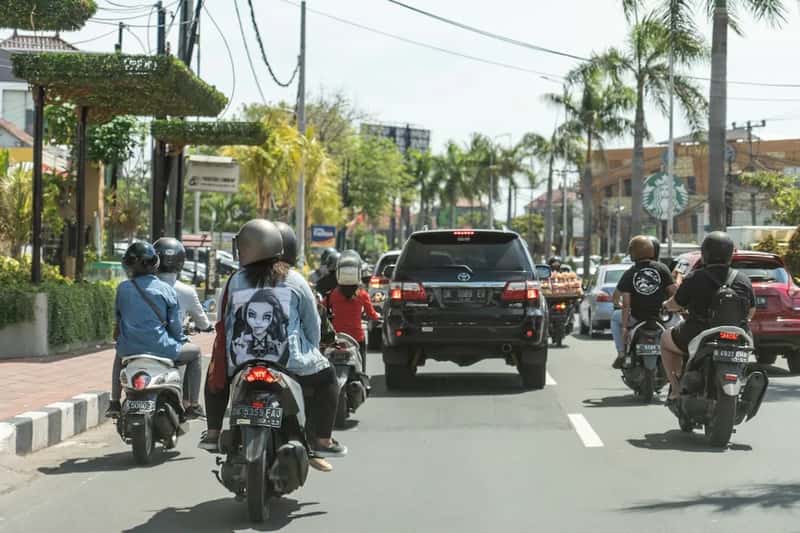
Part of what’s pushing people away from Bali isn’t regulatory, it’s environmental and experiential. The island welcomed a staggering number of visitors recently, and in 2026, the Indonesian island was crowned the world’s top travel destination after a record 2025 that brought nearly seven million international visitors and more than 16 million total arrivals. That volume has visible consequences, particularly in the areas nomads once flocked to, where peak-hour traffic speeds in parts of Canggu and Seminyak can drop to little more than walking pace, drainage systems struggle during heavy rains producing localised flooding, and rapid construction has steadily replaced agricultural land.
The strain isn’t just inconvenient, it has contributed to real disasters. Experts pointed to development patterns after severe flooding, noting that massive development to support tourism in Bali has reduced the island’s water catchment areas, making it more vulnerable to disasters, something the September 2025 floods made visible, with experts blaming overtourism and land conversion for worsening the disasters. For remote workers who once romanticized Bali’s rice paddies and quiet cafes, the daily reality of gridlock and construction noise has worn thin for many.
Coworking, Infrastructure, and Everyday Practicalities
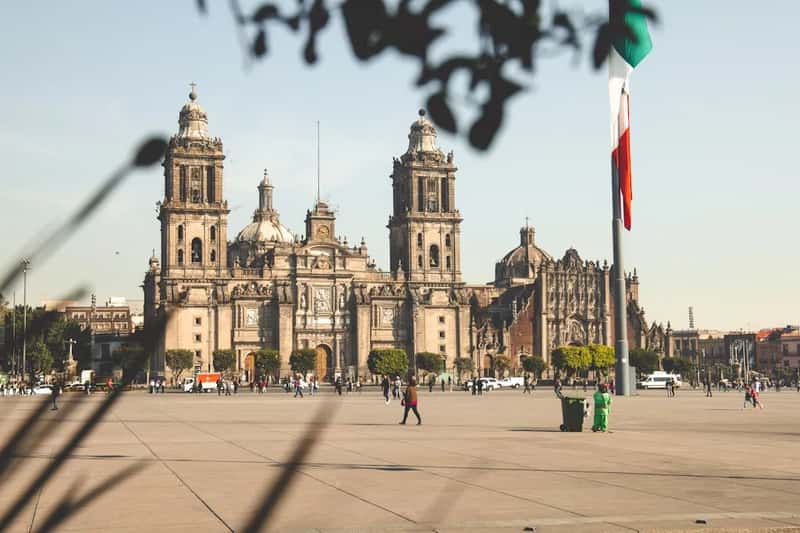
Mexico’s major cities have built out genuinely competitive remote work infrastructure over the past few years. Mexico City in particular has become a hub where neighborhoods like Roma and Condesa offer walkable streets, trendy cafés, and plenty of coworking spaces, along with excellent internet, a thriving food scene, and endless things to do. Guadalajara has carved out its own niche too, since it offers a perfect middle ground between big-city energy and a more authentic local feel, often considered Mexico’s tech hub, with a growing startup scene, fast internet, and a lower cost of living than Mexico City.
Bali’s infrastructure remains solid on paper, with reasonably fast internet across most developed areas and an enormous, well-established coworking scene. Still, the sheer density of nomads competing for desks and the traffic required to reach them has become its own daily tax on productivity. Mexico’s spread-out, car- and rideshare-friendly cities, paired with a genuinely large and growing expat community, give remote workers more room to breathe without sacrificing the amenities that made Bali attractive in the first place.
Healthcare Access Tips the Scale Further
Healthcare is an underrated factor in this shift, and Mexico performs strongly here. Expats can tap into the public system affordably, since expats have access to Mexico’s public healthcare system, IMSS, through voluntary enrollment, with annual IMSS contributions ranging from 350 to 500 dollars, covering doctor visits, hospital stays, surgeries, and prescription medications. Private healthcare fills in the gaps nicely too, offering world-class care at a fraction of US pricing, which matters enormously for remote workers without employer-sponsored insurance back home.
This combination of affordable, high-quality care sitting close to home country pharmacies and specialists gives Mexico a practical edge that Bali, with its more limited insurance infrastructure for foreigners, struggles to match. For nomads managing chronic conditions or simply wanting peace of mind, easy access to reliable healthcare without a punishing price tag is a quiet but decisive factor in choosing a long-term base.
The Verdict: Momentum Has Genuinely Shifted

None of this means Bali has lost its appeal entirely. It remains a stunning, culturally rich destination with an enormous nomad community and infrastructure that took years to build. What’s changed is the risk-reward calculation, as stricter enforcement, rising rents, and worsening overtourism have made the island feel less like an easy long-term base and more like a place requiring careful legal navigation and patience with traffic.
Mexico’s pitch, meanwhile, has only gotten stronger. Cheaper flights home, workable time zones, a maturing coworking scene, and healthcare that doesn’t require a small fortune have combined to make it the more practical choice for many remote professionals in 2026. It isn’t necessarily a more beautiful or exotic option than Bali, but for people trying to build a sustainable, low-friction remote work life, practicality is increasingly winning out over paradise.