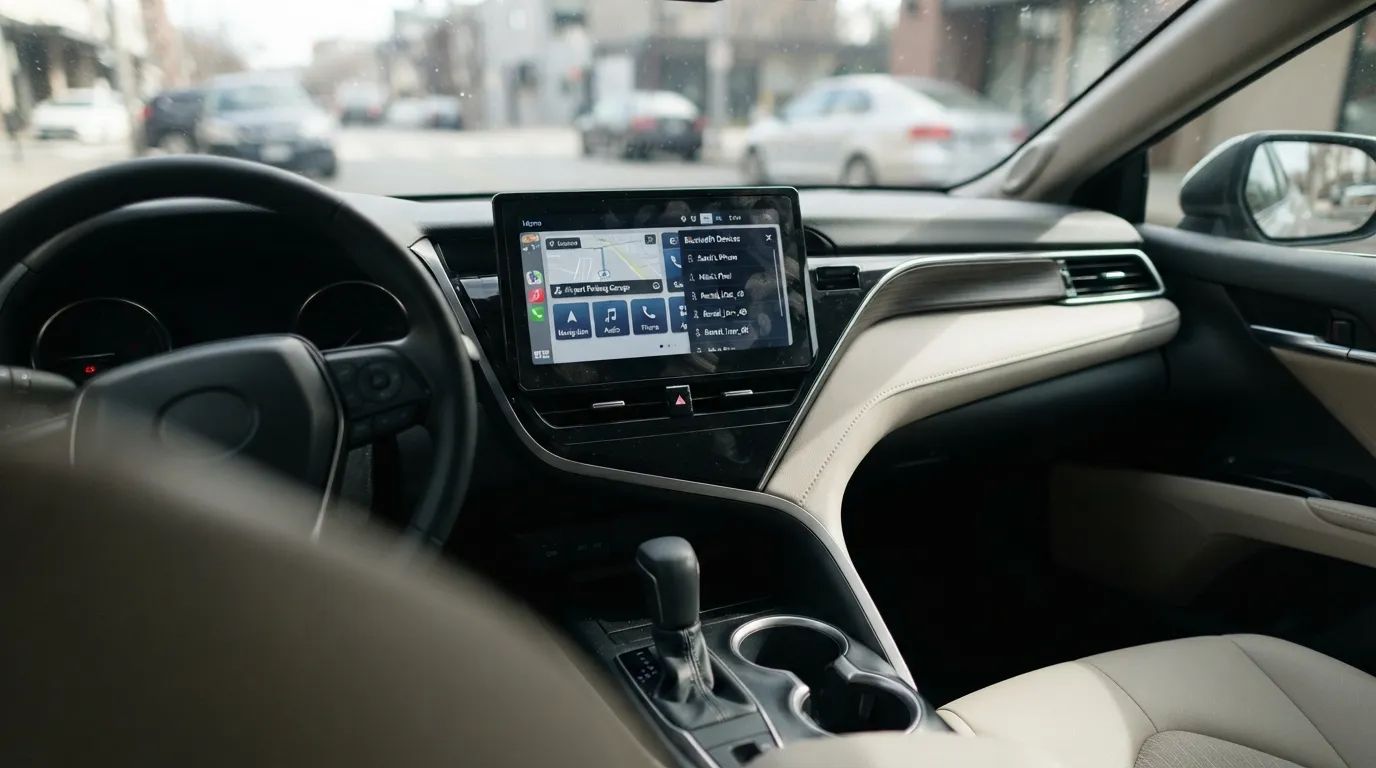
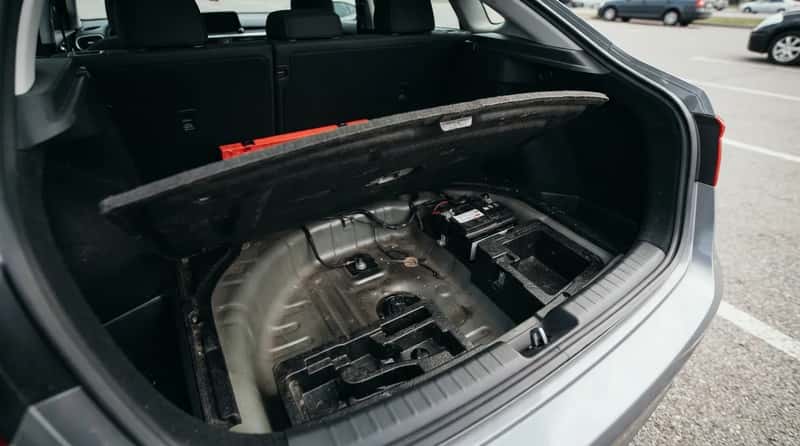
You pop the trunk expecting the same rental car experience you’ve had for twenty years – spare tire, jack, maybe a paper map tucked in the glove box. Except none of it is there anymore, and nobody at the counter said a word about it.
This isn’t a story about Bluetooth replacing cassette decks. It’s about eighteen specific features that vanished one by one, quietly enough that most renters only notice mid-crisis, on the shoulder of a highway, phone in hand – and the last one on this list matters more than all the others combined.
#18 – The Full-Size Spare Tire
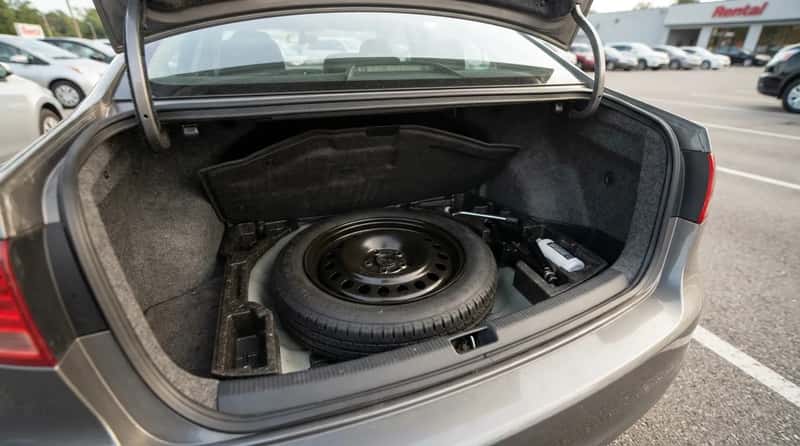
For decades, every rental car had a full-size spare waiting quietly in the trunk, ready for anything.
That expectation is gone. Full-size spares have been replaced across most fleets by skinny “donut” spares, gooey sealant kits, or nothing at all.
Automakers frame it as weight savings and better fuel economy. Rental companies just happened to notice it also pushes customers toward paid roadside assistance.
Since rental fleets buy new vehicles by the thousands, whatever change happens on the factory floor shows up in your trunk almost immediately.
But a missing spare is just the opening move. Wait until you see what else quietly vanished from the glove box.
#17 – The Jack and Lug Wrench Set
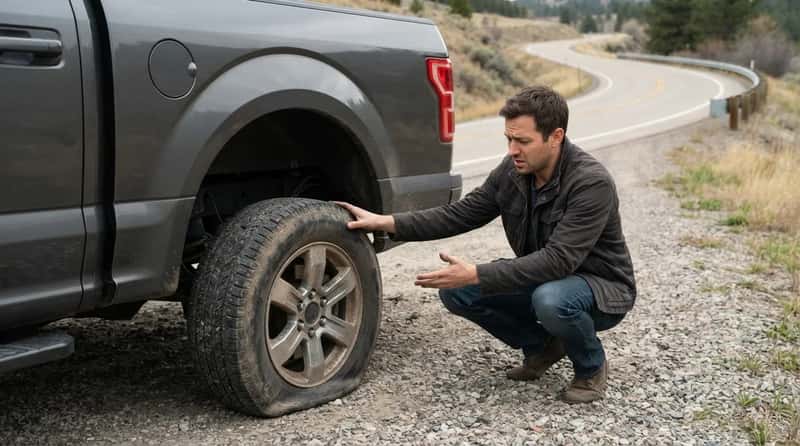
Even when a spare tire survives, the tools to actually install it often don’t.
Jack and lug wrench sets – once treated as non-negotiable safety equipment – now show up as optional extras, or simply don’t show up at all.
Consumer Reports once documented a renter who found no jack when he needed to change a flat. He was mechanically capable, just not strong enough to lift a Ford F-150 with his bare hands.
That’s the cruel irony: a car can technically have a spare and still leave you stranded, because the spare is just dead weight without a way to lift the car.
The tools are gone. But so is something you used to trust even more in an unfamiliar city.
#16 – The Dedicated In-Dash GPS Unit
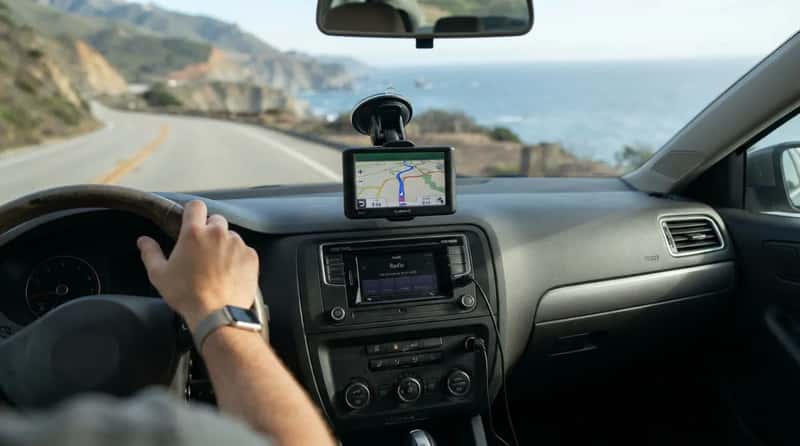
There was a golden era when a mounted GPS unit on the dashboard felt like a genuine luxury – and renters happily paid the daily add-on fee for it.
That era is over. Smartphone navigation got good enough, fast enough, that the hardware became redundant almost overnight.
Rental companies quietly retired the GPS add-on because it stopped making financial sense to maintain a service everyone’s phone already did for free.
The assumption is baked in now: you brought your phone, so you’re navigating yourself.
Navigation went digital. But one analog staple disappeared even faster than the GPS unit ever did.
#15 – The Paper Road Map in the Glove Box
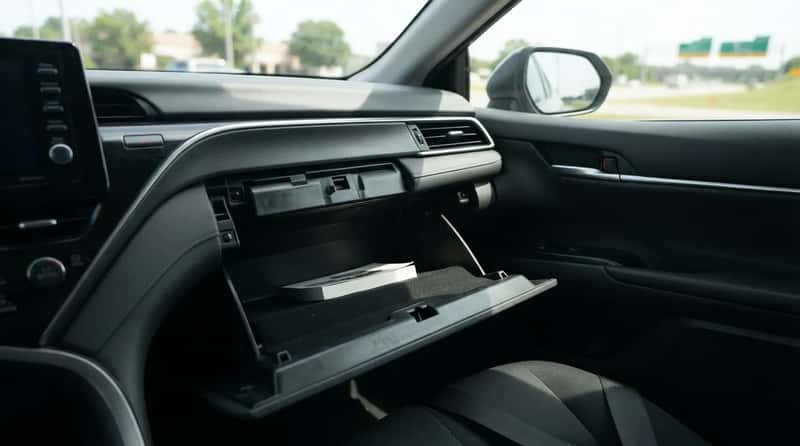
It sounds quaint now, but for most of the 20th century, a folded paper road map lived in every rental car’s glove box.
Rental companies stocked regional maps as a genuine courtesy. It cost almost nothing and saved renters from asking for directions at every red light.
Today, not a single major rental chain keeps paper maps as standard equipment.
The logic sounds reasonable on paper – your phone is your map now – but that logic only holds up when you actually have cell service.
Paper maps are gone. But so is something you probably never thought to check for.
#14 – The CD Player
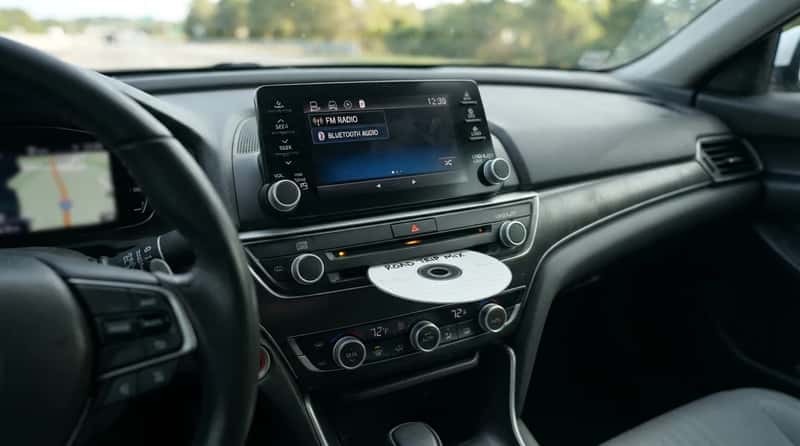
Ask anyone who rented cars in the late 1990s or early 2000s – the CD player was so standard that people packed a whole disc binder in their carry-on just for the road trip.
CD players have all but disappeared from new vehicles as streaming and Bluetooth took over. Rental fleets, which cycle in new cars constantly, made that switch fast.
Fast Facts
- The Compact Disc player began its integration into the automobile in the mid-1980s, primarily in luxury models, with Mercedes offering a factory-installed unit as an option starting around the 1985 or 1986 model year.
- By early 2026, the shift became total: after Subaru redesigned the Outback in 2025, and Lexus updated the IS and discontinued the RC, there are no new cars sold with a CD player from the factory.
- CD players endured in cars for nearly 40 years and were long considered standard equipment, but demand for them has plummeted in recent years.
Satellite radio and streaming audio pushed physical media to the basement shelf, and rental cars followed the same curve as everyone’s driveway.
Nobody announced the change. Most renters find out the hard way – usually somewhere on a highway, far from anywhere useful, disc in hand.
That swap was painless for most travelers. The next one still catches people off guard at the counter.
#13 – The Aux Input Port (3.5mm Jack)
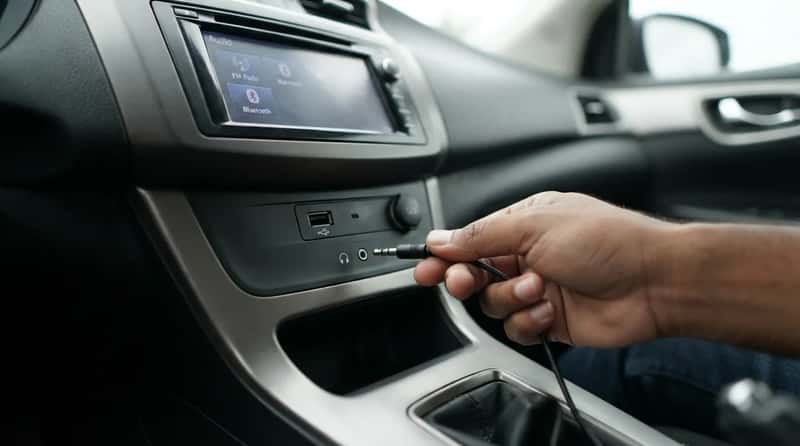
For a brief, beloved window in rental car history, the humble aux port was the people’s champion of in-car audio.
No pairing, no permissions, no app. You plugged in, and music played – every single time.
As automakers shifted new vehicles to Bluetooth-only or USB-only audio, rental fleets followed suit, and the aux port quietly vanished from most lots.
The catch: Bluetooth pairing means connecting to a stranger’s infotainment system, and most renters never realize they need to delete their data before turning the keys back in.
The audio ports changed. But the next missing feature is one you’d actually need in a real roadside crisis.
#12 – A Physical First Aid Kit
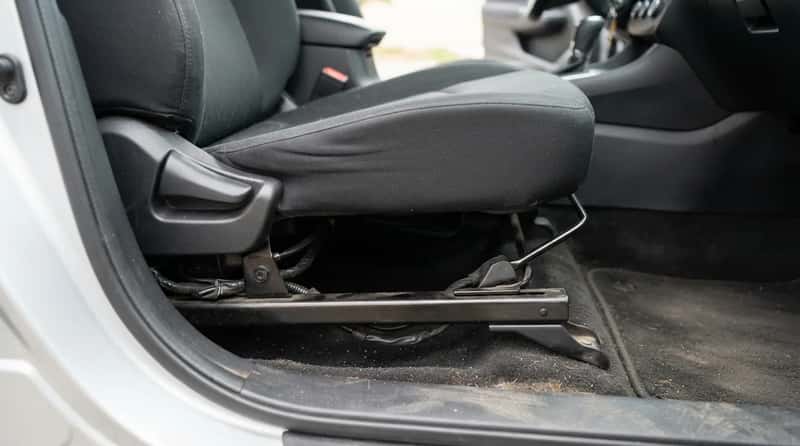
Rental cars used to routinely include a basic first aid kit, tucked under a seat or riding alongside the spare tire gear.
It’s not standard anywhere among the major chains today. Liability concerns grew – if a renter used a kit wrong and claimed harm, the company was on the hook.
The result: rental cars now roll out stripped of even the basics, leaving renters without so much as a bandage in a minor-accident situation until help arrives.
It’s the classic no-frills tradeoff – cut anything non-essential to protect the price – and a first aid kit fell squarely into that column.
Basic safety items are gone. Next up is something that used to give you real control over where you were going.
#11 – Complimentary Roadside Assistance Coverage
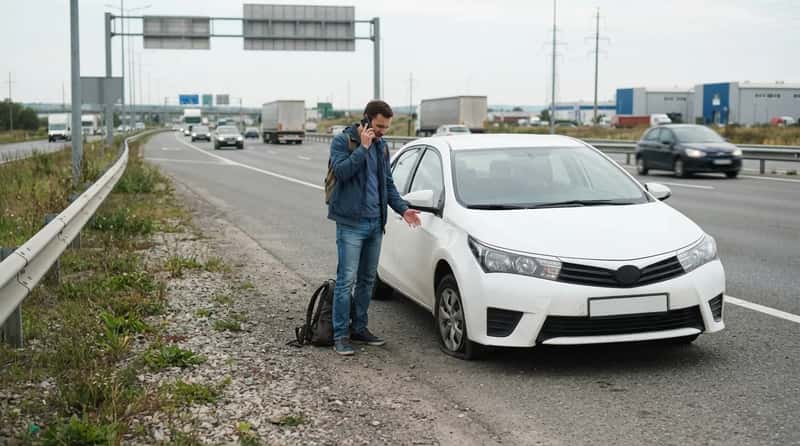
There was a time when basic roadside help – a tow, a jump start, a flat tire callout – was simply folded into the price of the rental.
Now it’s a separate product at the counter. Renters can buy add-ons like Roadside Plus for flat tires, lockouts, and jump starts – for an extra fee.
It’s pitched as especially useful in an unfamiliar city, which is technically true and also exactly why it works as an upsell.
The reality is blunt: a protection that used to be implied now costs extra, and skipping it means you’re on your own until you make a call.
What used to be covered is now a line item. And the next disappearing feature runs on the exact same logic.
#10 – The Free Satellite Radio Trial
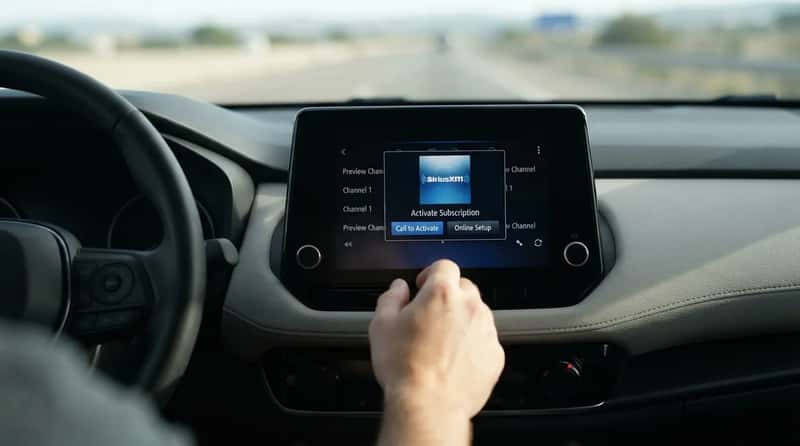
For years, rental cars came with SiriusXM already activated – no account, no subscription, no hassle. It was one of those small joys of a rental that you didn’t even get in your own car.
That complimentary access has largely evaporated across the major fleets. SiriusXM restructured its rental partnerships, and the free-trial model stopped making sense for either side.
Now the infotainment screen shows SiriusXM as an option – right up until it asks for a credit card before you hear a single note.
It’s a small loss by itself, but it fits a pattern: every little treat that made a rental car feel special has been quietly reclassified as premium.
That shift from included to extra runs deeper than entertainment. The next item is something you never even knew to look for.
#9 – Clearly Labeled, Intuitive Controls
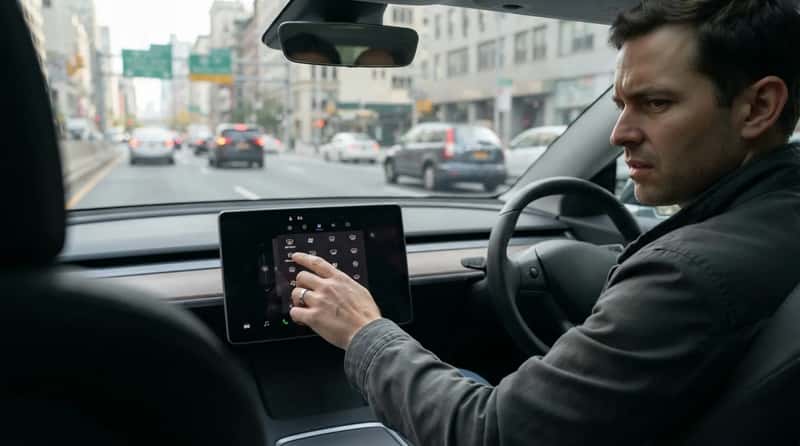
Harder to quantify, but widely reported by frequent renters: modern rental cars are getting genuinely harder to operate on the fly, because labeled physical buttons keep getting replaced by touchscreens and unmarked capacitive panels.
Automakers are cramming more functions into screens, and rental fleets – buying late-model vehicles at scale – reflect that shift immediately.
The practical result: a renter in an unfamiliar car has to dig through a menu system just to find the defroster, often while already driving in a city they don’t know.
Some manufacturers have started walking back touchscreen-only controls after customer backlash – but rental fleets won’t catch up on that correction for years.
Confusing controls are frustrating. The next feature on this list once protected you physically on the road.
#8 – A Manual Transmission Option
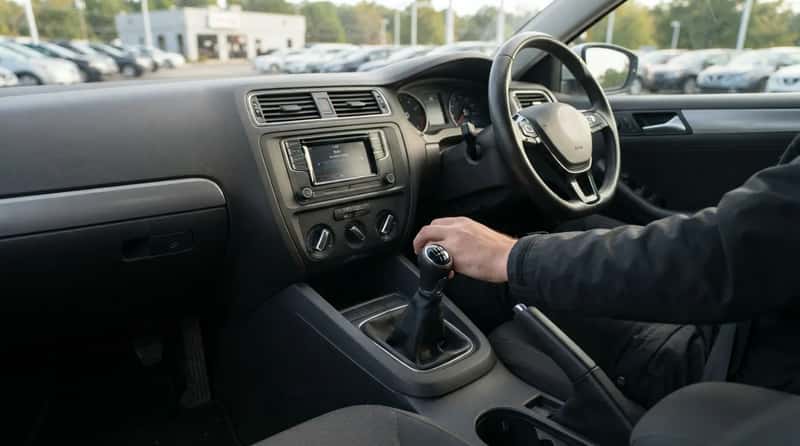
Rental counters used to offer stick shift on request – a real option for drivers who wanted more control, better fuel economy, or just felt more at home with a clutch.
Manual transmissions are becoming rare across the industry, with several brands dropping them entirely, because most buyers now prefer automatics and manuals don’t fit cleanly with newer safety and emissions tech.
Quick Compare
- In 2019, a mere 0.7 percent of all new vehicles sold in North America were equipped with a manual gearbox.
- By 2023, that had grown – but only slightly: only 1.7 percent of total car sales in the US were manuals.
- Enthusiast holdouts remain the exception, not the rule: the Cadillac CT4-V Blackwing (61 percent), Porsche 718 Boxster/Cayman (46 percent), and Subaru BRZ (90 percent) recorded improved demand for their three-pedal option.
Rental fleets buy the most common trims in bulk, and manuals mostly fell off that list as the broader new-car market abandoned them.
Most travelers won’t notice. But drivers visiting from countries where manuals are still the norm – or renting in Europe – run into the exact opposite surprise.
Transmission choice disappeared quietly. The next feature vanished with almost no public conversation at all.
#7 – Trunk Emergency Release (Interior Latch)

Newer vehicles are legally required in many markets to include an interior trunk release, so someone accidentally trapped inside can get out. Older rental fleet vehicles didn’t always have one, and the rollout happened unevenly.
The bigger issue now: most renters don’t know where the release is, because rental companies stopped walking customers through emergency features at handoff.
What used to be a quick counter briefing – here’s the spare, here’s the release, here’s our number – has been replaced almost entirely by a kiosk printout or a digital key sent to your phone.
The human step that once covered these safety basics has largely disappeared in the name of speed.
The in-person handoff is mostly gone. So is a feature that once kept plenty of drivers out of serious trouble in low-visibility conditions.
#6 – Rear Cross-Traffic Alert as Standard Equipment
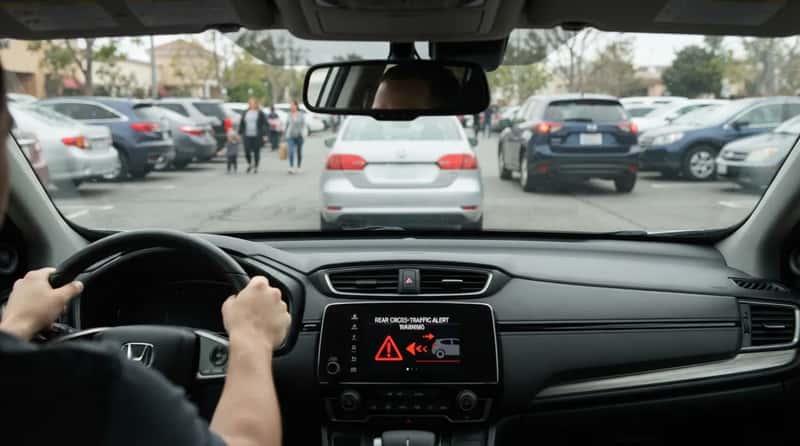
Safety features standard on most new consumer vehicles don’t always survive the jump into fleet spec – especially when rental companies choose base trims to keep acquisition costs down.
Rear cross-traffic alert flags vehicles or objects approaching from the side while you’re backing out – genuinely useful in a packed parking lot – but several manufacturers now bury it in expensive upgrade packages instead of including it standard.
Worth Knowing
- NHTSA estimates that 263 deaths and about 10,000 injuries occur annually in backover crashes.
- Young children and older people are most likely to be killed in a backover.
- Rear cross traffic warning alerts the driver of potential collisions, while in reverse, that may be outside the view of the backup camera.
Since rental fleets buy base and mid trims at fleet pricing, this kind of safety feature is often the first thing missing, even on a car that looks modern from the outside.
Without it, reversing gets genuinely riskier, especially in SUVs and trucks with big blind spots – and plenty of drivers don’t notice the gap until a near-miss.
That safety gap is real. The next section covers a feature that once made renting feel personal – something the industry quietly decided wasn’t worth keeping.
#5 – A Curated Welcome or Orientation Sheet
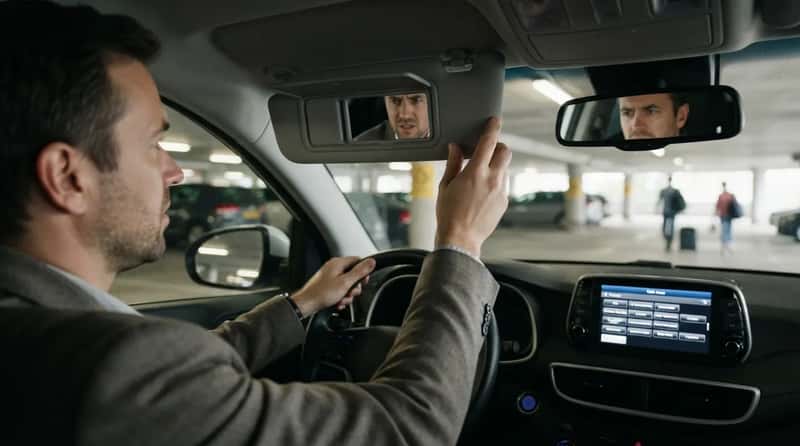
It sounds minor until you’re sitting in an unfamiliar car in an airport garage, trying to find the fuel door release or figure out which button runs the rear defroster.
Rental companies used to tuck a simple one-page orientation sheet in the visor, covering the basics of the specific vehicle you’d rented.
As fleets diversified and turnover sped up, keeping vehicle-specific handouts current became impractical, so the sheets disappeared. The assumption became: you’ll figure it out, or the infotainment tutorial will cover it.
Infotainment tutorials, of course, require you to be parked, patient, and in possession of time – which is rarely true right after you’ve landed on a delayed flight.
The orientation sheet is gone. From here on, the features that disappeared did so for pure economics, not technology.
#4 – Unlimited Mileage as a True Default

Unlimited mileage used to be the calling card of the major chains – a simple promise that made budgeting a road trip predictable.
In practice, that guarantee has gotten conditional. Plenty of budget-tier and off-airport companies have quietly reintroduced mileage caps on certain rate classes, vehicle categories, or booking channels.
The fine print matters here more than almost anywhere else on this list. A deal that looks cheap at the headline price can carry a per-mile charge that adds up fast on a cross-state drive.
The feature hasn’t vanished entirely – major brands still offer it broadly – but the blanket universality renters used to take for granted is gone unless you actually check the agreement.
Mileage guarantees got murky. The next feature involves something that once let you feel genuinely at ease behind the wheel.
#3 – A Second Physical Key
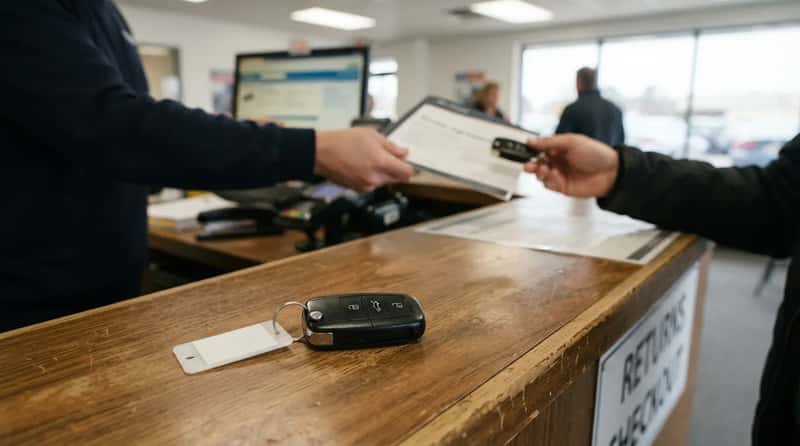
Rental cars used to come with two physical keys as standard practice – one for daily use, one backup in case the first got lost or locked inside.
Entry-level cars in rental fleets often still use traditional keys, since they’re harder for careless renters to lose. But the practice of handing out two keys has largely faded anyway.
Modern key fobs are expensive to replace and reprogram. After absorbing repeated losses, rental companies recalibrated: one key per rental, and a damage waiver clause if it goes missing.
The irony is sharp – as keys got more technologically complex and costly, the backup protection renters once had quietly disappeared, replaced by a fee schedule.
The backup key is gone. What’s coming next is the feature whose disappearance most people feel the most, right there on the road.
#2 – A Truly Clean, Neutral Infotainment System
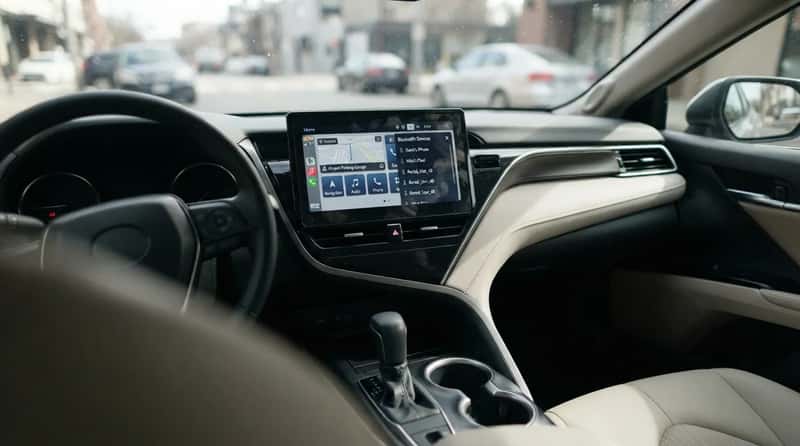
Early rental cars were blank slates. You got in, you drove, the radio was just the radio – nothing connected, nothing synced, nothing carrying data from the last person who sat in that seat.
Modern rental cars are a different animal entirely. Bluetooth profiles from previous renters sometimes linger, navigation history can survive between rentals, and preloaded apps may still show login prompts or cached data from a stranger.
Rental companies have no standardized, audited process for wiping infotainment systems between rentals – and as those systems grow more complex, the window for exposing someone’s personal data grows right along with them.
What used to be a neutral, anonymous machine is now, in plenty of cases, a device carrying digital fingerprints of whoever drove it before you.
Data hygiene is a real issue. But the feature that matters most – the one renters miss at the worst possible moment – is the one saved for last.
#1 – The Assumption That Someone Would Help You

This is the feature no spec sheet ever listed, but it quietly defined what a rental car meant for most of the industry’s history: the certainty that an actual human being was responsible for your experience.
You returned the car, and a person checked it with you. Something went wrong, and a person answered the phone. You got stranded, and a person got dispatched to come find you.
That implicit contract has been systematically dismantled. In the relentless hunt for efficiency, human touchpoints became the first casualty – replaced by self-service kiosks, chatbots, app-based pickups, and automated damage assessments.
A few companies have pushed genuinely customer-friendly policies that competitors never matched, proof that this industry could still choose people over pure efficiency. But the broader market moved the other way.
The Bottom Line
Rental cars didn’t get worse overnight. They got stripped down gradually, feature by feature, in ways that rarely made headlines.
Spare tires, jacks, paper maps, CD players, aux ports, second keys, complimentary roadside coverage, and genuinely clean infotainment systems all quietly exited the standard rental experience.
At a Glance
- Safety gear that quietly disappeared: full-size spares, jacks, first aid kits, and the in-person safety briefing at the counter.
- Convenience perks reclassified as paid add-ons: dashboard GPS, satellite radio trials, roadside assistance, and sometimes even unlimited mileage.
- The one loss with no app-based replacement: a human being genuinely accountable for how your rental goes.
Some of those losses are trivial. A few are genuinely dangerous in the wrong circumstances – and the biggest loss of all, a human being actually accountable for your experience, isn’t something any app can replace.
Next time you pick up a rental, spend five minutes at the lot before you drive off: check the trunk, confirm the spare, clear the Bluetooth, save the roadside number. What you find – or don’t find – might genuinely surprise you.
Which of these missing features has actually caught you off guard? Tell us in the comments.