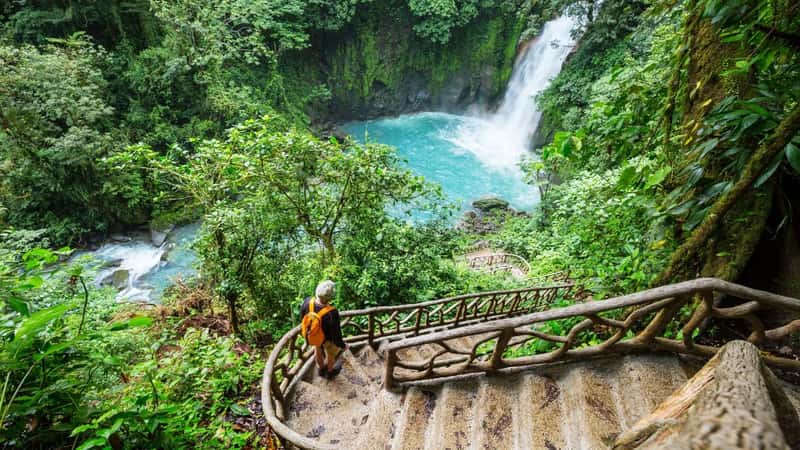
For years, Costa Rica held an almost unshakable reputation as the go-to retirement haven in Central America. Lately, though, a growing number of retirees have been packing their bags for a neighbor instead, one that offers a similar climate, a similar coastline, and in many ways an easier path to the good life. That country is Panama, and the reasons behind the shift are less about hype and more about math, paperwork, and daily comfort.
The comparison isn’t really about which country is prettier or more beloved. Both have jungles, beaches, and expat communities that feel like home within months. What’s changed is how retirees weigh the practical details, the visa rules, the tax treatment, the healthcare costs, and increasingly, Panama comes out ahead.
A dollar that behaves like a dollar
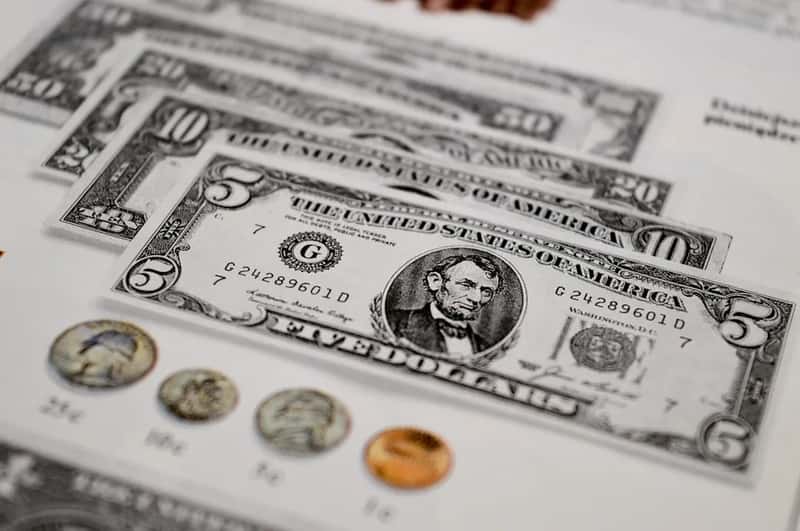
One of the quieter but most consequential differences between the two countries is currency. Panama uses the US dollar as its official currency, pegged 1:1 to the Balboa, meaning American retirees face zero currency conversion risk since Social Security and pension payments arrive and are spent in the same dollars. That might sound like a small detail, but for anyone living on a fixed income, it removes an entire category of financial stress.
Costa Rica, by contrast, uses the colón, which means retirees there are exposed to exchange rate swings every time they convert dollars for daily expenses. It’s not a dealbreaker, but it’s one more variable to track. Panama’s retirees simply don’t think about it, because there’s nothing to think about.
The Pensionado visa that quietly outperforms Costa Rica’s own program
Costa Rica popularized the Pensionado concept, but Panama’s version of it has become the more talked-about option among relocation experts in 2026. Panama’s Pensionado Visa requires proof of a guaranteed lifetime pension of at least $1,000 per month, and if you purchase property in Panama valued at $100,000 or more, the income threshold drops to $750 per month, with permanent residency granted immediately on approval. That’s a meaningfully different experience from waiting through years of temporary status.
Costa Rica’s equivalent program uses the same $1,000 monthly threshold, but the residency itself starts as a temporary status that only becomes permanent after several years. Panama skips that waiting period entirely for pensioners. For retirees who’ve already spent decades filling out paperwork for other things, that difference matters more than it sounds.
Discounts that actually show up on the receipt
Panama’s retiree benefits aren’t vague promises, they’re written into law. The Pensionado program is a permanent residency program for retirees with a verifiable lifetime pension of at least $1,000 a month, offering lifetime discounts of 20 to 50 percent on healthcare, travel, dining, and entertainment, plus duty-free import of household goods. Retirees present their cédula, the discount applies, no negotiation needed.
For someone living on a modest fixed budget, this adds up quickly. As one guide to the program put it, for someone spending $600 a month on rent, $400 on food and entertainment, $300 on utilities, and $200 on medical, the 20 to 50 percent reductions across several of those categories add up to real money. Costa Rica offers its own version of senior discounts through its Golden Citizen benefits, but Panama’s mandated percentages tend to run deeper and apply more broadly across everyday spending categories.
Healthcare costs that don’t require a second mortgage

Healthcare is usually the first worry that surfaces when someone starts seriously planning retirement abroad, and Panama addresses it head on. World-class hospitals in Panama City operate at costs dramatically lower than equivalent care in the United States, and that’s before even applying the legally mandated Pensionado discounts, which for most American retirees largely erase what tends to be their single greatest financial fear in retirement. Prescription costs follow a similar pattern.
Retirees on the Pensionado program typically see prescription medications priced 10 to 20 percent less than US prices, with an extra 10 percent off under the Pensionado program itself. Costa Rica’s public Caja system is genuinely well regarded, but it comes with longer wait times for non-urgent care, which pushes many expats toward private insurance anyway, often narrowing the cost gap between the two countries.
A simpler bureaucratic path, once you clear the paperwork hurdle
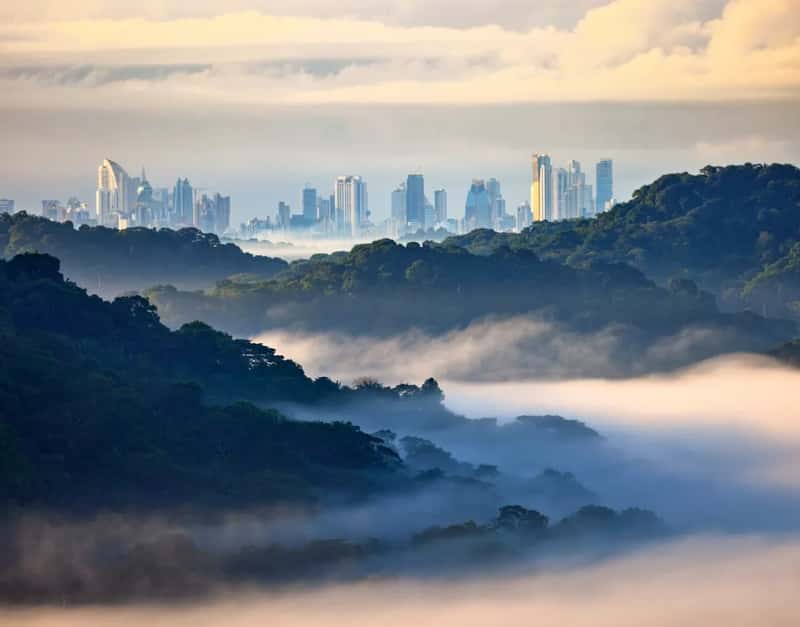
Neither country hands out residency without effort, but Panama’s process for pensioners has become noticeably more streamlined. Most applications move from first call to approval in four to six months, with a temporary residency card issued within 30 days of filing, allowing retirees to live and travel freely in the meantime. That’s a fairly tight timeline for an international relocation.
Costa Rica’s process can take longer in practice, with some applications stretching toward a year before final approval, even though applicants can legally live in the country on renewable tourist status while they wait. Both countries require apostilled documents, background checks, and a fair amount of patience. Panama’s version just tends to resolve faster once the paperwork is properly assembled.
Infrastructure that keeps pace with modern expectations

Panama’s investment in physical infrastructure has quietly outpaced much of the region. By early 2026, median fixed internet speeds hit 185.30 Mbps, and Tocumen International Airport handled a record 20.2 million passengers in 2025, making it one of Latin America’s busiest hubs. For retirees who want to stay connected to grandchildren over video calls or hop a direct flight home without much hassle, that kind of connectivity is not a minor perk.
Costa Rica’s infrastructure is solid in its own right, particularly around San José and the Central Valley, but it’s more uneven once you move toward remote coastal towns. Panama’s more centralized development around its canal economy has given it a head start on roads, airports, and broadband that shows up in daily convenience.
Climate options without the extreme rainy seasons
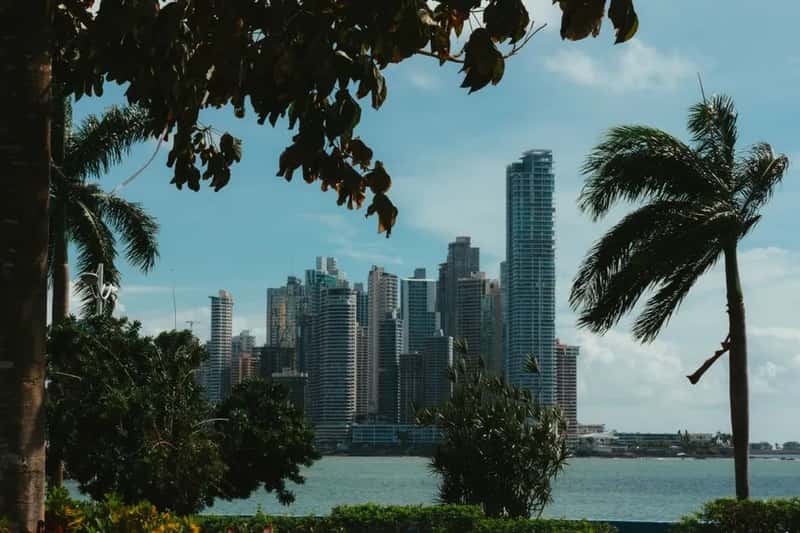
Retirees who want cooler temperatures without leaving the tropics often gravitate toward Boquete, a highland town in Panama’s Chiriquí province that stays comfortable year round. Those craving beach life head to Coronado or Bocas del Toro, while retirees who want city amenities settle in Panama City itself. That range of microclimates within a single small country gives newcomers real flexibility in choosing where to plant roots.
Costa Rica offers a similarly wide range of climates, from the dry Guanacaste region to the lush Caribbean coast, but its rainy season tends to be more intense and longer in several popular expat zones. Panama has its own wet months, generally heavy tropical rains from May through November, but its highland towns in particular offer a milder, more even climate that some retirees find gentler on daily life.
Political and economic stability that backs up the lifestyle

Beyond weather and paperwork, retirees increasingly look at the numbers behind a country’s economy before committing years of their savings to it. Panama scored 6.84, ranking 47th, on the 2024 Democracy Index, while the IMF estimated 4.5 percent GDP growth in 2025, averaging around 4 percent over the medium term, with Fitch maintaining its BB+ Stable sovereign rating in July 2025. Those aren’t flashy numbers, but they signal a country whose economy isn’t prone to sudden shocks.
Costa Rica has its own long record of democratic stability, having abolished its military decades ago and maintained one of the region’s steadiest governments since. Both countries score well on this front. Panama’s edge comes more from recent economic momentum, tied heavily to its canal revenue and growing logistics sector, than from any dramatic difference in political risk.
The everyday cost of living, side by side

When retirees actually run their monthly budgets, the numbers tend to favor Panama by a modest but real margin. A comfortable lifestyle in Panama for a couple typically runs $1,800 to $2,500 per month versus $2,000 to $2,800 in Costa Rica, according to comparisons that weigh housing, food, and healthcare together. Both countries are dramatically cheaper than most of the United States, but the gap between them, while not huge, is consistent across most budget categories.
Social Security income alone often covers the difference. With the average retired worker’s Social Security benefit sitting at about $2,072 per month in early 2026, a couple drawing dual benefits is already near the $4,000 mark before any other income, which puts a comfortable Panama lifestyle well within reach for many retirees without dipping into savings at all.
The trade-offs nobody skips mentioning
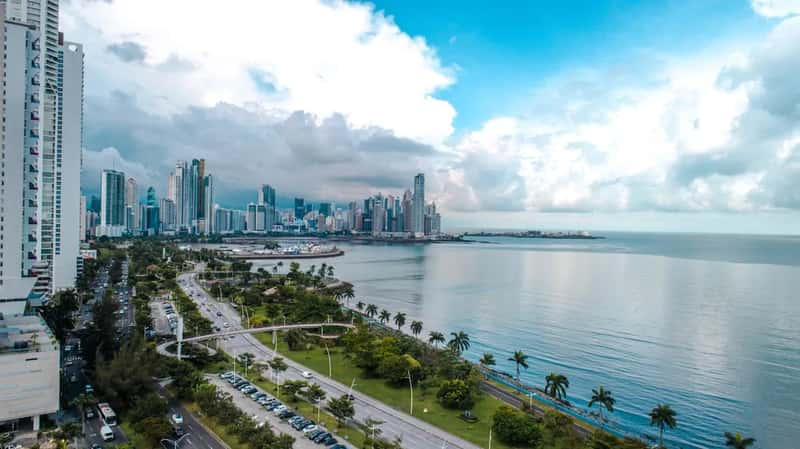
None of this makes Panama a flawless choice. The country’s main drawbacks include slow bureaucracy, heavy tropical rains from May through November, worsening traffic congestion in Panama City, and the need for at least basic Spanish to handle daily life outside the main expat communities. Retirees who don’t budget time for the paperwork process, or who underestimate how isolating rural areas can feel without local language skills, sometimes struggle more than they expected.
Costa Rica carries its own list of trade-offs, including a residency process that can take longer to finalize and a currency that requires more active management. Neither country is a perfect match for every retiree. The point isn’t that Panama has no downsides, it’s that for a specific and growing group of retirees, its combination of dollar stability, faster permanent residency, and legally guaranteed discounts adds up to a better overall deal than the one Costa Rica has traditionally been known for.
Weighing the two side by side
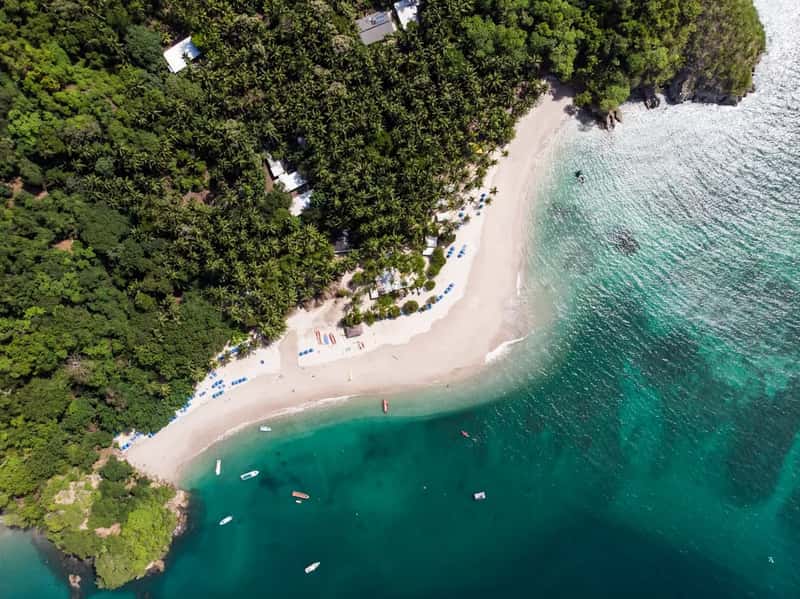
Choosing between Panama and Costa Rica ultimately comes down to what each retiree values most in daily life. Costa Rica still wins for retirees who prioritize biodiversity, an established healthcare system with the widest name recognition in the region, and a culture built explicitly around slowing down. Panama tends to appeal more to retirees who want dollar stability, faster paperwork, and hard discounts written into national law rather than left to local generosity.
Both are legitimate long-term homes, and the fact that so many retirees are now seriously comparing the two, rather than defaulting straight to Costa Rica, says something about how much research today’s retirees are willing to do before making a decision this significant. The countries sit right next to each other on the map, but the calculations that lead someone to one or the other increasingly come down to details that only show up once you dig past the postcard version of each place.