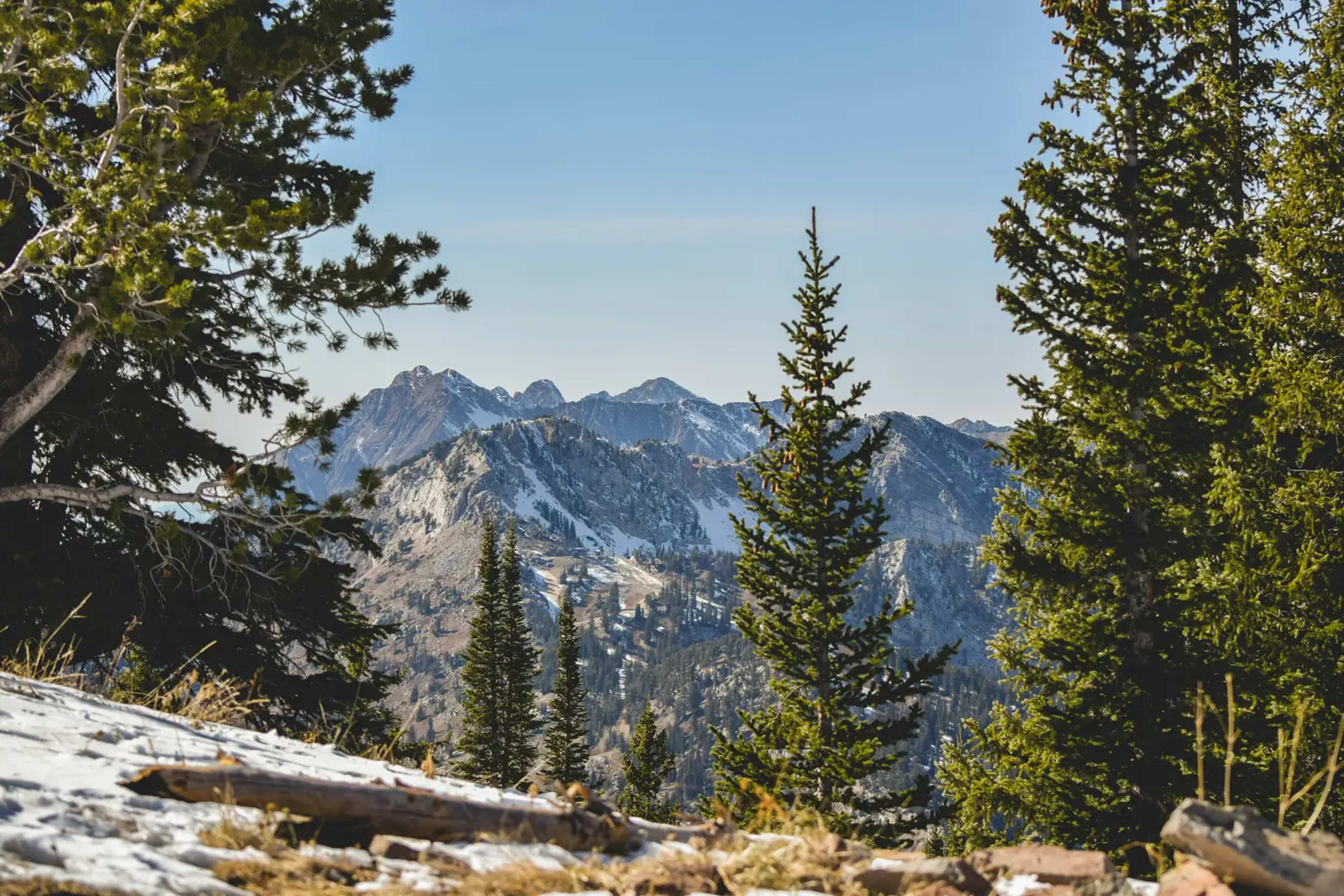
Costa Rica has long held the crown as Central America’s eco-tourism darling. Lush rainforests, pristine beaches, and a commitment to sustainability have made it a must-visit destination for travelers seeking both adventure and environmental consciousness. But here’s the thing: Costa Rica’s popularity has come with a price tag, literally. Hotels are expensive, tourist hotspots are crowded, and that authentic Central American charm is increasingly hard to find.
Enter Nicaragua, the country quietly sitting just north of Costa Rica, watching and learning. While it shares many of the same natural assets, volcanic landscapes, Caribbean and Pacific coastlines, cloud forests teeming with wildlife, Nicaragua has remained largely under the radar. That’s changing fast. Smart travelers are starting to notice what locals have known all along: this nation offers everything Costa Rica does, often at a fraction of the cost, with far fewer crowds. Let’s dive in.
The Geography Is Nearly Identical
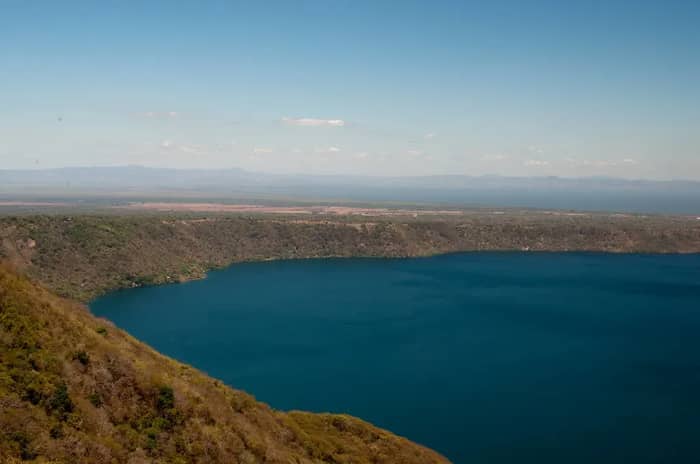
Nicaragua and Costa Rica are neighbors separated by a border that runs through similar ecosystems. Both countries boast dramatic Pacific coastlines with world-class surf breaks. Both have Caribbean shores with a distinctly laid-back, Afro-Caribbean culture. And both sit atop the Central American volcanic arc, creating landscapes dotted with active and dormant volcanoes.
The difference? Nicaragua has more of it. With roughly twice the landmass of Costa Rica, Nicaragua offers vast stretches of undeveloped coastline and untouched wilderness. Lake Nicaragua, the largest lake in Central America, has no equivalent in Costa Rica. The lake is home to freshwater sharks, the colonial city of Granada on its shores, and the volcanic archipelago of Solentiname Islands.
You’ll find cloud forests in the northern highlands around Matagalpa and Jinotega that rival Monteverde. The Bosawás Biosphere Reserve, one of the largest rainforests in the Americas, dwarfs anything Costa Rica can offer. Nicaragua’s biodiversity is comparable, with jaguars, sea turtles, and hundreds of bird species calling the country home.
The Price Point Makes It Accessible
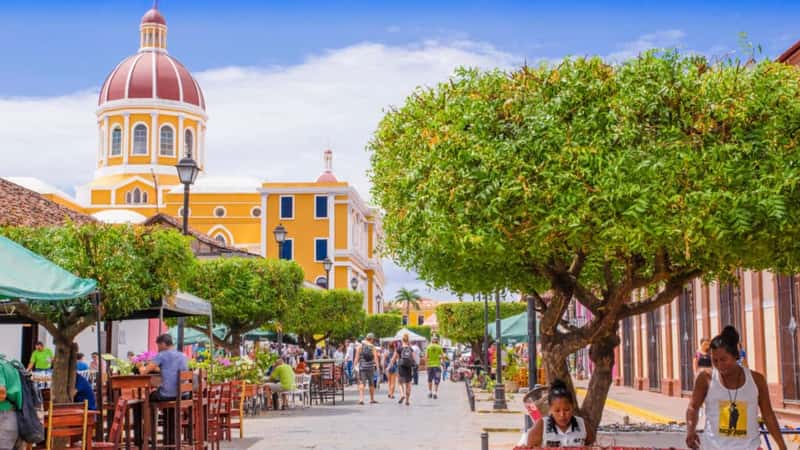
Let’s be real about money. A meal in a tourist-heavy Costa Rican town can easily run you twenty to thirty dollars per person. A decent hotel might set you back a hundred and fifty dollars a night or more. Nicaragua? You can eat like a king for five dollars. A comfortable beachfront hotel room might cost forty or fifty dollars.
This isn’t about Nicaragua being “cheap” in a negative sense. The infrastructure is improving rapidly, with boutique hotels and upscale restaurants opening across the country. But the overall cost of living remains significantly lower, meaning your travel budget stretches further. You can afford to stay longer, do more, and actually relax without constantly calculating expenses.
For backpackers and budget travelers, Nicaragua has always been a gem. Now, with more mid-range and luxury options appearing, it’s becoming attractive to travelers who want comfort without the Costa Rican price tag. The value proposition is undeniable.
San Juan del Sur Has Become a Surf Town Powerhouse

On Nicaragua’s Pacific coast, San Juan del Sur has transformed from a sleepy fishing village into a thriving surf and beach destination. Horseshoe Bay offers protected swimming, while nearby beaches like Playa Maderas and Playa Hermosa deliver consistent waves that attract surfers from around the globe.
What makes San Juan del Sur special is that it hasn’t lost its soul. Yes, there are yoga retreats and trendy cafes now. But you’ll still see local fishermen bringing in their daily catch, and the Sunday Market remains authentically Nicaraguan. The town has struck a balance between development and preservation that Costa Rica lost years ago in places like Tamarindo.
The surrounding area offers even more. Playa Gigante, about an hour south, has maintained its off-the-beaten-path vibe while offering world-class surf. Popoyo and its neighboring beaches have become a magnet for serious surfers seeking uncrowded breaks. These spots feel like what Costa Rica must have been like thirty years ago.
Granada and León Offer Colonial Charm
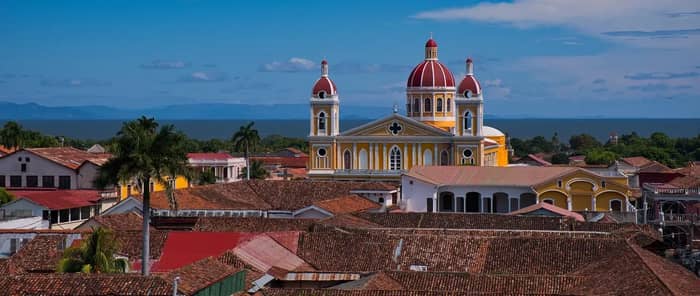
Costa Rica doesn’t really have colonial cities. Its history is different. Nicaragua, however, has two of Central America’s finest: Granada and León. Both cities were founded in the sixteenth century and retain their colonial architecture, colorful buildings, and massive cathedrals.
Granada sits on the shores of Lake Nicaragua, with horse-drawn carriages still clip-clopping down cobblestone streets. The city has a romantic, almost dreamlike quality at sunset when the light turns the colonial facades golden. Restaurants and bars have taken over old mansions, creating atmospheric spaces where you can sip rum while sitting in a courtyard under the stars.
León, once the capital, has a grittier, more authentic feel. It’s a university town with revolutionary history. You can climb to the roof of the massive León Cathedral for panoramic views, or visit museums dedicated to Nicaragua’s complex political past. The nearby Cerro Negro volcano offers the unique experience of volcano boarding, essentially sledding down black volcanic slopes at high speed.
These cities provide a cultural depth that beach-focused Costa Rica can’t match. You’re not just looking at nature. You’re experiencing centuries of history, art, and human stories.
The Government Is Prioritizing Tourism Development

Nicaragua’s government has made tourism a national priority. Say what you will about the country’s politics, but the investment in infrastructure is visible. Roads are improving. The international airport in Managua has been modernized. New hotels and resorts are receiving tax incentives to open.
This focused approach mirrors what Costa Rica did in the eighties and nineties when it positioned itself as an eco-tourism destination. Nicaragua is essentially following the same playbook, but with the advantage of learning from Costa Rica’s mistakes. There’s more emphasis on sustainable tourism and community involvement from the start.
The country has also simplified visa requirements for many nationalities, making it easier to visit. Direct flights from major U.S. cities to Managua have increased in frequency. The tourism board has launched professional marketing campaigns targeting international travelers. All signs point to a nation ready to step into the spotlight.
Ometepe Island Is Unlike Anything Else
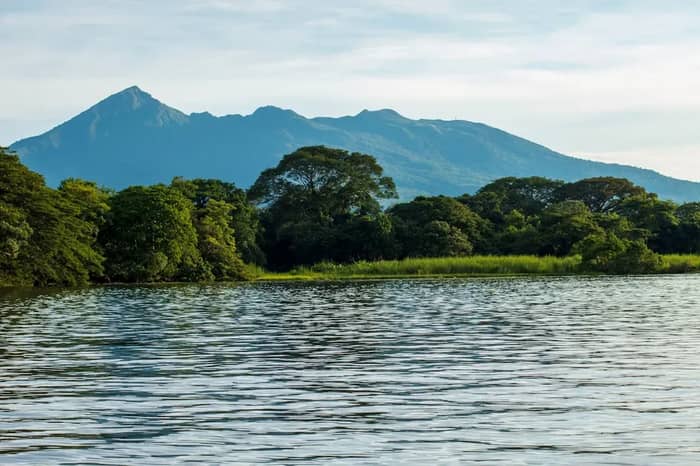
Rising from Lake Nicaragua, Ometepe Island is formed by two volcanic cones, Concepción and Maderas. The island’s unique figure-eight shape creates a landscape that feels prehistoric. Howler monkeys swing through the forests. Petroglyphs left by pre-Columbian civilizations dot the landscape. Natural springs feed into pools where you can swim in crystal-clear water.
Getting there requires a ferry ride from the mainland, which adds to the sense of adventure. Once on the island, you can hike up Concepción, an active volcano, for views that stretch across the entire lake. Or tackle the easier but equally rewarding climb up Maderas, which has a lagoon in its crater.
The local communities on Ometepe remain small and agricultural. You’ll see farmers working the volcanic soil, growing plantains, coffee, and cacao. Tourism exists here, but hasn’t dominated. It’s still possible to rent a bicycle and ride around the island, stopping at small family-run restaurants for fresh fish and gallo pinto. This kind of authentic experience is increasingly rare in Central America.
The Corn Islands Offer Caribbean Paradise
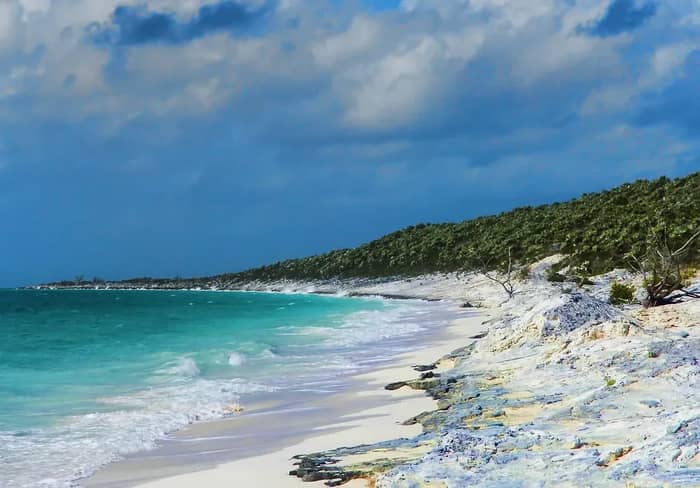
Off Nicaragua’s Caribbean coast, Big Corn Island and Little Corn Island present a completely different side of the country. The vibe here is more Caribbean than Central American, with English-speaking locals, reggae music, and a distinctly island pace of life.
Little Corn Island, accessible only by boat, has no cars. Paths wind through palm groves, connecting small hotels and beach bars. The diving and snorkeling here rival anything in the Caribbean, with healthy coral reefs and clear water. You can walk around the entire island in a couple of hours, discovering hidden beaches and quiet coves.
Big Corn Island is slightly more developed but still wonderfully low-key. The locals are genuinely friendly, not tourist-weary. Fresh lobster is cheap and plentiful. Evenings involve watching the sunset from a beach bar with a cold beer and listening to the waves. It’s hard to say for sure, but this might be the closest you can get to the Caribbean as it used to be, before cruise ships and all-inclusive resorts took over.
Adventure Tourism Is Rapidly Expanding
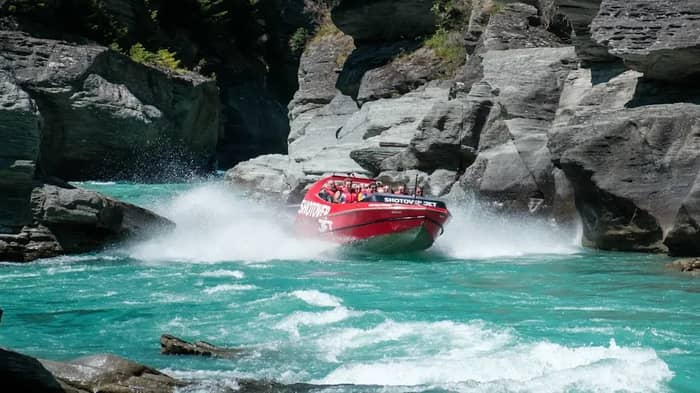
Nicaragua offers the same adventure activities as Costa Rica: zip-lining, kayaking, surfing, volcano hiking, you name it. But here, you’re often the only group doing it. Tour operators are smaller, more personal, and genuinely excited to show off their country.
Volcano boarding on Cerro Negro has become iconic, a uniquely Nicaraguan experience. White-water rafting on the Río Coco attracts serious adventurers. Sport fishing on both coasts is exceptional, with fewer boats competing for the same waters. Hiking in the northern highlands takes you through coffee plantations and cloud forests where you’re more likely to see wildlife than other tourists.
The adventure tourism infrastructure is improving quickly. Professional guides are available, safety standards are rising, and equipment is modern. But the experience still feels fresh and undiscovered, something that’s increasingly valuable in our over-touristed world.
The Food Scene Is Quietly Impressive
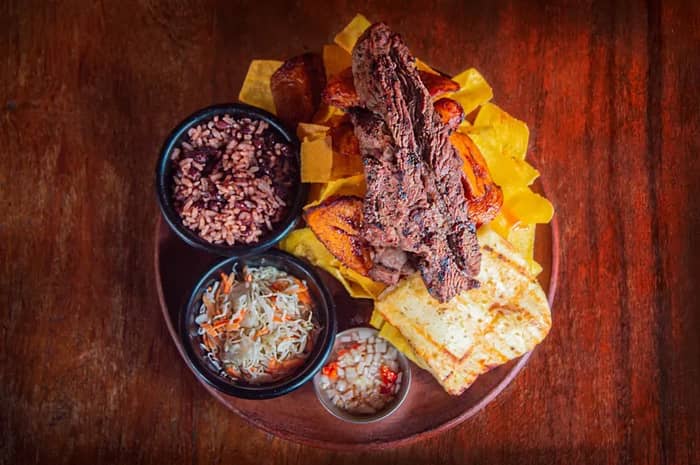
Nicaraguan cuisine might not have the international reputation of Mexican or Peruvian food, but it’s deeply satisfying. Gallo pinto, rice and beans cooked together, forms the foundation. Vigorón, a Granadan dish of yuca, pork rinds, and cabbage salad, sounds simple but delivers complex flavors. Fresh seafood along both coasts is prepared simply and served for a fraction of what you’d pay elsewhere.
In cities like Granada and San Juan del Sur, a new generation of chefs is elevating traditional dishes. Farm-to-table restaurants are opening, showcasing local ingredients. Coffee culture is thriving, with excellent cafes serving beans grown in the northern highlands. Local rum, particularly Flor de Caña, is world-class and costs next to nothing.
Street food is abundant and safe. Quesillos, a local favorite, are warm tortillas filled with cheese, pickled onions, and sour cream, sold from roadside stands. For less than a dollar, you get a satisfying snack that locals eat daily. This accessibility to authentic local food is part of what makes Nicaragua feel real and unpretentious.
It’s Still Possible to Find Solitude
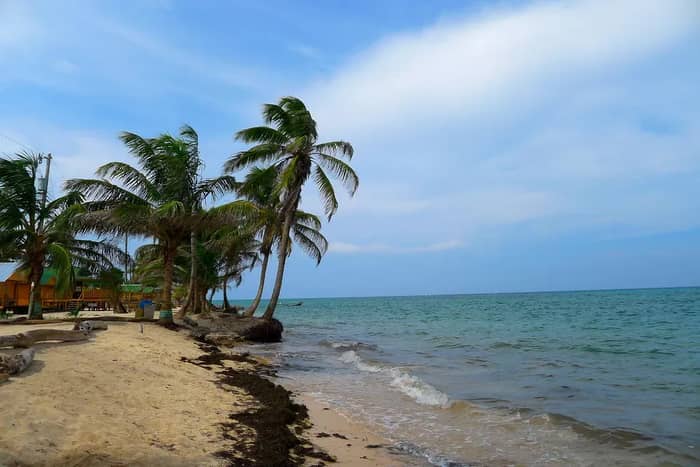
Perhaps the most compelling reason Nicaragua is poised to become the next Costa Rica is paradoxical: it hasn’t happened yet. You can still find deserted beaches. Hiking trails aren’t crowded. Hotels don’t require bookings months in advance. There’s a sense of discovery that’s been lost in more popular destinations.
This window won’t last forever. The roughly ten to fifteen years that Costa Rica enjoyed as a hidden gem are long gone. Nicaragua is at that perfect sweet spot where infrastructure exists, but mass tourism hasn’t arrived. Savvy travelers recognize this moment, and they’re coming.
The question isn’t whether Nicaragua will become Central America’s next big destination, but how it will manage that growth. If it can learn from Costa Rica’s successes while avoiding its pitfalls, maintaining authenticity while developing sustainably, Nicaragua could actually surpass its southern neighbor. The potential is absolutely there. The natural beauty is undeniable. The people are welcoming. The prices are right. All the pieces are in place.
Conclusion
Nicaragua stands at a pivotal moment. It possesses all the natural assets that made Costa Rica famous: stunning beaches, volcanic landscapes, rich biodiversity, and adventure opportunities. But it also offers what Costa Rica has lost: affordability, authenticity, and the thrill of discovery. Add in colonial cities, Caribbean islands, and a rapidly improving tourism infrastructure, and you have all the ingredients for Central America’s next major destination.
The smart money is on Nicaragua becoming not just popular, but potentially surpassing Costa Rica as the region’s premier travel destination. For those who remember what Costa Rica was like before the crowds arrived, Nicaragua offers a second chance at that experience. The question is: will you discover it now, or wish you had in ten years when everyone else has? What do you think? Share your thoughts in the comments.