Portugal has long attracted travelers with its blend of historic cities, coastal scenery and distinctive cuisine, yet a noticeable shift is underway among those who plan repeat visits. Many who experienced the peak summer months now favor autumn, when the intense daytime heat gives way to milder conditions that make outdoor exploration far more comfortable. This timing also aligns with lower demand, which affects both pricing and the overall pace of a trip. ([1])
Milder Conditions Replace Summer Swelter
Summer temperatures in Lisbon and other popular areas often climb high enough to limit comfortable sightseeing during the middle of the day. Travelers who visited in July described the heat as sweltering, even while they continued their plans. Autumn brings highs typically in the 60s and 70s with abundant sunshine, creating conditions suitable for walking tours, garden visits and extended meals outdoors.
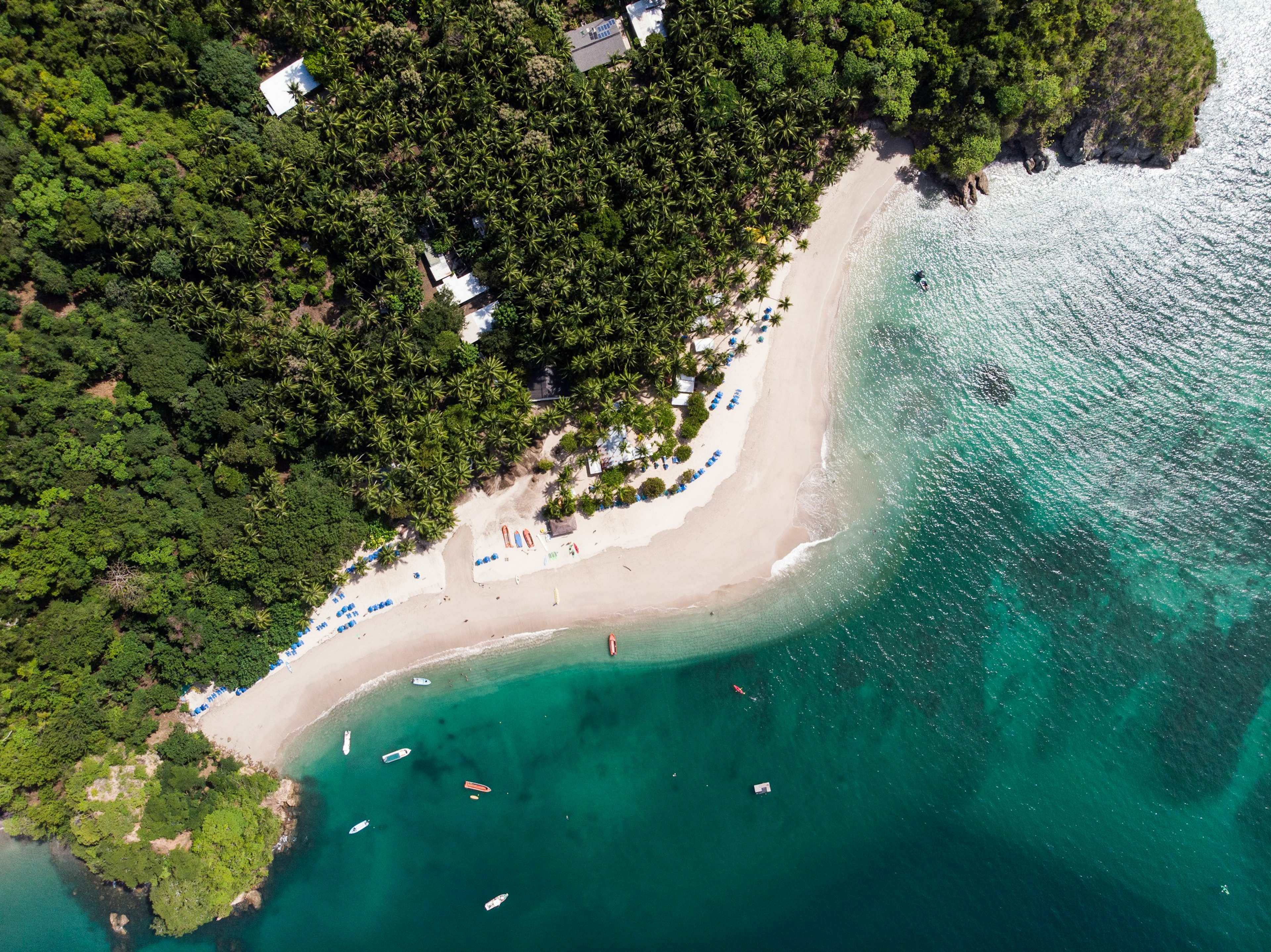
The change is especially welcome for those who prefer to linger at rooftop restaurants or explore without constant reliance on air conditioning. Shoulder-season weather still supports beach time along the Algarve coast, where water remains warm enough for swimming well into the fall months.
Lower Prices and Greater Availability Emerge After Peak Season
Once the summer rush ends, airfares, hotel rates and car rentals tend to drop across Portugal. Meals that averaged around twenty dollars in Lisbon during high season become even more accessible, and three-course dinners at well-regarded restaurants can still be found well below prices common in many Western European capitals. Wider hotel availability also means fewer advance bookings are required for desirable properties.
Thinner crowds translate into shorter lines at attractions and easier reservations at Michelin-starred spots or popular wineries. Public transportation remains reliable year-round, with single metro rides in Lisbon starting under two euros and one-way rail tickets from Lisbon to Porto available from roughly twenty euros, allowing visitors to move between cities without a rental car.
Harvest Season Enhances Wine and Food Experiences
Autumn coincides with the grape harvest in the Douro Valley, where vineyards display changing foliage and winemaking activity reaches its height. Visitors can taste wines directly from producers, observe traditional methods and, in some cases, participate in grape-stomping events that mark the season. Portugal’s more than 250 native grape varieties offer flavors distinct from those found elsewhere in Europe.
The culinary scene extends well beyond wine. Fresh seafood such as razor clams, sea bass and sardines features prominently, while cities like Lisbon provide a wide range of options that include Portuguese classics alongside international influences. Vegan travelers have reported finding high-quality choices without difficulty, from local pastries like pastel de nata to diverse restaurant menus that support extended stays.
National parks, botanical gardens and nearby towns such as Sintra and Cascais remain accessible, giving travelers flexibility to combine urban exploration with nature outings or historic sites in a single itinerary. The variety supports both short breaks and longer remote-work trips, where stable internet and reasonable living costs allow time for after-work swims or sunset drinks.
Safety and Local Hospitality Support Varied Travel Styles
Portugal maintains a strong reputation for safety, with the U.S. Department of State listing it at the lowest travel advisory level and international rankings placing it among the world’s most peaceful countries. Solo travelers, including first-time visitors traveling alone, have described feeling at ease throughout their stays, aided by widespread English proficiency and a generally welcoming local culture.
Public transport, rideshare apps and an extensive rail network further reduce logistical hurdles, making the country practical for couples, families or individuals who prefer not to drive. The combination of these factors has led some experienced travelers to recommend Portugal as a destination that works equally well for a first solo journey or a relaxed multi-week visit.
What matters now: Fall offers a practical window for comfortable temperatures, reduced costs and access to seasonal experiences before winter weather arrives.
Travelers weighing options for the coming months can weigh these seasonal advantages against summer’s higher demand. The result is often a more measured pace that still captures Portugal’s landscapes, food traditions and cultural sites without the intensity of peak season.