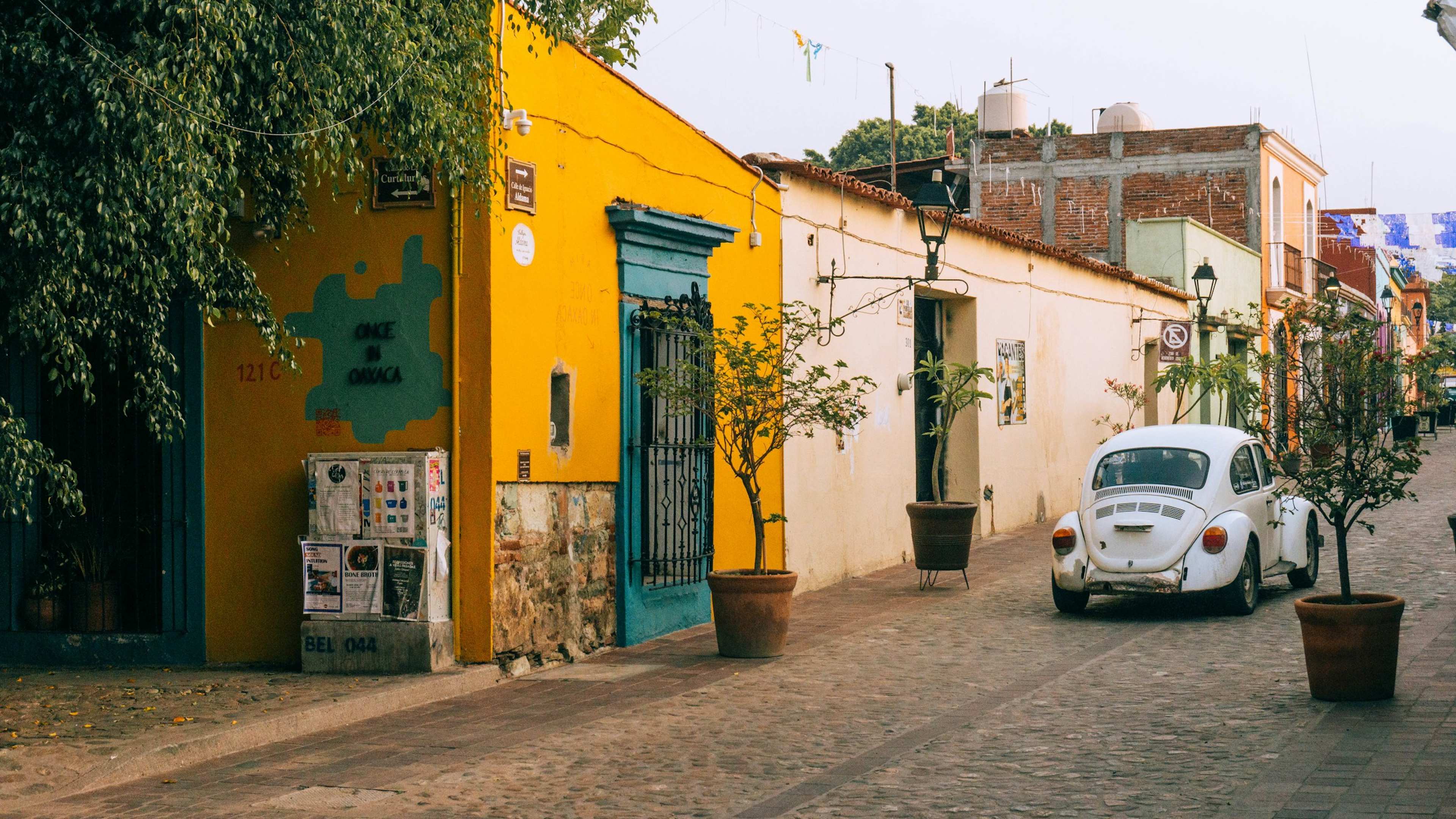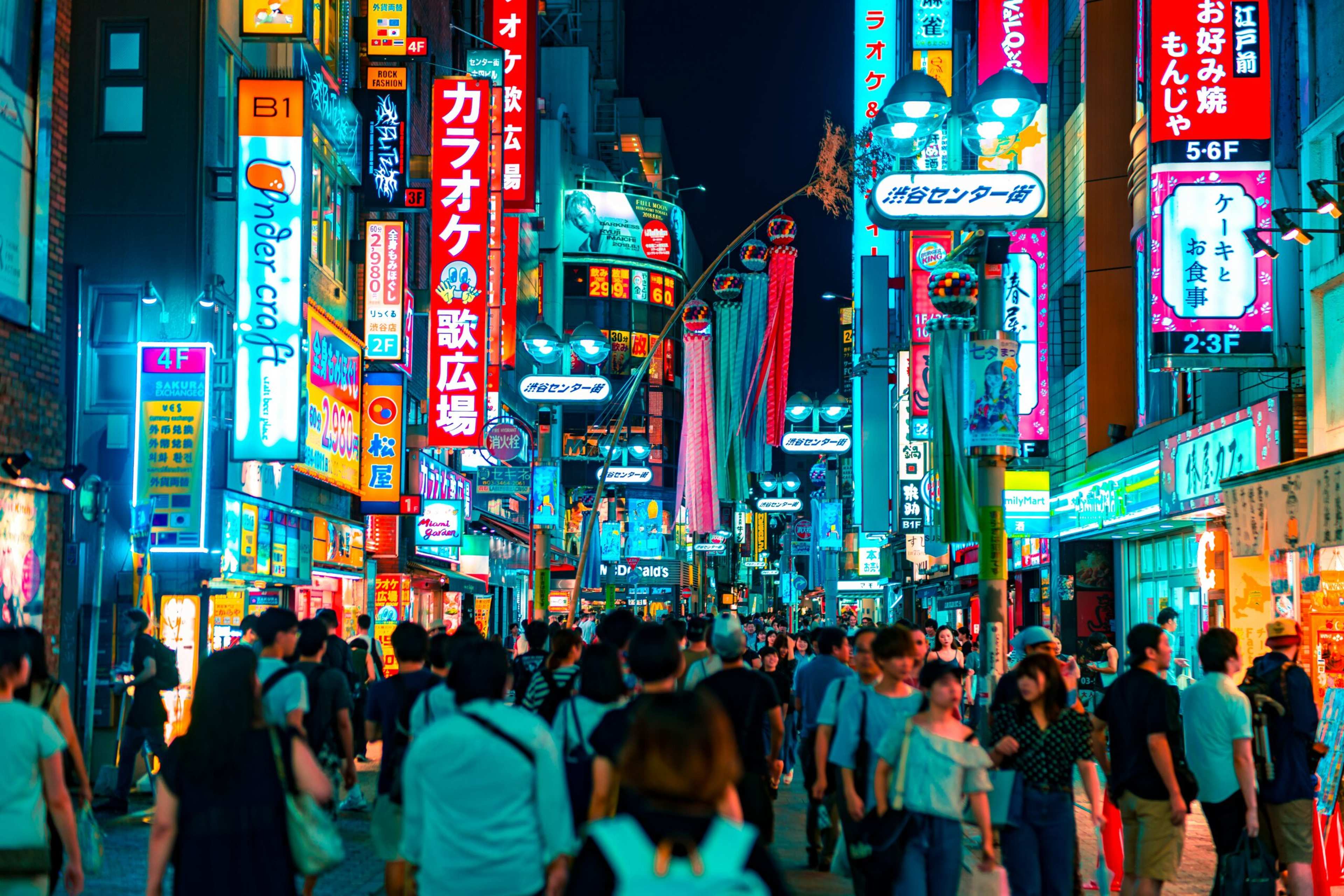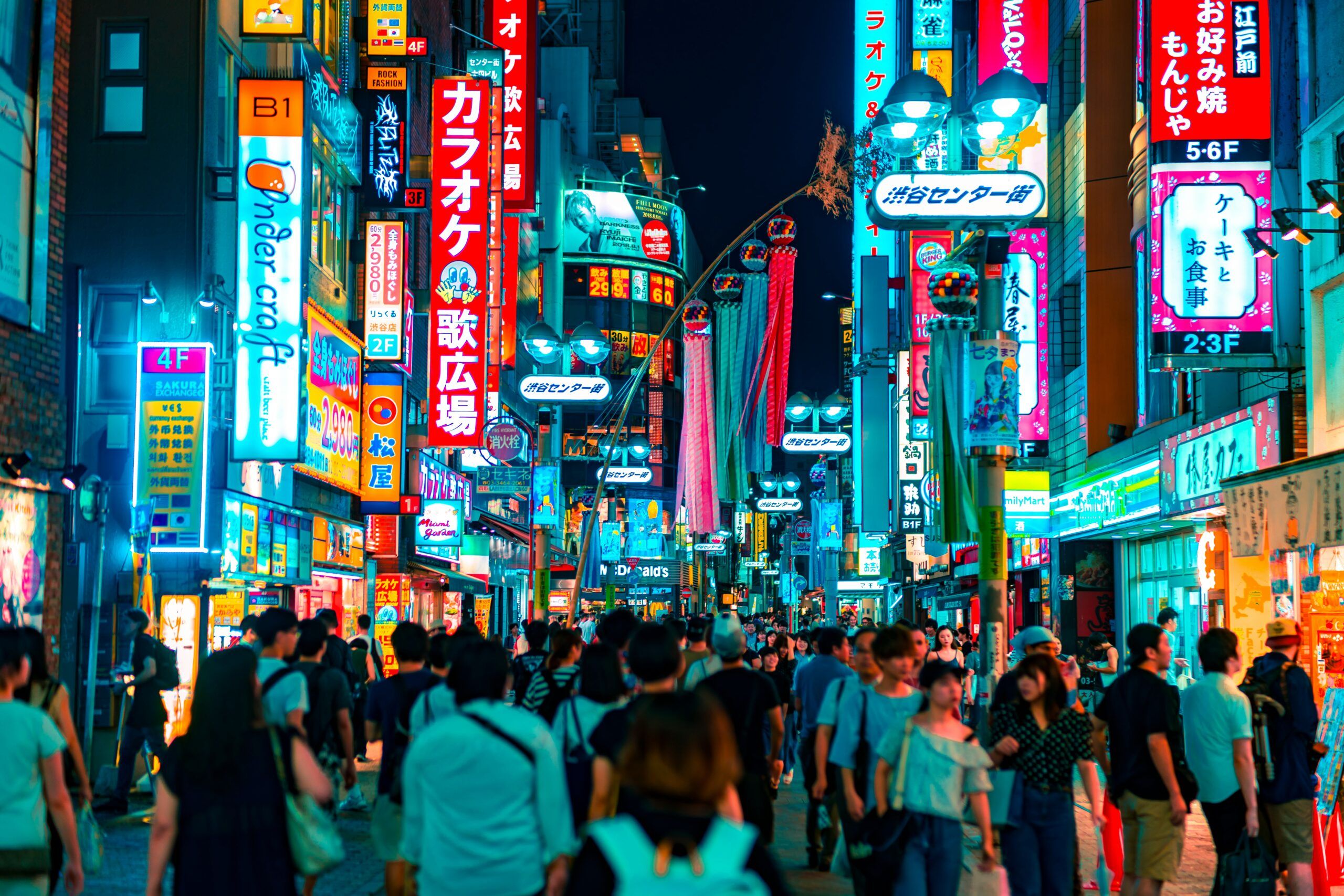
A few years ago, the phrase meant something else entirely. Now it shows up in comment sections, local news and city council debates, usually after a video of a tourist doing something questionable.
The places at the center of it, Japan and Italy, aren’t known for loud public scolding. Something has shifted in how residents, officials and online audiences talk about visitors, and the numbers help explain why.
A Phrase That Changed Meaning

The term first spread widely when borders began reopening after the pandemic. Some people shamed travelers who took advantage of legal international trips[1], and some even left notes on cars with out of state plates telling drivers to go home.[1] That version was about personal risk and whether it was right to travel at all.
Today the target is different. The criticism now is less about whether someone should travel and more about how crowds and individual behavior affect the places being visited.
Japan’s Record Visitor Numbers
The scale of recent growth is hard to overstate. Japan counted about 42.68 million foreign visitors in 2025, the first time it passed the 40 million mark.[2] That figure was roughly sixteen percent above the 2024 total and more than ten million above the 2019 peak.[2]
Tourism has become economically important too. It’s now Japan’s second largest export, after cars.[3] Still, that success is exactly what some residents in popular areas have started to resent.
Too Many People in Too Few Places
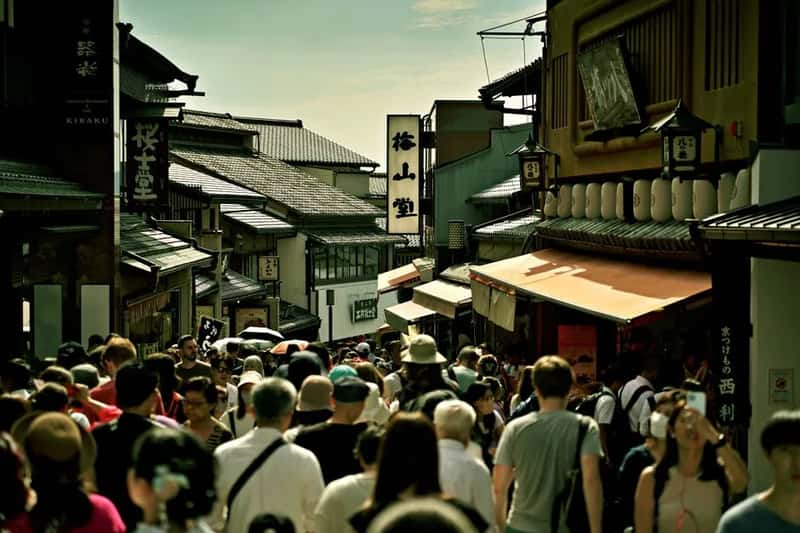
Japan’s issue isn’t really the national total. Tokyo, Osaka and Kyoto together took a little over half of all foreign guest nights in 2025, at roughly fifty seven percent.[4] Meanwhile, twenty seven of the country’s forty seven prefectures each recorded fewer than one million.[4]
Kyoto adds another wrinkle. The city’s own survey counted about 62.79 million visitors but only 16.59 million overnight guests, so roughly three in four came for the day.[4] Day visitors are harder to manage, and they’re often the ones residents see crowding narrow streets.
Etiquette Gaps in Kyoto and Tokyo
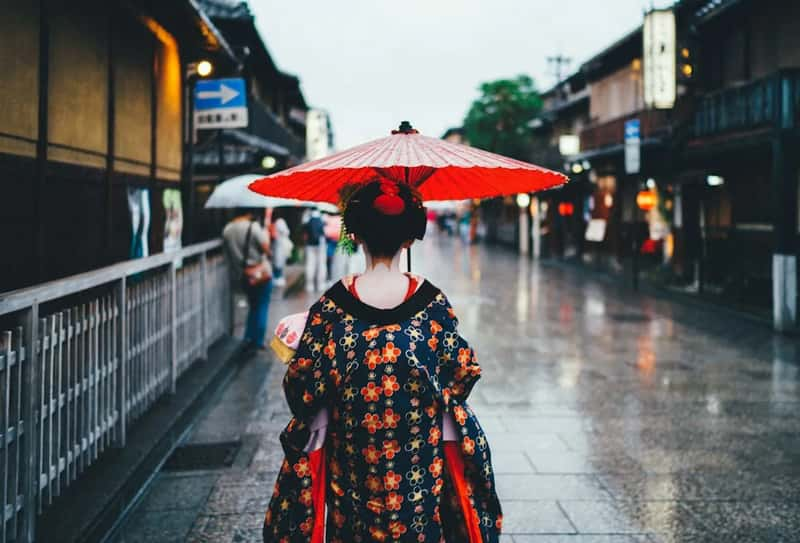
Much of the friction comes from unwritten rules. Tourists can easily fall foul of behavioral expectations in Japan without realizing it.[5] The Japan Tourism Agency has acknowledged that point and released written and pictorial guides in five languages to promote respectful behavior.[5]
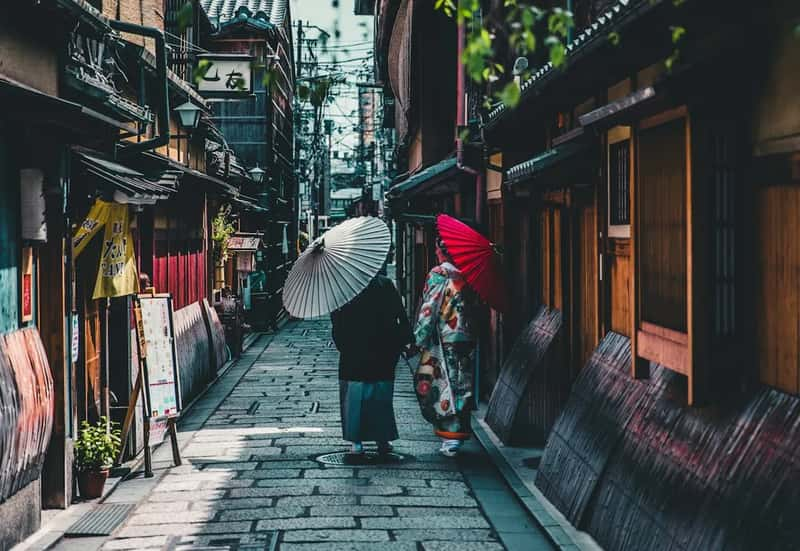
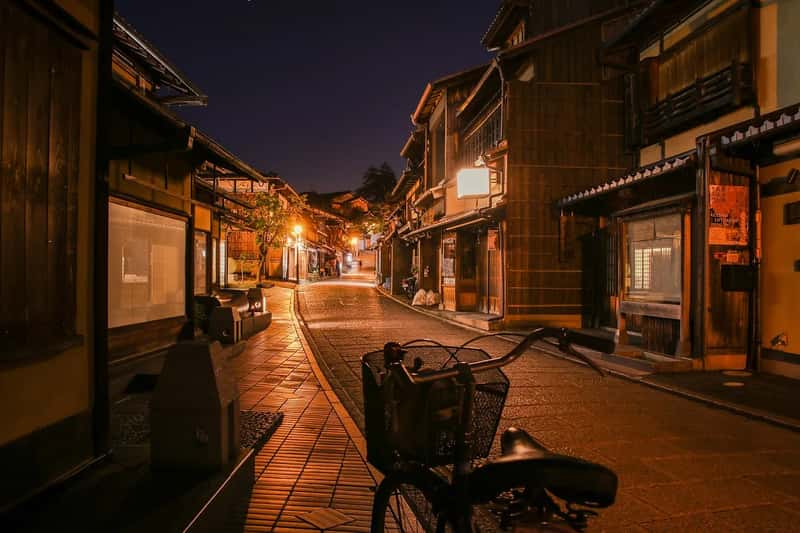
Gion, Kyoto’s geisha district, became a flashpoint. It has needed barriers and signage to manage tourist behavior around private alleys[6], and one travel guide reports that some of those alleys were closed to tourists in 2024 after repeated problems with visitors entering private property.[7]
Italy’s Viral Moments
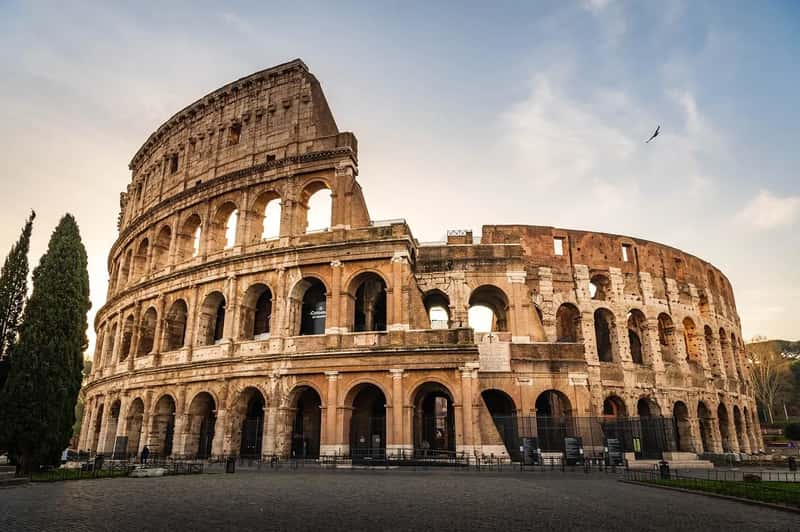
In Italy, a handful of widely shared incidents shaped public mood. In 2023, footage of a man carving his and his girlfriend’s initials into the Colosseum went viral and drew a response from local government.[8] The country’s tourism minister at the time publicly called such visitors vandals and backed a bill built on the idea that people who break things should pay.
The pattern continued. In 2025, tourists posing for photos damaged artwork in several Italian cities, including a crystal covered chair in Verona and a 17th century painting at the Uffizi in Florence.[9] Each clip gave the broader frustration a face.
Paying to See the Sights
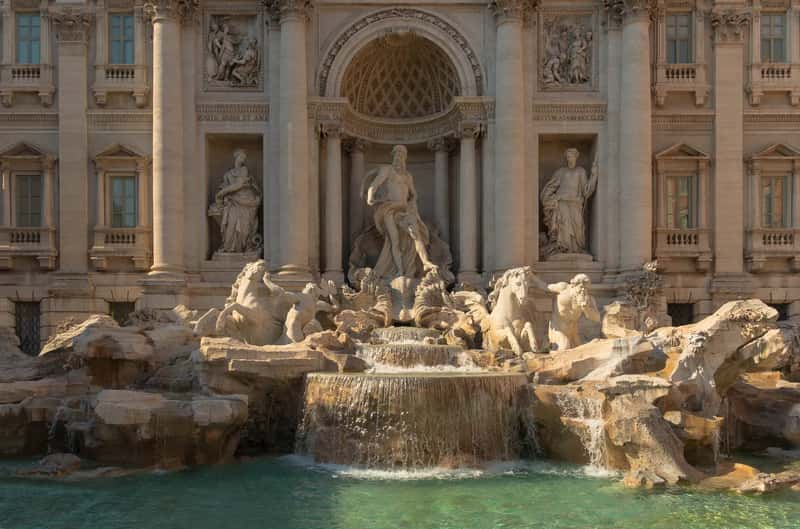
Shaming has been joined by price tags. Rome introduced a fee at the Trevi Fountain in early February 2026: a time reserved entry system and a fee of two euros per person for the lower basin area.[10] Officials say the main aim is crowd control, and the money is meant to help offset maintenance rather than drive revenue.[10]
Venice went first with its day visitor fee. It rises from five to ten euros if you don’t book at least four days ahead, and it applies on sixty selected days between April and July.[11] Overnight guests, residents and students are exempt.[11]
Fines, Caps and Behavior Rules
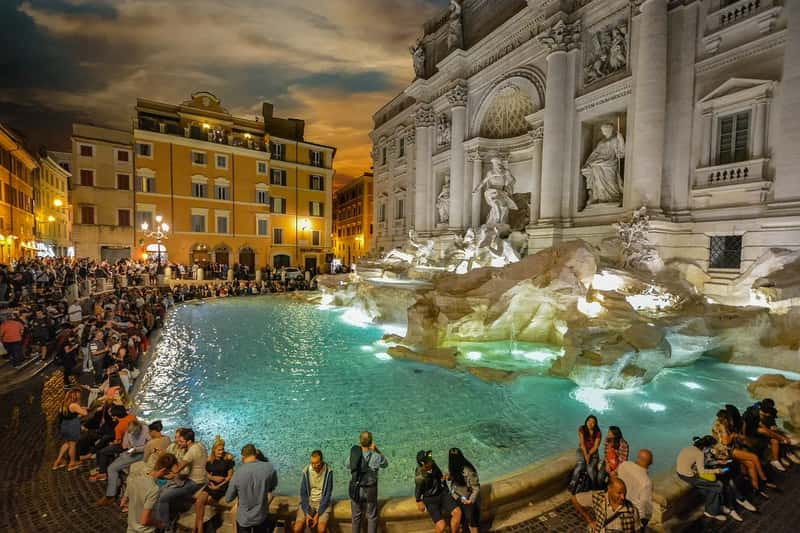
Rules now cover conduct as well as access. At the Trevi, tourists can be fined five hundred euros for swimming in the fountain[12], and after restoration work in 2025 the city limited the number of people allowed at any one time to 400.[12] New regulations also ban eating, drinking and sitting on the marble around it.[10]
Penalties can reach into the mountains as well. A British hiker rescued from the Italian Dolomites faced a fine of about sixteen thousand dollars after ignoring signs and crossing warning barriers.[9] Rules like these turn what was once a social frown into something enforceable.
When Blame Lands on the Wrong Group
Public frustration doesn’t always aim accurately. In Kyoto, many assumed Chinese visitors were the main cause of crowding, yet the city’s tourism association reported that mainland Chinese visitors accounted for 3.5 million overnight stays in 2025, up about nine percent.[13] That’s a real share, but reporting on the same data suggests it contradicts the belief that they were the principal cause of overtourism.[13]
There have been uglier episodes. One Japanese restaurant drew criticism from residents and condemnation on Chinese social media after reviewers said they were turned away over perfume or hearing the Chinese language.[14] Complaints about crowds can slide into discrimination, which is one reason officials tend to stress behavior over nationality.
Social Media Keeps the Pressure On

Online platforms turn single incidents into shared outrage. Entire galleries now collect tourists who got shamed online for rude behavior.[15] The attention can feel unfair to the many visitors who behave perfectly well, and it can distort how common the problems really are.
Authorities have started using the same channels. Awareness campaigns in Japan, some built with famous manga series, encourage tourists not to litter or block sidewalks to take photos.[3] It’s a softer form of public pressure, aimed at prevention rather than embarrassment.
Where Things Stand
Japan is still aiming higher. The government’s goal is sixty million international visitors a year by 2030.[13] Meanwhile, it has raised its international departure tax and put new access restrictions in place in Kyoto.[16]
Italy continues to expand its fees and caps in Venice and Rome. Both countries are now managing visitors through a mix of pricing, rules and public expectations, and the shaming that gets the headlines is only one part of that picture.