If you’re planning a trip to the floating city, understanding why July ranks as possibly the worst month to visit could save you thousands of dollars and preserve your sanity. Let’s dive into the specific reasons why skipping might be the smartest travel decision you make this year.
The Sweltering Heat Makes Exploring Unbearable
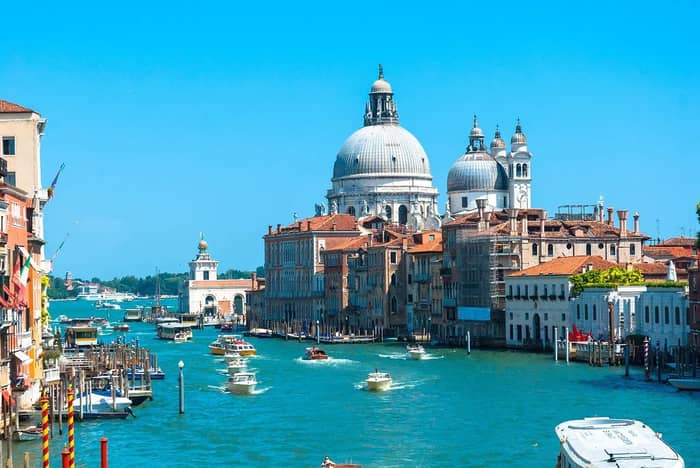
July stands as Venice’s hottest month, with temperatures climbing to around 28 degrees Celsius, though daytime highs can surge beyond 31 degrees and occasionally even reach over 40 degrees Celsius. Walking through narrow alleyways with little shade becomes exhausting fast. High humidity levels intensify the heat considerably, making even simple activities feel like a workout. The heat index often makes it feel significantly hotter than the actual temperature, especially when you’re surrounded by stone buildings and water that trap the warmth throughout the day.
The Crowds Are Absolutely Crushing
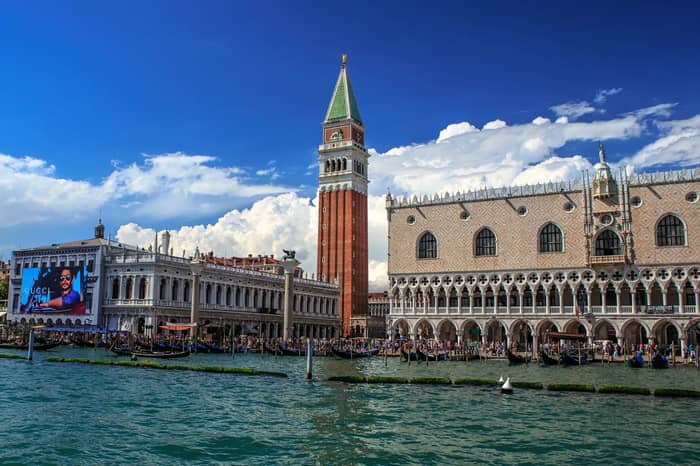
Venice experiences its busiest tourist periods from June to August, peaking specifically in July with heavy crowds resulting in longer lines at attractions and higher accommodation prices. The city attracts around 20 million visitors each year, with more than 50,000 people entering the city on peak days, even as the resident population has fallen to just over 49,000. That means there are literally more tourists than locals on any given summer day. The city becomes strained when day-tripper numbers reach 30,000 to 40,000, with narrow alleyways clogged with people and water taxis packed, making it difficult for residents to go about their business. Honestly, it feels less like exploring a historic city and more like battling through a theme park during peak hours.
Your Wallet Will Take a Serious Hit

Venice hotels reach their busiest and most expensive periods during summer, with particular spikes in July and August, and hotel prices can be quite high, especially during the summer months. Think of it this way: you’re paying premium prices for a cramped, sweaty experience. Day-trippers now face a €5 charge to enter the historic center during peak periods, which doubles to €10 if bought within three days of arrival. Everything from gondola rides to simple meals carries inflated prices when tourism peaks.
The Canals Develop Unpleasant Odors
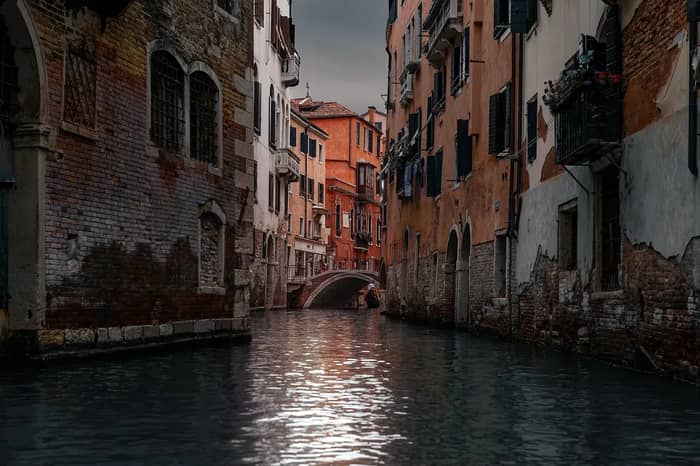
Let’s be real here. Summer’s heat intensifies smells in Venice, while winter often sees a fresher scent profile in the city. During summer months, when there’s low tide, which happens more frequently than in winter, silt and mud are exposed, and it smells, making summer the worst time to visit Venice. During the summer, when the weather is hot and the water levels in the canals are low, the sewage system can struggle to cope with the increased waste, and the resulting odors can become noticeable. If waste is not collected for a few hours, especially during hot summer days, a bad smell can be perceived in some parts of the city. While not everywhere stinks constantly, certain areas near smaller canals can be quite pungent, and it’s hard to ignore when you’re trying to enjoy romantic strolls.
The Tourist Infrastructure Buckles Under Pressure
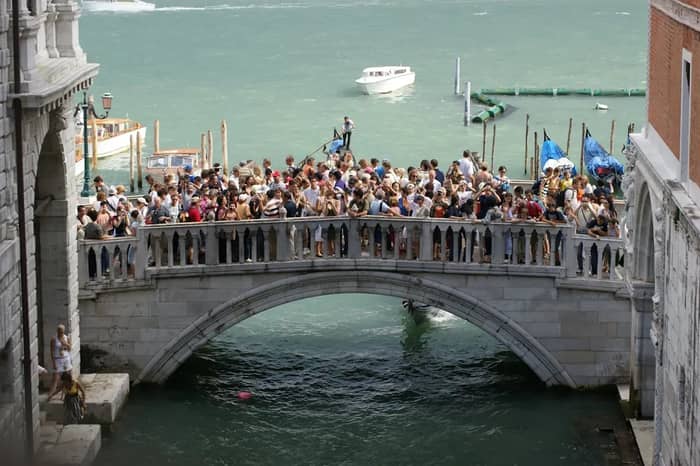
Heavy foot traffic accelerates wear on the city’s stone paving and adds stress to more than 400 historic bridges, while public water buses carry more than 100 million passengers each year. For Venetians who rely on water buses to commute to work or take their children to school, the overcrowding is exhausting, and during major events, even the less-touristy lines fill up with locals often told to wait for the next boat because the system simply can’t keep up with demand. The Vaporetto becomes less of a charming transport option and more of a sardine can experience. Every restaurant, museum entrance, and even bathroom facility faces overwhelming demand that the city’s medieval infrastructure simply wasn’t designed to handle.
The Overtourism Problem Reaches Critical Levels
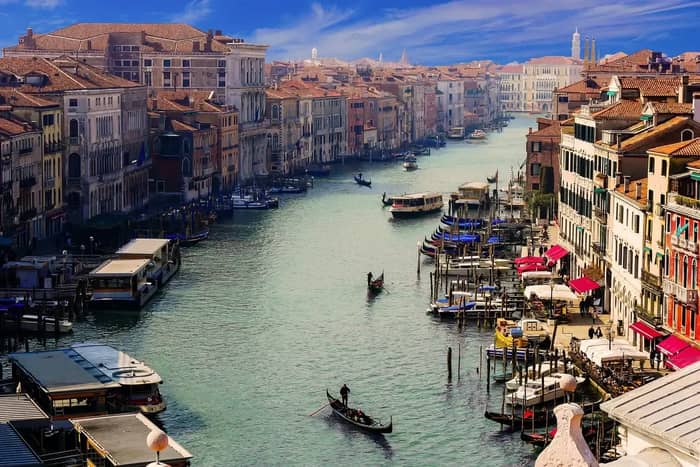
With nearly 400 tourists per day for each Venetian resident, many locals are compelled to leave their homes, causing a mass exodus. The fee implemented to curb overcrowding failed to address root causes, as 40% of Venice’s housing stock is now short-term rentals, pricing locals out of their homes. In 2023, the city welcomed 30 million visitors, yet only 3.2 million stayed overnight, creating an imbalance that represents a ticking time bomb. July amplifies this crisis to its maximum intensity. You’re not just visiting a struggling city; you’re actively contributing to a problem that UNESCO has warned could lead to Venice losing its World Heritage status.
Better Alternatives Exist Just Months Away
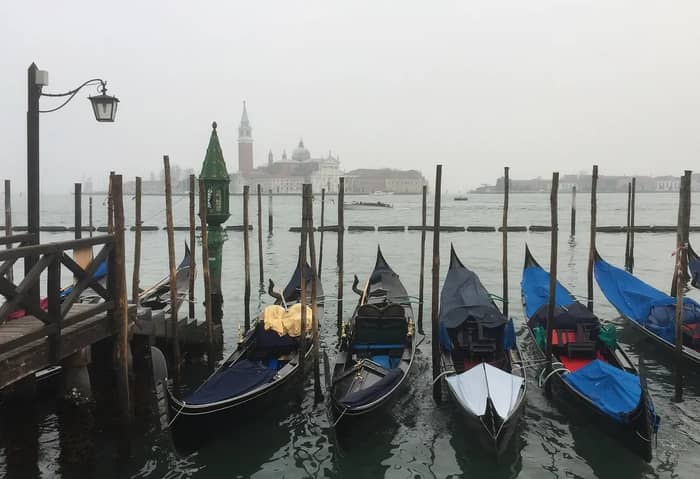
The best time to visit Venice is late spring or early autumn when temperatures range from 18 to 22 degrees Celsius, and whilst there is some rain, visiting in the shoulder seasons means you can avoid the sweltering heat and busy crowd of summer. The best time to visit Venice is during the shoulder seasons of spring (April to June) and fall (September to October), allowing travelers to experience the city with a balance of good weather, fewer crowds, and lower prices compared to the peak summer months. September offers particularly pleasant conditions with warm weather, fewer tourists, and more authentic experiences. August in Venice is marked by heat, humidity, and mosquitoes, making it less desirable, while September offers more pleasant weather and typically sees fewer tourists, contributing to lesser canal odors. Why suffer through the worst conditions when waiting just a few weeks delivers a dramatically better experience?
Venice deserves better than a rushed, sweaty, overcrowded July visit. The city reveals its true magic when you can actually breathe, move freely, and see the architecture without battling thousands of others for the same photo angle. Save yourself the money, the discomfort, and the disappointment. Pick literally any other time of year, and you’ll thank yourself for it. What would you choose: an authentic Venetian experience or a hot, expensive, crowded endurance test?