Think you need to visit Iceland in summer for the full experience? Maybe you’ve been planning your trip around those endless daylight hours and temperate weather. Most people do. The truth is, though, that Iceland’s winter season offers something far more magical than what you’ll find in the crowded summer months.
Let’s be real, there’s a reason roughly half of all visitors descend on Iceland between June and August. The weather is milder, roads are accessible, and you get nearly 24 hours of daylight. Yet this also means you’re sharing every waterfall, every lagoon, and every hot spring with thousands of others who had the exact same idea.
Winter flips the script entirely. The island transforms into an ethereal wonderland that feels more like another planet than a vacation destination. So let’s dive in and discover why winter might actually be the best time to experience the Land of Fire and Ice.
The Northern Lights Are Actually Visible
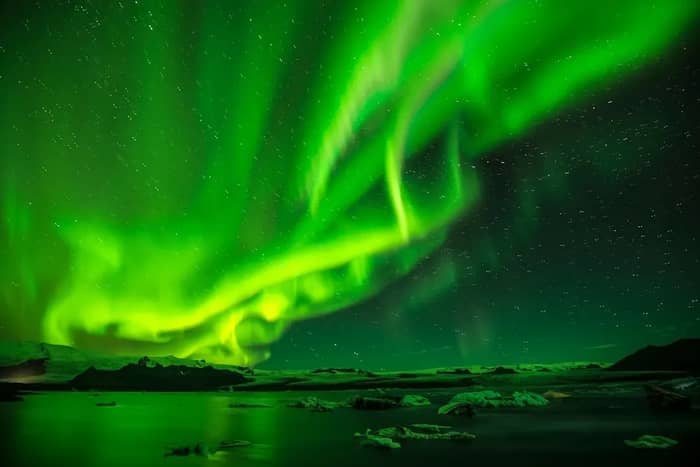
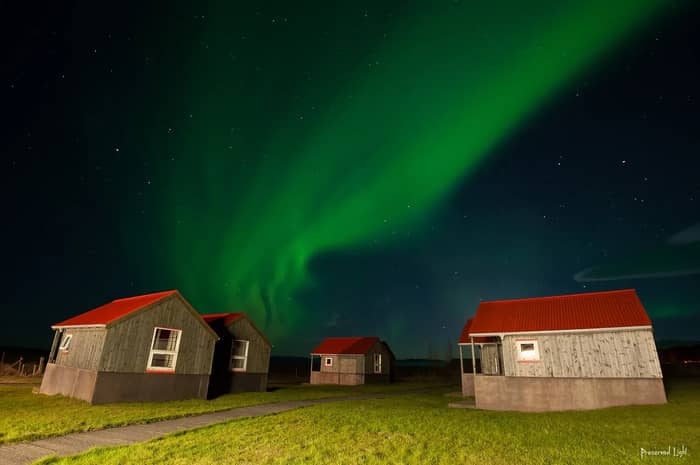
The northern lights can only be seen in Iceland between September and April, when the skies are dark enough for them to be visible, with midwinter providing only about four to five hours of daylight.
Here’s the thing. The longest and darkest nights occur from November to January, giving you the maximum window to catch this phenomenon. I know it sounds crazy, but you’re trading a few hours of daylight for the chance to witness one of nature’s most spectacular displays dancing across the Icelandic sky. It’s hard to say for sure whether you’ll see them on any given night, since cloud cover and solar activity both play a role, yet your odds are infinitely better than zero, which is what you get in summer.
The best months to see the aurora borealis in Iceland are between October and March, with the best viewing time around midnight. Picture yourself standing beneath ribbons of green and purple light as they undulate across a pitch-black sky. That memory alone justifies the colder temperatures.
Ice Caves Open Their Blue Crystalline Doors
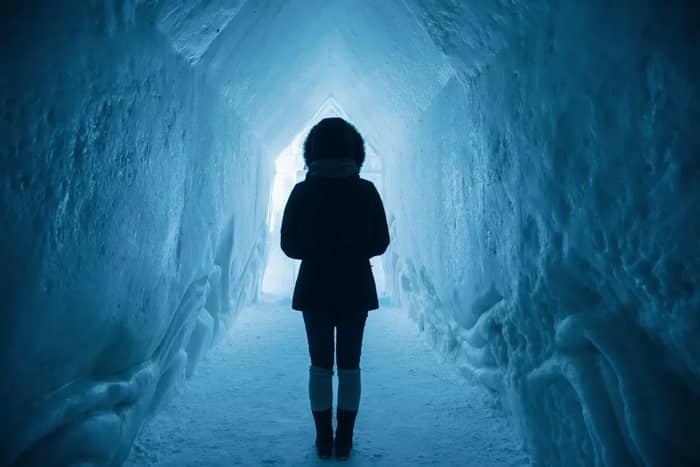
Most ice cave tours in Vatnajökull, including those to the Crystal Ice Cave, begin in November, meaning visiting Iceland in winter allows the best chances to explore these glacial wonders safely. These natural formations exist because of the way glaciers compress and freeze during the coldest months. Winter is when the ice is coldest, most stable, and safest, with ice caves often not present at all during summer.
The experience of stepping inside a glacier feels otherworldly. Ice caves change shape every season as the glaciers move and melt, with colors ranging from deep blue to white and black depending on light and ash. These aren’t just holes in the ice – they’re sculpted chambers of compressed glacial ice that can be thousands of years old.
The ice caves are only accessible during winter months, from November and usually throughout March, depending on the weather. Summer visitors miss this entirely. Sure, there are man-made ice tunnels you can visit year-round, but they lack the raw, ephemeral beauty of natural ice caves that form and reform each winter season.
You’ll Dodge the Overwhelming Summer Crowds
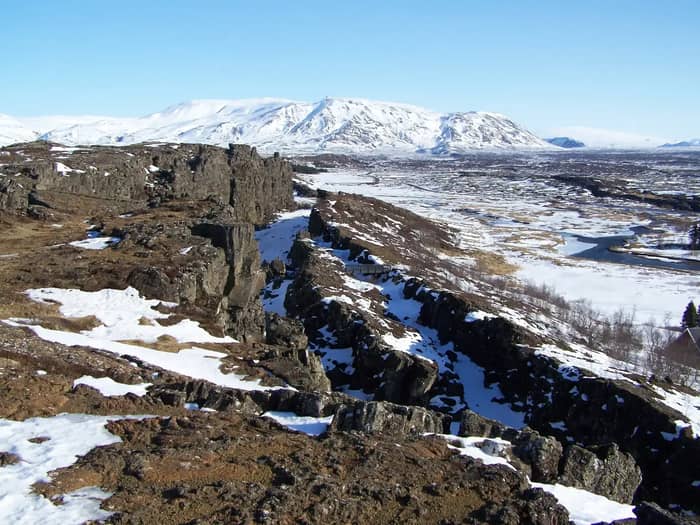
Let me paint you a picture. August 2024 marked the peak month with 281,000 international tourist arrivals, with July attracting 277,000 visitors. Iceland receives the highest number of tourists during the summer, with around 42 percent of visitors arriving during these months, though the percentage of winter visitors has increased by over four percent in recent years.
Honestly, winter tourism offers a completely different vibe. Winter is less crowded except at the end of December when tourists flock in, but you have less daylight, meaning everyone is visiting the popular attractions at the same time. Still, the overall visitor numbers remain substantially lower. You won’t be jockeying for position to photograph Skógafoss or waiting in line for parking at Seljalandsfoss.
Summer is by far the most popular time to travel, as the warmer months attract a proportionately higher number of tourists, but visiting in high season need not mean you cannot enjoy the sights Iceland has to offer in peace. Yet the reality is that most popular sites become packed during peak summer months. Winter gives you back the sense of solitude and discovery that Iceland’s landscapes deserve.
Your Budget Will Thank You Immensely
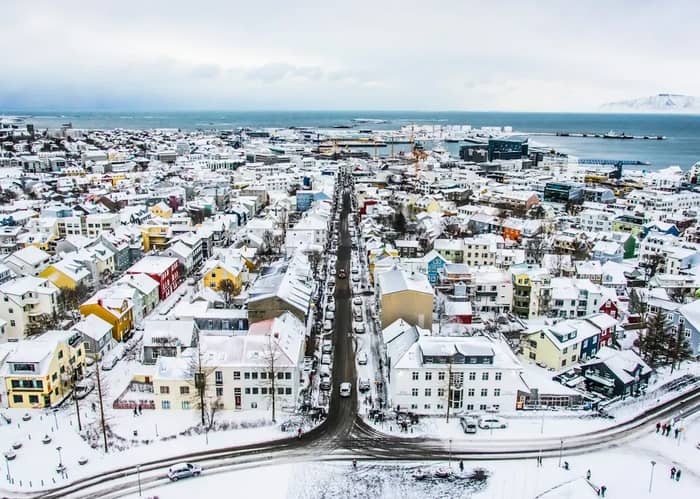
A mid-range hotel in Reykjavik that costs over 250 dollars per night in July can drop to 120 to 150 dollars in winter. Car rentals see one of the biggest price drops in winter, with a compact 2WD car that costs 90 to 150 dollars per day in summer dropping to as cheap as 40 to 60 dollars per day in winter, and even 4WD vehicles dropping from 150 to 250 dollars per day in summer to 70 to 120 dollars in winter.
The savings extend beyond just transportation and lodging. Summer accommodation from June through August is the most expensive, sometimes double the price of winter, with Reykjavik and the South Coast being the priciest areas. Budget airlines like PLAY and Icelandair offer frequent discounts during the winter months.
The time of year has a huge impact on costs, with summer travel from mid-May through August being much more expensive, though it is the best time for open roads and good weather, while winter can be much cheaper and far less crowded despite being cold and dark with potential storms and road closures. For budget-conscious travelers, the difference can be substantial enough to extend your trip by several days or upgrade your accommodations to something more comfortable.
The Landscape Becomes a Fairy Tale
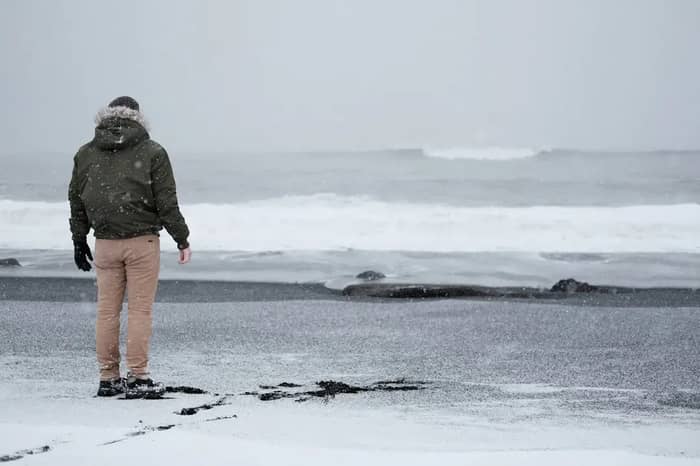
Iceland in winter looks like something out of a fantasy novel. Snow blankets the black volcanic rock, creating a stark contrast that photographers dream about. Winter in Iceland is characterized by wind, snow, ice, and frigid temperatures, but also the most beautiful landscapes in the world.
The golden hour – that magical time when the sun hangs low and bathes everything in warm light – lasts for hours during winter. When the sun is rising or setting, and everything is golden and perfect, winter provides lots of this. You get this dreamy, soft lighting for much of the limited daylight, making every photograph look professionally edited straight out of the camera.
Snow can make nature’s beauty even more stunning. Waterfalls partially freeze into sculptural ice formations. Black sand beaches become framed by white snow. Geothermal pools steam dramatically in the frigid air. The entire island takes on an ethereal quality that simply doesn’t exist during the green and brown months of summer.
The Moody Atmosphere Is Unmatched
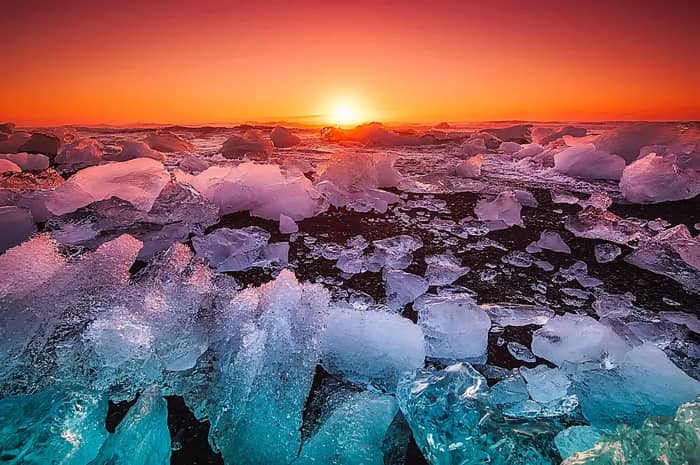
Let’s talk about something that doesn’t show up in guidebooks. Iceland only gets two to four hours of daylight in midwinter. This might sound like a drawback, yet it creates an atmosphere unlike anywhere else on earth. The prolonged twilight hours bathe the landscape in shades of blue and purple that feel almost supernatural.
The darkness itself becomes part of the adventure. You’ll find yourself awake and exploring during what would normally be sleeping hours, simply because the night sky might erupt with northern lights at any moment. The limited daylight forces you to slow down, to savor each moment of illumination, to be more present.
Cozy Icelandic cafes and restaurants take on a special warmth when you’re escaping from the cold and dark outside. The contrast amplifies everything – the taste of hot chocolate, the comfort of a wool sweater, the satisfaction of a hearty meal after a day exploring frozen landscapes. These sensory experiences get diluted during summer’s endless daylight.
Practical Considerations Aren’t Deal Breakers
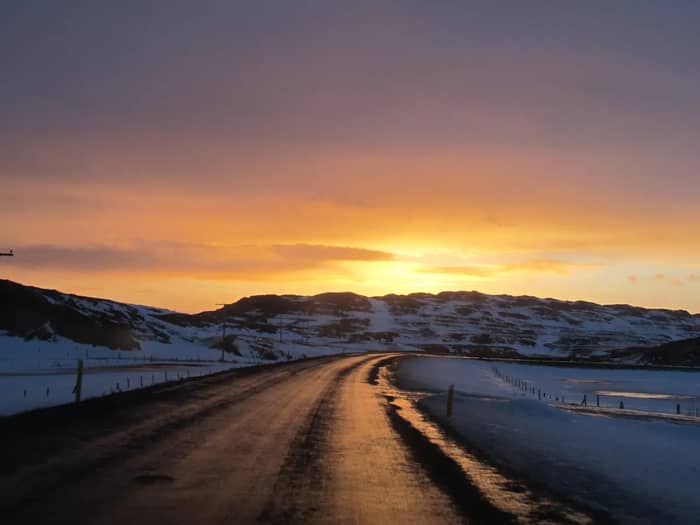
I’ll be honest with you. Winter travel in Iceland requires more preparation. There’s very little daylight, with only two to four hours a day and a very long dawn and dusk, with storms being common and occasionally leading to cancellation of tours or closure of main roads. Road conditions can be challenging, and you’ll need proper winter gear.
However, October through March is noted as best for aurora and winter activities, with colder temperatures, limited daylight, and lower travel costs. The infrastructure is built for winter tourism. Tour operators know how to navigate conditions safely. Hotels are well-heated and cozy. Rental companies provide winter tires and often 4WD vehicles.
The key is adjusting expectations and preparing properly. Pack layers, invest in good boots, be flexible with your itinerary, and accept that some roads may be closed. These minor inconveniences pale compared to the magical experiences winter provides. Is winter the worst time to visit Iceland? Not at all if you’re prepared, as winter offers magical experiences unavailable at other times of the year.
Final Thoughts on Iceland’s Best Season
In 2024, international tourist numbers reached 2.26 million, up 2.3 percent from 2023. The vast majority of those visitors came during summer months, missing out on what many consider Iceland’s most spectacular season. Winter transforms this volcanic island into something ethereal and otherworldly that summer cannot match.
The northern lights alone justify the trip. Add in ice caves, smaller crowds, lower prices, and a landscape that looks like it belongs in a fantasy realm, and the case for winter becomes overwhelming. Sure, you’ll sacrifice some daylight hours and need warmer clothing. Yet what you gain – the magic, the authenticity, the sense of adventure – is irreplaceable.
Iceland in winter isn’t for everyone. It requires a certain mindset and willingness to embrace darkness and cold. For those who make the journey, though, winter reveals Iceland’s true soul in a way summer never could. Did you expect Iceland’s winter to offer this much? What would you prioritize – the midnight sun or the northern lights?