Every seasoned traveler has a packing strategy. You’ve got your neck pillow sorted, your entertainment downloaded, maybe even a cheeky upgrade to extra legroom. However, there’s one decision that could make or break your journey before you even reach cruising altitude. I’m talking about what you wear on your feet.
It might sound trivial, honestly, but footwear choices can impact everything from your circulation to your safety during a flight. Altitude changes cause considerable swelling in your ankles and feet, and what feels comfortable at the gate can turn into a compression chamber somewhere over the Atlantic. Let’s be real, nobody wants to arrive at their destination hobbling through baggage claim because their shoes have become medieval torture devices. So let’s dive in and explore the three types of shoes you absolutely need to avoid on your next long-haul flight.
High Heels
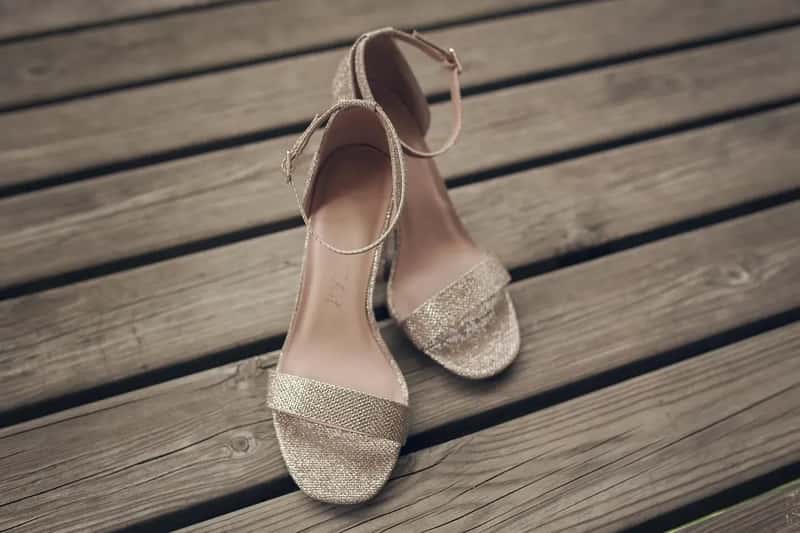
Picture this: You’re dashing through the terminal in stilettos, looking fabulous. Fast forward six hours, and your feet feel like they’ve been through a battle. Here’s the thing about high heels on planes, they’re not just uncomfortable, they’re potentially dangerous.
Flight attendants have warned that during emergency evacuations requiring slides, high heels must come off as they can puncture the slide. That sharp heel might look great with your travel outfit, but it could literally deflate your escape route in a crisis. Even beyond emergencies, heels create problems at security checkpoints. They often trigger metal detectors due to nails in the heels, adding unnecessary delays to your journey.
The pressure difference on airplanes compared to sea level increases the risk of thrombosis in veins, which worsens when wearing high heels or tight shoes. Your body is already working overtime to circulate blood while you’re immobile at altitude. Throwing heels into the mix just compounds the issue, potentially increasing your risk of developing blood clots.
Think about it practically too. Running gate to gate? Impossible. Navigating narrow airplane aisles? Treacherous. Even flight attendants change out of their heels during flights because wearing them the entire time isn’t practical. If the professionals who work on planes daily won’t keep them on, maybe that’s a sign we shouldn’t either.
Flip-Flops and Backless Sandals
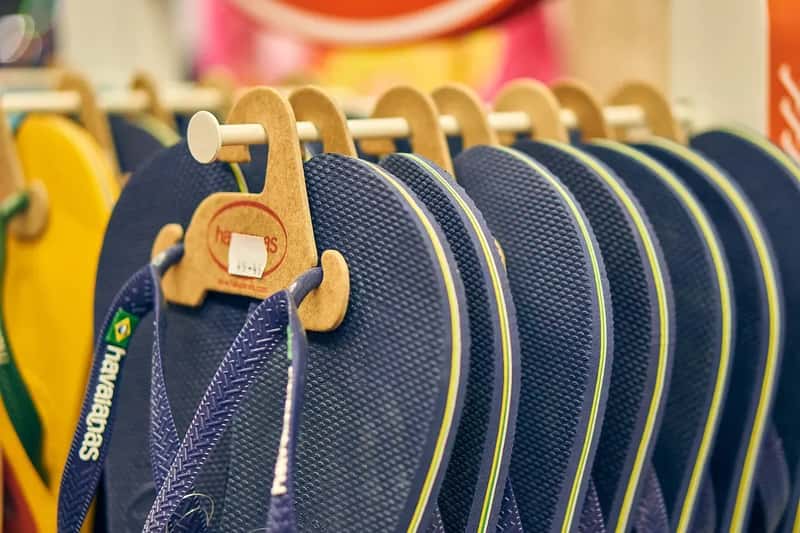
Flip-flops seem like the ultimate travel shoe. Easy to slip off, breezy, minimal fuss at security. Wrong. They’re actually among the worst choices you can make for air travel, and the reasons go way beyond just comfort.
According to a 2019 review in Travel Medicine and Infectious Disease, airplane bathroom floors harbor more corynebacteria than door handles, sinks, toilet handles, or even toilet seats. Now imagine your bare toes making contact with that floor every time you visit the lavatory. Your toes can easily brush against the floor several times during flight, and planes aren’t deep-cleaned after every flight, allowing many types of germs to accumulate.
The safety concerns are equally alarming. Flip-flops are too easy to slip off or trip in, offering zero protection if you’re sprinting down an aisle or navigating hot tarmac. During emergency situations, you need footwear that stays put. Flip-flops will abandon you faster than a fair-weather friend.
These shoes lack proper arch support and cushioning, which can result in foot fatigue, discomfort, and pain during long flights, potentially increasing the likelihood of developing conditions like Plantar Fasciitis or Achilles Tendonitis. Your feet deserve better than a thin piece of rubber held on by a thong. Due to limited space on planes, you’re much more likely to get stepped on, stub your toe, or have luggage rolled across your foot when wearing open-toed shoes. Those unprotected toes are vulnerable in cramped airplane conditions where accidents happen constantly.
Tight or Constricting Shoes
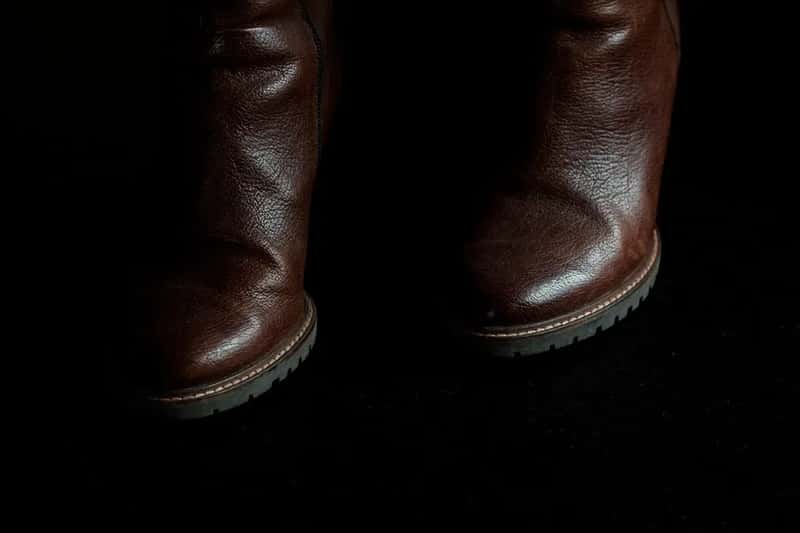
That snug pair of boots or those perfectly fitted leather shoes might seem fine when you’re boarding, but altitude has other plans for your feet. Swelling during flights is nearly universal, and tight footwear turns that natural process into genuine misery.
When shoes are too tight, they act like a tourniquet around the foot, putting pressure on blood vessels and slowing blood flow, causing blood and fluid to pool in ankles and feet, leading to swelling or edema. Long-haul flights make venous thromboembolism between one and a half to four times more likely, and constricting footwear makes that risk even worse. Tight-fitting shoes restrict blood circulation and compress nerves, potentially leading to numbness, tingling, and nerve damage.
Tight thigh-high boots can cut off circulation while sitting, making you uncomfortable and increasing your risk for blood clots and numbness. Even regular tight shoes present problems. Podiatrists recommend avoiding tight footwear, as looser shoes help accommodate swelling during flights.
Tight or pointy-toed shoes should be avoided since pressure changes while airborne cause feet to swell, creating serious discomfort. What fits perfectly on the ground becomes a vise at thirty thousand feet. Your feet naturally expand during flights due to fluid retention and reduced circulation from prolonged sitting. Shoes that don’t accommodate this change will leave you in agony long before you land.
What Should You Wear Instead
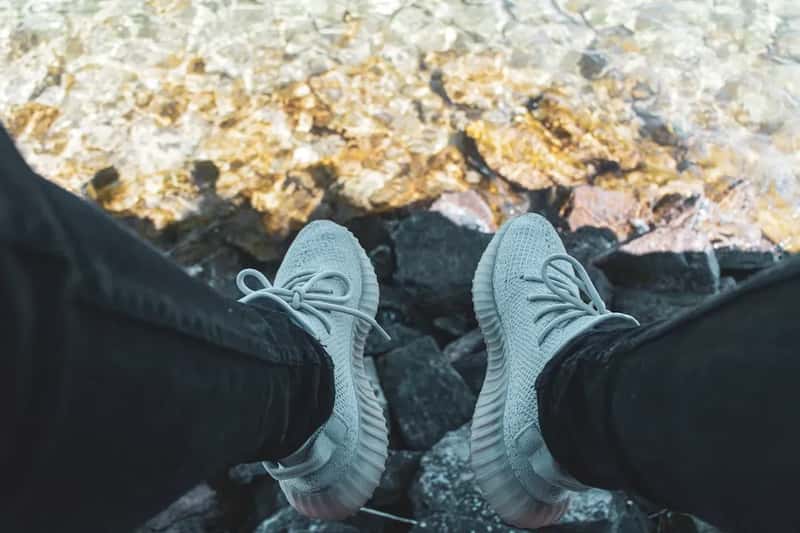
Now that we’ve covered what not to wear, let’s talk about smart alternatives. The ideal flight shoe offers support, coverage, and flexibility to accommodate swelling.
Athletic shoes with good arch support made from breathable materials are ideal for air travel. Sneakers tick nearly every box: comfortable, secure, protective, and suitable for running to catch connections. Running shoes and tennis sneakers are considered MVPs of flight footwear as they’re comfortable, secure, made for moving, protect your feet, and help you move quickly if needed.
Slip-on shoes that are easy to remove and put back on are highly recommended, making security checkpoints less stressful. Loafers, especially well-worn ones, offer a nice balance between style and practicality. Secured sandals with straps and rubber soles that grip, such as Birkenstocks or sporty Tevas, are acceptable alternatives, though they lack the full protection of closed-toe options.
Compression socks reduce the risk of deep vein thrombosis, a potentially fatal blood clot. Many travelers swear by combining supportive shoes with compression socks for maximum circulation benefits. Whatever you choose, make sure they’re broken in. Never wear new shoes for travel as they can cause blisters, pressure points, and discomfort that may ruin your trip.
Your feet carry you everywhere, literally. Treating them well during air travel means they’ll keep supporting you once you reach your destination. Smart footwear choices aren’t about sacrificing style, they’re about arriving comfortable, safe, and ready to enjoy your trip. What’s your go-to travel shoe? Have you learned the hard way about bad footwear choices at altitude?