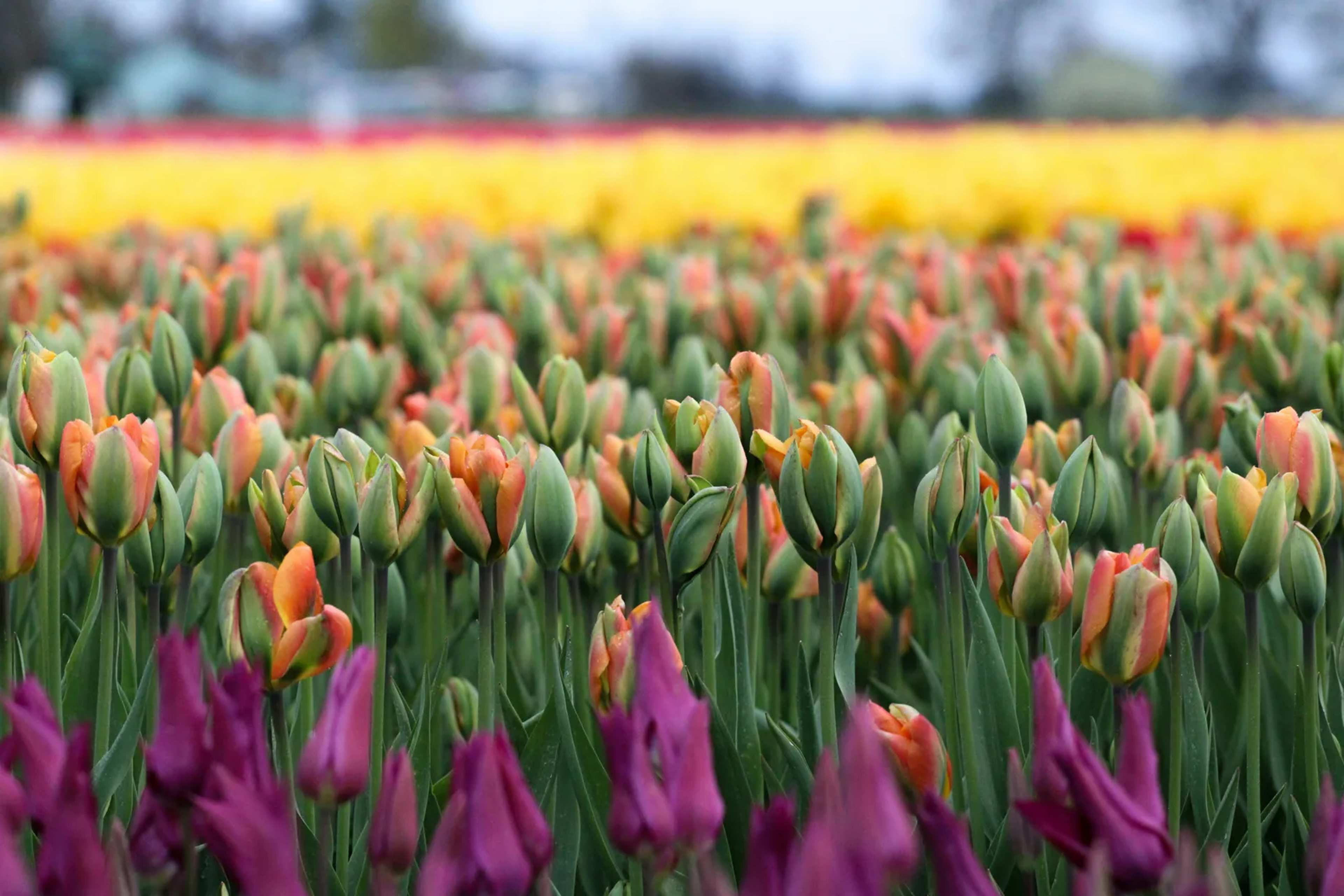
Tulips rank among the most recognizable flowers worldwide, yet their wild relatives tell a different story. More than half of the species assessed to date now face extinction risks, a development that stands in sharp contrast to the plants’ popularity in cultivation. The assessment draws on recent evaluations by conservation experts tracking these mountain natives. ([1])
Numbers Reveal a Quiet Decline
Researchers have completed formal conservation reviews for 62 wild tulip species under the IUCN Red List process. Of those, 32 qualify as threatened. The figures cover a substantial portion of known diversity, with the majority of assessed plants tied to one key region. Five species sit at critically endangered status, seven rank as endangered, and fifteen fall into the vulnerable category. Another fourteen sit just outside the threatened zone as near threatened. These totals underscore how quickly the picture has shifted for plants once considered widespread in remote highlands.
Central Asia Holds the Richest Reserves
Fifty-three of the assessed species occur in Central Asia, where the Tien Shan and Pamir-Alay mountain systems support the greatest concentration of tulip diversity on the planet. These rugged ranges provide the cold, seasonal conditions that allow the plants to persist as underground bulbs through winter. The same geography that fosters such variety also concentrates the risks. Species here often occupy narrow elevation bands, leaving limited room for movement when conditions change. Experts note that this single region now anchors global efforts to understand and protect remaining wild populations.
Grazing and Climate Pressures Mount
Livestock overgrazing ranks as the leading threat for most wild tulips. Animals trample dormant bulbs and consume flowers before seeds can form, interrupting the plants’ already brief growing window. Climate change compounds the problem. Rising temperatures and shifting precipitation patterns push species higher into the mountains, where suitable habitat eventually runs out. More erratic weather also increases the chance of landslides and floods that can wipe out local stands. Additional pressures such as mining, road construction, and bulb collection affect particular species, especially the larger, showier red-flowered types that grow near villages. Tulipa fosteriana in Uzbekistan illustrates this pattern of overcollection.
Protecting What Remains
Conservation work now focuses on mapping remaining strongholds and reducing direct human impacts in the most vulnerable sites. The Wild Tulip Specialist Group, formed under the IUCN, coordinates these efforts across range countries. Success will depend on balancing traditional grazing practices with habitat safeguards while addressing longer-term climate trends. Without coordinated action, the wild ancestors of one of the world’s best-known garden flowers risk slipping further from view.