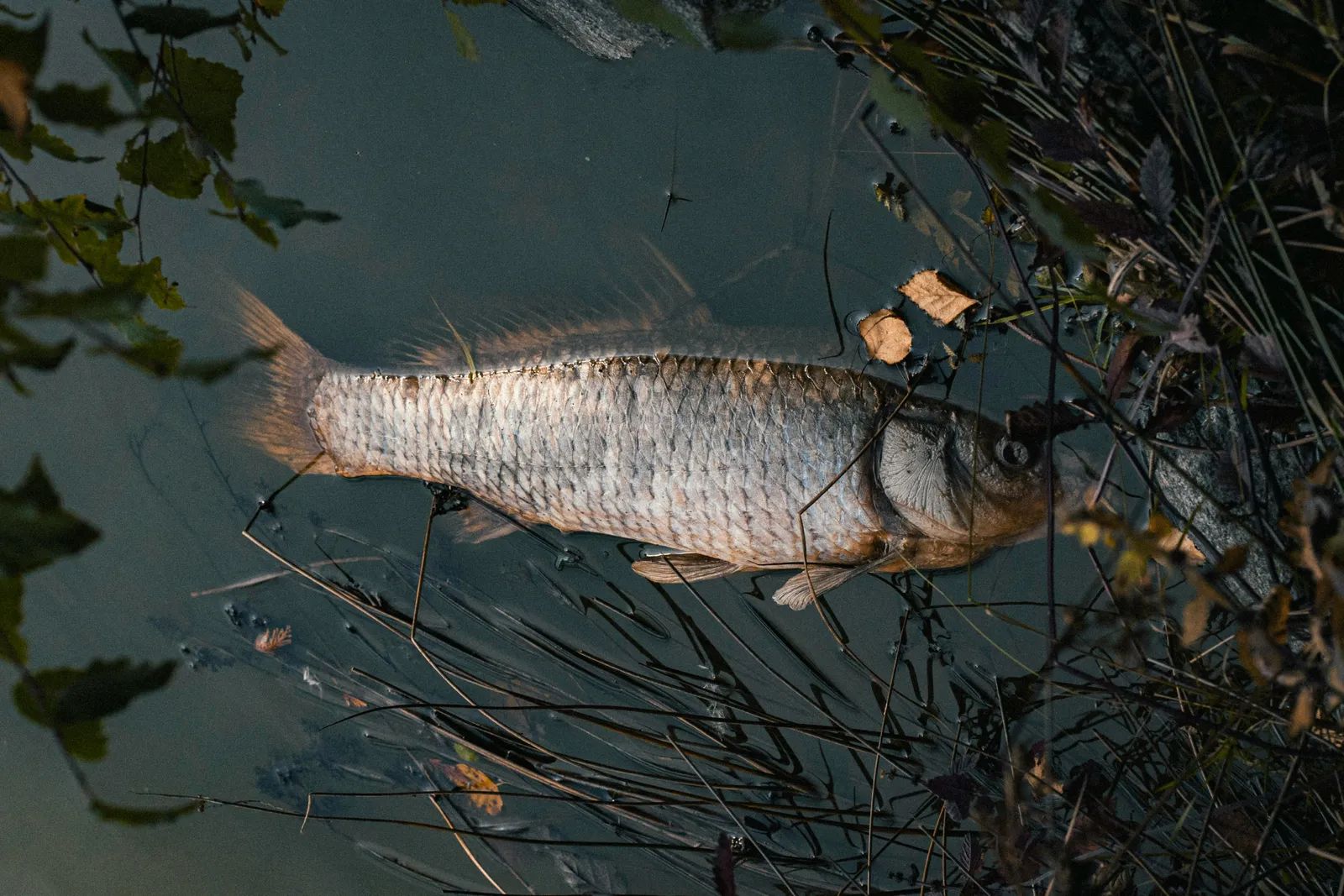
In October, hundreds of fish were found dead in Mumbai’s Banganga Tank, a freshwater tank that Hindus regard as sacred and that is linked to Indian mythology. ([1])The deaths are not an isolated event. They have become a near-annual problem that local activists and civic officials now tie to a fortnight of family rituals, and the question of how to stop them is returning with each season.
A tank with deep roots and a recurring problem
The tank sits inside the Walkeshwar Temple complex on Malabar Hill, and it is about 33 feet deep. Its water comes from a natural underground spring, which is why the pool has long been a fixture of the area’s religious life. Media reports suggest that the pool supports around 220 fish species, so the losses affect a broad aquatic community rather than a single species.
The timing of the die-offs is consistent. They follow Pitru Paksha, a roughly two-week period in September and October when Hindu families honor their ancestors through offerings. Reports of fish deaths after these rituals go back to 2014, and a similar episode was documented in 2023. Local residents have said the deaths happen every year after the final day of the observance, when food offerings are placed in the water.
Why the water loses oxygen
Devotees immerse flowers, rice, flour, ghee, milk and oil in the tank during the rituals. Experts say that this organic material depletes the dissolved oxygen that fish need to survive. Civic officials have made a similar point, saying that the added material raises the pollution load and can suffocate fish.
Activist Rohit Manohar Joshi, president of the Yeoor Environmental Society, told Mongabay that the pattern has persisted for about a decade. “Every year, fish die because of the rituals performed during Pitru Paksha,” he said. The explanation is a likely cause identified by specialists, not a finding from a formal investigation, and officials have not ruled out other contributing factors.
What the city has done so far
The Brihanmumbai Municipal Corporation, known as BMC, has responded each year with cleanup work and a set of short-term measures. The steps reported in the most recent episode include:
- Removing nearly 10,000 kilograms of dead fish and ritual waste, carried away in seven dumper trucks
- Installing aerators and dewatering pumps to add oxygen and bring in fresh water
- Calling a meeting with priests and local residents to discuss keeping food, oil and other material out of the water
- Bringing in an expert to inspect the water and recommend ways to raise oxygen levels
The civic body described these measures as precautionary, aimed at stabilizing water quality and limiting further deaths. A senior official in the city’s D ward said the removal of offerings had begun soon after the carcasses were noticed.
What matters now: The cleanup works, but the root cause remains. Activists have asked the city to provide artificial immersion tanks, similar to those set up near beaches during the Ganpati festival, so that devotees could make their offerings without placing them directly in the pool.
Who is responsible, and what comes next
Responsibility for the tank is shared in an unusual way. A civic official told Mongabay that the tank is privately owned by the Gaud Saraswat Brahman community, and that the BMC has stepped in to lead the response because of the fish deaths and the orders of higher authorities. Spending on the work has been significant. Authorities reportedly spent Rs 1.2 crore on a desilting drive after the previous year’s cleanup.
Repeated deaths raise a practical question. If each year’s measures do not prevent the next die-off, the solution may depend on changing how offerings are made rather than on cleaning up afterward. Any such change would require coordination among priests, residents, the tank’s owners and the city. For visitors who come to see this ancient site, the tank offers a reminder that a sacred place is also a living ecosystem, and that its survival depends on how people approach it during the rituals.