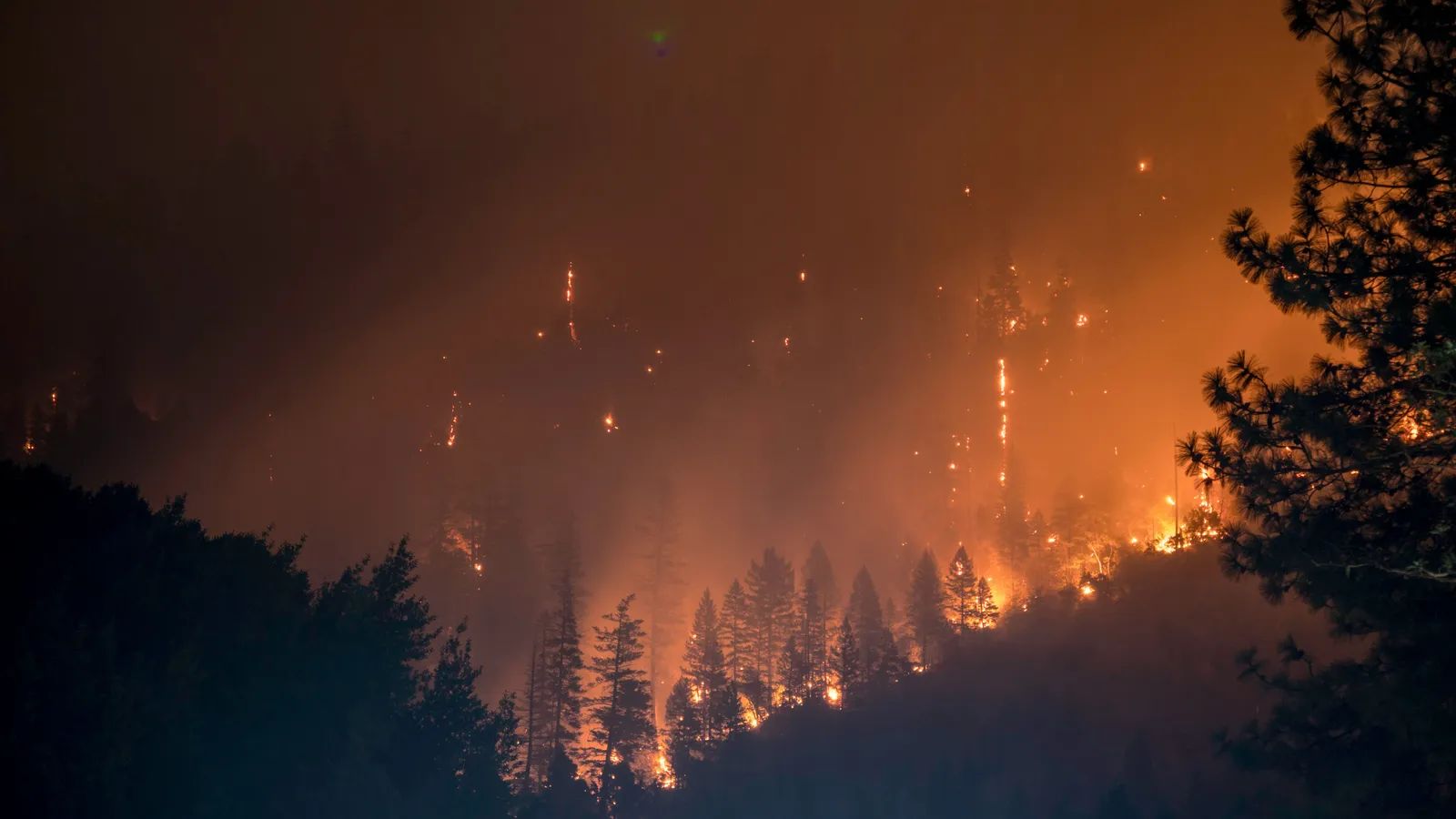
Kuching, Malaysia – Video editor Mohamad Haazim checks Malaysia’s Air Pollutant Index website multiple times each day. Readings in his city have stayed in the unhealthy to hazardous range for weeks. The source of the smog is wildfires burning across Indonesia, and the effects have reached deep into daily routines for people who live here.
Once Clean Air Capital Now Tops Global Pollution Rankings
Kuching long held a reputation for some of the cleanest air in Malaysia. That changed last month when the city recorded the highest pollution levels among major urban centers worldwide, according to data from IQAir. The shift came quickly as smoke from fires in neighboring Indonesia drifted across borders and settled over Sarawak state. Residents who once took clear skies for granted now face a persistent gray pall that limits visibility and outdoor movement. The change has forced adjustments at home and work. Windows stay closed, and air purifiers run continuously to keep indoor spaces breathable. What began as a temporary inconvenience has stretched into weeks of altered habits.
Daily Routines Shift Indoors as Outdoor Plans Halt
Haazim, an avid runner, has cut his weekly outdoor sessions from five to two indoor workouts. Morning and evening walks no longer happen. He described the haze as a complete disruption that keeps him inside for most of the day. Similar stories appear across the city as families cancel park visits and exercise plans. A drive back from Lawas on August 31 brought the scale of the problem into sharp focus for him. The haze thickened noticeably closer to Kuching, turning a familiar route into a slow, cautious journey through reduced visibility. Many residents report comparable experiences when traveling between towns in the region.
Travelers Face Health and Itinerary Concerns
The ongoing haze carries direct implications for visitors planning trips to Malaysia and parts of Indonesia. Air quality swings between unhealthy and hazardous levels can trigger flight delays, limit sightseeing, and raise risks for those with respiratory conditions. Airlines sometimes adjust schedules when visibility drops, while hotels and tour operators advise guests to stay indoors during peak pollution hours. Health authorities recommend monitoring local indices before travel and packing masks or portable air filters. Short-term visitors may find their options narrowed to indoor attractions, shopping centers, and museums rather than the outdoor activities that draw many to the region.
Regional Pattern Points to Persistent Seasonal Challenge
Fires in Indonesia have produced transboundary haze in past years, yet the current episode has drawn renewed attention because of its intensity and reach. Cities across Malaysia and Singapore have recorded elevated readings at the same time, showing how smoke travels far beyond the immediate fire zones. The pattern tends to worsen during drier months when land-clearing fires spread more easily. Officials continue to track the situation through regional monitoring networks. Residents and travelers alike wait for winds or rainfall that might clear the air, though forecasts offer no quick resolution in the near term. The episode underscores how environmental events in one country can quickly reshape daily life and travel conditions across Southeast Asia.