Every bottle tells a story. From sun-drenched vineyards clinging to hillsides to massive industrial operations spanning thousands of acres, the global wine industry shapes economies and cultures across continents. So which countries are truly leading the charge? Let’s dive in.
Italy: The Comeback King
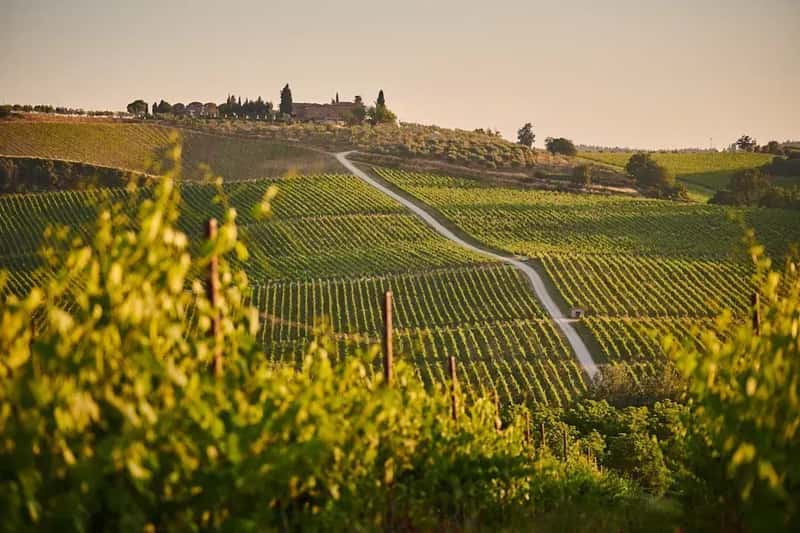
Italy remains the world’s largest wine producer in 2025, with an output of 47.3 million hectoliters. This represents a stunning recovery after historically low yields in recent years. The 2025 harvest represents an 8% increase compared to 2024 and returns production levels to the five-year average. Southern regions drove this resurgence, with Puglia and Sicily experiencing particularly dramatic growth.
What makes Italy’s position remarkable is its sheer diversity. From Veneto’s Prosecco to Tuscany’s legendary reds, the country balances volume with quality in ways few can match. Italy stands out for its varietal diversity and export volume, with Veneto, Tuscany and Piedmont remaining its key axes. Honestly, the Italian wine industry’s resilience speaks volumes about adaptability in challenging times.
France: Struggling But Still Prestigious

The French wine story in 2025 is bittersweet. France produced 35.9 million hectoliters in 2025, placing it firmly in second position globally. However, France experienced a second year of historically low volumes, sitting about 16% beneath its five-year average due to the combined effects of heat and drought.
France’s reputation for premium wines remains untouchable. France stands out as one of the largest wine-producing countries in the world, retaining its leadership thanks to the strength of regions such as Bordeaux, Champagne and Burgundy, with its focus on appellations of origin and premium quality.
Spain: The Drought-Stricken Giant

Spain produced 29.4 million hectoliters in 2025, securing third place. Yet this masks a troubling reality. Spain registered a 6% drop year-on-year and sits about 15% below its five-year baseline. Persistent drought conditions have hammered Spanish vineyards, creating one of the smallest harvests in decades.
Here’s the thing: Spain leads the world in vineyard surface area, which makes these production shortfalls particularly striking. Spain leads in terms of vineyard surface area and export volume, reflecting great productive capacity, though positioning in value remains a pending issue. The country’s challenge isn’t growing grapes, it’s dealing with water scarcity and climate unpredictability.
United States: The Premium Powerhouse

The United States holds its position as the fourth-largest producer globally. The USA is fourth, while Australia bounces back from the smaller 2024 harvest to regain its place as the world’s fifth producer in 2025. California dominates American production, representing roughly 85% of the country’s wine output.
The wine industry is undergoing a significant change, marking the first demand-based correction in three decades. Younger consumers simply aren’t drinking wine as their parents did.
Australia: Rising From the Ashes

Australia regains fifth place after a weak previous year, marking an impressive recovery. Australia’s wine production is estimated at 10.2 million hectoliters in 2024, representing a slight 5% increase from 2023 but remaining 16% below the five-year average. The country continues wrestling with excessive rainfall and inventory pressures.
Australian wines built a reputation on bold flavors and clear varietal identity. Australia focuses on bold flavors and clear varietal identity, with Shiraz getting attention, though regions like Barossa and Margaret River produce excellent Chardonnay and Cabernet wines. Export markets remain crucial for Australian producers, particularly in Asia and North America.
Argentina: South America’s Malbec Master

Argentina is sixth-placed and is the biggest producer in South America. The country experienced a rollercoaster ride, recovering from 2023’s devastating harvest. Argentina produced 10.9 million hectoliters in 2024, reflecting a significant 23% increase from 2023, positioning Argentina as the leading producer in the Southern Hemisphere for 2024.
Malbec remains Argentina’s calling card, particularly from the Mendoza region. The rebound was largely driven by improved weather conditions and a 31.9% increase in grape harvest volumes, with total elaboration of wine and must growing 32.8% year-on-year. Let’s be real though, economic instability continues hampering Argentina’s global expansion potential.
Chile: The Export Champion in Decline

Chile’s 2025 story is surprisingly troubled. Chile produced 8.4 million hectoliters, down 10% from the previous year. Chile showed a significant 15% decrease from 2023 and 21% below the five-year average. This contraction marks a sharp reversal for a country that built its reputation on reliable, value-driven wines.
With more than 80% of its production dedicated to exports, Chile has consolidated its position as one of the largest wine producer countries in the Southern Cone, with star varietals such as Cabernet Sauvignon and Carménère especially successful in Asia and Latin America. Geographic advantages, including natural protection from the Andes and Pacific, historically shielded Chilean vineyards from many threats.
Germany: Quality Over Quantity

German producers excel at white wines, particularly Riesling, which commands respect from sommeliers worldwide. The country’s challenge isn’t making great wine, it’s navigating oversupplied markets and depressed pricing. Germany, more focused on volume than value per liter, continues to prefer Spanish and Italian wines as an importing nation.
South Africa: The Premiumization Play
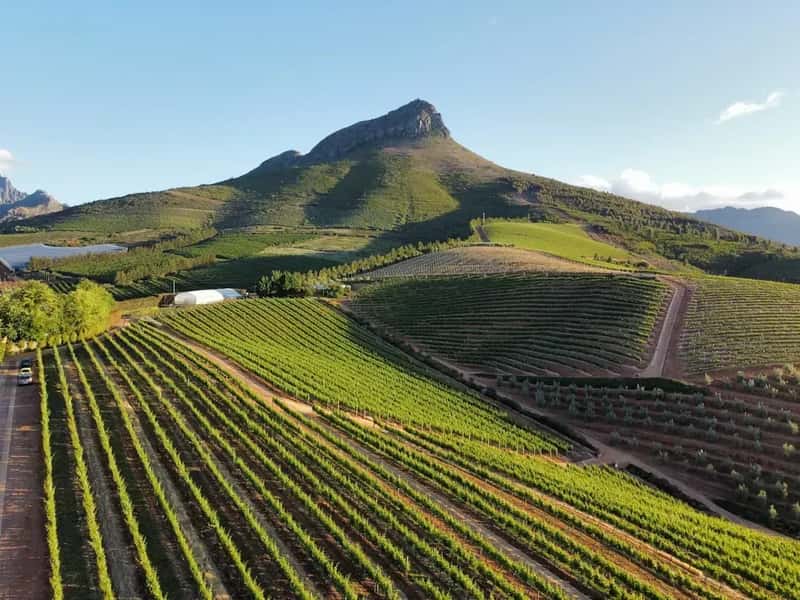
South Africa produced 10.2 million hectoliters in 2025, up 16% from the previous year. This represents solid growth despite facing multiple climate challenges. Wine production for 2024 was projected at 8.8 million hectoliters, with the harvest facing frost, heavy winter rainfall, floods, and high winds, including extreme flooding in the Western Cape estimated as a one-in-200-year event.
South African producers are increasingly focusing on premiumization rather than volume. South Africa stands out among the largest wine producer countries in the world for its quality-price balance and growing demand for its white and Pinotage wines in Europe. The strategic shift toward higher-value wines could prove prescient as global markets evolve.
Portugal: The Underdog Facing Adversity
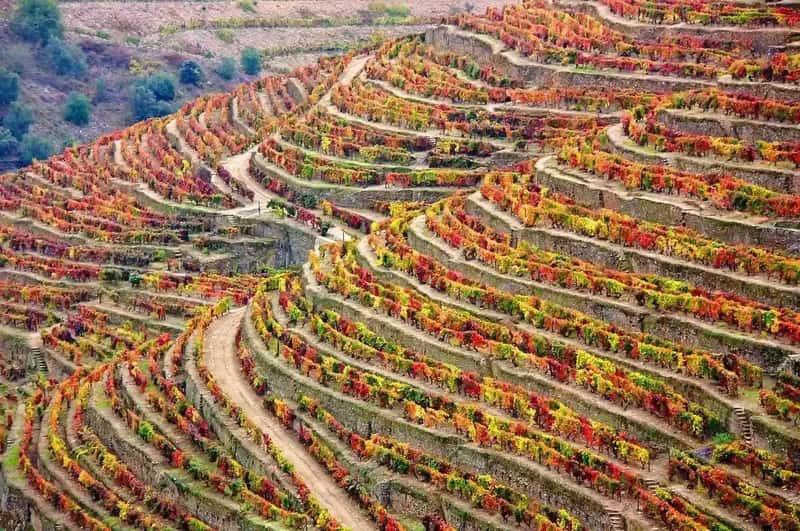
Portugal produced 6.2 million hectoliters in 2025, down 11% from the previous year. Portugal anticipated 6.2 million hectoliters, down 11% due to heavy rain and mildew, particularly in the Douro, Lisbon, and Alentejo. This sharp decline reflects the increasingly unpredictable weather patterns plaguing European producers.
Portugal’s wine industry punches above its weight in certain categories. Port wine remains an iconic product, while regions like the Douro Valley produce stunning table wines that deserve far more recognition. Portugal exported $875 million in wine during 2024, up 11.1%, demonstrating continued international demand despite production challenges.
Conclusion
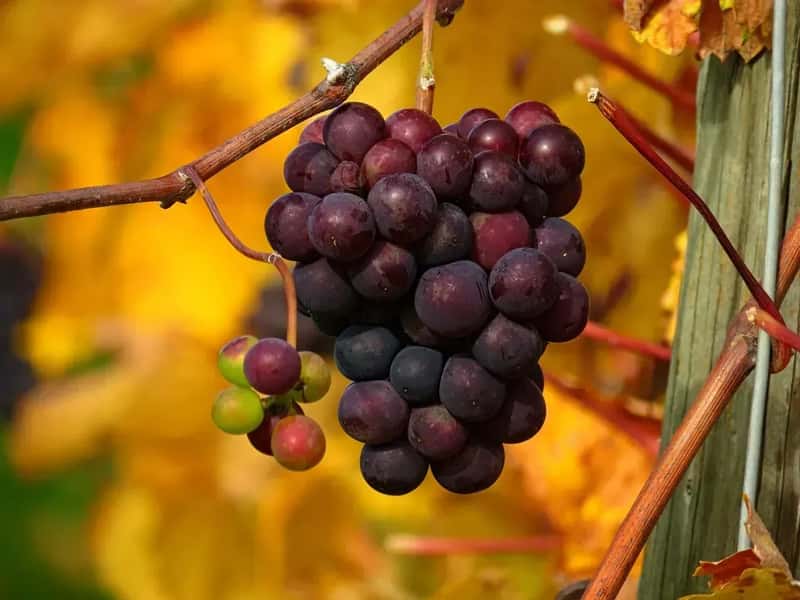
The wine world in 2025 looks fundamentally different than just a few years ago. Climate chaos dominates headlines, from French droughts to California wildfires, reshaping production patterns that remained stable for generations. Despite regional contrasts, the global wine market is likely to remain broadly balanced, as limited production growth will help to stabilize stocks in a context of softening demand and ongoing trade uncertainties.
Traditional powerhouses like Italy demonstrate remarkable resilience, while countries like Chile and France grapple with unprecedented challenges. Younger consumers increasingly choose alternatives to wine, forcing the industry to reckon with demographic shifts no marketing campaign can reverse.
The rankings may shift from year to year, yet one truth endures: great wine reflects the land, climate, and people who create it. What surprises you most about how these countries are adapting to change?