Having a baby should be one of life’s most joyful moments. Yet for millions of parents around the world, it comes with a crushing financial reality. Where you live can dramatically determine whether you spend those precious early months bonding with your newborn or rushing back to work out of sheer necessity.
The gap between the best and worst parental leave policies is staggering. Some countries offer years of paid time off, viewing parental support as a societal investment. Others? Virtually nothing at all. Let’s dive into the countries leading the way and those lagging dangerously behind.
1. Estonia: The Global Champion
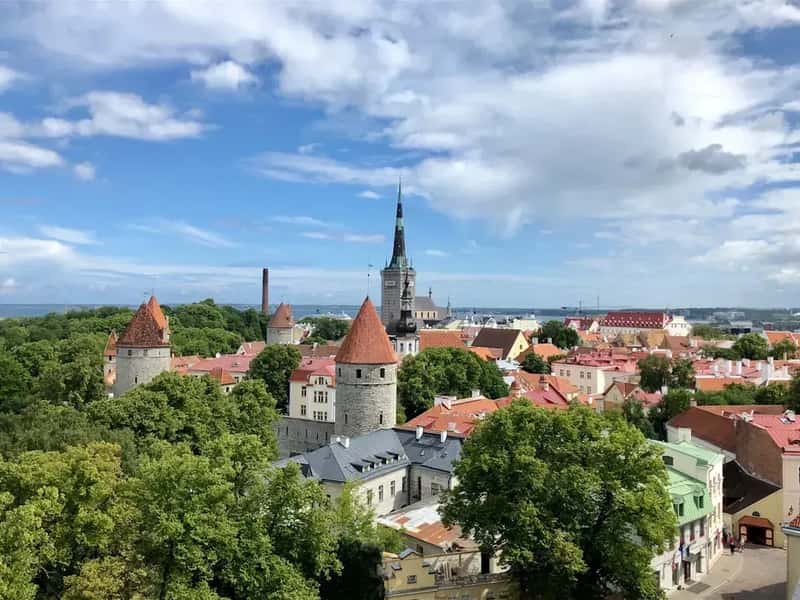
Estonia tops the global charts with 86 weeks of total parental leave, including 20 weeks of maternity leave at 100% pay funded by the Estonian Health Insurance Fund. That’s over a year and a half of support for new parents. Mothers get 140 calendar days (20 weeks) of pregnancy and maternity leave, paid by the state at a rate of 100%, and fathers are entitled to 30 calendar days of paid paternity leave. Parents get 475 days off to share, with compensation calculated at the average of their previous earnings over the same period. Estonia’s system is remarkably generous, especially considering the country’s GDP is significantly smaller than many nations offering far less. This proves that commitment to families isn’t purely about wealth.
2. Bulgaria: Over a Year of Paid Support
Bulgaria is the country with the best maternity leave in the world, offering new parents an incredible 410 days of paid time off. Even more impressive? Bulgaria also covers 90% of the employee’s salary and starts 45 days before the due date. That’s roughly 13 and a half months total. At the end of the maternity leave, mothers are entitled to parental leave to raise their child until the child reaches the age of two, which can be transferred to the father or to one of the grandparents who work under an employment contract, with the amount of allowance payable during this leave equal to the minimum monthly wage. Bulgaria’s approach emphasizes that caring for infants goes beyond just the immediate postpartum weeks.
3. Norway: Flexible and Generous Options
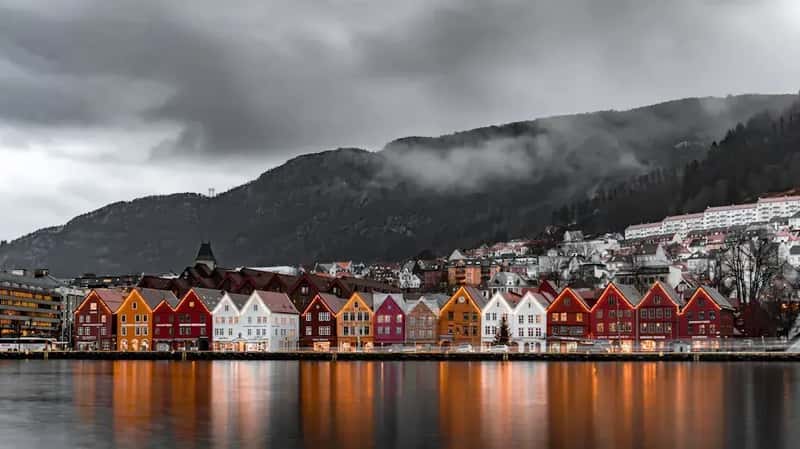
Norway offers parents a choice: 49 weeks at 100% pay or 59 weeks at 80%, with 15 weeks reserved for mothers. This flexibility is key. Families can decide what works best for their financial situation and caregiving needs. The country also reserves a portion of this time for fathers under its “father’s quota” policy, promoting shared parenting, and Norway payments are funded through national insurance contributions. The system actively encourages fathers to take time off, challenging traditional gender roles around childcare.
4. Sweden: Shared Responsibility at Its Finest

Sweden offers 69 weeks (480 days) of paid parental leave per child, with 390 days paid at about 80% of salary. The Swedish model is built on equality. Parents in Sweden can divide 480 days of leave between themselves, with each parent offered 90 days off from work with a pay rate of 80 percent of their regular salary, and in addition, they are given 300 more days they can divide amongst themselves, with the pay rate for this leave remaining the same. Let’s be real, this system recognizes that both parents play essential roles. Sweden’s approach has helped narrow gender gaps in the workplace and at home.
5. Japan: A Full Year for Fathers Too

Japan offers 14 weeks of maternity leave at about 67% pay, plus up to 12 months of partially paid parental leave. What stands out is that Japanese fathers at least receive a whole year of paid leave to take care of a newborn child, with compensation totaling 67% of the usual salary for 180 days and 50% for the remainder paid for by the government. However, there’s a catch. In Japan, only 1 in 20 fathers took paid leave in 2017. Cultural norms still discourage many men from actually using this benefit, showing that policy alone isn’t always enough.
6. Croatia: Full Pay for Six Months

Croatia provides mothers with paid leave until the child is 6 months old, paid at 100%, with their leave starting as early as the 45th day before her due date and compulsory leave until the 70th day after the child’s birth, and the rest of the leave is optional and can even be transferred to their spouse. Six months at full pay is increasingly rare globally. Croatia recognizes that financial stability during those crucial first months directly impacts child development and family wellbeing. The option to transfer leave also promotes flexibility between partners.
7. Greece: Nearly a Full Year Off

Greece offers employees 43 weeks of maternity leave, with entitlement to up to 17 weeks of fully paid maternity leave (eight weeks before and nine weeks after the birth of a child), and following this, an additional six-month special leave is granted, compensated for at the minimum daily wage, leading up to a total of 43 weeks of paid leave. While compensation drops after the initial period, the extended time frame allows parents to be present during critical developmental stages. Greece’s system balances immediate financial support with longer-term caregiving needs.
8. United States: Shockingly Behind

Here’s the thing. The minimum required paid maternity leave in the U.S. is zero weeks, and the U.S. has fewer maternity leave protections and benefits than any other country in the Organization for Economic Cooperation and Development (OECD), an international alliance that includes many of the world’s most developed and highest-income countries. The Family and Medical Leave Act (FMLA) is a law that requires covered employers to provide at least 12 weeks of unpaid family leave time after the birth or adoption of a child. Unpaid. Multiple exceptions to this law exist, such as when an employer has fewer than 50 employees, when the expectant parent has been employed by the company for fewer than 12 months, and when the employee earns within the top 10% of wages in the company. Many American workers get nothing. California, Colorado, Connecticut, Delaware, Maryland, Massachusetts, New Jersey, New York, Oregon, Rhode Island, Washington, and the District of Columbia offer paid parental leave. Still, the patchwork nature means millions fall through the cracks.
9. Papua New Guinea: Among the Forgotten

The short list of countries that don’t offer paid maternity leave includes Papua New Guinea, Suriname, the Marshall Islands, Micronesia, Nauru, Palau, Tonga, and the United States. Papua New Guinea, a Pacific Island nation with limited economic resources, offers no mandatory paid leave at the national level. For working mothers there, childbirth often means choosing between income and infant care. The absence of leave support perpetuates cycles of poverty and limits women’s economic participation. It’s hard to say for sure, but the economic burden on families in these circumstances must be crushing.
10. Suriname: South America’s Outlier

Suriname stands as one of the few South American countries without a national paid parental leave policy. It’s among the handful of nations globally that don’t offer paid maternity leave. While the country has a relatively small population, this gap in social protection places undue strain on new parents. The lack of support contrasts sharply with neighboring countries that have established at least basic paid leave frameworks. Economic challenges are real, yet the long-term costs of not supporting parents may outweigh the immediate expense.
11. Nauru and Palau: Small Islands, Big Gaps

Nauru and Palau are among the countries that don’t offer any form of paid maternity leave. These tiny Pacific Island nations face unique governance and resource constraints. With populations in the tens of thousands, establishing comprehensive social programs presents administrative challenges. However, size shouldn’t determine whether parents receive basic support. The absence of leave policies in these nations reflects broader vulnerabilities in their social safety nets. International support and regional cooperation could help bridge these gaps.
12. Turkey and Mexico: Minimal Paternity Support

Turkey allows mothers 16 weeks maternity leave, with 8 weeks to be taken before the birth and 8 weeks to be taken after, and after this, mums can apply for up to 6 months’ unpaid leave, while fathers are only allowed to take 3 days of parental leave, giving Turkey some of the tightest parental leave allowances in the world. Three days. That’s barely enough time to process becoming a parent, let alone bond with a newborn. Mexico’s parental leave policy is only slightly more generous than Turkey’s, with fathers being allowed 2 extra days (so five days total), and while 12 weeks of maternity leave is paid at 100% of the mother’s salary, the rest is offered at half-pay, making this option only really viable for mothers on high salaries. Both countries demonstrate how policies can technically exist yet fail to provide meaningful support.
The disparity in parental leave around the world isn’t just about policy. It reflects how societies value caregiving, gender equality, and early childhood development. Countries leading the way understand that supporting parents benefits everyone. Those lagging behind leave families to struggle alone, often with lasting consequences for children, parents, and economies. What do you think drives these massive differences? Is it purely economics, or something deeper about cultural priorities?