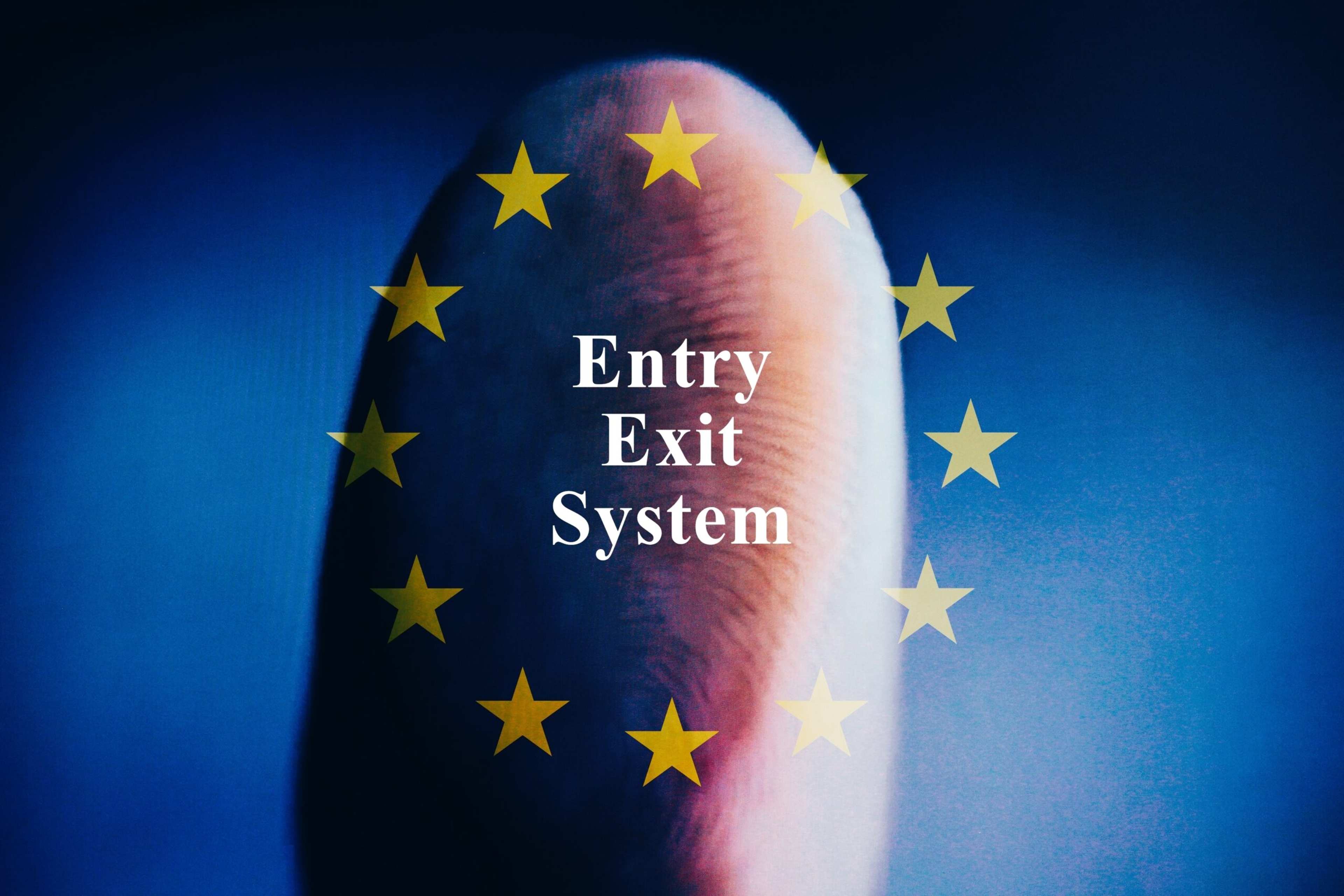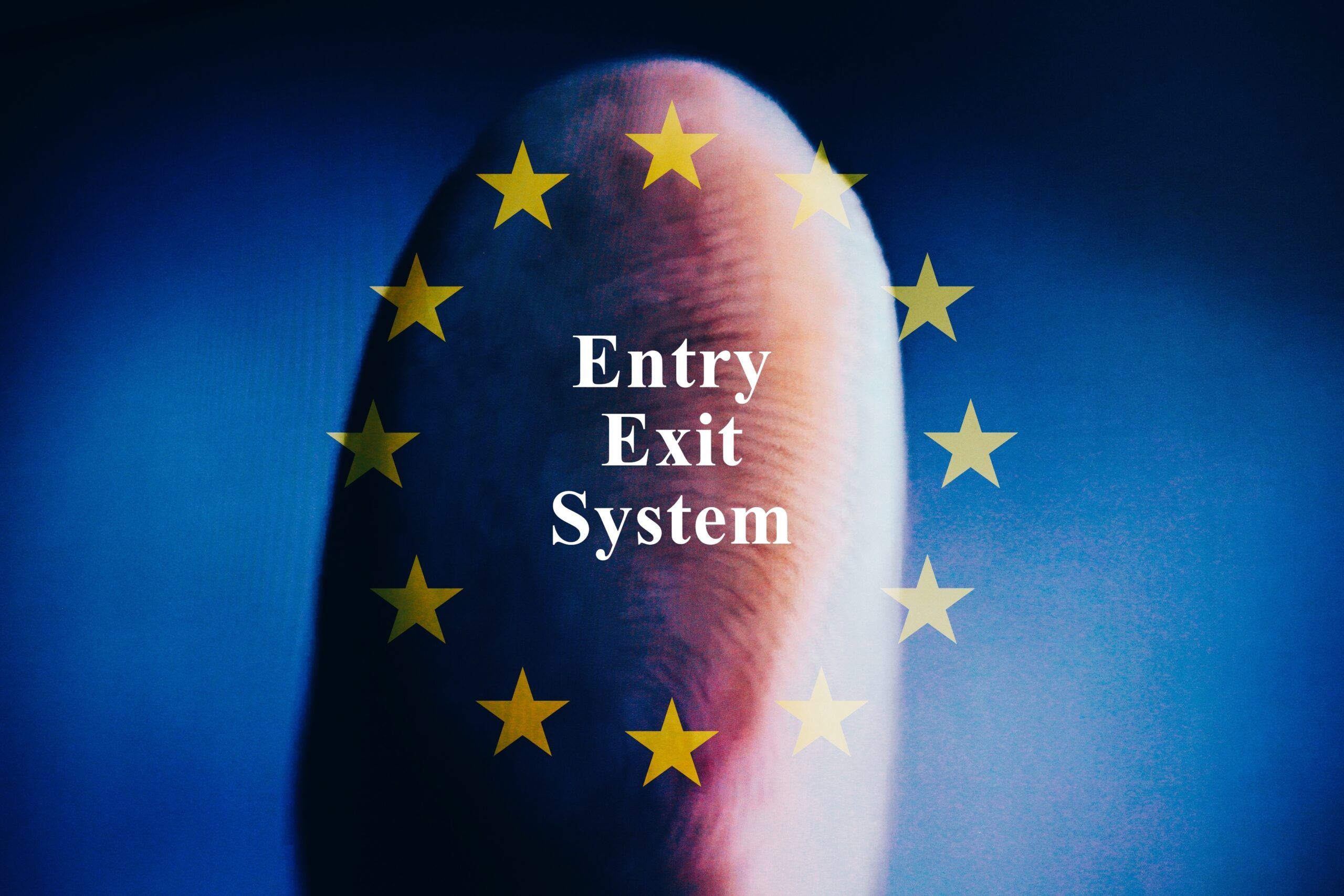
For decades, arriving in Europe meant a quick flash of your passport and a thump of ink. That ritual is fading. The European Union’s Entry/Exit System (EES) went fully operational on April 10, 2026, replacing passport stamps with biometric registration.[1]
It hasn’t been a smooth change for everyone, and it isn’t the only one coming. Below is what’s different for Americans, what the system records, and where the rollout has been rocky. I’ve also covered what’s still unsettled, including a second pre-travel requirement that hasn’t launched yet.
A Digital Record Replaces the Ink
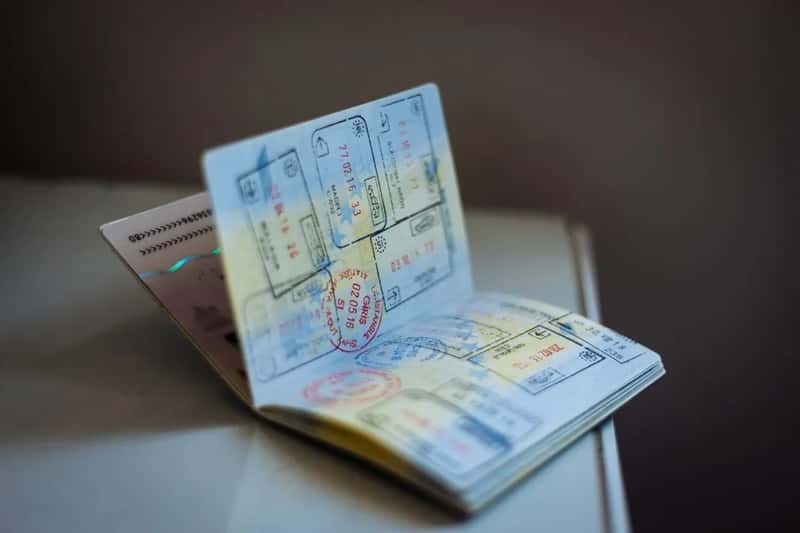
The EES began operating on October 12, 2025, with a progressive rollout in 29 European countries. As of April 10, 2026, it replaced passport stamping with digitally recorded entries, exits or refusals of entry for non-EU nationals on short stays.[2] During the transition, travelers saw a mix of both methods. Passports continued to be stamped while electronic registration was phased in at border crossing points.[3]
So for most Americans on a short trip, the stamp is simply gone. One travel guide notes a small upside: there’s no more worrying about running out of passport pages on a multi-country European trip.[4] Collectors of border stamps may feel differently, but the change is official policy, not a quirk of one airport.
What Happens When You Reach the Booth
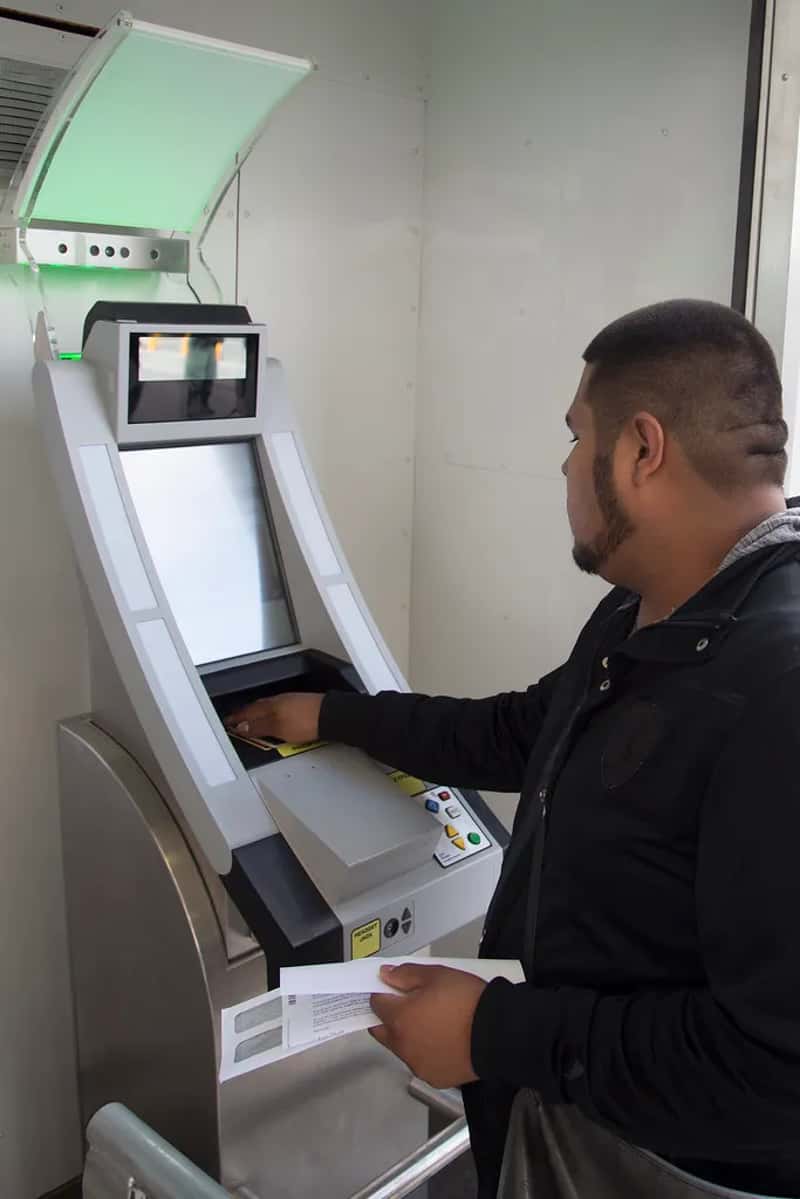
The process is built around biometrics. On first registration, visa-exempt travelers give a facial image and four fingerprints, while children under 12 are exempt from fingerprints.[5] At many airports this happens at self-service kiosks, where travelers are asked for their passport number, fingerprints and a photo.[6]
There’s nothing to arrange before you fly. The EES is free and needs no advance application, because the registration happens at the border itself.[5] Later trips should be quicker, since your record is already on file. That record stays valid for three years, but you must use the same passport that created it.[7]
Who’s Covered, and Who Isn’t
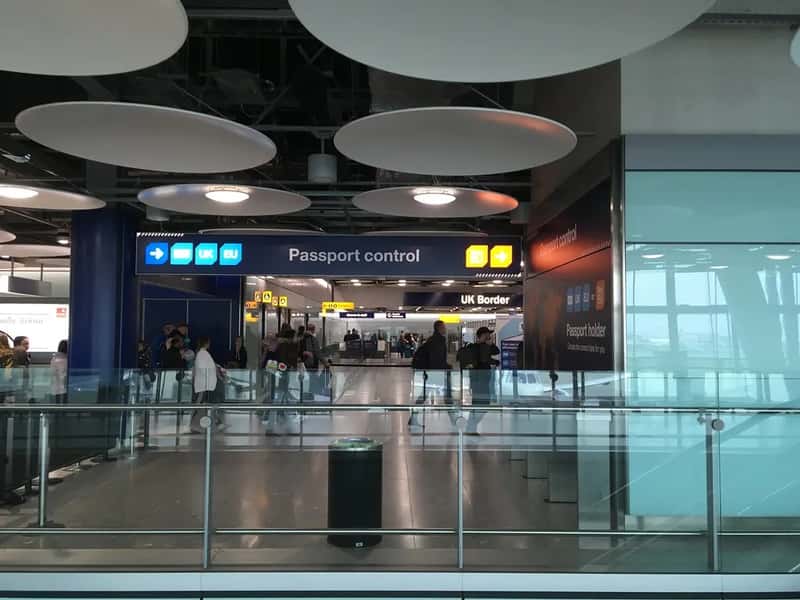
The system applies at the external borders of 29 countries. That’s the EU’s 27 members except Ireland and Cyprus, plus Norway, Iceland, Switzerland and Liechtenstein.[6] If you’re flying into Dublin, the EES doesn’t apply to you.
Most US tourists fall inside the scope. It covers Americans on short stays of up to 90 days within any 180-day period.[5] There are exceptions. Holders of a French long-stay visa or residence permit aren’t registered, and EU, EEA and Swiss citizens travel outside the system.[5]
The 90/180 Rule Gets a Digital Referee
The EES didn’t create a new limit. It doesn’t change the existing 90 in 180 day allowance, but records it and helps enforce it.[8] What changes is how the days get counted.
Before, officers had to read stamps by hand. Faded stamps, overlapping ink and unusual travel patterns made it hard to work out exactly how long someone had been in the zone.[4] Now the database does the math. For frequent visitors, long-stay snowbirds and remote workers hopping around Europe, that makes careful day-counting more important than ever.
What the Early Numbers Show
The European Commission has published a few headline figures. More than 52 million crossings were registered between the October launch and full operation, and entry was refused over 27,000 times, including almost 700 people identified as security threats.[6] Those totals cover all non-EU travelers, not just Americans.
Brussels frames the system as a control tool. Commissioner Magnus Brunner said the EES means the EU is taking control of who enters and leaves, when and where.[6] Officials also say it will help identify risks in real time and tackle overstays more effectively.[6] Those are the EU’s own claims, and independent evaluation will take longer.
The Queue Problem Is Real

Collecting fingerprints takes longer than stamping a page. A check that used to take about 25 seconds can now take up to 90.[8] Multiplied across busy hubs, that adds up. Airports Council International reported wait times rising to as long as five hours in July.[9]
The EU admitted the system was imperfect but refused to pause it. Officials conceded it was “not perfect” and identified 20 of about 1,500 border crossing points as difficult spots with severe queues.[10] A temporary grace period that let countries pause biometric processing during congestion ended on September 6.[8] Industry groups have since pushed for an extension, so conditions may keep shifting.
ETIAS Is the Other Shoe, but Its Timing Is Unclear
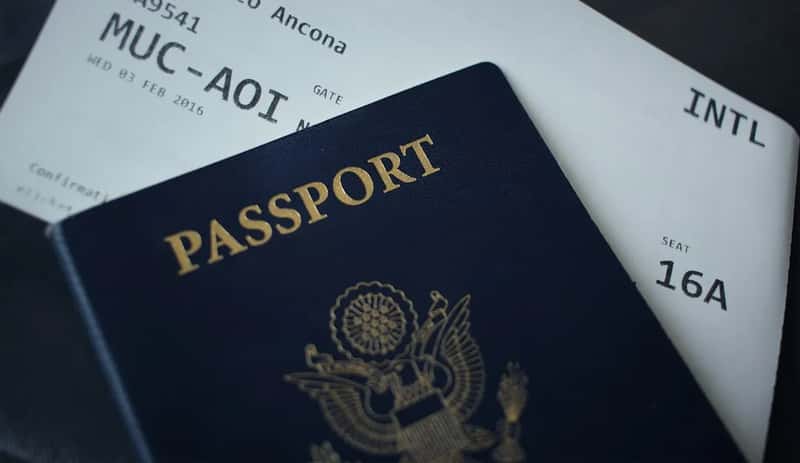
The EES is separate from ETIAS, a pre-travel authorization. ETIAS is not a visa, and it’s an online pre-screening that doesn’t change the 90-day visa-free stay.[11] The Commission confirmed the fee at €20 in July 2025, up from the originally planned €7.[12] Travelers under 18 and over 70 are exempt from the fee.[13]
When it starts is the open question. As of September 11, the EU wasn’t accepting applications, and it planned a launch in the last quarter of 2026 without an exact date.[14] Some later reports say that target was dropped from the official page, with 2027 seen as the most likely outcome.[13] Since the picture is mixed, check the official EU ETIAS site before you book. Any website claiming to process ETIAS applications today is a scam.[13]
Practical Steps for Your Next Trip

Start with time. One guide advises that travelers arrive with more buffer time, keep trip details handy, and not assume border control will move quickly.[7] That matters most for tight connections, since real-world waits vary widely by airport and season. If you’re connecting onward, leave more margin than you used to.
Next, check your documents. To use the digital system you need a valid, biometric passport.[15] Also remember that the UK sits outside this system. It started requiring its own pre-travel authorization in February.[1] A trip that combines London and Paris involves two different rulebooks.
The Bottom Line
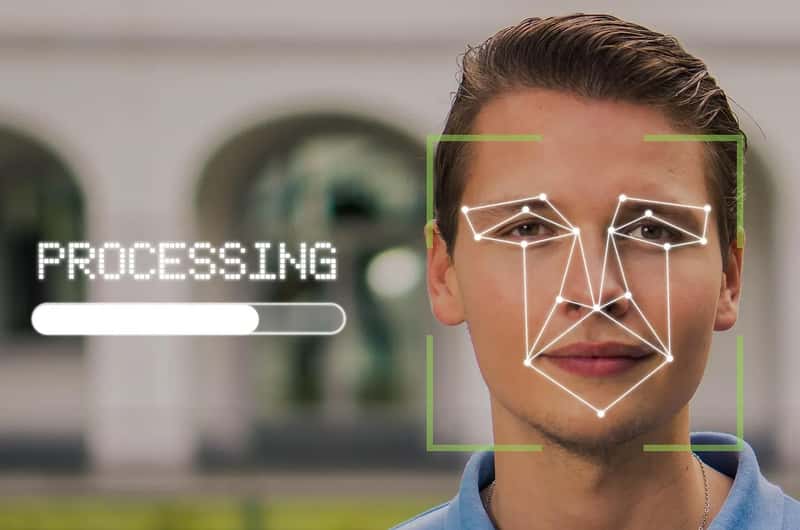
The stamp era is over for short-stay visitors, replaced by a database that knows when you arrived, when you left and how many days you have left. For Americans, the cost is a few minutes of biometric capture, and in a bad summer, much more. The benefit, according to Brussels, is tighter security and cleaner enforcement of rules that already existed.
Entry to Europe is now less about ink and more about data. Plan for the extra time, and watch official sources for the ETIAS start date.