Nyangombe, Zimbabwe – Edson Mabika lost four sheep and a calf to predators in under ten days, even with a secure kraal and guard dogs. The repeated attacks left him searching for a low-risk way to shield his remaining animals. A suggestion from a former game-reserve ranger led him to try an unusual approach that relies on the instincts of wild predators rather than confrontation.
Human-Wildlife Tensions in Chiredzi District
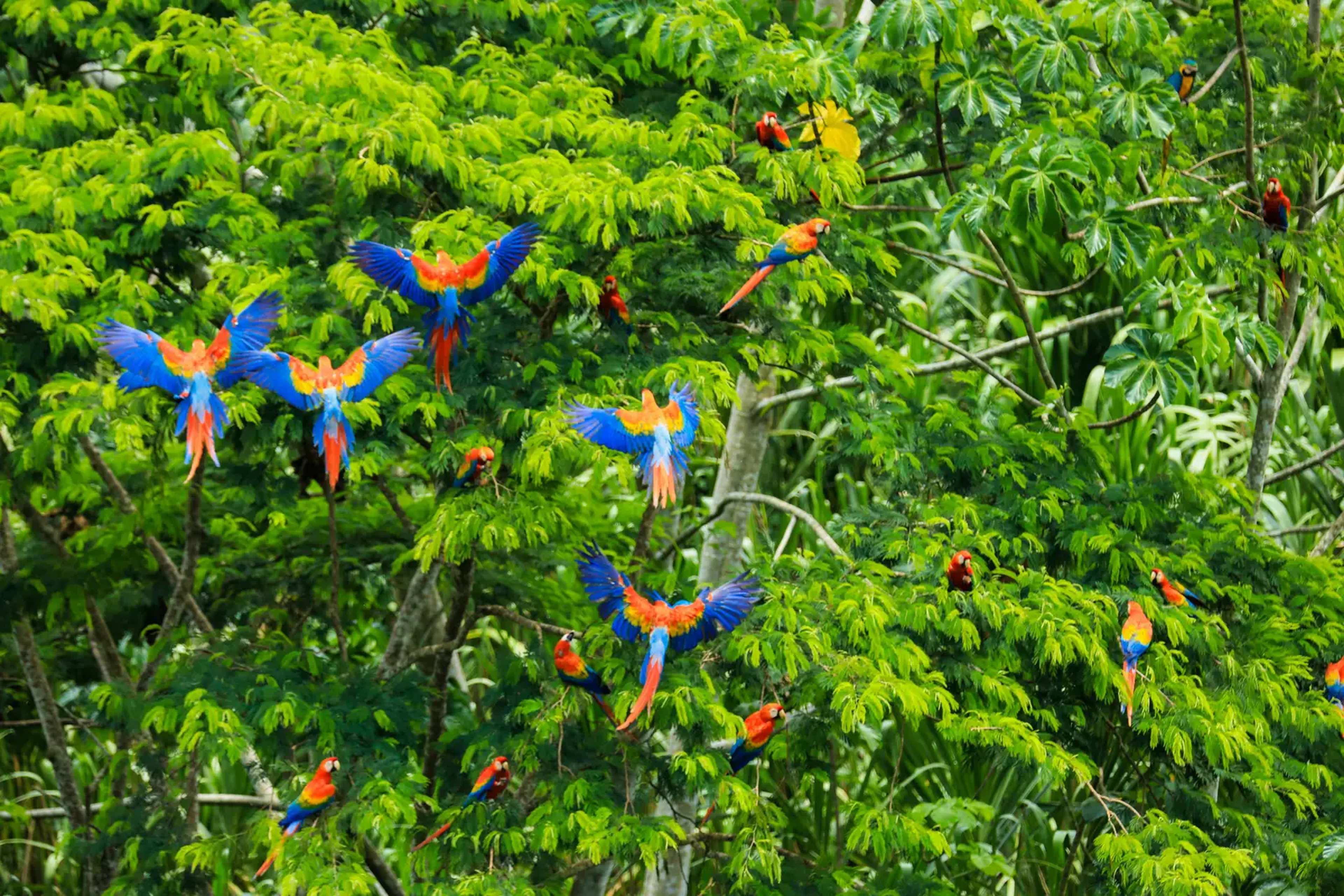
Chiredzi district recorded 317 human-wildlife conflict incidents in the first half of 2026. Villages such as Nyangombe sit between Save Valley Conservancy and Nyangombe Community Conservancy, where crop raiding and livestock losses occur regularly. Buffaloes damage fields and transmit disease, while wild dogs, jackals, leopards, and lions target domestic animals. ([1])
Residents describe the pressure as constant. Livestock losses reduce household income and food security, and some attacks have extended to people. Local authorities track the incidents, yet practical solutions that avoid direct confrontation with protected species remain limited.
A Simple Mark That Startles Predators
Mabika contacted a former ranger for advice after his latest losses. The recommendation was to paint black-and-white eyes on the rumps of his cattle and sheep. The idea rests on the fact that many predators hesitate when they believe they are being watched from behind.
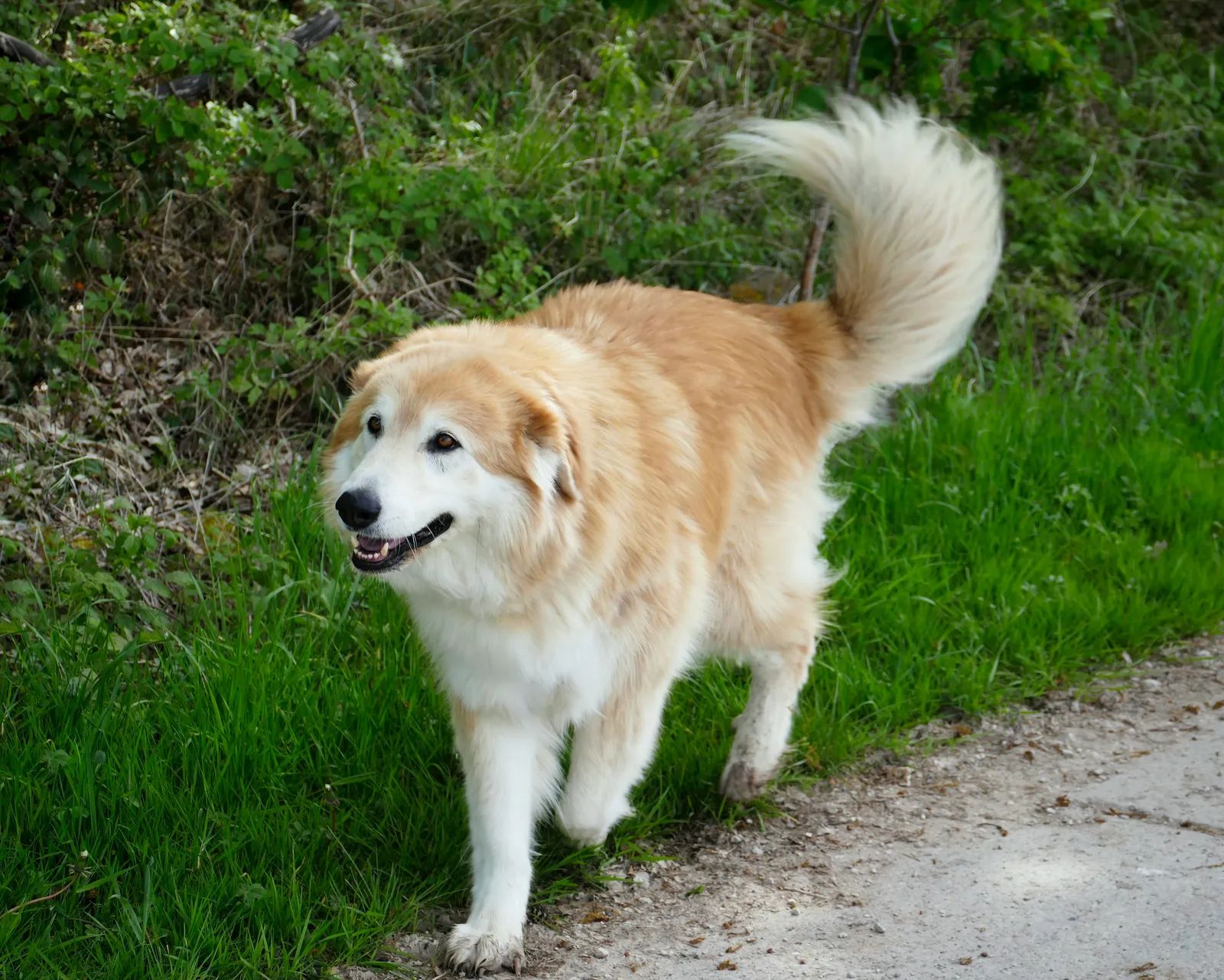
In January 2025 he applied the markings to roughly one-third of his herd. Local dogs reacted first, barking at the unexpected “eyes.” The test showed that even familiar animals noticed the change, suggesting the pattern could influence wild predators as well.
Practical Steps for Village Herders
The method requires only paint and regular reapplication as the markings fade. Farmers can target animals most at risk, such as those that graze farther from the kraal. No special equipment or permits are needed, which keeps the approach accessible in remote areas.
Early observations indicate the painted animals draw fewer approaches from stray dogs and possibly from larger predators. The technique does not replace secure enclosures or vigilance, but it adds a low-cost layer of deterrence that works while animals are outside the kraal.
Broader Implications for Communities and Conservation
Reduced livestock losses can ease pressure on households that depend on mixed farming. Fewer retaliatory killings of predators may also support conservation goals inside the neighboring reserves. The approach illustrates how local knowledge can complement formal wildlife management.
Whether the painted eyes produce consistent results across seasons remains under observation. For now, the method offers a tangible option for farmers who must balance daily survival needs with the presence of protected wildlife.