There is a strange tension that lives inside some of America’s most iconic cities. You arrive as a tourist, jaw dropped, eyes wide – and for a weekend, it feels like the greatest place on earth. Then you start imagining actually living there. The rent. The traffic. The noise at 2 a.m. on a Tuesday. Suddenly, the magic starts to wear off fast.
This gap between the tourist experience and the resident experience is very real, and it is growing. About 69% of Americans like where they live – which is actually down from 73% who said the same in 2024. More people are frustrated, more people feel disconnected from their cities. So which American destinations are the biggest offenders? Let’s dive in.
1. New York City, New York – The City That Never Sleeps (Or Lets You Rest)
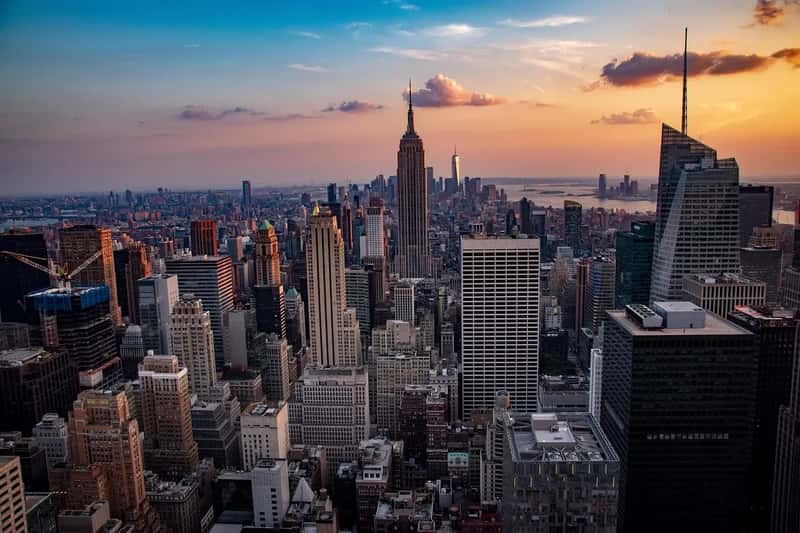
Renting a one-bedroom in central New York City costs an average of around $4,107 per month in 2025, and average living expenses for a single person add another roughly $1,700 monthly on top of that. That is a staggering number for most Americans. Tourists see Broadway, Central Park, world-class food, and the skyline. Residents see their paycheck vanish by the 5th of every month.
Most of America’s major metropolises, from San Francisco to New York City, face specific infrastructure struggles, and many cities lack proper preparation for climate catastrophes, as evidenced by the October 2025 flooding that killed two people and drenched roadways, airports, and subway stations in New York and New Jersey. New York City tops the list of major U.S. cities with the largest homeless populations. Honestly, the magic of Manhattan is real – but so is the daily grind that comes with actually calling it home.
2. San Francisco, California – Picture-Perfect, Pocket-Destroying
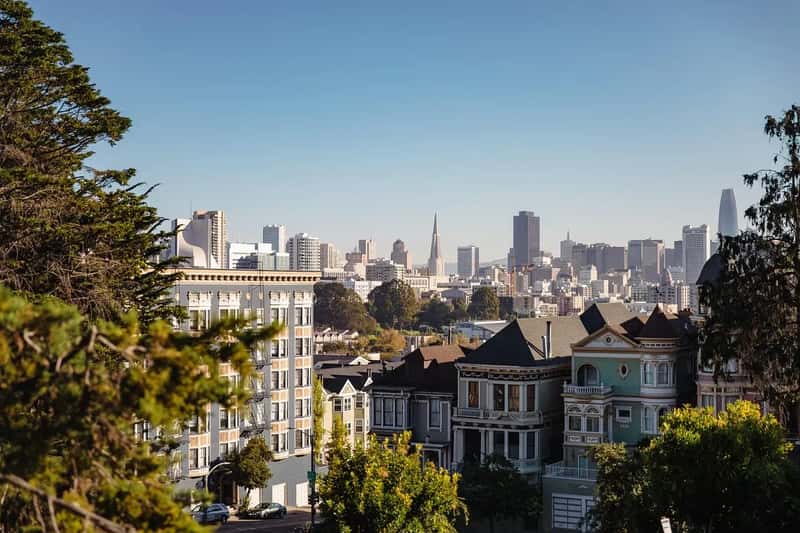
San Francisco is considered one of the worst cities to live in, according to Americans. That might surprise people who picture cable cars and the Golden Gate Bridge. In San Francisco, the cost of living is a jaw-dropping 71% higher than the national average. You would need a very generous salary just to keep up.
San Francisco tops the list of cities in decline, according to Americans. In 2024, extremely high housing costs and an insufficient social safety net drove the number of people experiencing homelessness to its highest levels since data collection began. The irony is brutal: one of the most photographed cities in the world is also one of the most difficult places to actually build a life.
3. Los Angeles, California – Sunshine With a Side of Stress
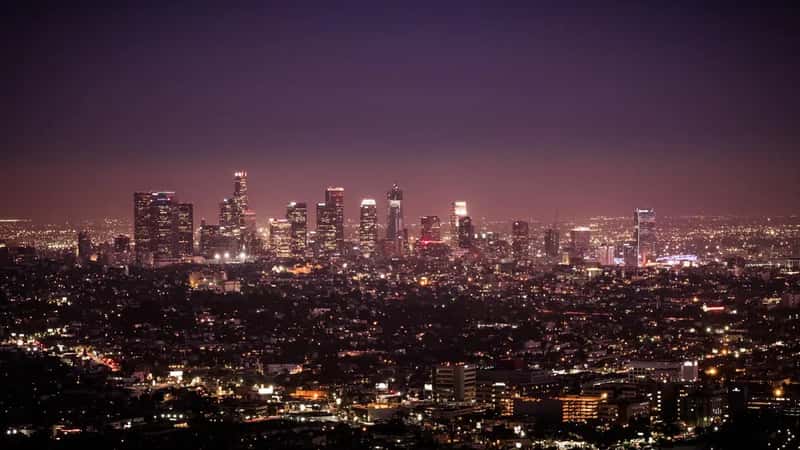
Los Angeles gets millions of visitors every year. The weather, the celebrity culture, the beaches – it is easy to see why. The overall crime rate in LA remains about 30% higher than the national average, standing at roughly 3,115 crimes per 100,000 residents. That is something the tourism brochures tend to leave out.
Only about 27% of LA residents report feeling safe walking alone at night. That is a sobering stat for a city that draws tens of millions of visitors a year. Costs run much higher in major metropolitan areas such as Los Angeles and San Francisco, and the living wage for a family of four in California is over $110,000, while the median family income sits below that. The dream of living in LA and the reality of it are two very different movies.
4. Miami, Florida – Hot Weather, Hotter Price Tags
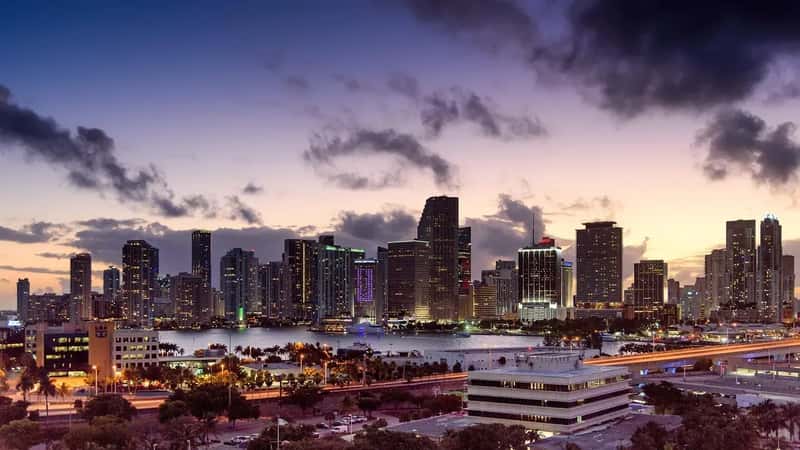
Miami is a magnet for tourists. The art deco architecture, the nightlife, the beaches – it draws visitors from all over the world year-round. Florida’s cost of living is actually about 2% lower than the country as a whole, but cosmopolitan cities like Miami push costs well above the national average by double digits. So the Florida-affordable myth does not quite apply here.
The economic disparity and the high cost of living in urban areas like Miami contribute significantly to homelessness and housing insecurity problems. Miami ranked 44th on the EIU’s Global Liveability Index in 2025, with a score of 90.4 out of 100. It is not rock-bottom, but for a city that tourists consistently rank among their favorites in America, that livability position tells a different story for full-time residents.
5. Las Vegas, Nevada – What Happens There, Stays There (Including Your Sanity)
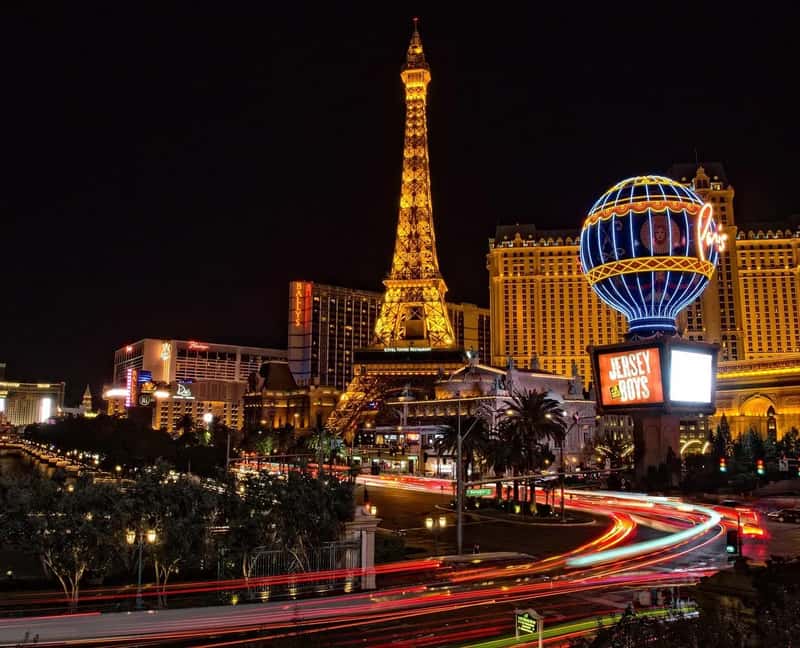
Let’s be real – Las Vegas is one of the most visited cities in the entire country. Las Vegas attracts more than 42 million visitors per year. The entertainment, the shows, the constant stimulation. For a weekend, it is electric. For a lifetime? Quite a different proposition.
Las Vegas ranks among the top 15 U.S. cities with the largest homeless populations. The city that never turns off its neon lights has very real problems lurking beneath the glitter. Kansas City’s violent crime rate is cited as four times the national average in certain metrics, and Las Vegas residents face similar pressures – a city built entirely around entertaining outsiders rather than nurturing the people who call it home. The infrastructure, the noise, the relentless tourism economy – it all adds up in ways a weekend trip simply cannot reveal.
6. New Orleans, Louisiana – The Party Never Ends (And Neither Does the Poverty)
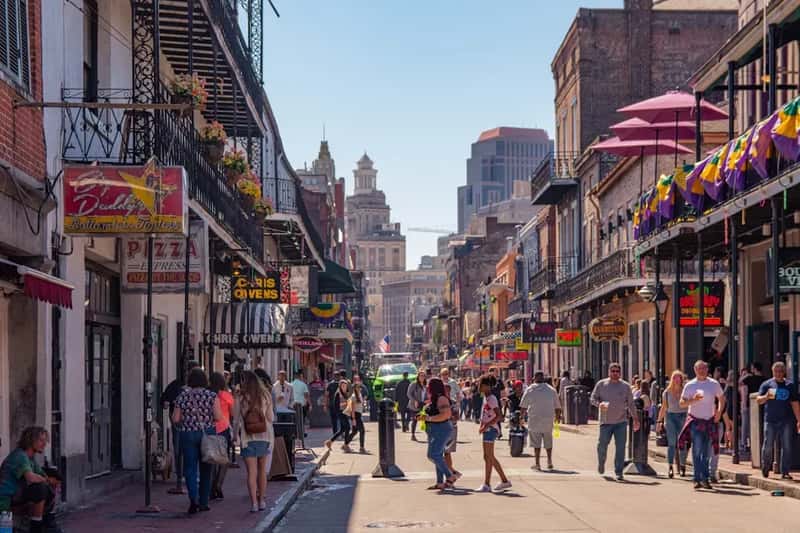
New Orleans is genuinely one of the most culturally rich cities in America. The food alone is worth the plane ticket. Bourbon Street is legendary. New Orleans ranks near the very bottom in city services, financial stability, safety, and economy metrics, and the city’s labor market and wages lag significantly behind the national average, according to data from the Bureau of Labor Statistics.
New Orleans’ police department came under intense scrutiny following the deadly terrorist attack on Bourbon Street in the early hours of 2025. The event shook residents and raised urgent questions about public safety in a city that pours enormous energy into hosting millions of tourists every year. Most of the areas outside of the central business district live in poverty, with schools far below the national average. It is a city that gives so much to visitors and asks a great deal of the people who remain.
7. Washington, D.C. – The Power Capital With Powerless Residents
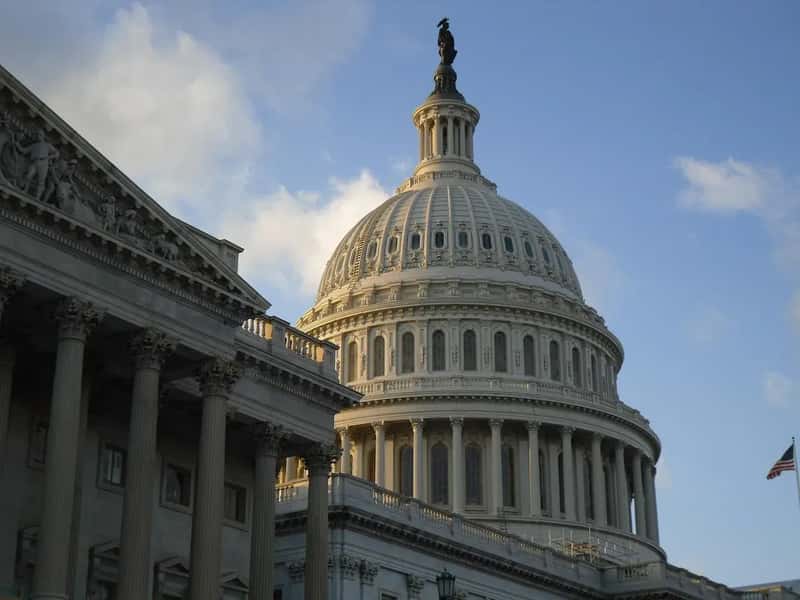
Washington, D.C. is one of the most visited cities in America, drawing history buffs, school trips, and international travelers to its monuments and museums. Washington, D.C. holds the least desirable spot for a third straight year according to Americans surveyed. Three years running. That is not a coincidence.
Nearly 28% of Americans call Washington, D.C. the worst city to live in. The city is home to political power and world-class institutions, yet residents deal with high costs, political tension, and a deeply unequal living experience. Washington, D.C. also appears on the list of the 25 major U.S. cities with the largest homeless populations. For a city that symbolizes the promise of American democracy, the gap between its postcard image and its lived reality is something hard to ignore.
8. Chicago, Illinois – Magnificent Mile, Miserable Statistics
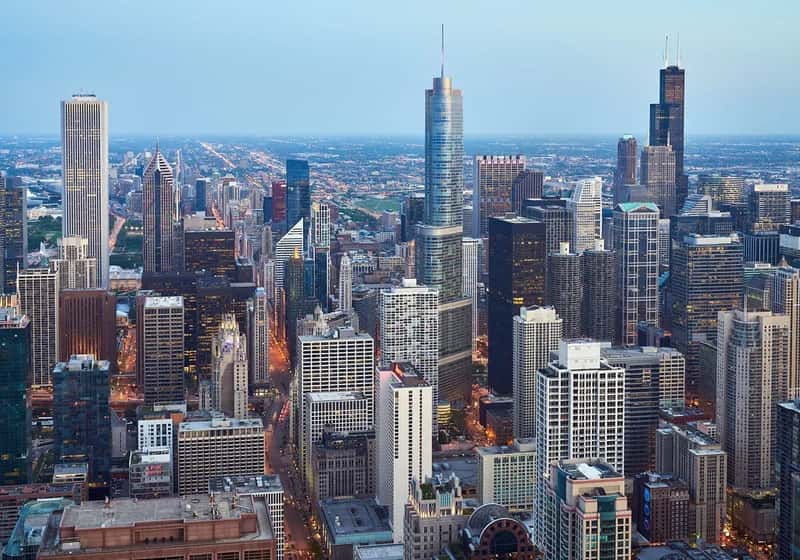
Chicago is stunning. The architecture, Lake Michigan, the food scene, the music. There is a reason it pulls in tens of millions of visitors every single year. Chicago had the fastest-growing homeless population between 2023 and 2024 of all major areas on the U.S. News list of cities with the largest unhoused populations. That is a grim distinction for a city with so much visible wealth and culture.
Most of America’s major metropolises face specific infrastructure struggles, and Chicago is no exception. The city consistently ranks poorly in safety metrics. The United States experienced an unprecedented rise in homelessness driven by the affordability crisis, with homelessness increasing 18% from 2023 to 2024. Chicago absorbed a disproportionate share of that increase, making it a cautionary tale between what tourists see and what residents endure.
9. Orlando, Florida – The Theme Park Capital With Real-World Problems
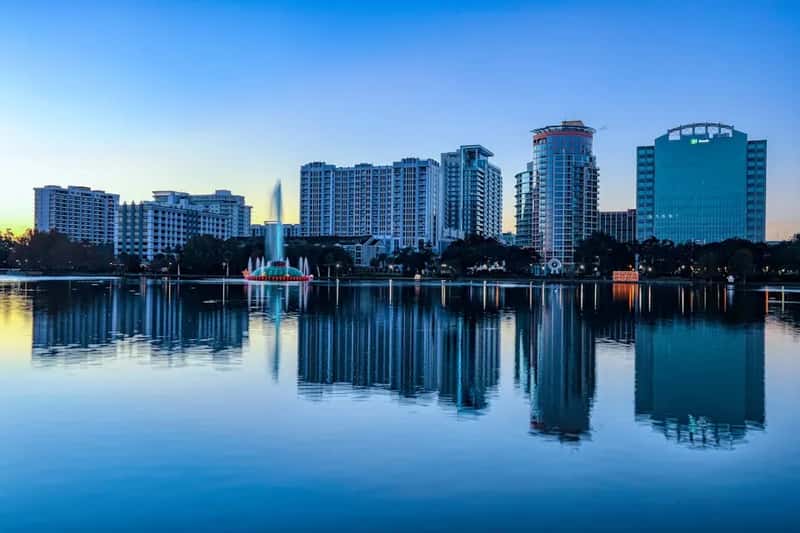
Orlando is practically synonymous with vacation. Orlando draws more than 75 million visitors per year, making it one of the most visited cities in the entire United States. That is an almost incomprehensible number of guests for what is, at its core, a mid-sized Florida city.
Here is the thing – when the theme parks close and the tourists go home, ordinary residents are left dealing with skyrocketing housing costs and an economy built almost entirely around serving other people’s fun. The economic disparity and the high cost of living in Florida’s urban areas like Orlando contribute significantly to housing instability for residents. Quality of life, value, job market, and desirability are the core factors that determine how livable a city actually is – and Orlando, for all its world-famous attractions, struggles to score well on all four when it comes to its permanent residents.
10. Denver, Colorado – Rocky Mountain High, Rocky Mountain Rents
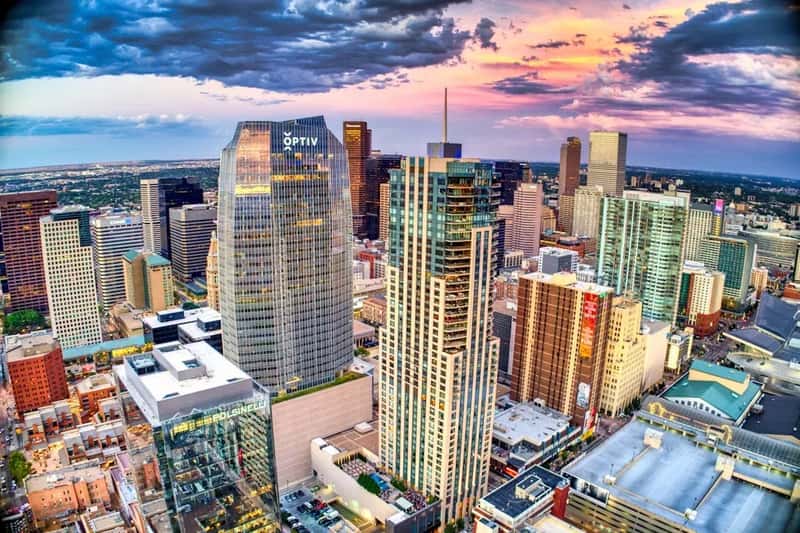
Denver has exploded in popularity over the past decade. The craft beer scene, the proximity to skiing and hiking, the youthful energy – tourists love it. Denver has been listed as one of the U.S. cities with the highest crime rates, and according to the Council on Criminal Justice, its homicide rate went up 28% from 2019 to 2024, though the city has seen some encouraging improvements in the first half of 2025.
Denver also ranks fifth among the major U.S. cities with the largest homeless populations. The city’s rapid growth has been a double-edged sword, driving up rents and straining city services far faster than local government has been able to respond. Often, the more “livable” a city appears to outsiders, the higher the costs of living, as outlined by AARP’s own livability research. Denver is a perfect example of a city that sold its image so effectively to the outside world that the people already living there ended up priced out of it.
There is a lesson buried somewhere in this list. A great city to visit and a great city to live in require two entirely different things. Tourists need spectacle. Residents need stability, affordability, safety, and infrastructure that actually works. Americans are drawn to places that balance safe, affordable living with lifestyle perks, such as good weather and appealing scenery – but for many of these cities, that balance has tilted so far toward the tourist experience that the people living there year-round are left picking up the tab.
The next time you fall in love with a city on vacation, it might be worth asking yourself: would you still love it if you had to pay rent there? What would you have guessed before reading this?