Ask a room of people to name the fifty states and you’ll get a decent showing. Ask them to name every country in Africa or the Pacific, and the room goes quiet fast. Geography is one of those subjects most of us absorb in pieces, and plenty of whole nations slip through the gaps.
The ten countries below aren’t obscure because they’re unimportant. Some sit on busy shipping lanes, some are drawing billions in investment, and one is quietly rewriting how the world thinks about rising seas. Each has its own odd, specific story.
Eswatini
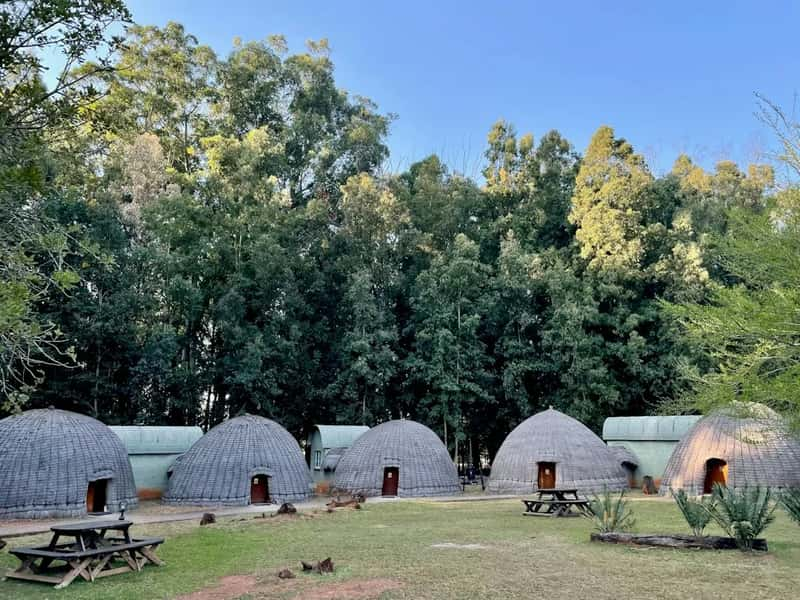
Eswatini is a landlocked kingdom wedged between South Africa and Mozambique. It covers about 17,363 square kilometers and has a population of 1.2 million[1], which makes it smaller than New Jersey. Many people still know it by its old name, Swaziland, since the king announced the change to Eswatini in April 2018[2].
Politically, it’s unusual. King Mswati III and his mother are the last absolute monarchs in Africa[3], and he has headed the royal family since 1986[3]. The Bertelsmann Stiftung’s 2026 country report describes the king and queen mother as holding veto power over all three branches of government[1]. That arrangement is a big part of why the country appears in international news mostly when something goes wrong.
Tuvalu
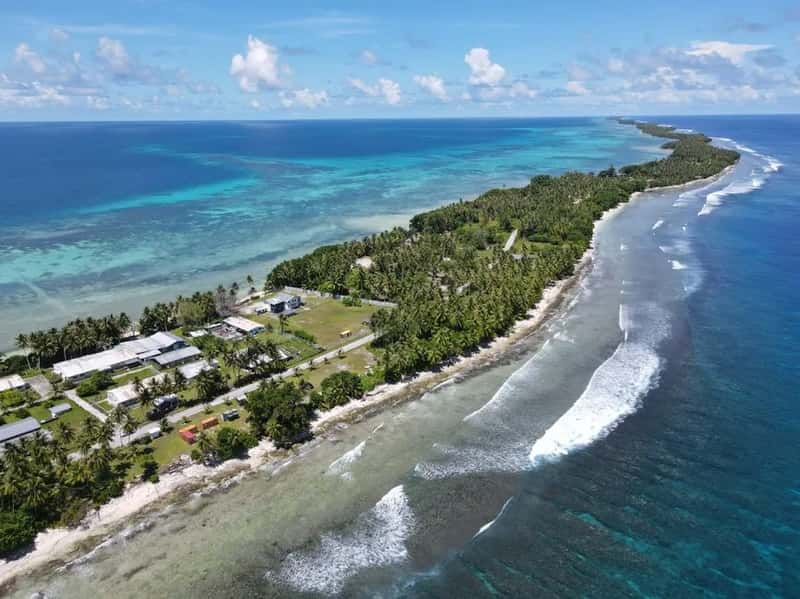
Tuvalu is a chain of Pacific atolls that sit barely above sea level, home to roughly eleven thousand people. Scientists fear it could become uninhabitable within the next 80 years[4]. Its answer to that threat is a treaty with Australia, and the details are unlike anything else in international law.
The Falepili Union, signed in 2023, lets Tuvaluans permanently relocate to Australia through a special visa pathway[5]. Australia pledged 280 of these visas per year[6], and demand ran far above supply. The first ballot drew 8,750 registrations, equal to 82 percent of the 2022 census population[4], because family members were counted too. The first 27 Tuvaluans landed in Brisbane in December 2025[7]. The deal comes with a catch, since Tuvalu agreed to get Australia’s approval before making a security arrangement with any other country[6].
Suriname
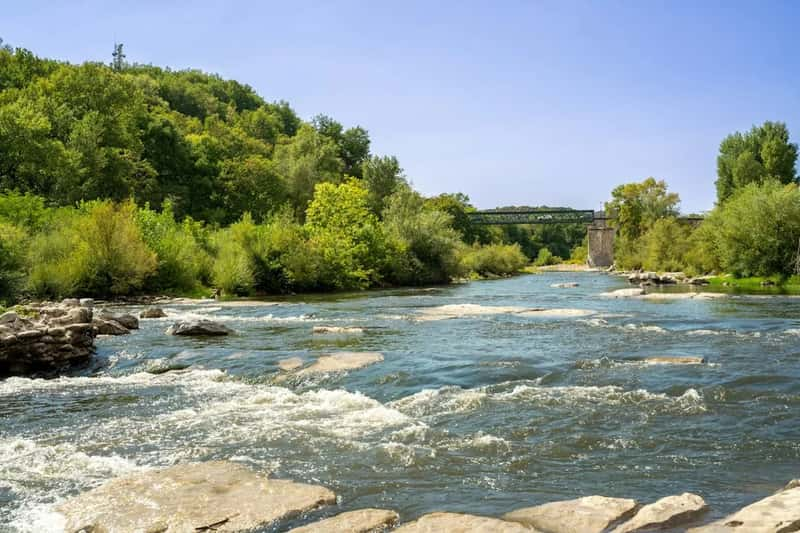
Suriname sits on the northeastern shoulder of South America, and its official language is Dutch. That surprises many people, though it makes sense once you remember its colonial history. Its population is a blend of communities with roots in Indigenous, African, Indian, Javanese, Chinese and European ancestry.
For decades, the economy ran on small onshore oil and on gold. That is about to shift. TotalEnergies issued a final investment decision on the $10.5 billion GranMorgu project[8], which marks the country’s first offshore development[9]. The floating facility is designed to process 220,000 barrels a day, with first oil expected in 2028[8]. The project is also expected to create more than 6,000 direct and indirect jobs[10].
Djibouti
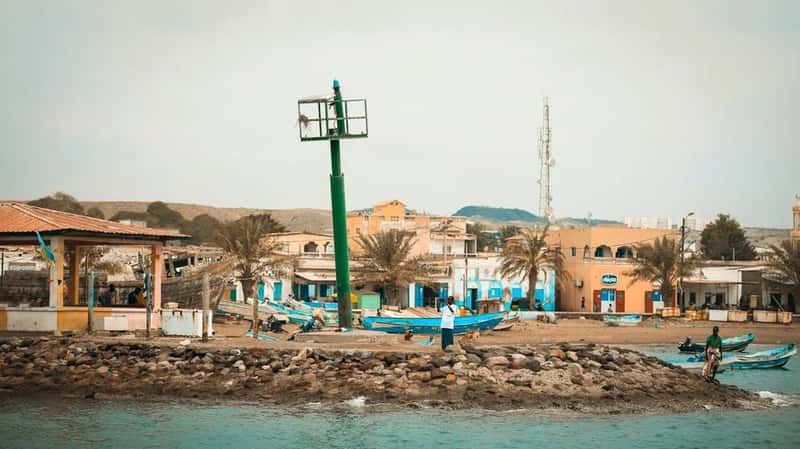
Djibouti is a small, dry country on the Horn of Africa, with fewer than a million residents. Its value comes from location. It lies on one of the world’s busiest shipping routes, at the gateway from the Red Sea to the Gulf of Aden[11].
That’s why so many militaries want a foothold there. Camp Lemonnier is the only enduring U.S. military installation in Africa[11], and Djibouti also hosts French, Japanese, Italian and Chinese bases[12]. China opened its first overseas base there in 2017, only about seven miles from Camp Lemonnier[13]. In September 2026, Stars and Stripes reported that Houthi forces had seized Perim Island, roughly 80 miles from the American base[14], which renewed security concerns.
Bhutan
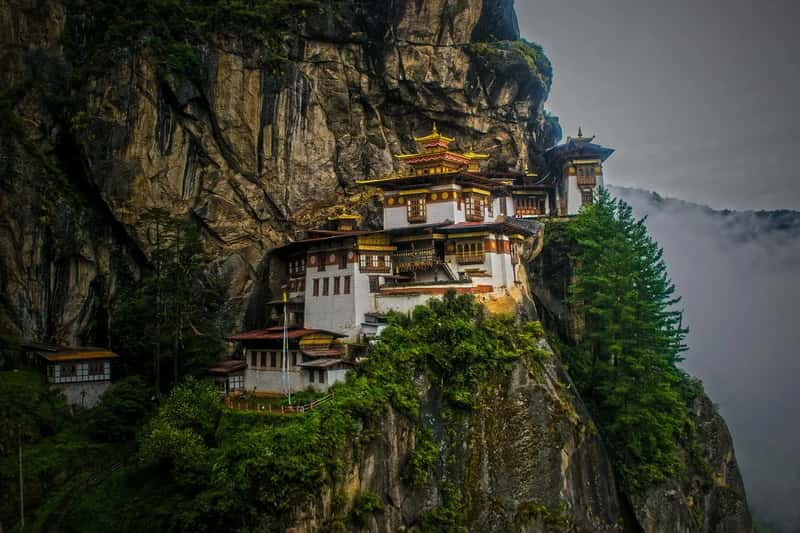
Bhutan is a Himalayan kingdom squeezed between China and India, with fewer than a million people. It’s best known for measuring national progress by Gross National Happiness instead of leaning only on economic output. That idea is associated with Bhutan’s fourth king, who promoted it in the 1970s.
The country also takes its forests seriously. Its constitution calls for at least sixty percent of the land to remain under forest cover, and Bhutan is widely described as absorbing more carbon than it emits. Its most photographed landmark is the Tiger’s Nest monastery, perched on a cliff above the Paro valley. More recently, the king announced Gelephu Mindfulness City, a planned economic zone near the southern border, in December 2023.
Nauru
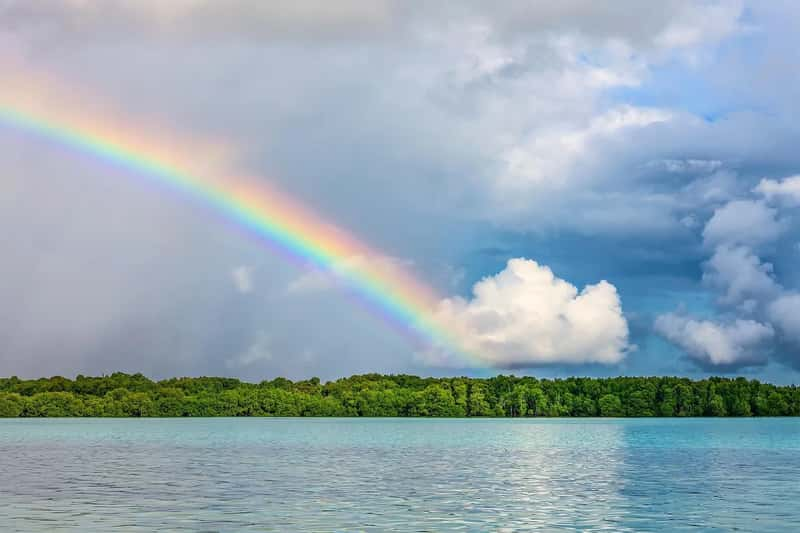
Nauru is the world’s smallest republic, a single raised coral island of about eight square miles with roughly twelve thousand residents. You could drive around its coastal road in under half an hour. Its history is tied to phosphate, formed over thousands of years from seabird droppings and mined heavily for fertilizer.
The phosphate boom made Nauru wealthy for a time, though it also stripped much of the interior. Today the island relies on outside partnerships. In January 2024 it switched diplomatic recognition from Taiwan to China. In December 2024 it signed a treaty with Australia, which gives Canberra a significant say in Nauru’s security arrangements.
Kyrgyzstan
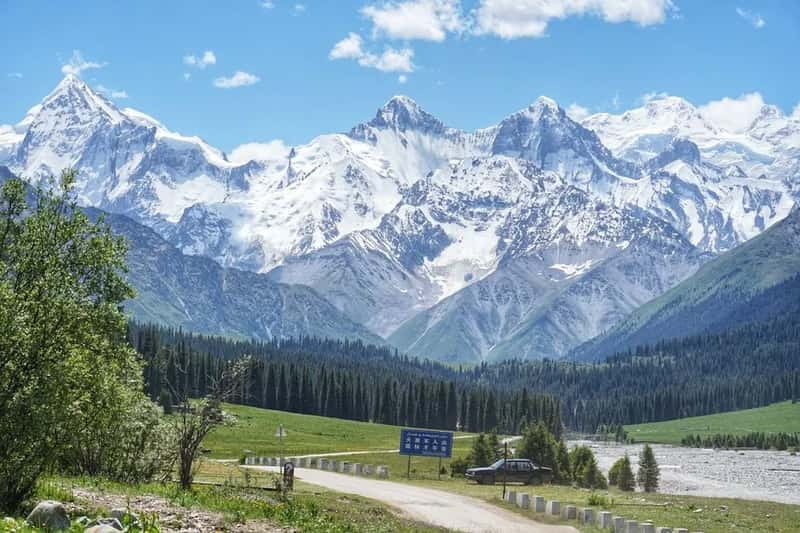
Kyrgyzstan is a mountainous Central Asian country, bordered by Kazakhstan, China, Tajikistan and Uzbekistan. Peaks cover most of its territory, and it has a population of around seven million. It became independent when the Soviet Union dissolved in 1991.
The culture is still shaped by nomadic herding. The national flag shows the crown of a yurt at its center, and Kyrgyz families still raise horses and livestock in high summer pastures. Lake Issyk Kul, one of the largest mountain lakes in the world, draws regional tourists in warm months. The country has also helped revive traditional sports through the World Nomad Games, which began in 2014 and feature horseback contests like kok boru.
Comoros
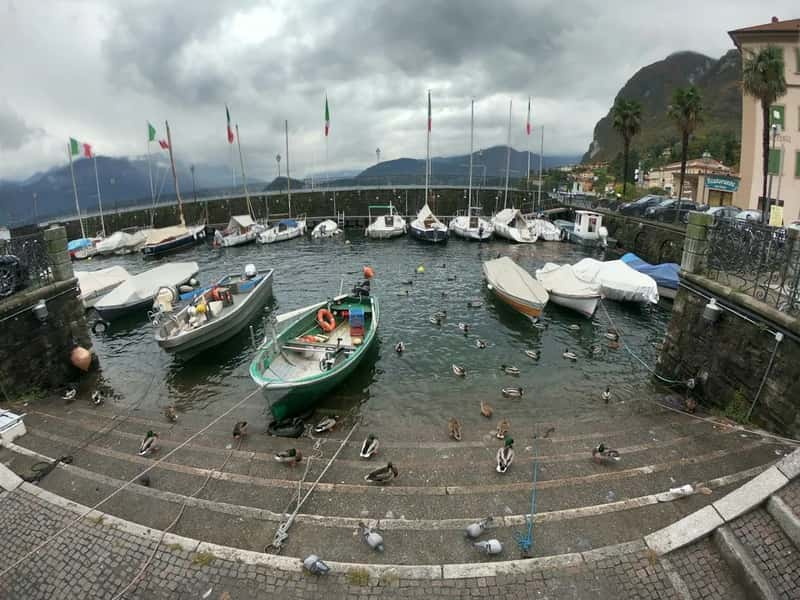
Comoros is an Indian Ocean archipelago located between Madagascar and the coast of Mozambique. The nation includes three main islands: Grande Comore, Anjouan and Mohéli. It has fewer than a million residents, and French, Arabic and Comorian are all official languages.
The islands won independence from France in 1975. A fourth island, Mayotte, voted to stay French and remains a point of dispute. Comoros is a major producer of ylang ylang, an ingredient in fine perfumes, along with vanilla and cloves. Scientists also know the waters nearby for the coelacanth, an ancient fish once thought extinct until one was found there.
Liechtenstein
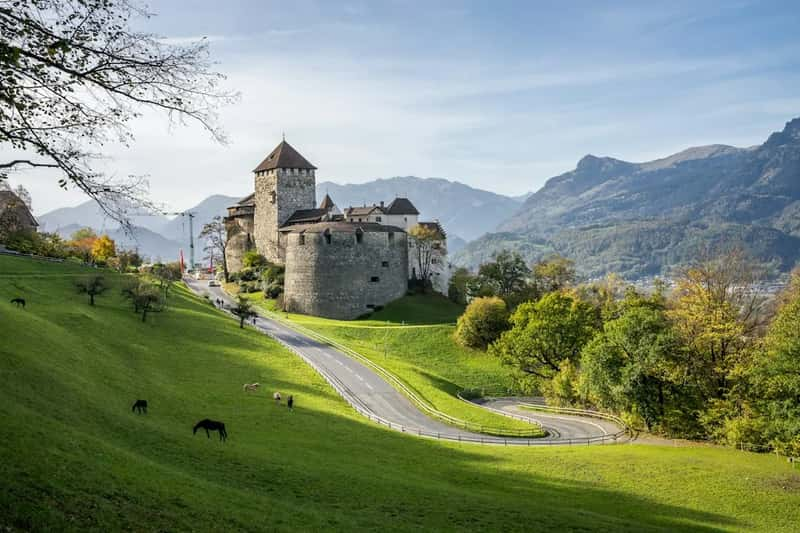
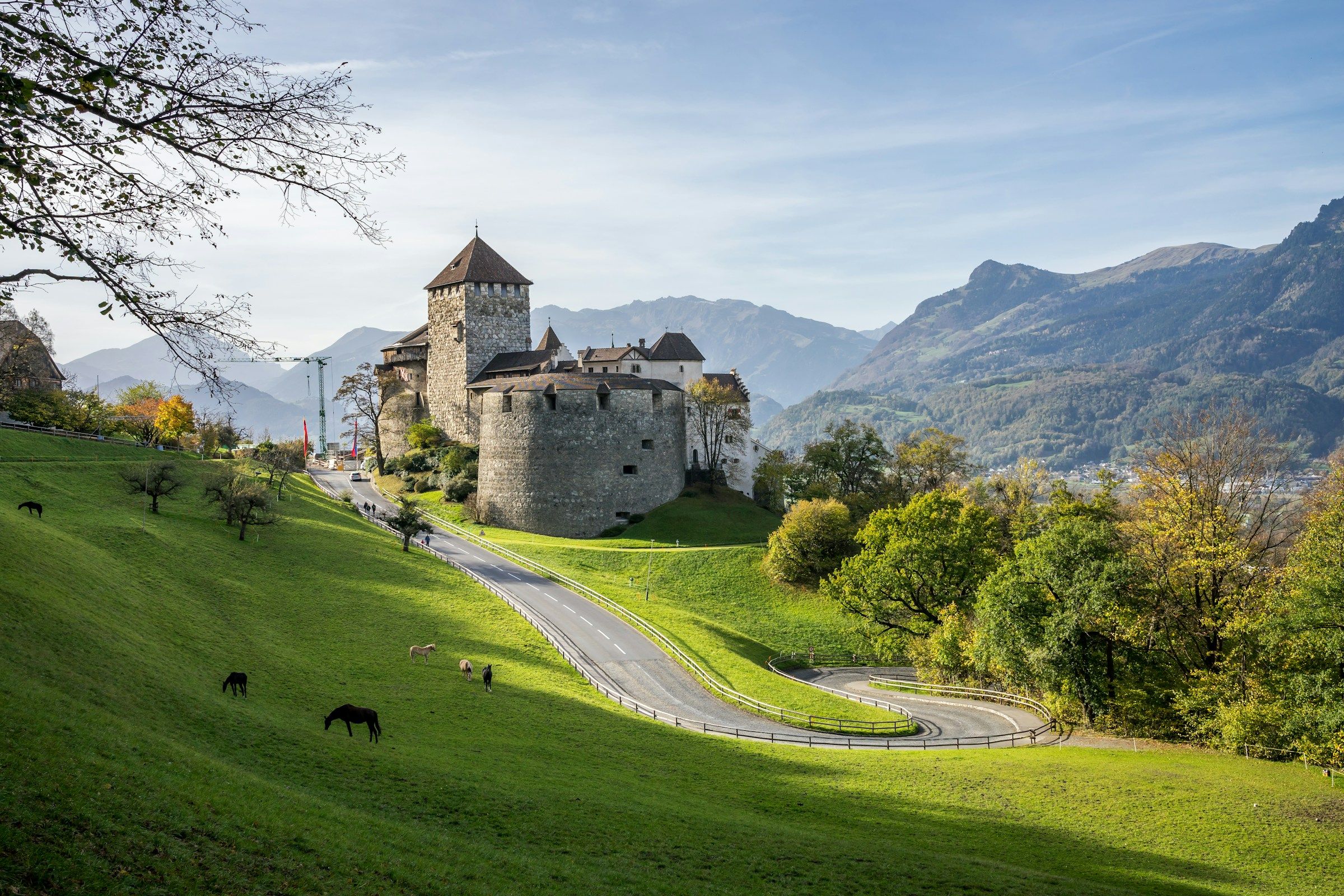
Liechtenstein is a principality of about sixty square miles between Switzerland and Austria. Its population is around forty thousand. It’s one of only two doubly landlocked countries in the world, along with Uzbekistan, meaning every neighbor is itself landlocked.
The country is ruled by a prince who holds real constitutional powers, including the ability to veto legislation. It uses the Swiss franc, and it abolished its army back in 1868. Despite its size, it’s a wealthy industrial economy, known for precision manufacturing and a large financial sector. Many of its workers commute in from neighboring Switzerland and Austria.
Moldova
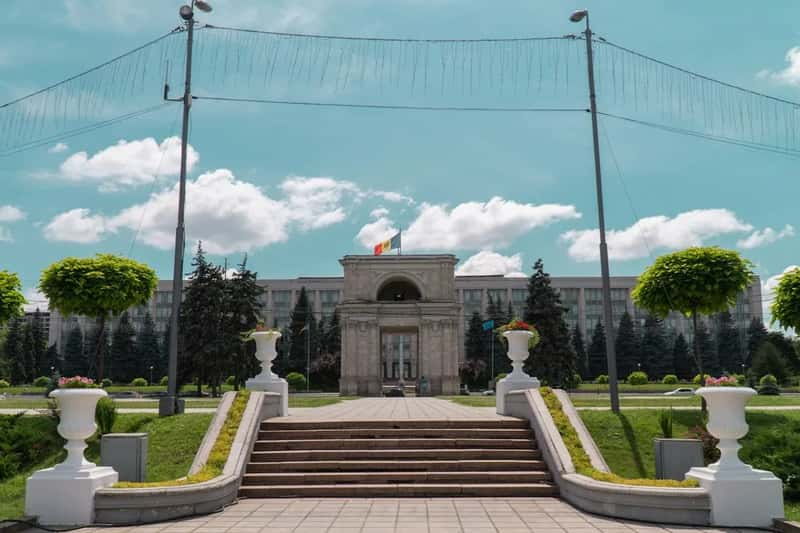
Moldova is a small country between Romania and Ukraine, with a long tradition of winemaking. Its Milestii Mici cellar is listed by Guinness World Records for holding the largest wine collection in the world, stored in underground limestone tunnels. The country also has a breakaway region, Transnistria, which has operated outside Moldovan government control since a short war in 1992.
Moldova’s recent story is about a turn toward Europe. It received EU candidate status in 2022, and formal accession talks opened in June 2024. In September 2025 its pro European governing party held onto a majority in parliamentary elections, despite pressure and interference concerns from outside the country. The road to membership is still long, but Moldova has become one of the more closely watched candidates in Eastern Europe.