The American work culture has become synonymous with long hours, limited vacation days, and the constant pressure to be productive. Yet across the globe, other nations have mastered the art of balancing professional demands with personal fulfillment. These countries didn’t just stumble upon better work-life balance; they’ve systematically built policies and cultures that prioritize human well-being over relentless productivity. Let’s explore where American workers might find the balance they’ve been desperately seeking.
New Zealand

New Zealand consistently tops work-life balance rankings with a score of 86.9 out of 100, offering 32 days of statutory annual leave and 26 weeks of fully paid maternity leave. The country also provides universal healthcare and maintains a high minimum wage. In New Zealand, a national campaign encourages employers to adopt four-day workweeks and hybrid models. The Kiwi approach to work reflects a culture that values outcomes over hours spent at a desk.
Ireland

Ireland retains its second-place ranking in 2025, scoring well across the board with a relatively high minimum wage and generous maternity leave policy offering 26 weeks off at 70% of the income payment rate. The country is considered among the safest places to live and work. The work culture in Ireland tends to favor a balance between hard work and a real sense of community and camaraderie. Irish workers benefit from policies that support both career advancement and family life.
Belgium

Belgium scores well across several metrics, including statutory sick pay and maternity payment rate, while maintaining one of the highest minimum wages in Europe. Belgians work relatively short working weeks, averaging 34.1 hours, compared to many overseas counterparts. In Belgium, all workers can legally complete the hours that would make up their standard five-day workweek in four days if they wish to do so. The Belgian model demonstrates how progressive labor laws can create genuine flexibility.
Denmark
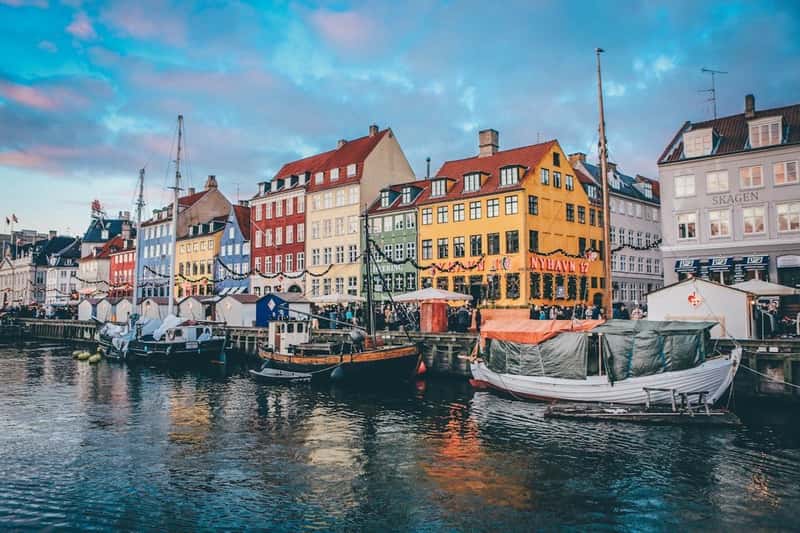
The official working week is 37 hours, with overtime usually compensated financially or with time off, and employees are entitled to five weeks’ vacation plus full pay on the first day a child is sick. Only 1% of workers in Denmark work 50-hour workweeks or more, and most workers devote 15.7 hours to personal care and leisure. Denmark is the world’s second-happiest country and the least sleep-deprived, according to research.
Norway

Norway ranks among the top countries for work-life balance globally, with a 37.5-hour workweek, overtime compensated 40 to 100% above regular pay, and five weeks of annual vacation. Many Norwegians own or rent hytter (summer cabins) where they retreat during weekends and holidays to disconnect from work. The rise in Norway’s ranking is partly due to an extension of parental leave policies. Norwegian culture embraces the concept that personal time is sacred and necessary for overall well-being.
Finland

Finland ranks fifth with a total score of 82.1 out of 100, with workers putting in an average of 1,499 hours annually and receiving 36 days of paid leave. Finland stands out for exceptional family support with paid maternity leave stretching to 161 weeks (over three years) while fathers get more than 16 weeks of paid paternity leave. Finns enjoy about 15.2 hours of leisure and personal care daily with a short average commute of just over 25 minutes, plus high happiness scores and excellent remote work access.
Sweden
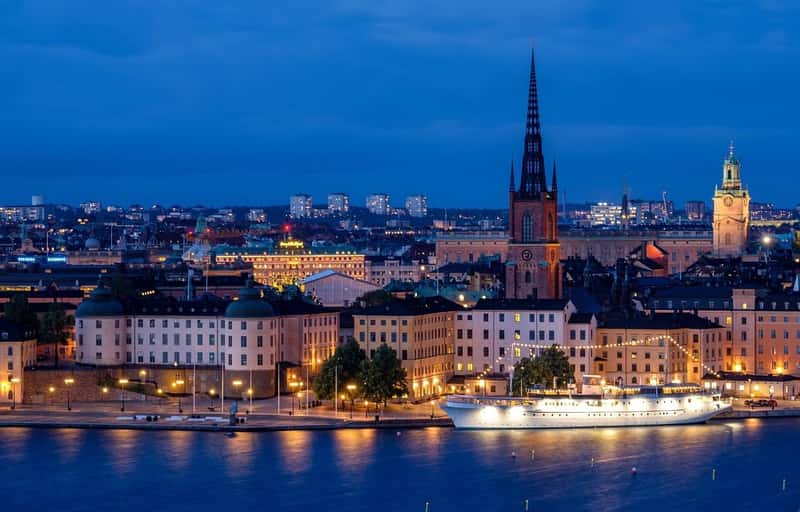
Sweden provides the best parental leave globally, with 480 days of paid leave per child shared between both parents. Sweden is ranked fourth among 143 countries as one of the happiest, and many employers offer informal coffee breaks known as ‘fika’, which are considered essential to Swedish work culture. Sweden consistently appears in the top 10 for work-life balance rankings. The Swedish model proves that generous family support doesn’t hurt economic productivity but rather enhances it.
Netherlands

The standard workweek in the Netherlands is 36 to 40 hours spread over five days, with many employees working four-day workweeks or having flexible arrangements, and overtime not being a widespread practice. With an average of 30.5 hours, the Netherlands has the shortest average work week globally. In the Netherlands, 25 to 35% of citizens bike to work. The Netherlands offers one of the best work-life balances globally, with generous maternity pay benefits and consistently high quality of life.
Germany

In Germany, labor laws prohibit work emails outside working hours. Germans work about 1,350 hours per year on average, the least among developed countries compared according to studies. The German approach demonstrates that strict boundaries between work and personal time benefit both employees and employers in the long run.
Canada

Canada remains the only country in the Americas to feature in the top ten for life-work balance, scoring solidly across metrics including statutory sick pay, public safety, and LGBTQ+ inclusivity. Canada has one of the shortest average working weeks at 32.1 hours and is seen as one of the safest and most LGBTQ+ friendly countries. Canada offers universal healthcare and is seen as the most LGBTQ+-friendly country, ranked as the number one international destination for working professionals due to the high quality of life and safety. Canadian work culture tends to be professional but inclusive, providing a stark contrast to American workplace intensity.
The contrast between these countries and the United States is striking. The United States ranks 39th with a score of just 28.01 out of 100, struggling with long working hours and being the only country offering no federally mandated paid annual leave or parental leave, with American workers putting in 1,799 hours per year. Despite this, 66% of Americans say they don’t have a work-life balance, even though 94% believe it’s important.
These ten countries prove that prioritizing employee well-being doesn’t weaken economies or reduce competitiveness. Instead, they’ve created societies where people can thrive both professionally and personally. The question isn’t whether Americans deserve better work-life balance, but whether the country will learn from these global examples before burnout becomes an even more widespread epidemic.