It’s easy to talk about global inequality in the abstract, using phrases like “wage gap” or “developing economies” without ever landing on a real number. But numbers matter here, because the gap between a monthly paycheck in one part of the world and another can be more than a hundredfold. In a handful of nations, workers bring home less in a month than many people elsewhere spend on a single grocery run.
What follows is a look at ten countries where the reported average or minimum wage sits below fifty dollars a month. The reasons vary from country to country, ranging from prolonged conflict to currency collapse to economies still built almost entirely around subsistence farming, but the outcome for ordinary workers looks strikingly similar.
Burundi
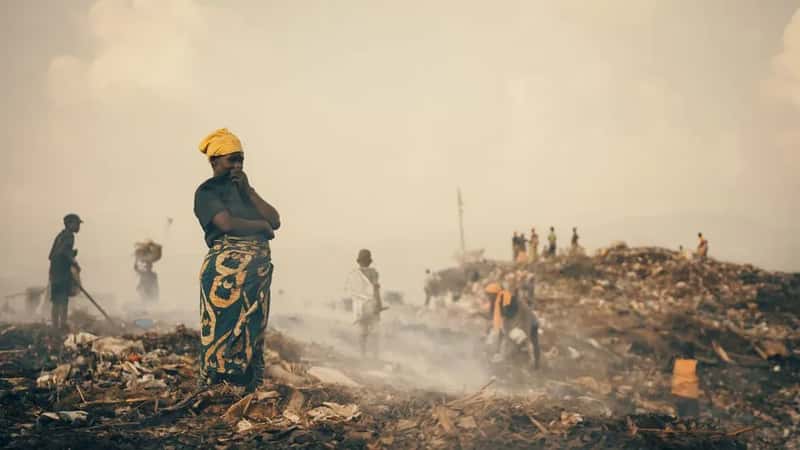
Burundi is routinely cited among the countries with the smallest average incomes anywhere on earth, and wage data backs that up. The smallest budget per capita exists in Burundi.[1] Estimates of the average monthly salary vary depending on the source, but even the higher figures place it well under a hundred dollars, and average gross salaries in Burundi come to roughly $20 a month, compared with $140 a month in neighboring Sudan.[2]
Other estimates put the median a bit higher, with Burundi’s median monthly income at around 150,000 BIF, or about $50.[3] At the lower end of the scale, low earners in Burundi make about 80,000 BIF, roughly $28, while high earners take home closer to 400,000 BIF, about $140.[3] Part of the problem is structural: minimum wages in the country have not been revised since 1988, and experts believe they are too low to have practical application.[3]
Sudan
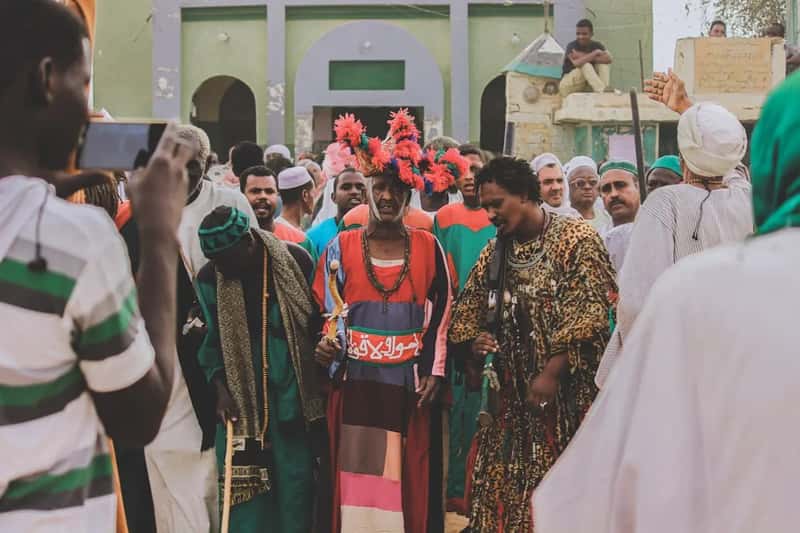
Years of civil conflict, a collapsing currency, and a fractured economy have pushed formal wages in Sudan to some of the lowest levels recorded anywhere. As of 2025, Sudan has the lowest monthly minimum wage in Africa, at approximately $5 USD.[4] That figure is not a typo or an outlier, it reflects just how far the country’s formal wage structure has fallen behind actual living costs.
This nominal wage reflects the country’s economic challenges and limited enforcement mechanisms, highlighting significant disparities in wage standards across the continent.[4] In practice, most Sudanese workers rely on informal trade, agriculture, or remittances from relatives abroad rather than any officially recorded salary. The war that has displaced millions since 2023 has only deepened the gap between official pay scales and what people actually need to survive.
Nigeria
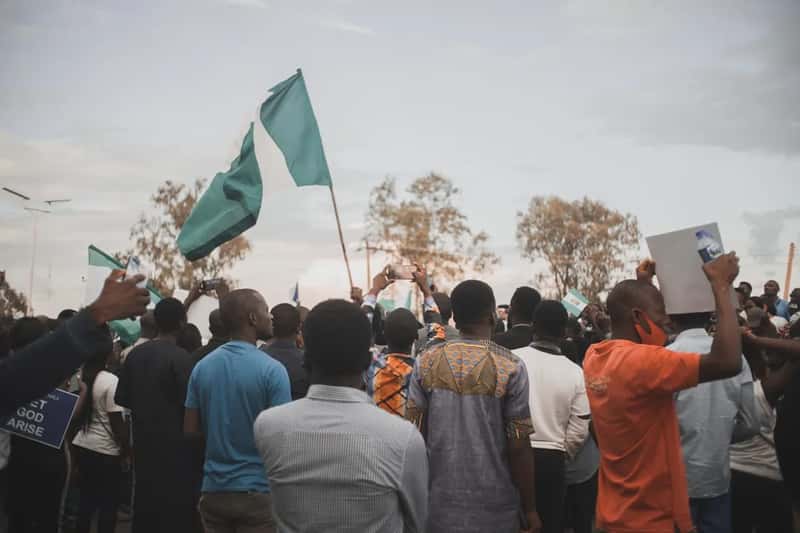
Africa’s most populous nation presents an interesting case, because it has a sizable formal economy and a growing tech sector, yet its wage floor remains startlingly low. Nigeria’s minimum wage is one of the lowest in the world, at US$48.37 (NGN 70,000) per month.[5] That places it just under the fifty dollar threshold, even after a government pay increase intended to offset years of currency depreciation.
The naira has lost a significant share of its value against the dollar over the past few years, which means even a raise in local currency terms can translate into a smaller amount once converted. Millions of Nigerians work in the informal sector, where pay is negotiated case by case and often falls short of even that modest legal minimum. For public sector workers and low wage earners in particular, the gap between income and the rising cost of food and fuel has become one of the country’s most pressing economic issues.
Malawi
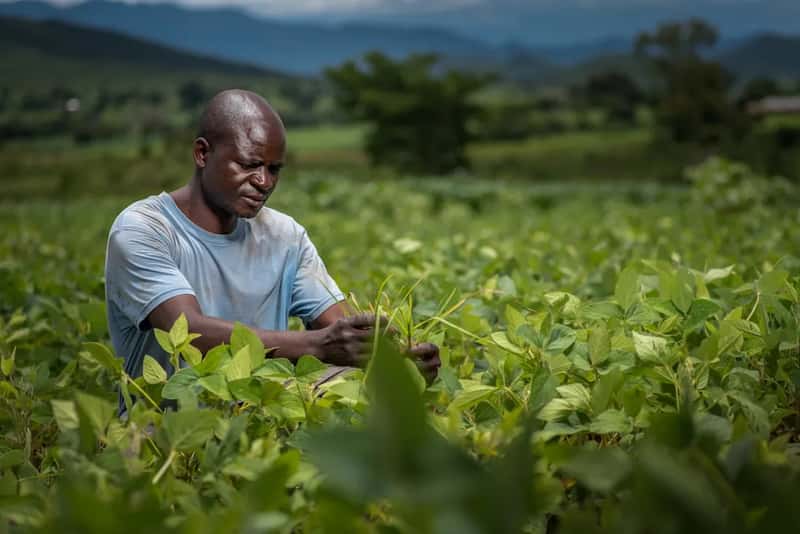
Malawi’s economy remains heavily tied to agriculture, and its income figures reflect that dependence. The country’s nominal GDP per capita stood at $580 in 2025[6], which works out to less than fifty dollars a month for the average person once spread across the year. Farming employs the vast majority of the workforce, yet productivity and prices remain low enough that most households operate close to subsistence level.
Conditions have grown more difficult rather than easier. In January 2026, the Malawi Energy Regulatory Authority raised petrol and diesel pump prices by more than 40 percent, marking one of the largest fuel price increases in recent years and prompting concerns about rising transport and living costs nationwide.[7] For workers already earning close to nothing, a jump like that in transport and food costs can be devastating even before wages are factored in.
Madagascar
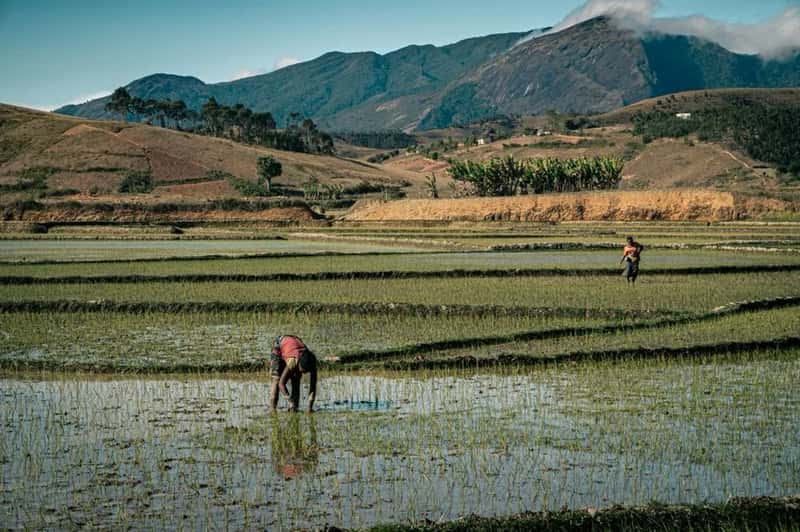
This island nation off the coast of southeastern Africa is regularly grouped among the countries with the lowest formal wage floors in the world. Madagascar is among the countries that have lower minimum wages[8] according to recent global comparisons of pay standards. Its economy leans heavily on vanilla, textiles, and other agricultural exports, industries that generate export revenue without necessarily lifting wages for the workers who grow or harvest the goods.
Most of the population lives in rural areas, farming small plots of land for both subsistence and modest cash income. Cyclones and other weather shocks periodically wipe out crops and further squeeze household budgets. Combined with limited industrial development, these factors keep formal wages, where they exist at all, well below what would be considered a livable income in most other parts of the world.
Rwanda
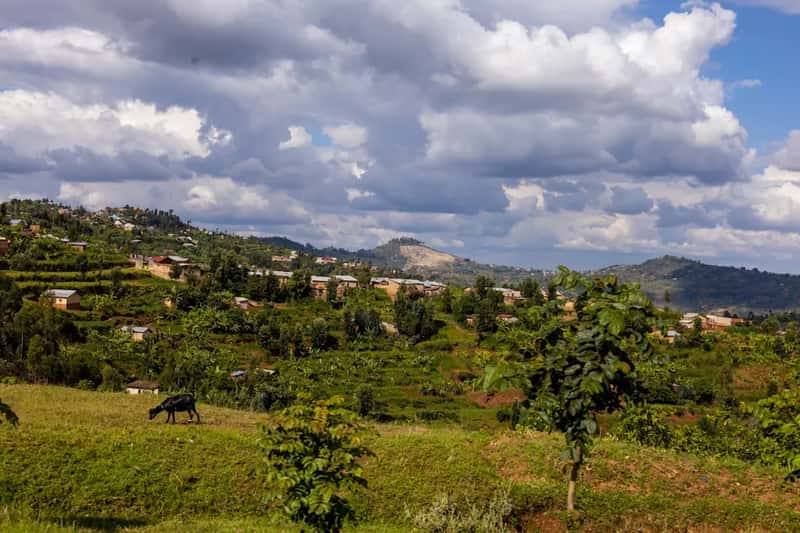
Rwanda has made real economic progress since the 1990s, building up its tourism sector and positioning itself as something of a technology hub in East Africa. Even so, Rwanda is counted among the countries with lower minimum wages[8] in recent global surveys of pay standards. The benefits of that growth have not spread evenly, and rural wages in particular lag far behind what workers in Kigali or the tourism sector might earn.
Land is scarce in this densely populated, landlocked country, which keeps many households tied to small scale farming with limited cash income. Coffee and tea exports bring in foreign revenue, but the wages paid to the workers who grow and process them remain modest. As with several countries on this list, national economic headlines can mask just how little cash actually reaches ordinary households each month.
Uganda
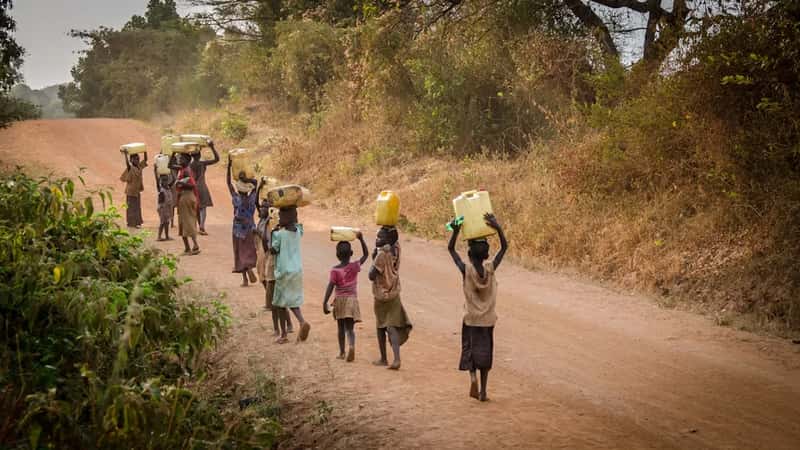
Uganda’s economy is still largely built around agriculture, and that shapes the wage picture for much of the population. Uganda is listed among the countries with lower minimum wages[8] in comparative wage data compiled in recent years. A young and rapidly growing population means the labor market has to absorb large numbers of new workers every year, which tends to keep wages compressed, particularly outside the capital, Kampala.
Informal work dominates the economy, from small scale farming to street vending, and formal payroll jobs remain relatively rare outside urban centers. Coffee remains one of the country’s main export crops, yet the smallholder farmers who grow it often see only a small share of the final sale price. As a result, monthly cash income for a large portion of the population stays well below what would be considered a comfortable wage elsewhere.
Gambia
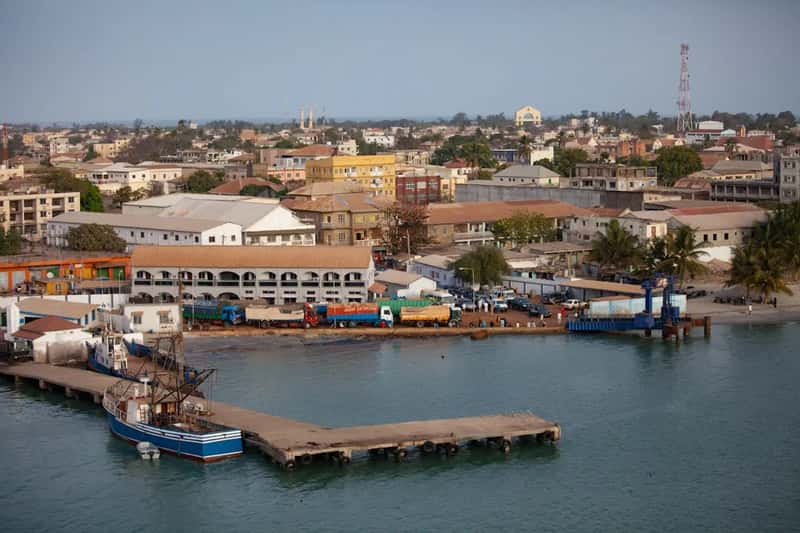
The smallest country on mainland Africa relies heavily on tourism, agriculture, and money sent home by citizens working abroad. The Gambia is one of the countries identified as having lower minimum wages[8] in recent global wage comparisons. Its small size and limited industrial base mean there are few large employers capable of offering wages much above the legal floor.
Groundnuts remain one of the country’s key agricultural exports, but the income generated rarely translates into significant wage growth for farm laborers. Remittances from Gambians living overseas often make up a meaningful share of household income, filling gaps that local wages cannot cover. Tourism offers some higher paying jobs along the coast, but those opportunities are seasonal and limited compared to the size of the overall workforce.
Guinea-Bissau

Political instability has shadowed Guinea-Bissau for decades, and that history has left a lasting mark on its economy. Guinea-Bissau appears among the countries with lower minimum wages[8] in recent international wage rankings. Cashew nuts dominate the country’s export economy, accounting for the vast majority of its foreign earnings, yet the farmers who grow them see relatively little of that value reflected in their own income.
Formal employment opportunities remain scarce, and much of the population depends on small scale farming or informal trade to get by. Public sector wages have at times gone unpaid for months due to fiscal instability, adding another layer of uncertainty for workers who do hold formal jobs. Limited infrastructure and a narrow export base continue to constrain any broader wage growth across the country.
Kyrgyzstan
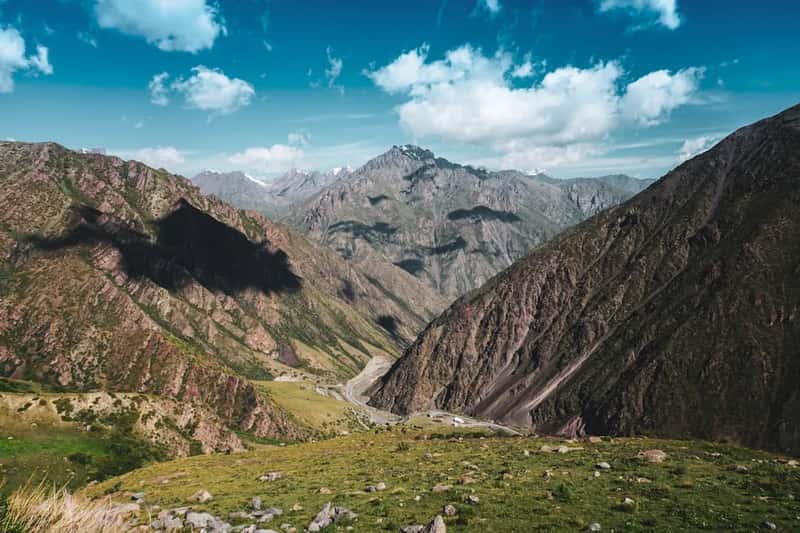
Tucked into the mountains of Central Asia, Kyrgyzstan presents a somewhat different picture from the African nations on this list, though the wage outcome lands in a similar place. Kyrgyzstan is included among the countries with lower minimum wages[8] in comparative global data. Agriculture and small scale mining employ a large share of the workforce, and wages in both sectors have historically trailed behind those in neighboring Kazakhstan.
Remittances from Kyrgyz citizens working in Russia and other parts of the region make up a significant portion of many households’ income, often exceeding what they could earn locally. Seasonal work, particularly tied to livestock herding and crop cycles, means income for many families fluctuates throughout the year rather than arriving as a steady monthly wage. That volatility, combined with a modest legal wage floor, keeps average earnings for a large share of workers close to the lower end of the global scale.