There’s a particular kind of quiet that settles over a cabin once the seatbelt sign clicks off and the crew disappears behind the galley curtain. Passengers assume that’s just downtime, a chance for flight attendants to catch their breath. In reality, that curtain hides a whole separate conversation, one built on shorthand, inside jokes, and safety protocols most travelers never think to ask about.
Some of what happens back there is mundane. Some of it is stranger, funnier, or more unsettling than you’d expect from a job built around handing out pretzels and pointing at exit rows. Here are ten things flight attendants generally keep to themselves, pulled from crew interviews, industry reporting, and the kind of details that only come out when someone finally asks.
1. Oxygen masks don’t last nearly as long as passengers assume
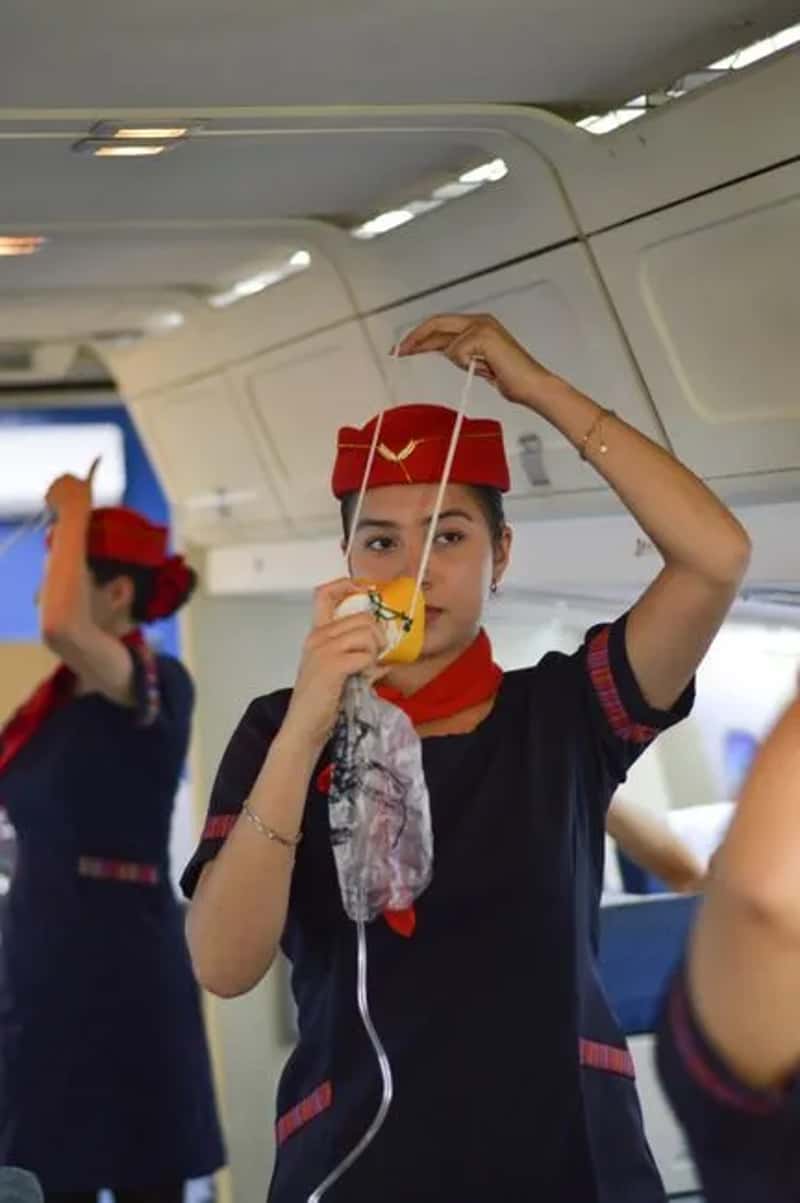
The safety demo makes those little yellow masks look like a permanent solution, but they’re really a bridge to somewhere else. Reporting on flight attendant disclosures notes that those emergency oxygen masks deliver a supply that lasts only 15 minutes[1]. That’s not a flaw in the system, it’s by design, since the aircraft is meant to descend to a breathable altitude well within that window.
Crews rarely explain this during boarding because it sounds alarming out of context. The real point isn’t the clock ticking down, it’s that the pilots are already working to get everyone somewhere the masks won’t be needed at all.
2. There’s a quiet code for when someone dies onboard
Medical emergencies happen more often than most flyers realize, and death in the air is rare but not unheard of. When it does happen, crews avoid saying anything that could spark panic through the cabin. Industry sourcing confirms that a Code 300 is the term used to convey to air traffic control that a passenger has died on board, with flight attendants often informing each other by saying “we have an angel on board”[2].
The softness of the phrasing is intentional. A death onboard also brings logistical complications, since the person may need to stay in their seat[1] until the aircraft lands and proper procedures can take over.
3. Cabin crew have a nickname for passengers they find attractive
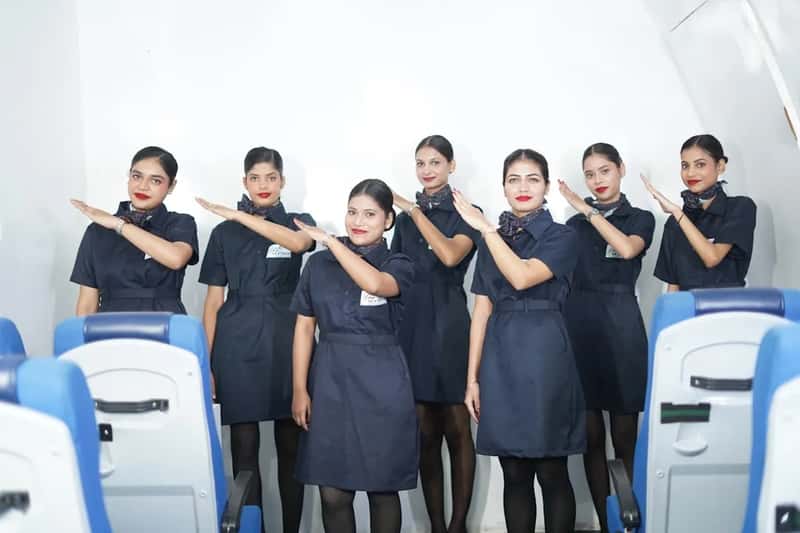
This one has floated around aviation circles for years, but it recently resurfaced through crew interviews conducted for travel outlets. According to one anonymous flight attendant, “if you hear them refer to someone as ‘Bob,’ they are using the secret acronym ‘babe on board'”[3]. The same crew member admitted the flirting can go further than a whispered nickname.
In fact, crews will run back to the galley to alert others where the attractive passenger is seated, offer extra freebies, and phone numbers have reportedly ended up written on napkins[3]. So if the service on a particular flight feels unusually warm, there might be a reason that has nothing to do with your frequent flyer status.
4. The bathroom lock isn’t as private as it looks
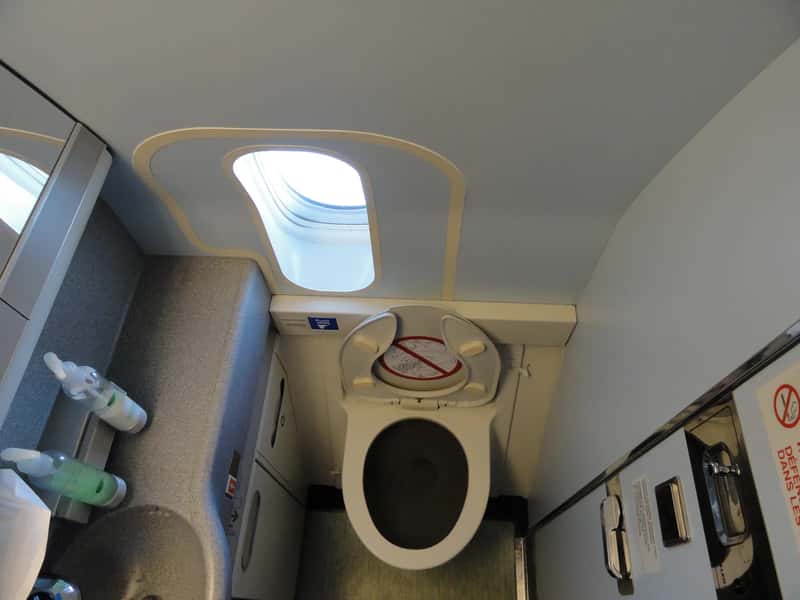
That little red “occupied” indicator gives a false sense of security. Flight attendants have a way to override it entirely, and it’s simpler than most passengers assume. As one report on cabin secrets put it, the bathroom lock is little more than an illusion, since anyone can open the lavatory from the outside if they happen to be a flight attendant who knows how[4].
This isn’t crews snooping for fun. It’s a safety mechanism, meant for situations where someone inside might be in medical distress or where the door has simply jammed. Still, it’s worth knowing that “locked” on a plane is more of a suggestion than a guarantee.
5. Many flight attendants won’t touch the tap water

Coffee and tea onboard come from the same tanks used for the bathroom sinks, and that fact has made more than a few crew members quietly opt out. Water quality on aircraft is regulated by the EPA, though compliance has been inconsistent over the years. One flight attendant was blunt about it, telling reporters, “I won’t drink the tap water… I just don’t always trust the cleanliness of the aircraft and the testing of it.”[5]
Not every crew member avoids it entirely, but even those who do drink it hedge their endorsement. One described it this way: “TLDR: water is safe to drink but not the best taste quality.”[5] If you’re picky about your coffee, bottled water might be the safer bet.
6. Your boarding pass carries more personal data than it should
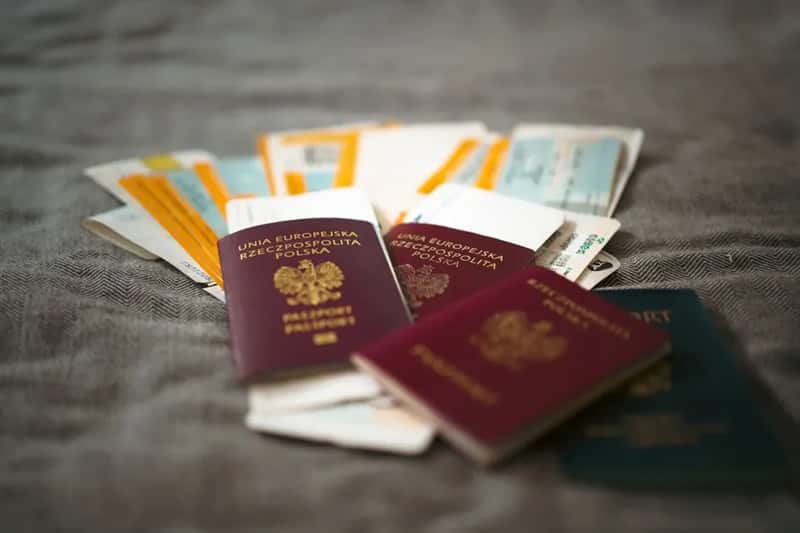
That crumpled paper or phone screenshot looks harmless, but it’s essentially a small data file. Security researchers have long pointed out that the boarding pass contains a lot of secret, incredibly personal information[1], often encoded in the barcode itself. Even the flight number isn’t just a number, since it’s also coded information[1] tied to your itinerary and frequent flyer profile.
Flight attendants don’t advertise this because it’s not really their department, but crew training touches on it as part of broader security awareness. The practical takeaway is simple: don’t post boarding passes online, and shred them once the trip is over.
7. Pouring Diet Coke is a task most crews genuinely dread

It sounds like a small thing, but ask almost any flight attendant and you’ll hear a groan. The soda’s carbonation reacts differently at altitude, which means flight attendants hate pouring Diet Coke[1] because it foams up and takes far longer than any other drink on the cart. The upside for passengers who love it is that crews have found a workaround.
Rather than fight the fizz cup by cup, many will simply give you the entire can if you ask[1]. It saves time for everyone and quietly became one of the more useful tricks seasoned flyers pass along to each other.
8. Alcohol hits differently in the air, and crews have a rule for it
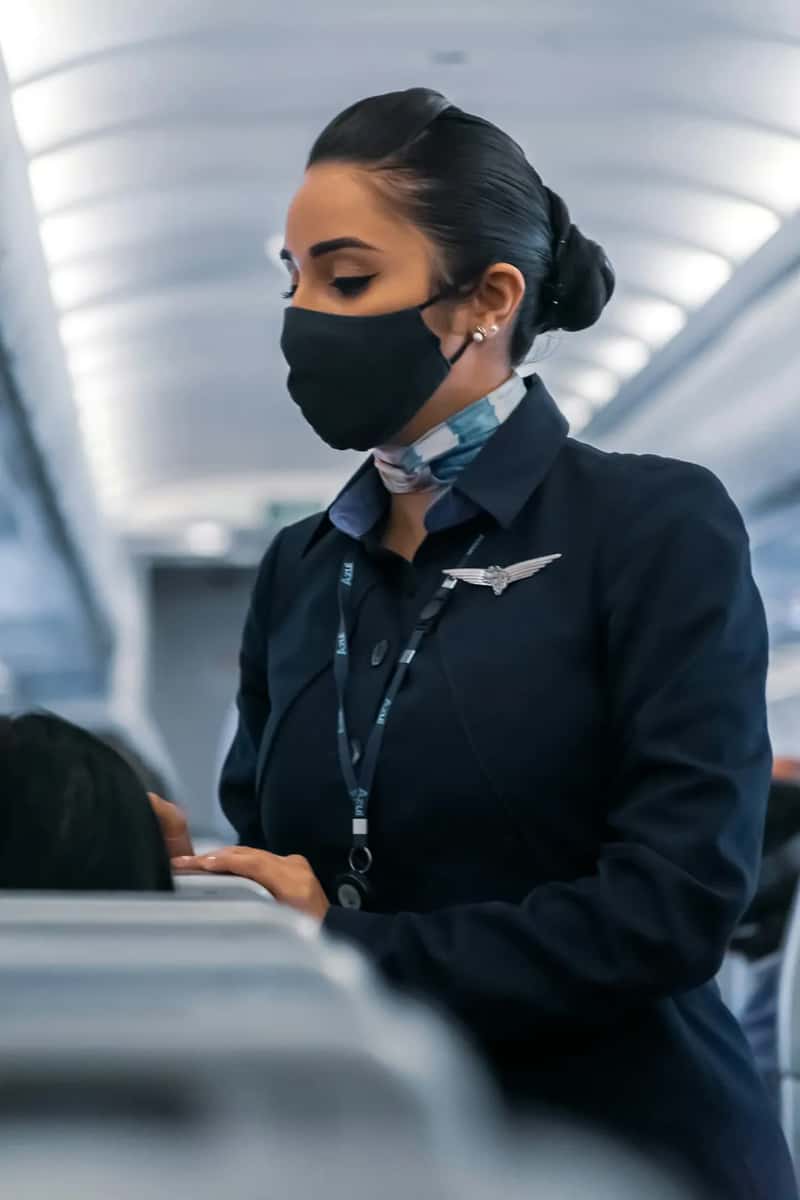
Cabin altitude and dry air change how the body processes alcohol, which is part of why crews are trained to be cautious about serving. One flight attendant summed up the internal guideline this way: “We were told one in the air for two on the ground,” referencing how alcohol tends to hit passengers harder on the plane than it might in their local bar[6]. There’s also a legal dimension crews take seriously.
Being visibly intoxicated on a flight isn’t just frowned upon, it can violate federal regulations, and serving someone past that point creates liability for the airline. As the same flight attendant put it, it is illegal to be intoxicated on a plane and illegal for crews to get you drunk, so “if we cut you off, don’t argue; we may serve you later if you’re nice.”[6]
9. Certain codes mean something far more serious than a delay
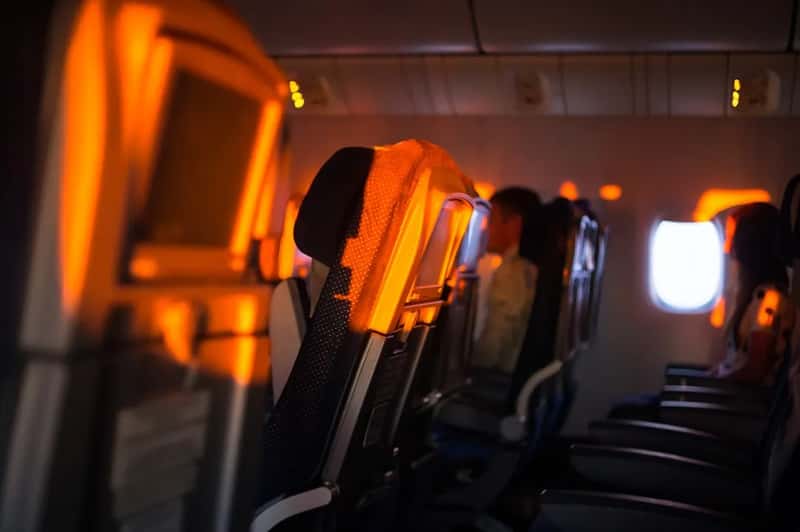
Most in-flight jargon is harmless shorthand, but a few terms signal real danger, and crews are trained to react to them instantly without alarming the cabin. Security experts note that “Angel” or “Code 300” indicates a passenger has died onboard, while “Squawk 7500” or “Hotel” signals a potential security threat on the flight[7]. There’s also a step below a full emergency that passengers rarely notice.
A less urgent but still notable signal is described this way: “While not as critical as a ‘MAYDAY,’ a ‘Pan-Pan’ call indicates that something is wrong on board, whether it’s mechanical trouble or a medical emergency, but the flight is not in imminent danger.”[7] These distinctions let pilots and crew coordinate calmly without triggering panic among people who have no reason to know what’s happening in real time.
10. Difficult passengers get their own private nicknames
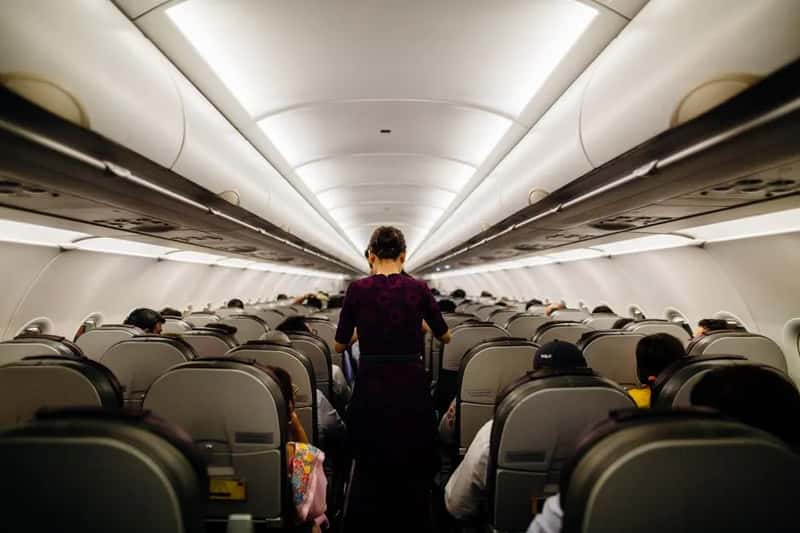
Crews develop shorthand for behavior patterns they see constantly, and some of it isn’t especially flattering. One widely reported example targets passengers who spread out to block seatmates, since “Mermaid” is a sharp nickname for a passenger who sprawls across multiple seats to prevent others from sitting beside them[8]. Gate behavior gets its own vocabulary too.
Travelers who crowd the boarding area before their group is called have earned a blunt label of their own, referenced simply as “Gate Lice” for troublesome travelers[8]. None of it is said to your face, but if a flight attendant seems to be exchanging a knowing glance with a colleague, there’s a decent chance one of these nicknames is doing the talking.
None of these secrets are scandalous on their own, but together they explain a lot about why cabin crews communicate the way they do. Coded language keeps emergencies calm, protects passenger dignity, and occasionally just makes a long shift a little more bearable. The next flight might sound exactly the same as always, only now some of that quiet chatter behind the curtain won’t be quite so mysterious.