


South America draws millions of visitors every year for its mountains, coastlines, and colonial architecture, yet safety concerns keep coming up in traveler forums, government advisories, and trip reports. Some of this is exaggerated internet chatter, but a good portion is grounded in real crime data and on-the-ground incidents that visitors have described firsthand. The cities below aren’t necessarily off-limits, but they’re the ones travelers most often flag as places where extra caution pays off.
Caracas, Venezuela
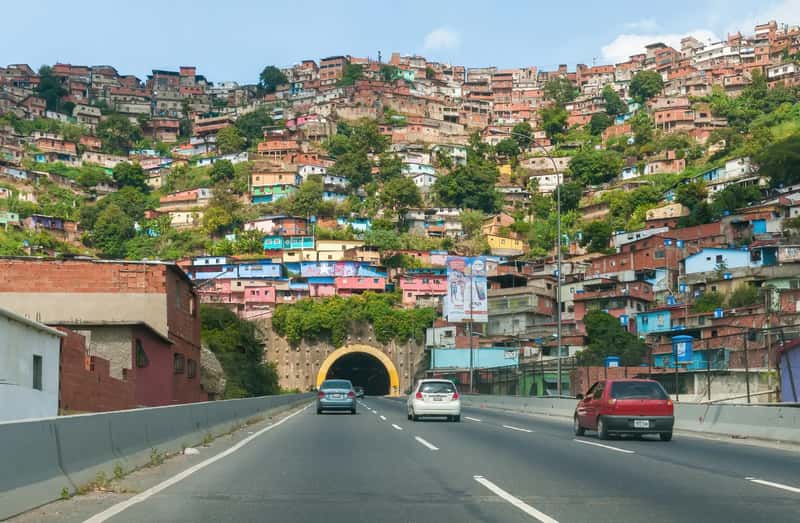
Caracas shows up on almost every list of cities travelers avoid, and the reasons go beyond ordinary street crime. Venezuela carries the US State Department’s highest Travel Advisory level, Level 4: Do Not Travel, due to risks including wrongful detention, kidnapping, and civil unrest.[1] The homicide rate sits around 45.6 per 100,000, one of the highest on the continent, and Caracas is considered one of the most dangerous cities in the world.[1]
Travelers who have walked through the city describe a stark shift in atmosphere just blocks from tourist zones. Wandering through the streets of Caracas, some visitors felt a chill just stepping into the wrong barrio, and the atmosphere changed quickly just a few blocks away from the glitzy tourist areas.[2] Adding to the strain, Venezuela experienced a powerful foreshock and earthquake in rapid succession in June 2026, disrupting transportation and infrastructure while the US Embassy operates on a limited basis.[1]
Rio de Janeiro, Brazil
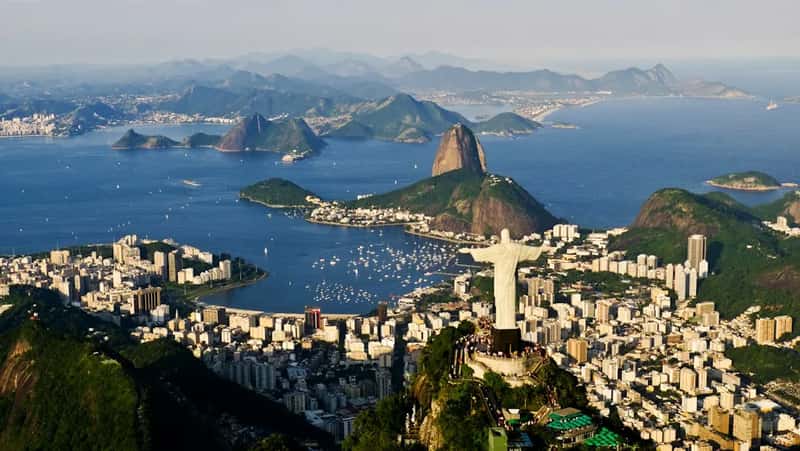
Rio’s postcard views come with a reputation problem that’s hard to shake. Parts of the city are particularly unsafe, with pickpocketers taking advantage of tourists around the historical downtown area, and armed robberies have also been reported on the trail to the Christ the Redeemer statue.[3] The State Department has also flagged a specific tactic worth knowing about.
Rio’s favelas are gang-controlled territories where tourists face grave danger, while so-called quicknappings see victims briefly abducted to withdraw ATM cash.[4] That said, the city isn’t uniformly risky. The beaches at night are questionable and should be avoided, but there are safe areas, with Ipanema and Botafogo among the safest.[2]
Bogotá, Colombia
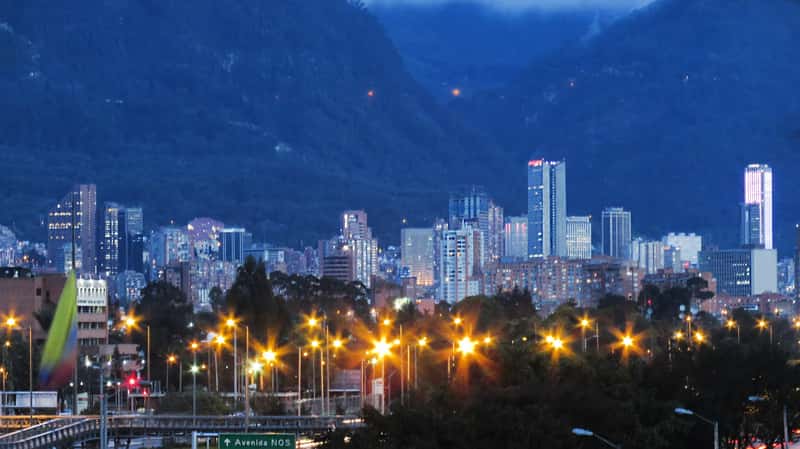
As Colombia’s biggest city, Bogotá attracts plenty of business and leisure travelers, but it also carries a heavier crime profile than most South American capitals. The city has over 7 million people and murder rates hovering around 26.1 per 100,000.[2] Neighborhood lines can shift fast, which catches some visitors off guard.
Neighborhood boundaries change quickly, and robberies are pervasive day or night, with Suba and Santa Fe barrios considered no-go zones.[2] Public transit has its own reputation too. The TransMilenio bus system is overcrowded and a favorite spot for pickpockets.[2] Recent data shows a mixed picture: Bogotá’s crime rate in 2024 showed a rise in serious offenses such as homicides and sexual crimes, while personal robberies dropped but theft and street crime still happen.[5]
Fortaleza, Brazil
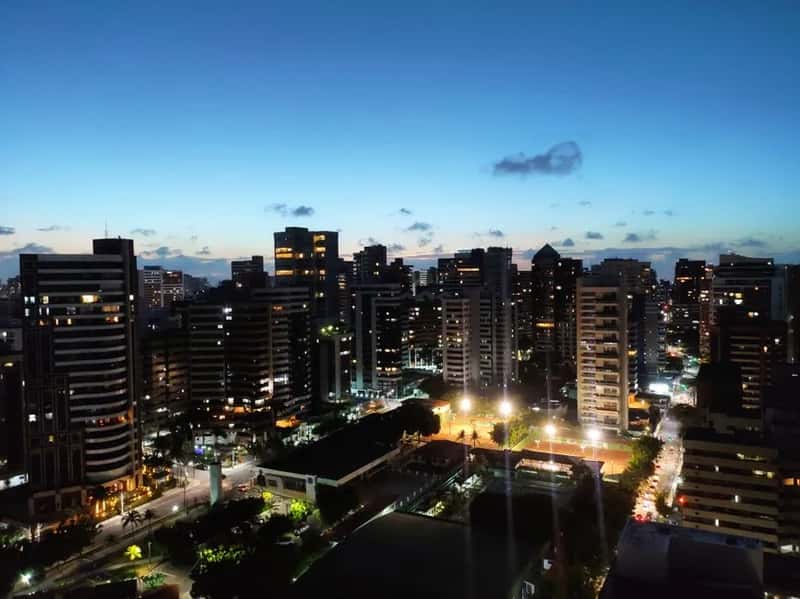
Fortaleza’s red cliffs and lagoons pull in beach-focused travelers, but the city’s crime numbers are hard to ignore. The northeastern Brazilian city of 2.7 million is valued for its beaches and lagoons, yet a high crime rate is a factor, including violent crimes like homicides and robberies.[2] Gang activity is a major driver behind the numbers.
These incidents are fueled by gang violence, murder, assault, and kidnapping, with Fortaleza’s danger score at 77.36 and 22.5 violent crimes per 100,000 people.[2] Nighttime is when the risk climbs most. The beaches at night are often the most dangerous, though Praia de Iracema is considered the safest part of the city, with extra caution advised after dark or when traveling alone.[2]
Guayaquil, Ecuador
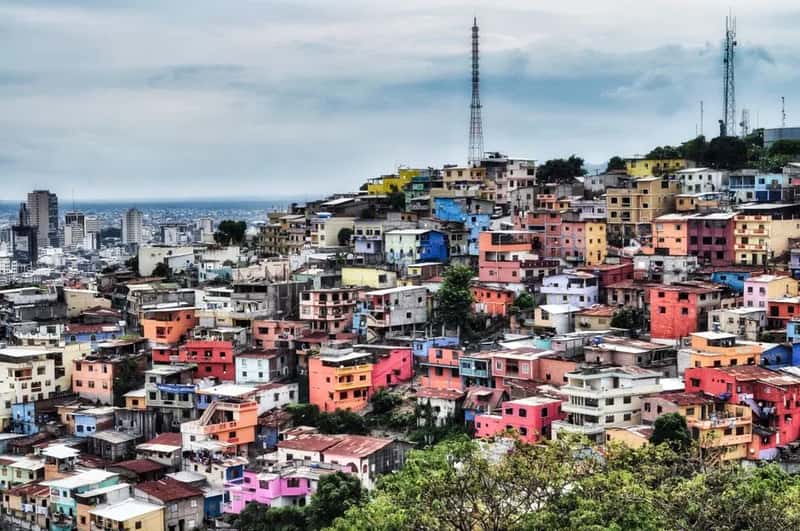
Guayaquil’s rise on danger lists is a fairly recent story, tied closely to Ecuador’s broader security decline. Homicides in Ecuador increased from 5.7 per 100,000 in 2018 to 45.1 by the end of 2023.[5] That surge has been concentrated in specific port and coastal cities.
Cities like Durán and Guayaquil are struggling with violence linked to drug trafficking and gang conflicts.[5] Ecuador as a whole hasn’t collapsed into blanket danger, but the split between regions is stark. Ecuador is still dangerous in certain areas where drug trafficking is present, while other parts remain calmer.[5] Guayaquil regularly appears alongside Fortaleza and Caracas on lists of the continent’s most dangerous urban centers.
Salvador, Brazil
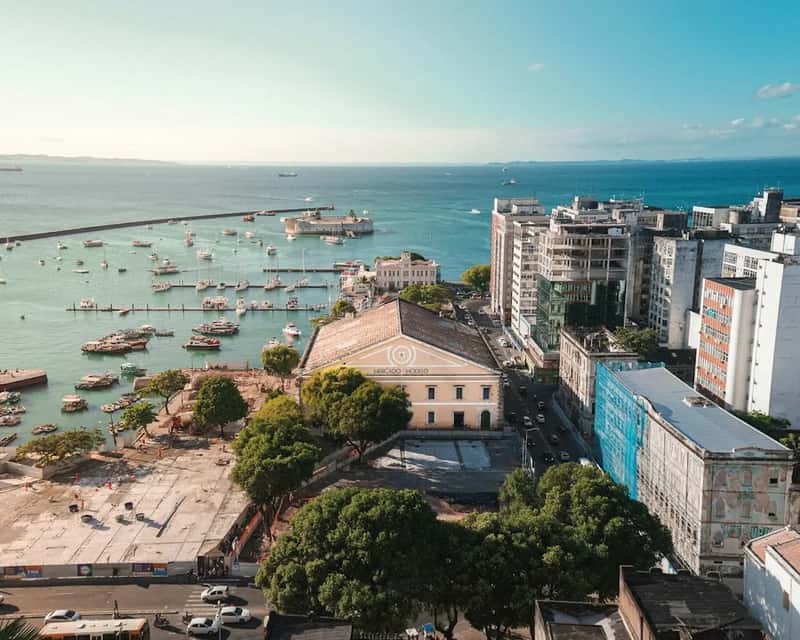
Salvador’s Afro-Brazilian heritage and music scene have long made it a cultural draw, but safety concerns have started to change how travelers plan their trips. The city attracts visitors with its culture, music, and historic architecture, yet rising crime rates and overcrowding in tourist districts have led travelers to reconsider, with public safety concerns and limited infrastructure reducing comfort in some areas.[6] The shift is visible in where people choose to go instead.
Beaches and cultural festivals remain appealing, but tourists are increasingly favoring less congested Brazilian cities or coastal towns with safer environments, even though Salvador’s heritage and vibrancy are undeniable.[6] It’s not that Salvador has become unlivable, but the calculus for casual tourists has clearly tilted toward alternatives.
Medellín, Colombia
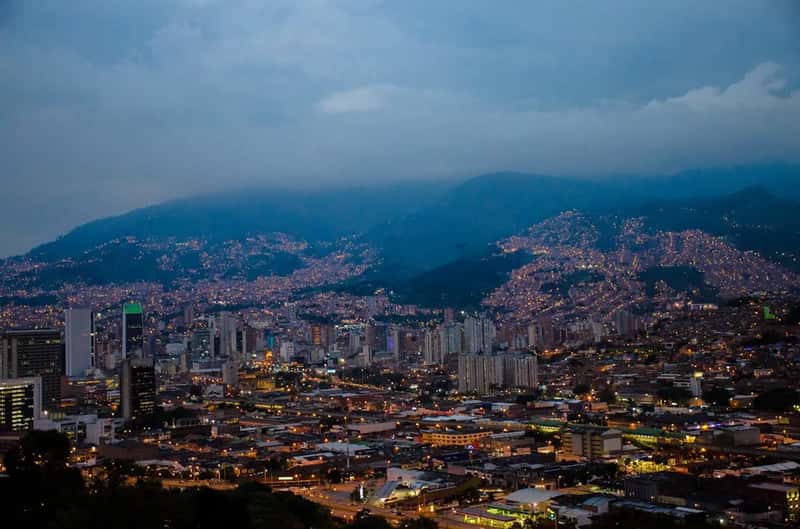
Medellín has worked hard to shed its old reputation, and in many ways it has succeeded, but the history still colors how some travelers view it. The city was dubbed the most dangerous city in the world by Time Magazine in the early 90s, and it doesn’t have the best reputation when it comes to safety even today.[3] Modern advisories are more measured but still cautious.
Although many neighborhoods within Medellín continue to attract tourists, strong caution has remained recommended, especially during evening hours and in less familiar areas.[7] Scams targeting tourists are a documented concern too. Criminals have been known to blow scopolamine powder into tourists’ faces on Colombian streets, turning victims into compliant zombies who empty their own bank accounts, part of why Colombia carries a Level 3 advisory.[4]
La Paz, Bolivia
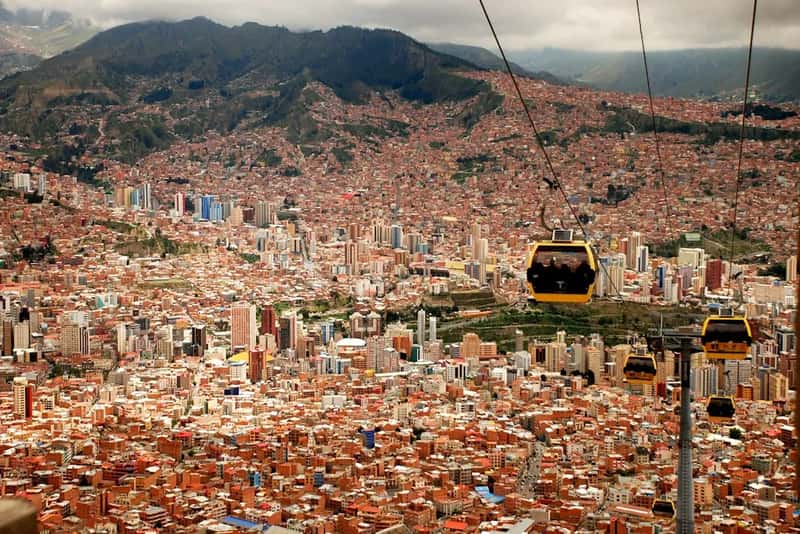
La Paz’s safety concerns look different from the violent crime patterns seen elsewhere on this list. Unlike several other high-risk South American cities where violent crime represents the primary concern, La Paz has recently faced growing travel challenges linked to civil unrest and transportation disruptions.[7] That instability has had a direct impact on how tourists move around the region.
As of May 2026, road travel between La Paz and major tourist destinations such as Copacabana and Uyuni has reportedly been heavily affected by strikes, demonstrations, and indefinite transport blockades, creating unpredictable travel conditions across important routes.[7] Visitors traveling through Bolivia’s capital have often encountered delays, restricted movement, and difficulties accessing reliable transportation services.[7] For travelers, the risk here is less about being targeted and more about being stranded.
Cali, Colombia

Cali doesn’t get quite the same tourist traffic as Bogotá or Medellín, and its crime statistics are part of the reason. Cities like Cali rank among South America’s deadliest.[4] The city sits within a country whose crime picture varies enormously by region.
Colombia’s advisory framework reflects that split clearly. Colombia shows remarkable transformation, with tourist zones including Cartagena’s colonial walls, Santa Marta’s beaches, and coffee regions featuring dedicated police and remaining approved for travel.[4] Cali falls outside that reassuring bracket, and travelers who do visit are generally advised to stick to well-known districts and avoid wandering into unfamiliar barrios after dark.
Recife, Brazil
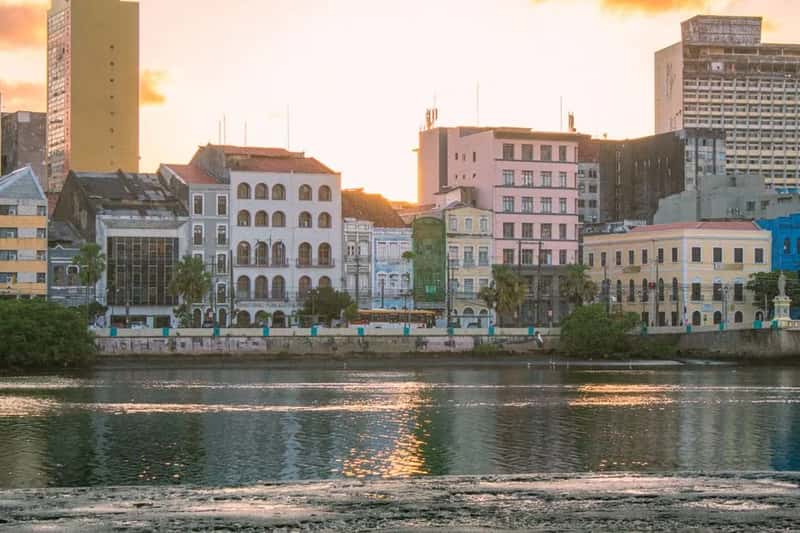
Recife rounds out the list of Brazilian cities that repeatedly appear in safety warnings despite their tourist appeal. Several Brazilian cities including Manaus, Fortaleza, Salvador, Recife, and Natal rank among South America’s most violent, with extraordinarily high murder rates fueled by gang warfare.[4] The pattern echoes what’s seen in Fortaleza and Natal further along the coast.
Beaches and historic centers in Recife draw steady tourist numbers, but the same nighttime caution that applies across Brazil’s northeastern coast applies here too. Travelers who stick to well-lit, populated areas during daylight hours generally report far fewer problems than those who wander into unfamiliar neighborhoods after sunset. As with Fortaleza and Natal, local tour operators and hotel staff tend to know current hotspots well and are usually happy to flag which streets to avoid.
None of this means South America should be crossed off a travel list. Millions of tourists visit these same cities every year without incident, and cities like Montevideo, Santiago, and Buenos Aires consistently rank as far safer alternatives within the same region. The pattern across nearly every city on this list is the same: risk concentrates in specific neighborhoods and specific hours, and it drops sharply for travelers who stay aware, use registered transportation, and take local advice about where not to wander after dark.


