Travel insurance companies love to remind us that lightning rarely strikes twice, but pickpocketing is a different kind of risk entirely. It’s not random. It clusters around certain metro lines, certain plazas, certain queues where a camera comes out and a bag gets set down for just a second too long. Below is a look at ten places where that pattern has held steady into 2026, backed by police data, tourism board figures, and the kind of traveler reports that tend to repeat themselves year after year.
1. Barcelona, Spain

Barcelona has carried the unofficial title of Europe’s pickpocket capital for years, and the numbers explain why. In 2023, Barcelona recorded 100,944 pickpocketing incidents, and theft accounted for 48.1% of all crime in the city, according to the city council’s own figures. The lower stretch of La Rambla, the Gothic Quarter, and metro Lines 1 and 3 remain the spots most frequently named in visitor complaints.
There’s a genuine shift underway, though. Pickpocketing in Barcelona dropped 40% in 2026 under the Pla Kanpai operation, and according to the Mossos d’Esquadra, 85 multi-offenders with criminal records were detained between January and June 2026 alone, four times the figure from the same period in 2025. Police describe the offenders less as opportunists and more as specialists who treat tourist corridors like a job site, which is partly why targeted enforcement has started to dent the numbers.
2. Paris, France

Paris took over the top spot in several recent global rankings of theft related traveler complaints, and it isn’t close. Paris is the pickpocket capital of the world, accounting for 16.5% of all theft-related reviews analysed in the past year. A separate 2026 index measuring keyword mentions against visitor numbers reached the same conclusion, placing the French capital first overall.
Paris comes in as the biggest pickpocketing and scam hotspot on the index, with the French capital recording the highest number of scam and theft keyword mentions per million international visitors. The Eiffel Tower’s metro access points and the RER line from Charles de Gaulle airport are the two spots mentioned most consistently. Extra caution is advised especially on lines 1, 2, 4, 6, 8, 9, and 12, all of which see heavy tourist traffic mixed with rush hour crowding.
3. Rome, Italy

Rome’s tourist numbers have kept climbing, and its theft problem has grown right along with them. Rome experienced a 51.3% rise in reported robberies in 2024, with pickpocketing incidents surging to 33,455 cases, making the Trevi Fountain, Colosseum, and Pantheon among the most dangerous tourist sites globally. A separate analysis found something similar over a longer window.
In 2024, the city reported a 68% increase in pickpocketing crimes since 2019, and a 23.2% increase in crime generally. Termini Station and the areas immediately surrounding the Colosseum remain the two places locals and police warn visitors about most often. The advice that keeps circulating among travel forums, and it holds up, is to treat any sudden crowd or commotion near a major landmark as a possible setup rather than a coincidence.
4. Naples, Italy
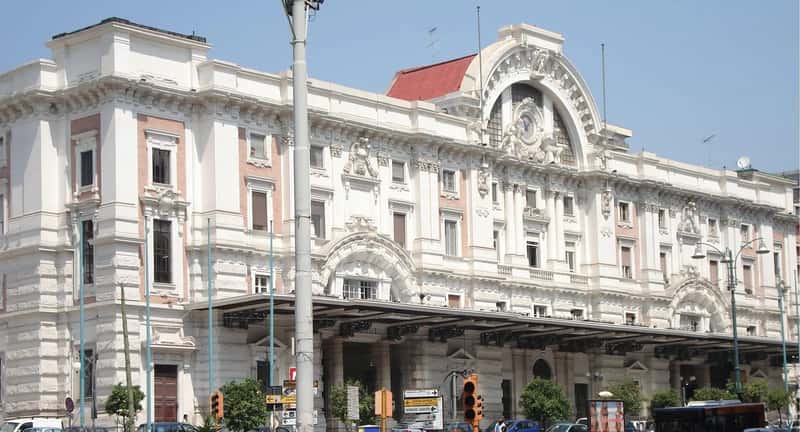
Naples has a reputation that precedes it, and the city’s own transit authority doesn’t shy away from acknowledging it. The screens in public transportation stations in Naples always warn people against pickpockets, and Naples is known for petty and sometimes not so petty crimes. The warnings aren’t decorative; they reflect a real pattern that shows up in traveler reports year after year.
Travelers are advised to keep their guard up on the Circumvesuviana train to and from Pompeii and Sorrento, Piazza Garibaldi, and Stazione Napoli Centrale, since there is a reputation for people getting pickpocketed shortly after buying train tickets. The moment right after a wallet goes back into a pocket, apparently, is exactly when a nearby thief tends to move. It’s a small detail, but it’s the kind of thing that separates a routine train trip from a ruined one.
5. Athens, Greece
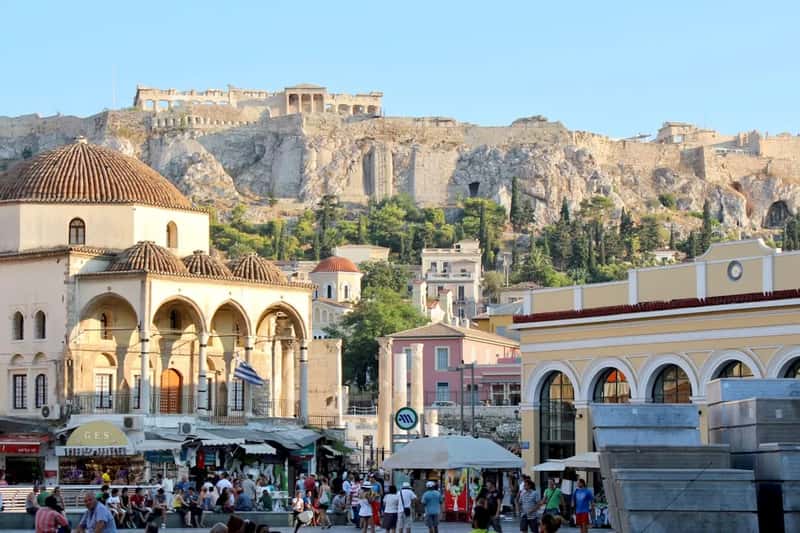
Athens sits lower on most overall crime rankings than its western European counterparts, yet pickpocketing has become more visible in a handful of specific pockets. Athens has emerged as a growing pickpocket hotspot, particularly around the Monastiraki flea market, the Athens metro, and the Plaka district below the Acropolis, with the Syntagma Square metro station seeing regular reports of theft. Organized groups, rather than lone opportunists, appear to be behind much of the recent activity.
Context matters here, and it’s worth keeping in mind before writing Athens off entirely. The Greek capital records roughly eight times fewer theft reports than Paris, which suggests the risk is real but far from the worst on this list. Still, the narrow, crowded streets around the tourist center make policing difficult, and authorities have responded mainly by increasing visible patrols rather than solving the underlying geography.
6. Prague, Czech Republic

Prague’s reputation as one of Europe’s safer capitals holds up when it comes to violent crime, but pickpocketing is a genuine exception. Prague’s compact tourist center means that millions of visitors are concentrated in a small area, and that density has kept the city near the top of recent comparative rankings, with Prague ranking third on the list, with 6.51 combined mentions for scams and pickpockets per 1,000 reviews. Charles Bridge, in particular, comes up in nearly every local safety guide.
Charles Bridge is the single most common spot, since the bridge is narrow, the crowds are dense, especially in summer between 10 AM and 6 PM, and the combination of people stopping to photograph statues while being pressed from both sides creates ideal conditions. Old Town Square and the tram lines feeding into it round out the areas worth extra attention. The good news, if there is any, is that Prague’s overall crime index remains lower than Paris or Barcelona, so the risk is narrow but predictable.
7. Lisbon, Portugal
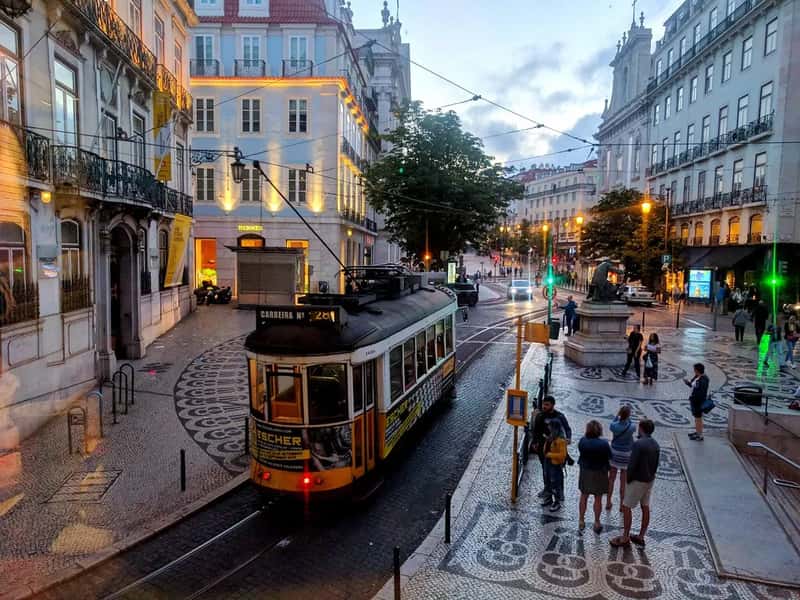
Lisbon’s rise as a tourist destination has brought a corresponding rise in pickpocketing, and one specific attraction has become almost synonymous with the problem. Lisbon ranks among Europe’s safest capitals for violent crime, but pickpocketing has surged on tourist-heavy trams and metro lines since the 2024 cruise traffic boom. Tram 28, the vintage yellow line that loops through nearly every postcard neighborhood, sits at the center of it.
Tram 28E is Lisbon’s iconic yellow tram and the single highest-risk tourist environment in the city, and it is also the most-pickpocketed transit line in Portugal. Numerous traveler accounts describe thieves working in pairs, jostling passengers during boarding, and using the narrow, crowded cars to their advantage. Rossio Square and the historic Baixa and Alfama districts also see repeated reports, particularly around street vendors offering unsolicited “help” or souvenirs.
8. Buenos Aires, Argentina
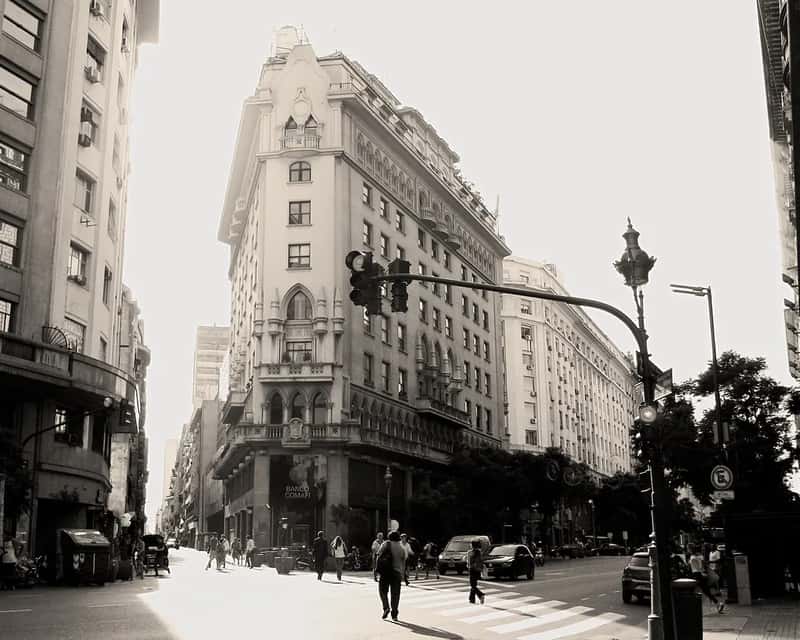
Buenos Aires draws millions of visitors for its architecture and nightlife, and pickpocketing has become the crime tourists are most likely to actually encounter there. Pickpocketing is one of the biggest safety concerns in Buenos Aires, and the risk is high, particularly in tourist-heavy areas, with busy streets, public transport, markets, and pedestrian zones acting as common hotspots where thieves often work in teams and use distraction tactics. Calle Florida, a pedestrian shopping street packed with visitors, shows up repeatedly in local safety reports.
One distraction technique in particular has become well known enough to make it into official government advisories. One common distraction technique is the mustard scam, where someone spills mustard or some other substance on a victim, then robs them while pretending to help clean up, and it is common enough that the UK government includes it in its travel advice for Buenos Aires. Neighborhoods like Palermo, Recoleta, and Puerto Madero remain comparatively calm, while areas around bus terminals and train stations warrant more caution.
9. Bangkok, Thailand
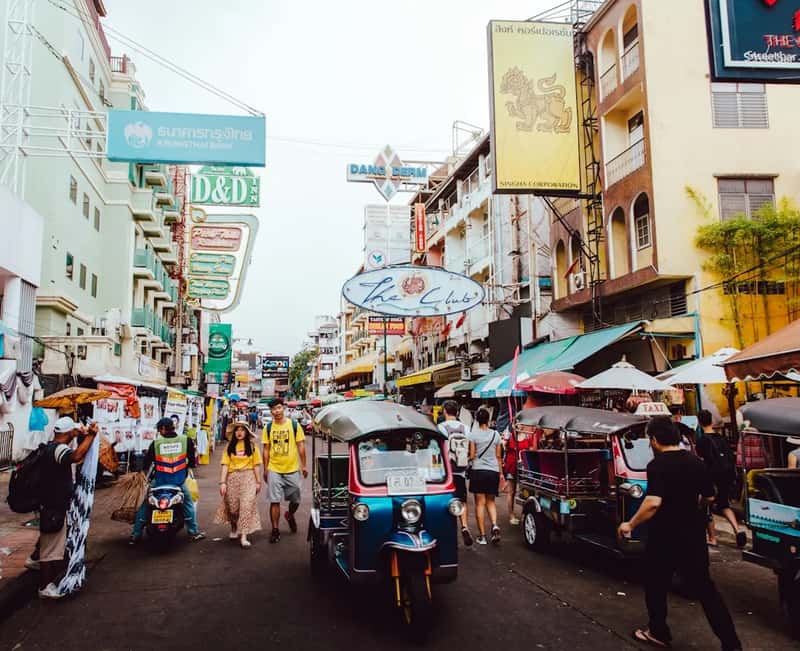
Bangkok tops several recent global rankings, not just for pickpocketing but for the broader mix of theft and scams that visitors report. Bangkok takes the top spot with a total score of 83.45 and 9.82 theft or scam mentions per 1,000 reviews, with the Grand Palace flagged as the single most frequently cited attraction in the world for these incidents. That’s a striking figure, especially given how many major cities were included in the comparison.
Scams are more common than physical theft in Bangkok, particularly those involving overcharging or helpful strangers offering unsolicited tours, though pickpocketing does occur in dense crowds around temples and markets. The pattern tends to follow tourist foot traffic closely, meaning the busiest attractions carry the highest risk simply because that’s where the crowds and the distraction opportunities concentrate.
10. New York City, USA
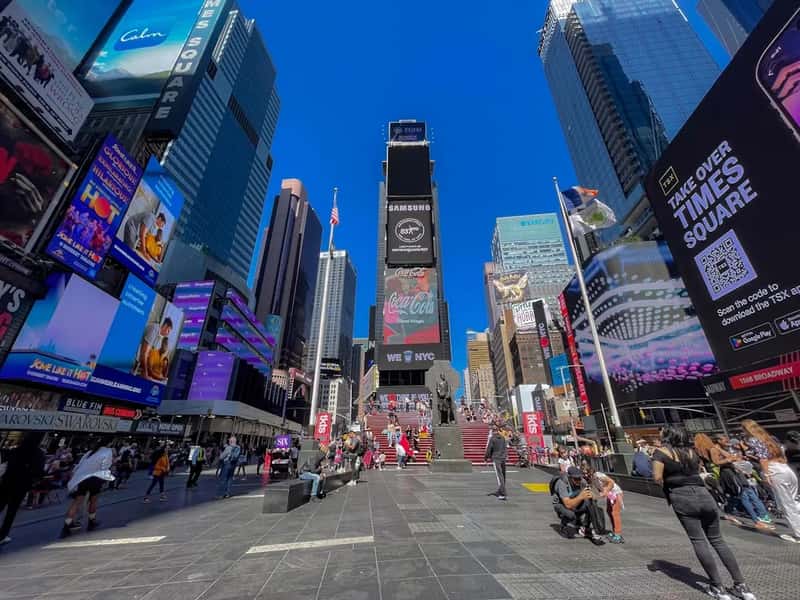
New York City lands high on multiple 2025 and 2026 rankings, and its size and tourist volume make it an outlier compared to most European entries on this list. New York City sits in third place on the pickpocketing hotspot index, and given that it’s one of the biggest tourist destinations in the USA, it comes as no surprise that it’s also a hotspot for crime. Scams, more than outright pickpocketing, appear to worry visitors most.
While New York City has a rating of 49.68 out of 100 for worries about being mugged or robbed, international tourists seem more concerned with scams, with the scam keyword recording the second highest mentions in the index, and stolen belongings still showing the fourth highest keyword mentions. Times Square, subway platforms during rush hour, and crowded holiday markets are the settings most often mentioned in traveler reports. As with most cities on this list, the risk is manageable with basic precautions, but it’s persistent enough that local tourism boards and police departments continue to issue seasonal reminders.
Across all ten destinations, the underlying pattern repeats itself with almost boring consistency: dense crowds, a moment of distraction, and a thief who has done this hundreds of times before. None of these cities are unsafe in any broad sense, and most travelers move through them without incident. Still, the data suggests that awareness, not luck, is what actually separates a smooth trip from an expensive lesson.