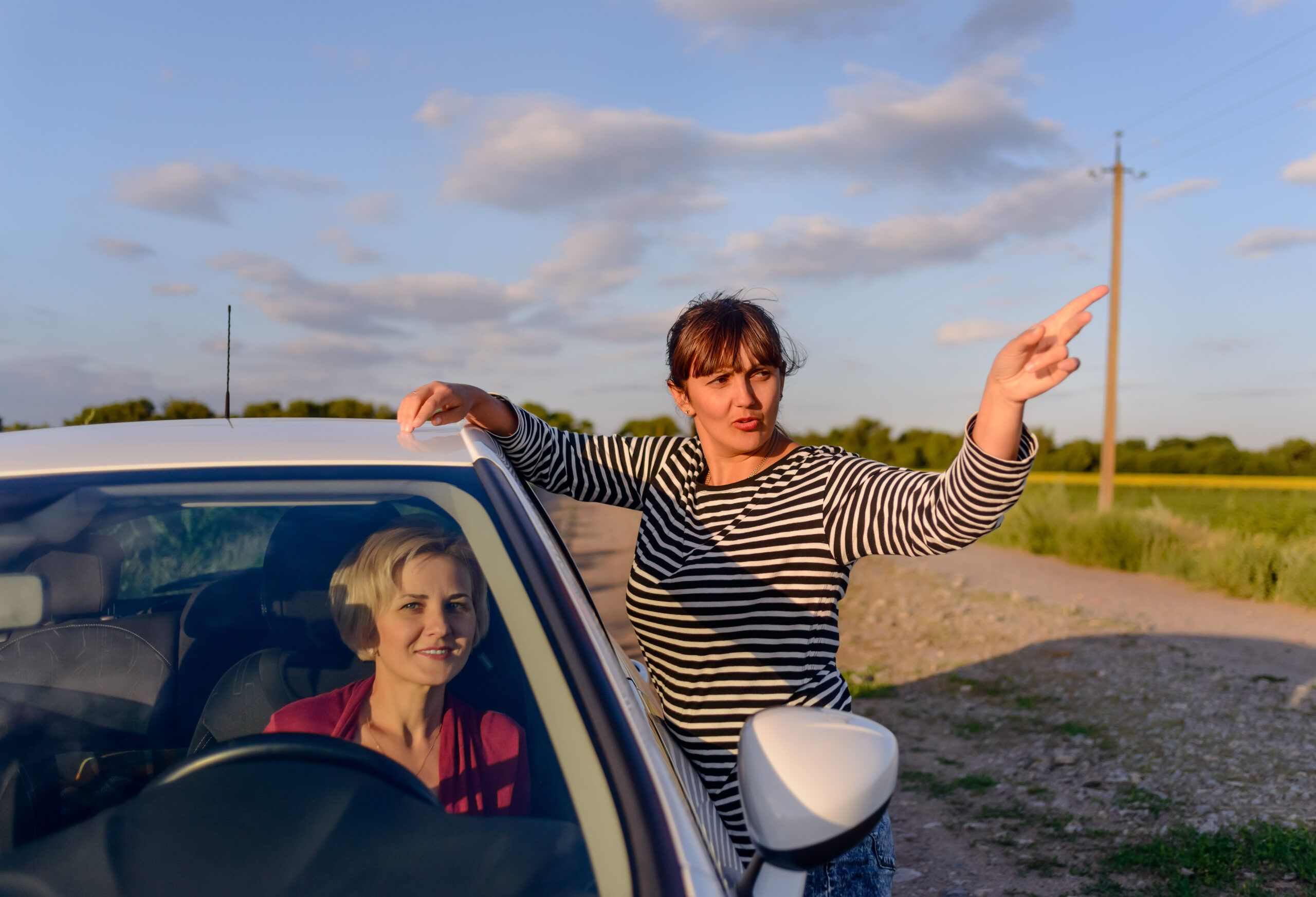
Anyone who has driven off a highway exit into a town with one traffic light knows the feeling. Suddenly the rules seem different, though nobody actually posted new rules anywhere. Small towns run on a rhythm that city visitors often mistake for confusion, when really it is just a different kind of order.
Understanding these habits does more than prevent awkward moments at the gas station. It helps travelers blend in, get better service, and avoid the slightly puzzled looks that come from breaking an unwritten local code.
1. Waving at every car that passes on a rural road

In small towns, drivers often lift a hand or two fingers off the wheel to greet oncoming cars, even complete strangers. This is not flirting or road rage in reverse. It is simply a low effort acknowledgment that another human being exists on a road that might see fewer than a few dozen vehicles a day.
City dwellers accustomed to anonymous traffic often freeze or wave back awkwardly, unsure if they know the person. Locals do not expect recognition, only reciprocation. Skipping the wave rarely causes offense, but returning it tends to open doors socially in ways a city commute never could.
2. Leaving cars unlocked and keys in the ignition
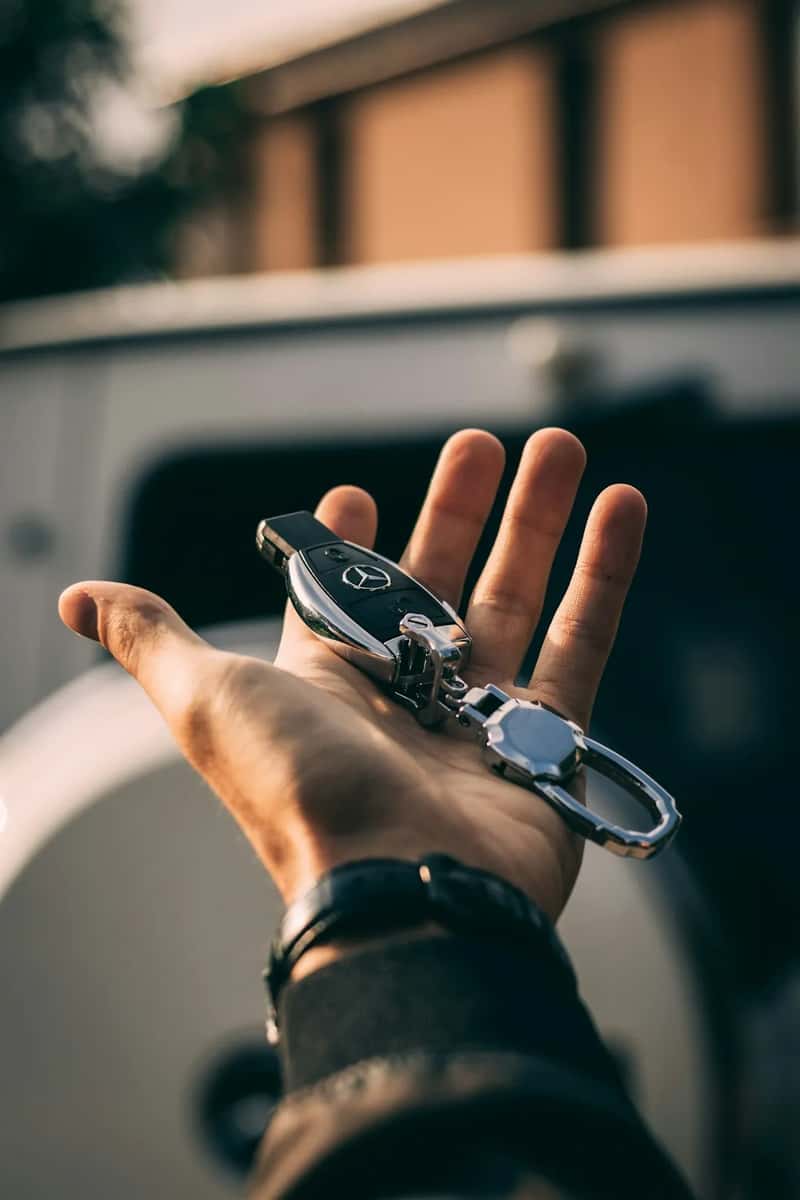
In many small towns, particularly in the rural Midwest and parts of the South, leaving a car unlocked in a driveway or even at a shop is common practice. Some residents leave keys in the ignition overnight, treating car theft as a distant, mostly urban concern rather than a daily risk.
Visitors from cities, where car break ins and gray market resale rings make headlines regularly, often find this unsettling. Insurance data consistently shows lower vehicle theft rates in rural counties compared to metro areas, which reinforces the local sense of safety. Still, it can look like carelessness to someone used to double checking their locks from a block away.
3. Chatting extensively with cashiers and gas station clerks

A simple errand in a small town can turn into a ten minute conversation about weather, crops, or a shared acquaintance three towns over. Cashiers and clerks are often lifelong residents who know regular customers by name, and pleasantries are treated as part of the transaction, not an interruption of it.
City visitors accustomed to fast, transactional checkouts sometimes grow impatient or assume something is wrong when a line moves slowly because of conversation. Locals see it differently. The interaction is the point, not an obstacle to getting through it.
4. Giving directions using landmarks instead of street names
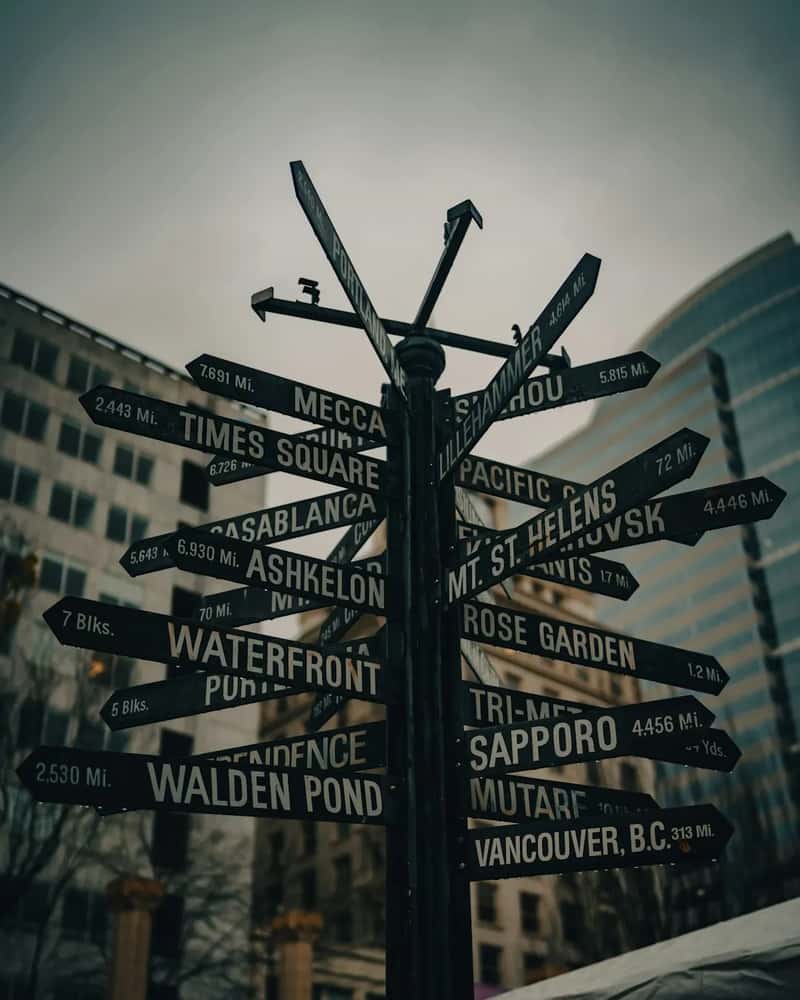
Ask for directions in a small town and there is a good chance the answer involves a phrase like turn left at the old feed store or go past where the church used to be. Many rural roads either lack clear signage or were never formally renamed after decades of being known informally.
This drives GPS reliant city travelers a little crazy, especially when the landmark referenced no longer physically exists. Locals navigate by memory and shared history rather than official markers, which works fine for people who have lived there their whole lives but leaves outsiders staring at their phones for a signal that often is not there.
5. Showing up without reservations at restaurants

In small towns, walking into a diner or steakhouse without a reservation is standard, even on weekend evenings. Most small town restaurants operate well under the seating capacity that would require booking ahead, and staff usually know which regulars to expect anyway.
City dwellers, trained by apps and long waitlists at popular restaurants, sometimes call ahead only to confuse the staff, who may not even have a formal reservation system. This habit reflects a slower pace of dining culture, where turnover pressure and demand rarely require the same logistics that busy urban restaurants depend on nightly.
6. Parking wherever is convenient, not where marked
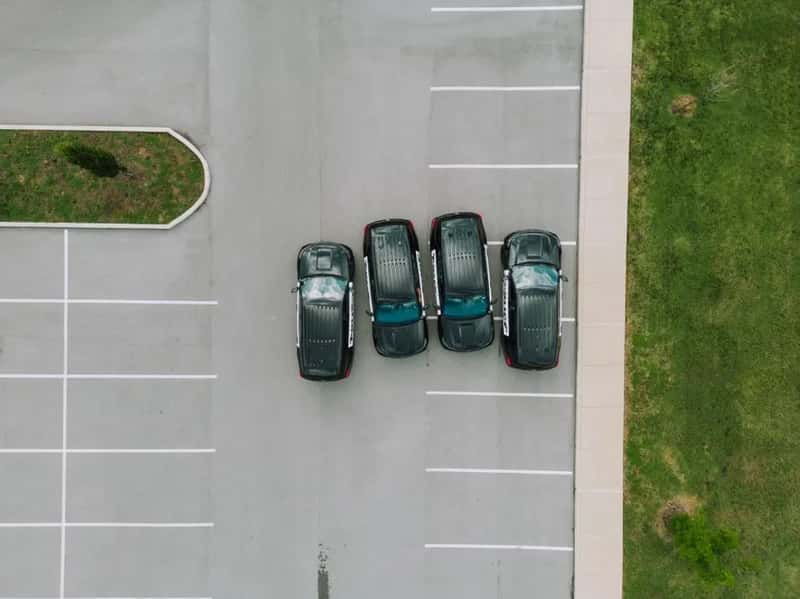
Small town parking often follows loose, informal norms rather than strict enforcement. Cars might sit at odd angles along Main Street, half on the grass outside a hardware store, or double parked briefly while someone runs inside for a quick errand.
Enforcement is typically minimal because meter revenue rarely justifies the staffing, and locals tend to self regulate through community familiarity rather than tickets. Visitors from cities, where parking violations mean immediate towing or steep fines, often hesitate before following suit, unsure whether the same casual approach applies to them too.
7. Leaving doors unlocked at home during the day

Many small town residents leave front doors unlocked while running errands or working outside, a habit that would seem unthinkable to someone raised in a large city. Crime statistics from smaller municipalities generally show lower burglary rates than metro regions, partly due to closer community oversight where neighbors notice unfamiliar vehicles or activity.
City based travelers renting homes or staying with relatives in small towns sometimes double check locks out of habit, occasionally to the mild amusement of hosts. The difference is not naivety so much as decades of lived experience showing that the risk calculus is genuinely different outside dense urban environments.
8. Stopping to help stranded drivers on the side of the road
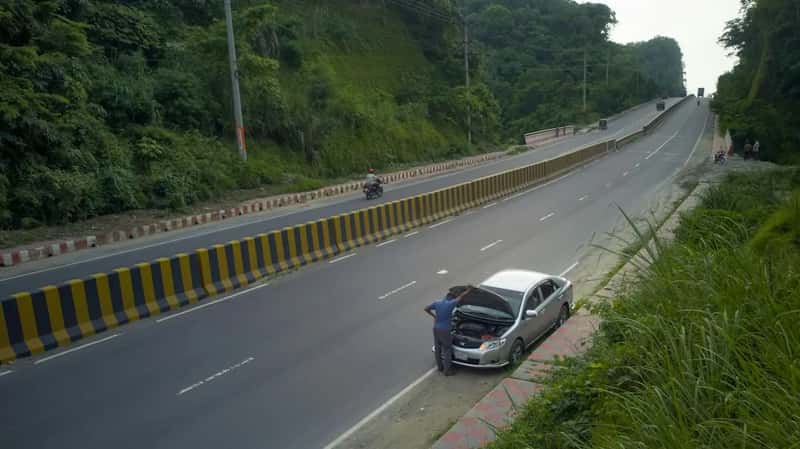
In small towns, seeing a car pulled over is often treated as an automatic cue to stop and ask if help is needed, even by complete strangers. This reflects both lower traffic volume, which makes stopping safer, and tighter social fabric, where drivers are more likely to know someone connected to the stranded person.
City dwellers tend to keep driving, partly due to safety training around highway shoulders and partly because roadside assistance apps have replaced informal help. When city travelers experience this hospitality firsthand in rural areas, it often stands out as one of the more memorable parts of the trip, precisely because it defies their usual expectations.
9. Dressing casually for almost every occasion

Small town dress codes tend to be relaxed across settings that might call for more formal attire elsewhere, including some restaurants, community events, and even certain religious services. Jeans, work boots, and ball caps are broadly accepted, and dressing up too much can occasionally draw more attention than dressing down.
Visitors coming from cities with more visible fashion consciousness sometimes overdress for casual small town settings, or worry they are underdressed when everyone else is in comfortable, practical clothing. The local approach favors function and comfort over presentation, a difference rooted in different social expectations rather than a lack of style.
10. Running errands and shopping earlier in the day

In small towns, especially in agricultural regions, daily rhythms often start earlier, with stores, diners, and shops seeing peak activity in the morning rather than evening. Many businesses close by early evening entirely, following a pace historically tied to farming schedules and family dinner routines.
City travelers used to nightlife, late dinners, and stores open until nine or ten often get caught off guard when a shop shutters at five or six in a small town. Adjusting to this earlier tempo is usually one of the quickest lessons visitors learn, often after finding a closed sign where they expected an open one.
Small towns operate on habits shaped by history, safety, and community closeness rather than randomness or carelessness. What looks unusual to a city traveler is often just a different, well tested way of getting through an ordinary day.