Arizona still lands near the top of every retirement destination list, and it’s easy to see why. Warm winters, wide open skies, and a tax code that leaves Social Security checks untouched make the pitch almost irresistible from a distance. Yet talk to people who’ve actually lived through a full year there, not just a January vacation, and a different story starts to surface.
1. Summer heat that goes far beyond “warm and dry”
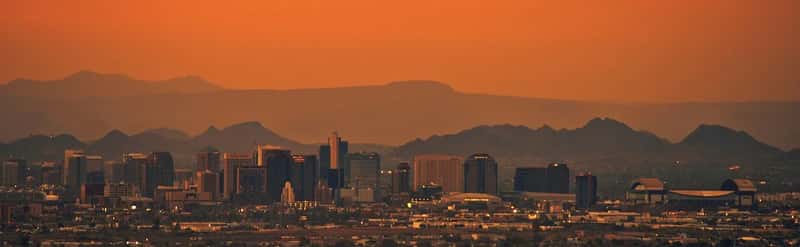
Retirees often picture Arizona’s climate as pleasant and sunny, but summer there operates on a different scale entirely. Phoenix hit 100 degrees for a record 113 days in 2024, making it the city’s hottest summer since recordkeeping began in 1896.[1] That kind of heat doesn’t just make golf inconvenient, it reshapes daily life for months at a time.
For retirees who imagined an active, outdoor lifestyle, the extreme heat can come as a shock and force them indoors far more than expected.[2] Arizona is one of the hottest places on earth from May to September,[3] and newcomers who move based on a winter visit often aren’t prepared for what the other half of the year actually feels like.
2. Utility bills and uncovered home repairs add up fast

Running an air conditioner nonstop for months isn’t cheap, and it catches a lot of transplants off guard. The climate can lead to sky-high electric bills in the hot months to pay for all that air conditioning.[4] One Phoenix-area retiree in a 55-plus community reported paying $359 for electricity in a single month, and for people on fixed incomes, that kind of bill forces real tradeoffs.
What makes it worse is that many retirees assume standard homeowner’s insurance will cover a broken AC unit during a heat wave. If your air conditioner stops working, your homeowner’s insurance won’t cover it, and the same goes for plumbing, electrical issues, and appliances.[2] That gap between expectation and reality tends to surface at the worst possible moment, usually during the hottest week of the year.
3. Water scarcity that clouds the long-term picture
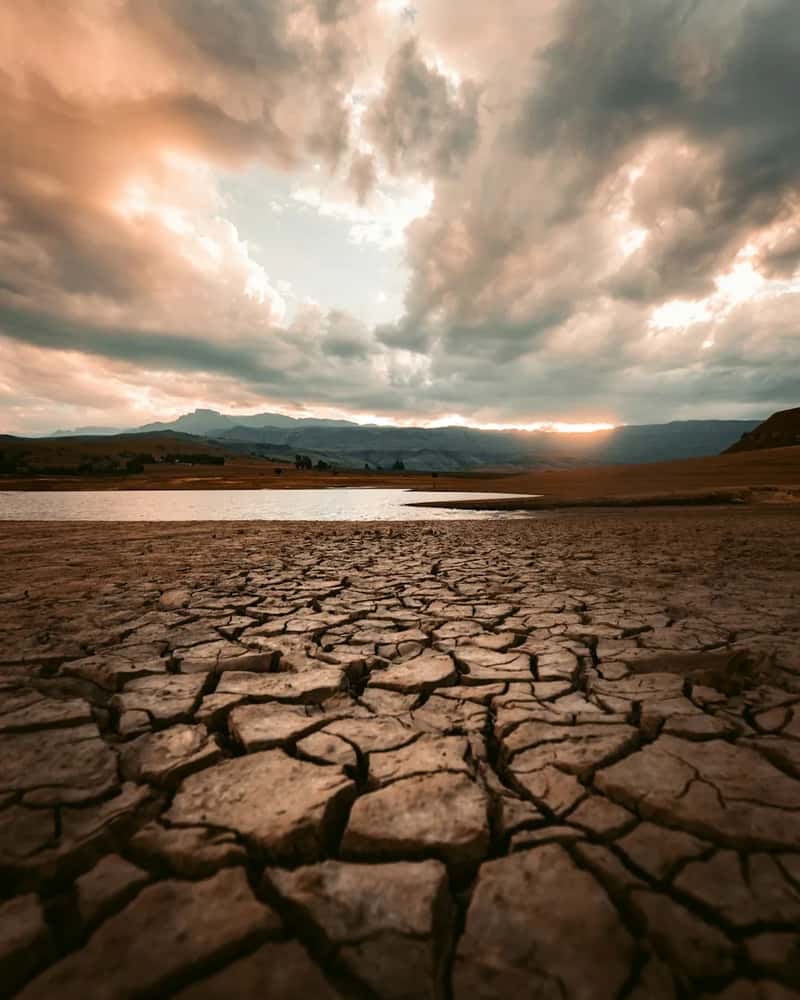
Arizona’s desert setting is part of its appeal, but it also means water is a finite and shrinking resource. The Colorado River, which supplies about 36% of Arizona’s water, has seen reduced allocations due to multi-year drought across the western United States.[5] In 2026 alone, the state is losing a significant chunk of its river allocation, a detail that doesn’t show up in retirement brochures.
Water availability is an ongoing concern in Arizona due to its desert climate and reliance on limited water sources, and uncertain long-term sustainability can make some retirees uneasy about settling there permanently.[2] Even golf courses, one of the state’s signature retirement amenities, face pressure as developers struggle to prove long-term water supply for new projects.
4. Housing costs that no longer match the “affordable desert” reputation

Arizona built its reputation partly on being cheaper than California or the Northeast, but that gap has narrowed considerably. While Arizona has a reputation for affordability, that doesn’t always hold true in high-demand retirement areas, and housing in desirable locales like Scottsdale or Phoenix is becoming inaccessible.[2] Median prices in Scottsdale now regularly top a million dollars, a figure that would have seemed absurd to retirees who moved there a decade ago.
Rentals aren’t immune either. Seasonal demand from snowbirds pushes prices even higher during peak months, and retirees who arrive expecting bargain real estate often find themselves recalculating their entire budget within the first year.
5. Traffic that keeps getting heavier
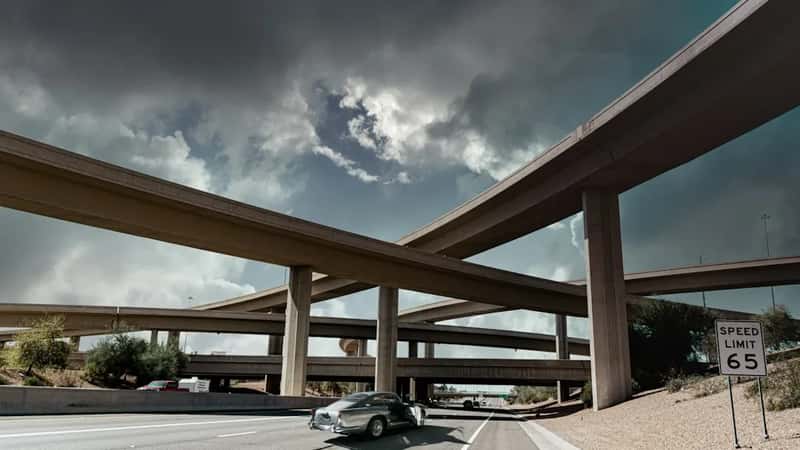
Retirees frequently picture quiet desert roads, not gridlock, but rapid population growth has changed that equation. Retirees expected slow drives under the sun, not daily gridlock, and congestion is now one of the most common complaints, especially among those who remember a quieter Arizona.[6] Phoenix and its surrounding suburbs have absorbed enormous growth, and the infrastructure hasn’t always kept pace.
The frustration isn’t just about longer commutes. It’s the sense that the slow, easygoing version of Arizona many retirees signed up for has quietly become something closer to a busy metro area, minus the transit options that usually come with that kind of growth.
6. Valley Fever, a health risk few people research beforehand
This one catches almost everyone by surprise. Arizona reported nearly 15,000 valley fever cases in 2024, a record-breaking year, and more than half of all valley fever cases in the country occur in Arizona.[7] The disease is caused by fungal spores in the soil, meaning simple yard work or a dusty afternoon walk can be enough exposure.
Rates are highest among people 60 years and older,[8] which puts retirees squarely in the highest-risk group. It’s rarely mentioned in retirement guides, yet it’s become one of the more concrete health tradeoffs of desert living.
7. Dust storms, monsoons, and unpredictable severe weather
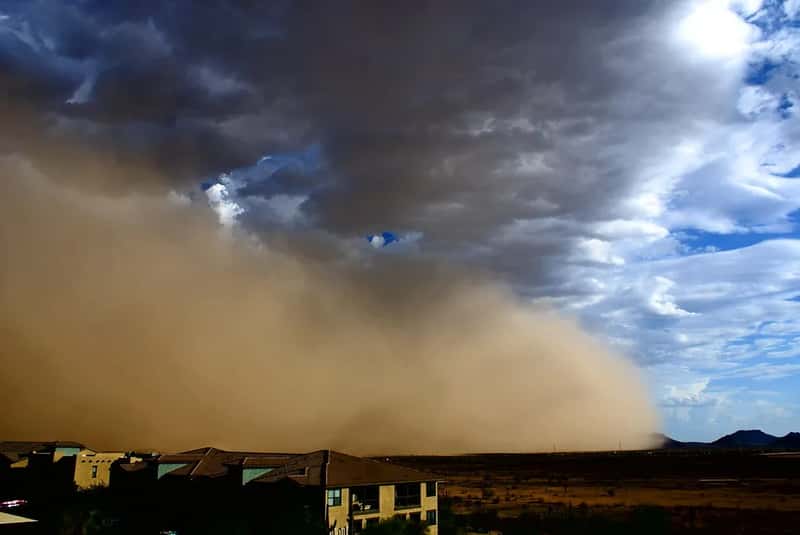
Arizona’s climate isn’t uniformly calm and dry the way outsiders imagine. Arizona also experiences intense dust storms called haboobs and monsoon seasons that can bring heavy rain, strong winds, and reduced visibility, and these sudden weather events can be unsettling for retirees who expected a more predictable, mild climate.[2] Monsoon season arrives with little warning and can knock out power or flood roads within minutes.
Monsoon season brings additional hazards, including dust storms that trigger respiratory problems and allergies in many seniors.[9] For retirees managing asthma or other lung conditions, this seasonal pattern becomes a recurring source of discomfort rather than a rare weather event.
8. Wildlife that takes some getting used to
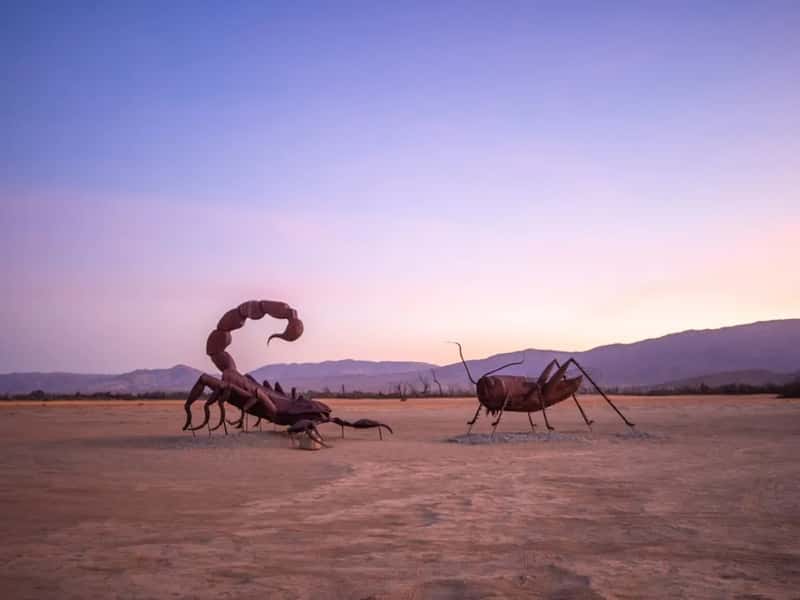
Desert living comes with desert neighbors, and not everyone adjusts easily. One retiree who left the state after fifteen years described a summer stretch marked by “skin cancer, ridiculous electric bills, absurd traffic, scorpions, poisonous snakes and Valley Fever.”[10] It’s an unusually candid list, but it captures a pattern that shows up repeatedly in retiree accounts.
Scorpions in particular tend to surprise transplants from other regions, since they can turn up indoors, in garages, or near pools. It’s a manageable nuisance for most people once they learn the routine, but it’s rarely something anyone mentions during the house-hunting trip.
9. Healthcare access that varies more than expected

Arizona’s healthcare system looks solid on paper, especially in and around Phoenix, but that consistency doesn’t extend everywhere. Access to quality healthcare isn’t consistent across the state, and some areas, particularly more rural regions, may have fewer providers or longer wait times, which can be a significant drawback for retirees who prioritize proximity to top-tier medical care.[2] Rapid growth has stretched some facilities thin even in bigger cities.
Arizona’s healthcare facilities, especially in fast-growing regions, are struggling to keep up with demand, and long waits and packed clinics have become common, a growing concern in a state once promoted as “retiree-friendly.”[6] For retirees who need frequent specialist visits, that shift matters more than almost anything else on this list.
10. Limited public transportation once driving becomes difficult

Arizona’s suburbs and smaller cities were built around cars, not sidewalks or bus routes, and that design choice becomes a real problem as retirees age. Outside big cities, public transit is limited or non-existent, leaving many isolated or dependent on others, and as retirees age, that lack of mobility becomes a major challenge.[6] Independence, the very thing many retirees moved for, can start slipping away.
AARP’s 2025 livability index ranks Arizona below average for senior transportation access,[6] which confirms what many retirees discover firsthand. Losing the ability to drive in a state built around highways and strip malls can feel far more isolating than it would in a walkable Northeastern town.
11. Seasonal crowding from snowbirds
Arizona doesn’t just attract permanent retirees, it also draws hundreds of thousands of seasonal residents every winter, and full-timers feel that shift each year. The state welcomes over 300,000 seasonal residents annually, many of whom purchase homes or condos in the Scottsdale, Mesa, Chandler, and Gilbert areas.[11] Restaurants get busier, wait times climb, and quiet neighborhoods suddenly feel crowded from roughly November through April.
Resident retirees often complain about their favorite spots getting flooded with people, contributing to longer wait times and even surge pricing, as a surging population crowds a once sparsely populated retreat.[12] For retirees who chose Arizona expecting a slower pace of life, that annual influx can feel like living in a vacation town rather than a permanent home.
None of this means Arizona is a poor choice for everyone considering retirement there. It simply means the state’s sunny reputation doesn’t always match daily reality once the golden years actually begin, and the retirees who end up disappointed are usually the ones who judged Arizona by a winter visit rather than a full calendar year on the ground.