Walking to your car late at night, hearing footsteps behind you in a parking garage, or watching someone approach your front door unexpectedly. These moments trigger a primal fear that goes beyond statistics. Across America, millions of people live with a heightened sense of vulnerability about theft and violence, and it turns out geography plays a bigger role than you might think.
While crime rates have actually been dropping in many parts of the country over recent years, perception doesn’t always match reality. Some states face a genuine struggle with robbery and property crime, creating an atmosphere where residents constantly worry about their safety and possessions. Let’s explore which states keep their residents looking over their shoulders the most.
New Mexico: The Land of Enchantment’s Dark Shadow

New Mexico ranks first nationally for both violent and property crime, with a violent crime rate of 749 per 100,000 that sits 106 percent above the national average and a property crime rate of 2,888 per 100,000 that exceeds national figures by 51 percent. Nearly half of New Mexicans reported personally experiencing a property crime in recent surveys, the highest percentage in the nation, and more than seven in ten worry about property crime daily. Fewer than three in ten survey respondents say they feel safe calling New Mexico home.
The state’s high crime rate stems from socioeconomic challenges, including one of the highest poverty rates in the nation, with many residents lacking access to quality education and stable employment. This creates conditions where fear becomes a daily companion rather than an occasional worry.
Louisiana: Where Southern Charm Meets Serious Concern

Louisiana has the highest murder rate at 14.4 murders per 100,000 people, significantly above the national average, with economic challenges and historical crime patterns contributing to this elevated rate. Property crimes constitute roughly 88 percent of all reported criminal offenses in the state, including burglary, larceny, and motor vehicle theft. The combination of violent and property crime creates an environment where residents feel constantly vulnerable.
Louisiana’s robbery rate in 2024 stood at 0.67 per 1,000 residents, including incidents of armed robbery, which pose significant dangers to victims. This isn’t just about numbers on a page. It’s about real people changing their daily routines, avoiding certain neighborhoods, and installing extra locks on their doors.
Alaska: Isolated and Anxious

Alaska had the highest violent crime rate of any state in 2024, at 724.1 incidents per 100,000 residents. The state’s unique challenges include geographic isolation, harsh weather conditions limiting law enforcement response times, and rural communities with minimal security infrastructure. When help might be hours away on snow-covered roads, fear takes on a different dimension entirely.
Alaska’s violent crime rate is more than double that of the Pacific region and is the highest of all 50 states, yet Alaskans’ low concern about violent crime appears out of sync with the actual amount of violent crime happening. This disconnect between reality and perception makes Alaska a fascinating case study in how people respond to danger in their midst.
Arkansas: The Natural State’s Unnatural Fear
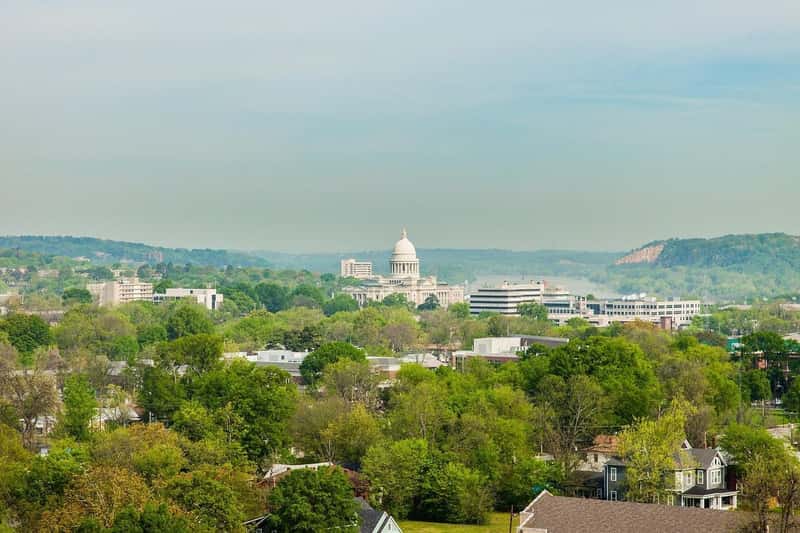
Arkansas has the fourth-highest rate for violent crimes in the nation, with a violent crime rate of 620 per 100,000, about 70 percent over the national average, and property crimes are 16 percent above the national average at 2,229 per 100,000. Arkansas is fairly dangerous compared to most other US states, with a violent crime rate 68 percent higher than the national average, making it one of the most dangerous states in America.
Criminology experts note that crime is often higher in lower-income areas, with economic disparity always being a correlating factor to crime, along with education levels. The fear residents feel isn’t irrational but grounded in their lived experiences.
Tennessee: Music City’s Discordant Notes

Tennessee reports 622 violent crimes per 100,000 residents, with Memphis being a particular hotspot, and the state has experienced a 23 percent surge in burglaries and a 13 percent increase in vehicle theft. Increases in property crimes were driven by the number of reported burglaries in Memphis and Shelby County, with Memphis seeing an increase of 23 percent and the county as a whole experiencing nearly a 12 percent increase.
The state’s reputation for hospitality contrasts sharply with residents’ growing anxiety about theft and robbery. Commercial security systems have become essential for businesses trying to protect themselves from escalating property crimes.
Maryland: The Free State With Unfree Worries

According to FBI UCR data from 2023, Maryland had the second-highest robbery crime rate per 100,000 residents at 130.67, following only the District of Columbia. Baltimore maintains its position as the nation’s leader in robbery rates, with crime challenges stemming from decades of economic decline, the opioid crisis, and systemic issues. Baltimore’s struggles cast a long shadow over the entire state’s crime perception.
The concentration of crime in urban areas doesn’t necessarily reflect the experience of rural Maryland residents, yet the state’s overall reputation affects how everyone feels about their safety. Package theft and car break-ins have become so common in some neighborhoods that people barely bother reporting them anymore.
Illinois: Prairie State Paranoia

Illinois saw a 30 percent jump in robberies in a single year, making it the third riskiest state for such crimes. This dramatic surge caught many residents off guard and heightened anxiety across the state. Chicago’s crime problems dominate headlines, but smaller cities and suburbs aren’t immune to similar concerns.
The state’s mix of urban density and economic challenges in certain areas creates pockets where robbery fears run especially high. Let’s be real, when your neighbors start talking about installing Ring doorbells and comparing home security systems at every block party, you know there’s a problem.
California: Golden State, Gilded Targets

California had the third-highest robbery crime rate per 100,000 residents at 127.65 in 2023, according to FBI data. Four of the five states with the highest robbery rates, including California, were among the ten costliest places to live. The correlation between the high cost of living and robbery rates isn’t coincidental. Where there’s wealth, there are those looking to take it.
From smash-and-grab robberies in San Francisco to carjackings in Los Angeles, California residents face a range of theft-related fears. The sheer size and population of the state mean these problems manifest differently across regions, but the underlying anxiety remains constant.
Washington: Emerald City’s Emerald-Eyed Thieves

New Mexico had the highest burglary rate in the United States in 2021, with 604 occurrences per 100,000 residents, followed by Washington with 563 incidents per 100,000 residents. Washington state appears among the five states with the highest robbery rates and was among the ten costliest places to live. Package theft has become so prevalent in Seattle that residents report it as one of their top daily concerns.
The combination of high property values, urban density, and visible homelessness issues in major cities creates a perfect storm for property crime fears. Even in quieter suburban areas, residents worry about becoming targets.
Colorado: Mile-High Anxiety
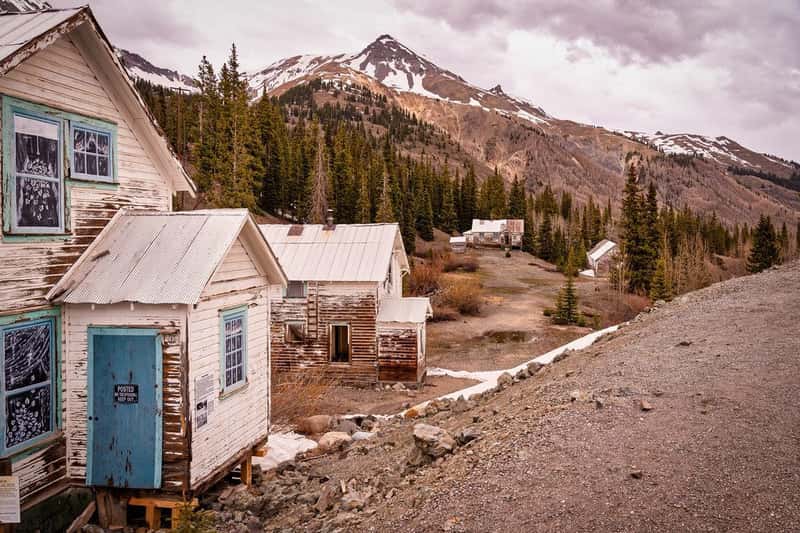
Colorado had the second-highest property crime rate at 2,592.8 crimes per 100,000 residents in 2024. The state’s scenic beauty and outdoor recreation opportunities attract millions of visitors, but they also create opportunities for theft. Cars parked at trailheads get broken into, vacation homes sit vulnerable, and urban areas like Denver deal with persistent property crime challenges.
Honestly, it’s hard to enjoy mountain views when you’re constantly checking over your shoulder or worrying about whether your car will be in one piece when you return from a hike. The fear factor diminishes quality of life in ways that don’t show up in tourism brochures.
Oregon: Pacific Northwest Predicaments

Oregon had the fourth-highest property crime rate at 2,388.0 crimes per 100,000 residents in 2024. Portland’s struggles with property crime have received national attention, with retail stores citing theft as a reason for closures in certain areas. The visible nature of some property crimes, particularly shoplifting and car break-ins, makes residents feel increasingly unsafe.
Oregon saw 941 shoplifting cases per 10,000 businesses, with Portland stores like Nike and REI citing theft as a reason for closures. When major retailers start pulling out of neighborhoods due to theft concerns, it sends a clear message to residents that their safety concerns are valid and perhaps even understated.
What strikes me most about this data is the gap between where crime happens and where people feel afraid. Americans tend to believe crime is up, even when official data shows it is down. Fear feeds on itself, creating cycles where perception shapes reality as much as actual crime rates do. The states with the strongest fears about robbery aren’t always those with the highest actual rates, but they’re places where crime touches enough lives to create a collective anxiety that permeates communities.