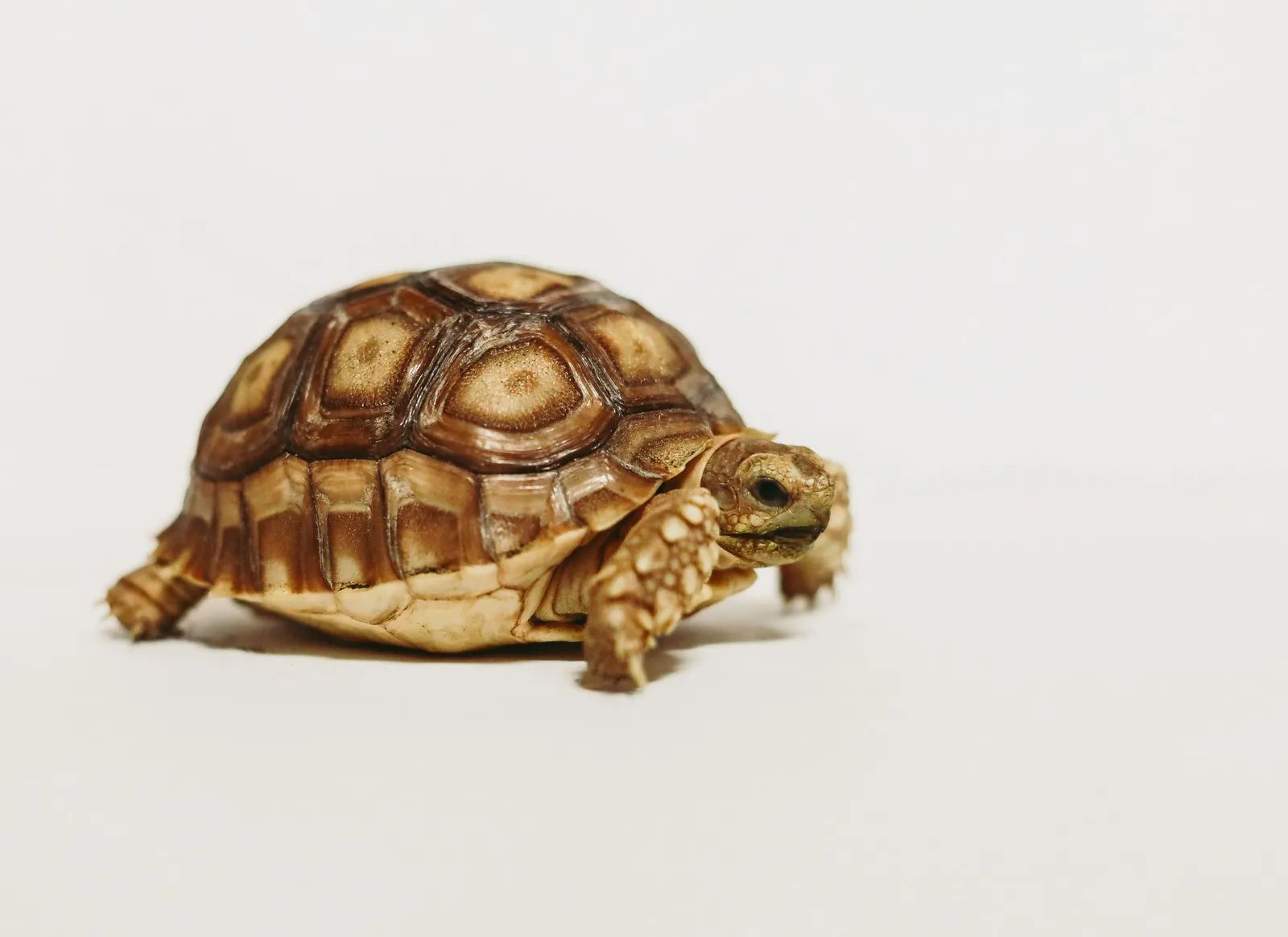
Mojave desert tortoises face mounting pressures from shifting climates and habitat loss, making every nonintrusive monitoring tool valuable for their survival. A recent study shows that handheld infrared thermal cameras can measure body temperatures in hatchlings as effectively as older, more invasive techniques. This approach reduces stress on the young animals while giving researchers clearer data on how temperature influences their development and resilience.
Traditional Checks Carried Hidden Costs
For years, scientists studying the endangered Mojave desert tortoise relied on direct contact to gather temperature readings. A probe inserted into the cloaca provided accurate data, yet the handling itself could disturb the tiny hatchlings and potentially affect their behavior or health. Reptiles depend entirely on external conditions to regulate body heat, so even brief interventions carry risks when populations are already vulnerable. Researchers recognized that repeated handling might compound the very stressors they aimed to understand, including those tied to rising temperatures and changing environments.
Thermal Imaging Matches Older Results
The new paper in Conservation Physiology tested whether infrared cameras could deliver comparable readings without any physical contact. Handheld devices captured surface temperatures from a short distance, and the results aligned closely with probe measurements across multiple trials. Because the cameras require no touching, they allow repeated observations with far less disruption to the animals. The method proved reliable enough to serve as a practical alternative in field conditions where minimizing stress is a priority.
Temperature Shapes Survival and Sex
Body temperature in these ectotherms influences critical processes such as metabolism, activity levels, and even sex determination during incubation. Warmer nests tend to produce more females, while cooler conditions favor males, a pattern that could shift under climate change. Accurate, low-stress temperature data therefore helps scientists track how environmental changes might alter population structures over time. The infrared approach supports longer-term studies without adding handling pressure that could skew natural responses.
What Matters Now
Noninvasive tools like thermal cameras expand options for monitoring sensitive species. They complement existing conservation efforts by providing frequent, low-impact observations that traditional methods could not sustain at scale. ([1])
Continued testing will clarify how well the technique performs across different ages, habitats, and weather conditions. For now, the findings point to a practical step forward in studying one of the Southwest’s most iconic reptiles while keeping disturbance to a minimum.