
Every summer, the same dozen European destinations show up in everyone’s camera roll. Dubrovnik’s walls, Santorini’s blue domes, Hallstatt’s lake reflection, you’ve seen them a thousand times before you ever book a flight. Somewhere between the crowds and the ticket lines, a lot of travelers start wondering if there’s anything left to actually discover.
There is. Scattered across the continent are small towns that still function the way towns are supposed to, with markets for locals rather than souvenir stalls, and squares where you can actually sit down. None of these places are secret exactly, but none of them have been flattened into a single photogenic angle either. Here are twelve worth planning a trip around before word spreads any further.
1. Trebinje, Bosnia and Herzegovina
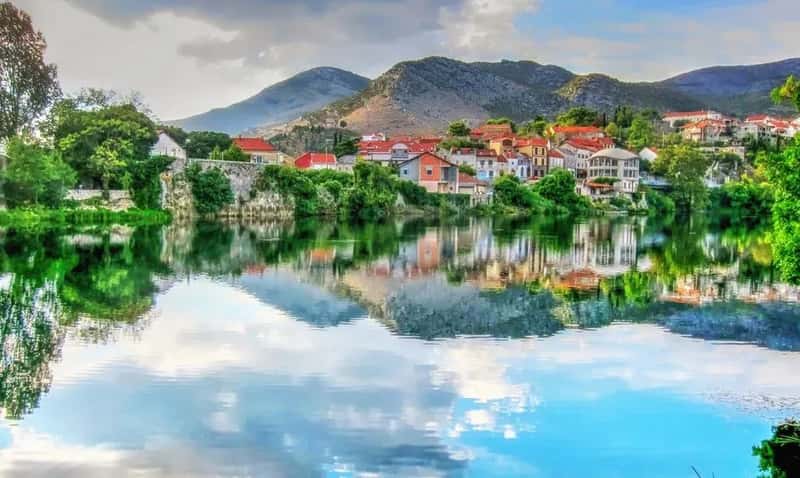
Trebinje sits just over the border from Dubrovnik, close enough for a day trip yet far enough removed from the cruise ship crowds to feel like a different world entirely. This southern Bosnian city sits quietly along the Trebišnjica River, with Ottoman-era stone bridges and plane tree-lined streets, while Dubrovnik gets crushed by cruise ship crowds just 30 kilometers away. The Old Town, known locally as Kastel, still moves at its own pace.
It’s a cute, quaint little city of around 30,000 people with virtually no foreign tourism, for now. Visitors can wander the Arslanagić Bridge, sip coffee under century old plane trees on Platanus Square, and climb to the Hercegovačka Gračanica monastery for sweeping views over the red rooftops. The wider Herzegovina region is home to some of the most underrated wines in Europe, including the native Žilavka white and Vranac red.
2. Ptuj, Slovenia
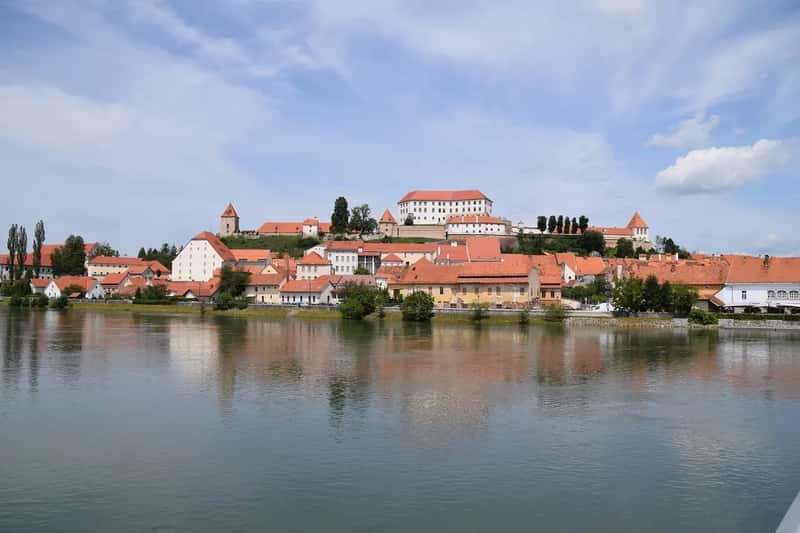
Set on the Drava river, Ptuj is the oldest town in Slovenia and one of the oldest in whole Europe, with a population of about 18,000, making it the eighth largest city in the country. A medieval castle looks down over pastel colored streets, and the town’s wine cellars stretch back centuries beneath the old center.
The pull here isn’t a single landmark but the layering of eras. You can literally walk from a 9th-century church to 13th-century Gothic architecture to Renaissance buildings to contemporary art galleries, all within a few hundred meters, with the Roman street plan still visible in the Old Town layout. Come in February and you’ll catch Kurentovanje, a shaggy, fur-clad carnival tradition that has nothing to do with tourism marketing and everything to do with chasing off winter.
3. Telč, Czech Republic
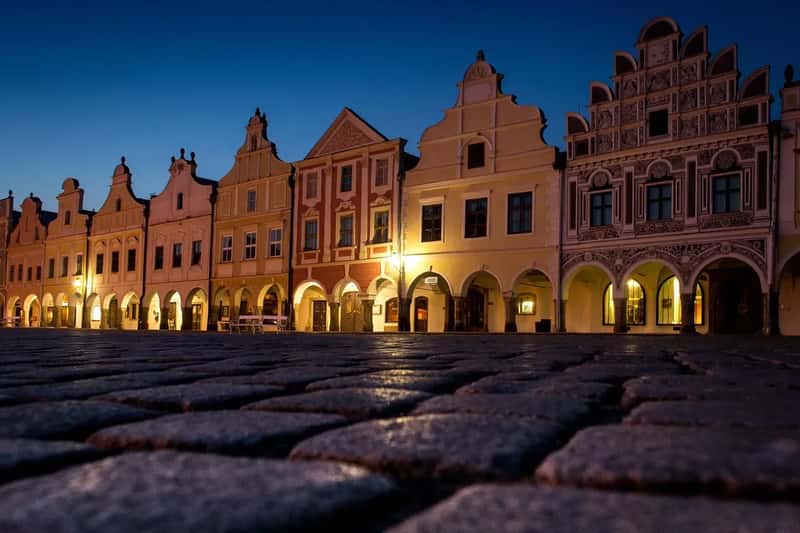
Telč gets a fraction of the attention that Prague or Český Krumlov attract, despite sitting on the UNESCO World Heritage list since the early nineties. It would be hard to imagine a more fairytale-like little town, with a square that looks like it has come straight from the stories of Hans Christian Andersen, a romantic chateau, and crystal clear fishponds surrounding the city.
The main square is lined with Renaissance and Baroque gabled houses in a rainbow of pastel shades, each one slightly different from its neighbor. The more time travelers spend in the Czech Republic, the more small towns make it onto lists of underrated destinations, and Telč qualifies as both small and underrated despite its UNESCO status. Two ponds flank the historic center, and a walk around either one offers a quieter view of the town than the square itself.
4. Görlitz, Germany
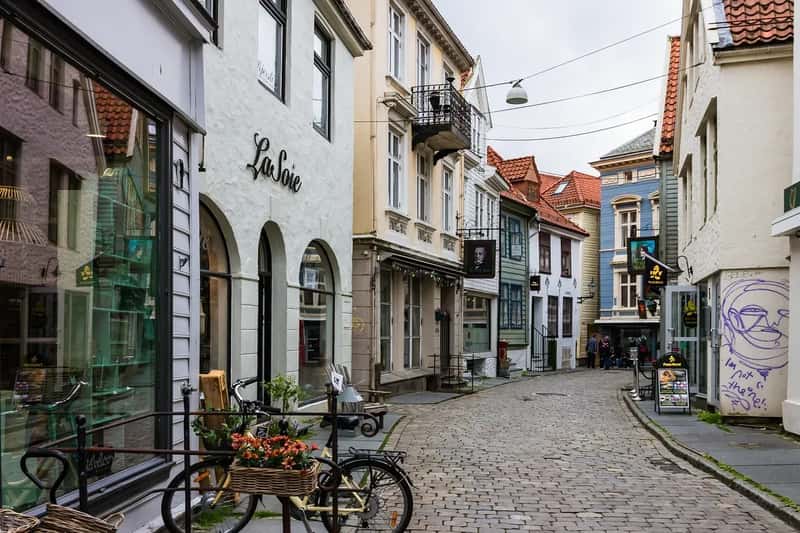
Görlitz sits at Germany’s easternmost edge, split by a river from its Polish twin town of Zgorzelec. With 4,000 listed buildings, Görlitz is a veritable catalogue of architectural styles, having been spared both the bombs of the Second World War and the eyesores of post-war construction.
Film crews noticed before most tourists did. One of the best parts about visiting Görlitz is the lack of tourists, since most of the shops around town are built for the people who live there, giving visitors an authentic taste of German life. Walking the Untermarkt and Obermarkt squares, past Gothic churches and Art Nouveau facades, feels less like sightseeing and more like stumbling into a working town that happens to be beautiful.
5. Monsaraz, Portugal
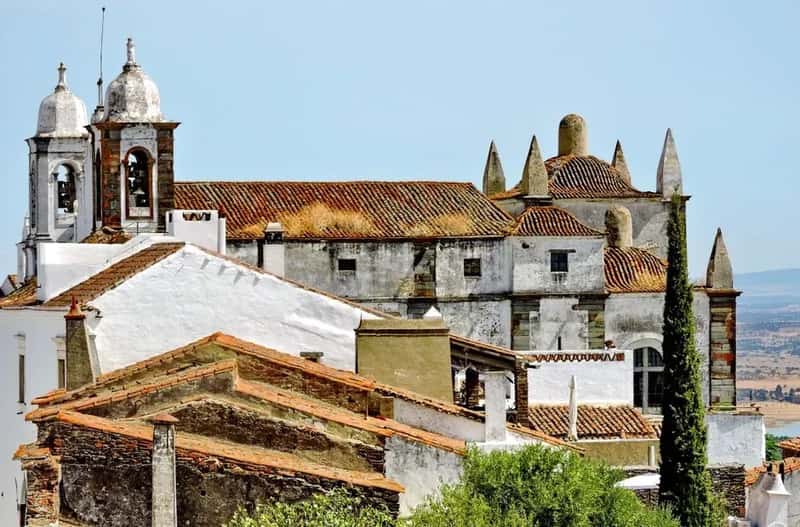
Perched on a hilltop in Portugal’s Alentejo region, Monsaraz overlooks Lake Alqueva, one of the largest reservoirs in Europe. First glances might make a visitor wonder if the walled medieval citadel will feel too touristy or contrived, but that thought tends to vanish the moment you walk through the ancient archway, where narrow cobbled streets and whitewashed houses sink into you.
During the day, cars aren’t allowed into the citadel, making the quiet streets a pleasure to stroll through. The village is tiny enough to see in an afternoon, but the light at dusk over the lake is worth staying for. Local ceramics studios and small wine shops round out a visit that rarely takes longer than a half day.
6. Perast, Montenegro
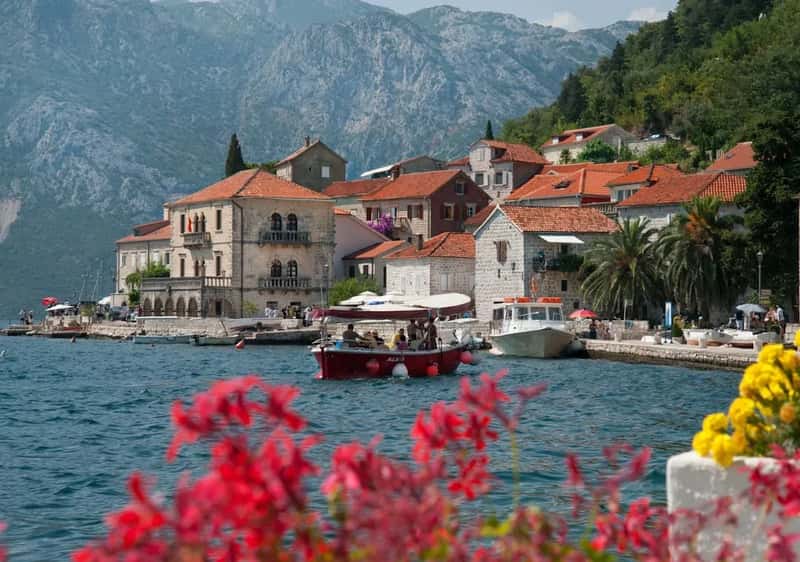
Everybody heads to Kotor. Perast, a short drive along the same bay, gets overlooked by comparison, even though it offers the same baroque stone architecture and Adriatic views without the tour bus congestion. The town is built along a single waterfront road, backed by a steep hill, with a scattering of Venetian era palaces that once belonged to sea captains.
Boats leave regularly for the tiny island of Our Lady of the Rocks, built up over centuries from stones dropped by returning sailors. The whole visit, church included, takes an hour or two, which is exactly why most itineraries skip it. That’s precisely the reason it still feels calm.
7. Bosa, Sardinia, Italy
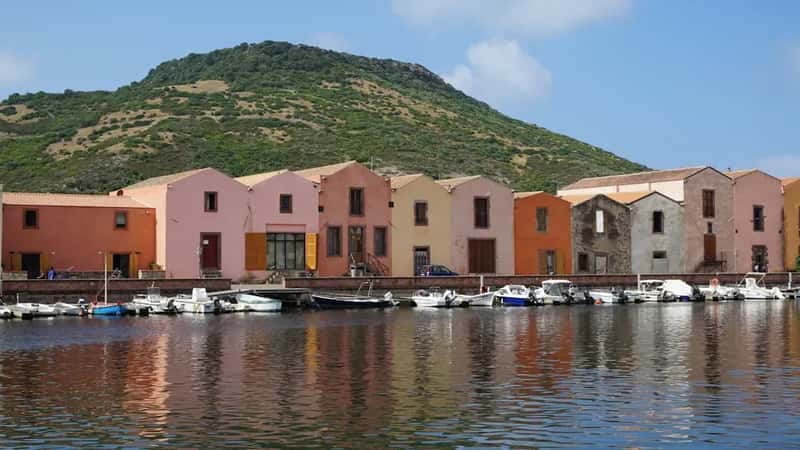
On Sardinia’s western coast, well away from the beach clubs of the south, Bosa lines the banks of the Temo river with houses painted in shades of ochre, pink, and blue. A Malaspina castle watches over the town from a hilltop, and the old tanning district along the riverfront still carries the name Sas Conzas from its leather working days.
Sardinia in general sees far less tourist traffic than Sicily or the mainland coast, and Bosa in particular remains a working fishing and wine town rather than a resort. The Malvasia di Bosa wine, produced locally for generations, is reason enough for a slow afternoon at a riverside table.
8. Comillas, Spain
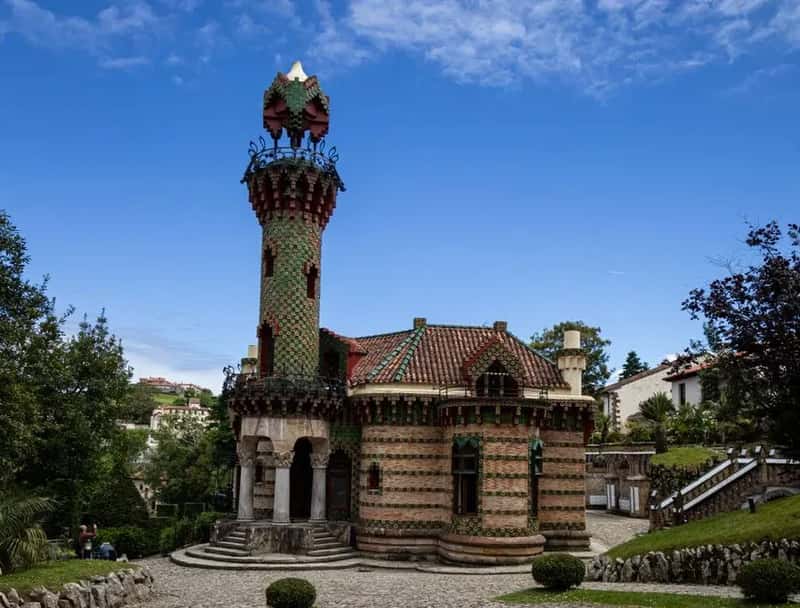
Tucked into Spain’s northern Cantabria region, Comillas is easy to miss on a map dominated by Barcelona and San Sebastián. The town’s unlikely claim to fame is a cluster of early Gaudí and Catalan Modernisme buildings, most notably El Capricho, a whimsical villa with a striped tower that predates his more famous Barcelona work.
The coastline here is rougher and greener than the Mediterranean postcards most people picture when they think of Spain. Cliffside walks, a Pontifical University building perched above the town, and a beach that rarely feels crowded make Comillas a genuinely restful stop on a northern Spain road trip.
9. Bacharach, Germany
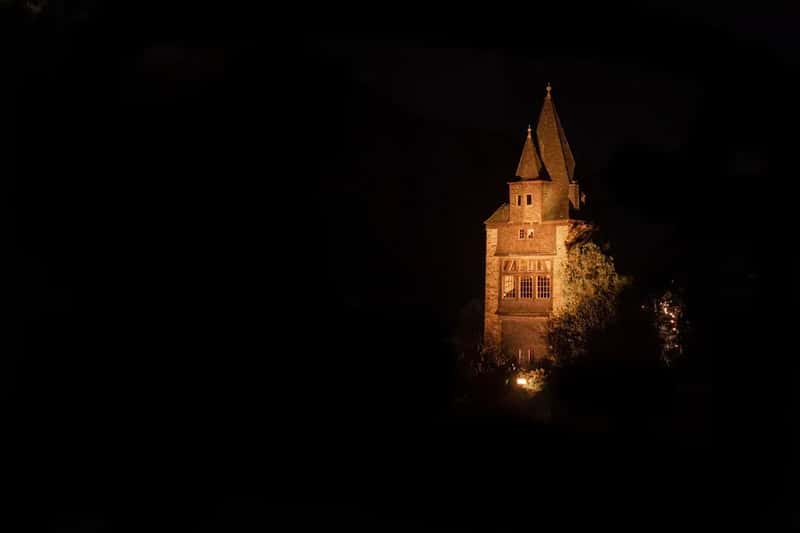
Along the Rhine Gorge, Bacharach is smaller and quieter than Rüdesheim or Koblenz, though it sits in the same UNESCO listed stretch of vineyard covered hillsides and hilltop castles. Half timbered houses lean into narrow lanes, and a ruined chapel above town offers one of the better views over the river’s curve.
River cruises do pass through, but many simply stop for lunch rather than staying the night, which leaves the town largely to itself by early evening. A short hike up to Stahleck Castle, now a youth hostel with a terrace open to visitors, rewards anyone willing to climb.
10. Idrija, Slovenia
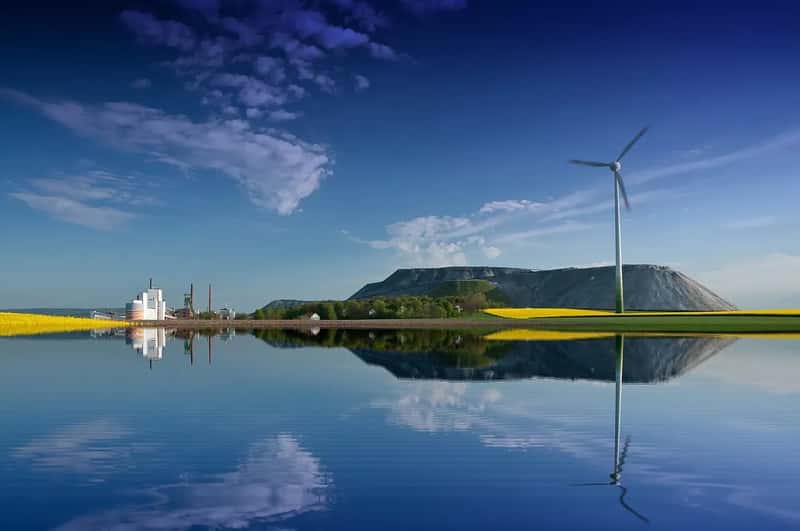
Idrija built its history on mercury mining, and the industrial heritage still shapes the town’s identity today. The old mine, once among the largest mercury deposits in the world, is now open for underground tours that trace centuries of engineering rather than polished tourist attractions.
Above ground, the town is known for idrijska žlikrofi, small dumplings with a protected regional status, and for a lace making tradition passed down through generations of local women. Idrija rarely appears on standard Slovenia itineraries built around Ljubljana and Lake Bled, which keeps its streets refreshingly uncrowded.
11. Vlkolínec, Slovakia
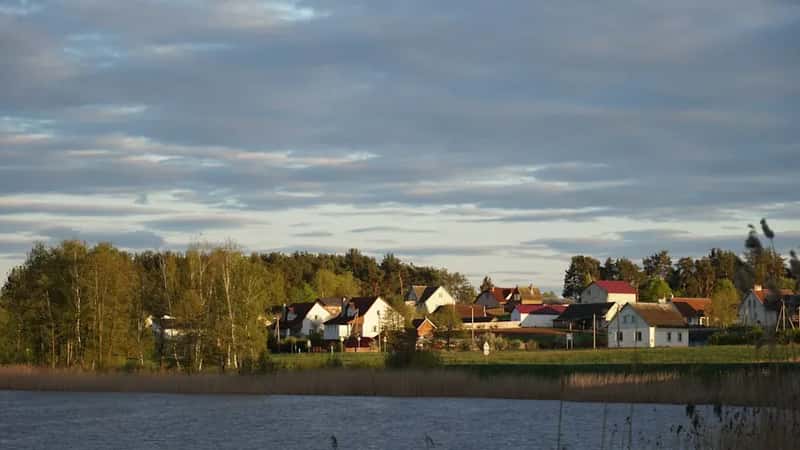
High in the Slovak mountains near Ružomberok, Vlkolínec is a cluster of wooden log houses that has barely changed in appearance for well over a century. UNESCO listed the settlement for its preserved example of traditional Central European rural architecture, and unlike many heritage sites, people still actually live here.
There’s no grand monument to check off, just a walk between weathered timber cottages, a small wooden church, and mountain views in every direction. The absence of a headline attraction is part of what has kept large tour groups away, leaving the village to its handful of year round residents.