Most people over 60 who book their first cruise have already traveled internationally, navigated foreign cities on their own, and never once missed a flight that mattered. That confidence is exactly what gets them. The cruel irony is that cruising punishes confident assumptions harder than it punishes total ignorance. A first-timer who knows nothing asks questions. A traveler who’s been to 40 countries assumes they’ve already figured it out – and that’s exactly when the ship gets you. A floating city running by its own rulebook doesn’t care how many stamps are in your passport.
What follows isn’t a generic checklist of things younger travelers forget. These are the specific, repeating mistakes that veteran cruisers watch sharp, seasoned over-60 passengers make on practically every sailing – the ones that turn a dream vacation into a very expensive lesson. Some of them will genuinely surprise you.
#12 – Booking the Wrong Cabin Without Realizing It Until Night One
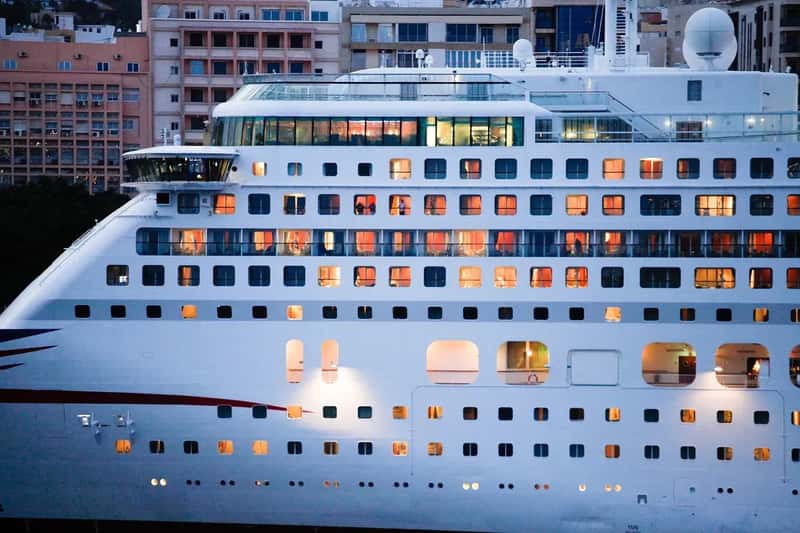
Turns out, where your cabin sits on the ship matters far more than most first-timers expect – especially if you’re even slightly prone to motion sickness or light sleeping. Although you get a great view from an upper balcony cabin, and they are usually close to handy amenities like the pool and buffet, booking a cabin on one of the upper decks means that if you hit bad weather, you will feel the movement of the ship more than if you were on a lower deck. And if you’re above the main theater or a nightclub, you’ll hear every performance through your mattress.
The most effective cabins are located midship and on lower decks, since those areas are closest to the ship’s center of gravity and waterline, where movement is least noticeable. Cabins at the back of the ship can be noisier due to the ship’s engines, and forward cabins catch the most wave impact in rough seas. Most first-timers pick whatever looks cheap or convenient on the deck plan without realizing these trade-offs exist. Spend ten minutes studying the ship layout before you book – it changes everything about your sleep quality for the entire voyage.
#11 – Assuming the Cruise Line’s Shore Excursions Are the Only Real Option
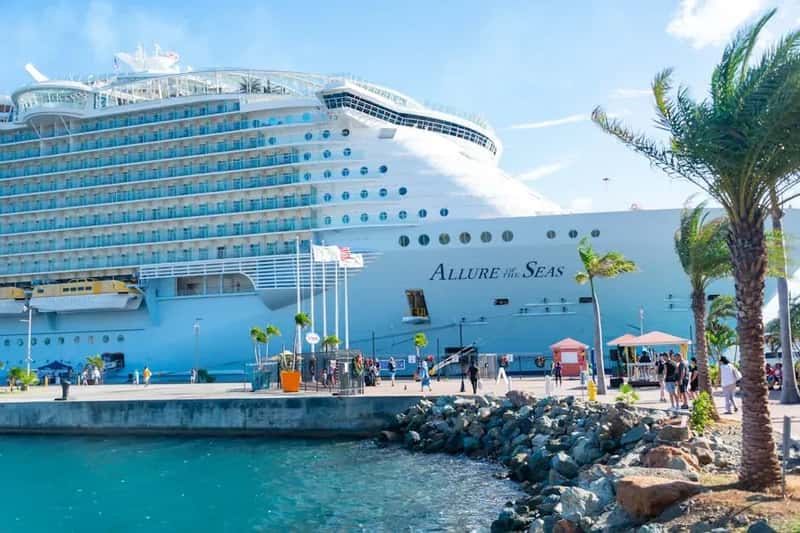
Here’s what most first-time cruisers over 60 don’t question: they assume booking shore excursions directly through the cruise line is the safe, smart move. It’s partly true – cruise-booked tours do guarantee the ship waits if your group runs late. But that peace of mind comes at a real premium. Many first-time cruisers book all their shore excursions directly through the cruise line, assuming it’s the most convenient and safest option. While these tours are convenient, they are often overpriced and can feel rushed or overly scripted.
Booking through the cruise line can mean missing out on more authentic, less crowded experiences. You may find yourself in a large group, shuffled quickly from one tourist spot to another, without the chance to explore at your own pace. Independent operators found on platforms like TripAdvisor or Cruise Critic often offer smaller groups, deeper local access, and significantly lower prices. The key is to build in a firm buffer – always be back at the dock at least 90 minutes before departure. Many experienced cruisers treat that rule as non-negotiable.
#10 – Ignoring the Cruise Line App Until They’re Already Onboard

This one stings because it costs nothing to fix in advance and costs hours of frustration when ignored. Every major cruise line now runs its daily operations – dining reservations, entertainment bookings, daily schedules, onboard messaging, account tracking – through a dedicated smartphone app. Passengers who don’t set it up before boarding spend the first half of day one fighting the technology instead of enjoying the ship. Popular dining times and headline shows can book up within hours of boarding.
Downloading apps before you’re on the ship helps you avoid slow internet service and spares you having to wait in line for assistance at the tech desk. Onboard Wi-Fi is both expensive and notoriously sluggish – downloading a large app over it is a genuine ordeal. First-timers who set up the app at home, link their booking, and pre-reserve dining and entertainment before they even pack their bags consistently have a smoother first 48 hours than those who don’t. It takes 20 minutes at home. It can take three hours onboard.
#9 – Packing Like It’s a Two-Week Land Vacation
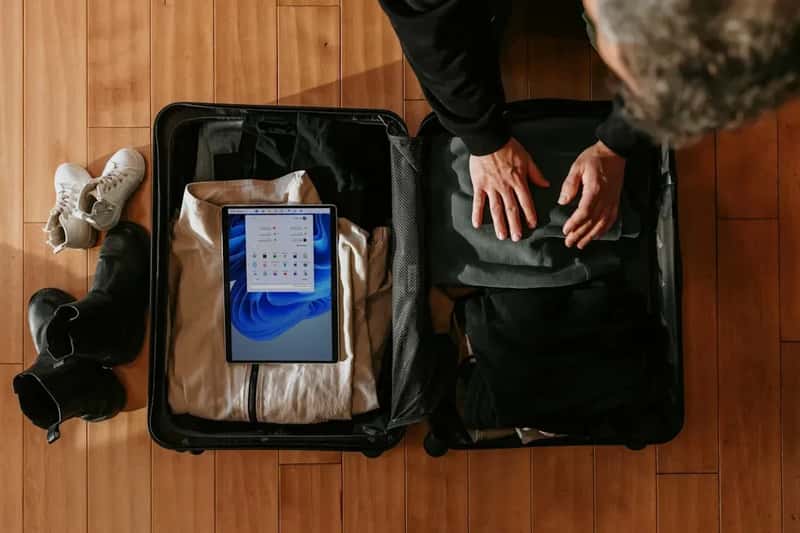
Experienced travelers often overpack for cruises precisely because they’re experienced. They know how to handle luggage on road trips and in foreign cities, so they bring the same volume without accounting for one critical difference: cruise cabins are genuinely small. Cruise cabins are designed to maximize efficiency and space, but they are still relatively compact. Overpacking not only clutters your cabin but also complicates moving around the ship and managing your luggage during embarkation and disembarkation.
The other issue no one mentions: heavy formal luggage takes longer to be delivered to your cabin after boarding – sometimes not arriving until late afternoon or evening. Stick to one or two dressier outfits for formal nights, but remember that you’ll spend most of your time in swimwear, shorts, and casual attire. Veteran cruisers almost universally say they packed 30% less on their second cruise than their first. A rolling carry-on plus one checked bag is the sweet spot for most seven-night sailings. Anything beyond that will make your cabin feel like a storage unit.
#8 – Not Bringing Enough Personal Care Basics From Home

This mistake runs in the opposite direction of overpacking and still costs you. First-timers over 60 often assume the ship’s onboard shops will have everything they need – and they’re technically right, but at prices that feel almost punitive. Basic items like toothpaste, shampoo, ibuprofen, antacids, and sunscreen are typically available in retail shops on the ship, but they’re pricey and the bill can add up quickly. We’re talking two to three times what you’d pay at home.
The stores on the ship are not open when you’re in port, so you don’t have the option to purchase anything on the ship on port days. That means if you run out of a medication or toiletry on a port day, you’re hunting for a pharmacy in a foreign town – or waiting until the ship returns to sea and the shop reopens. Pack a full supply of all prescription medications, plus a small emergency kit of over-the-counter basics, as if those ship stores simply don’t exist. The spa will happily sell you an $80 bottle of moisturizer, but that’s a different story entirely.
#7 – Letting the Spa Upsell Derail the Budget
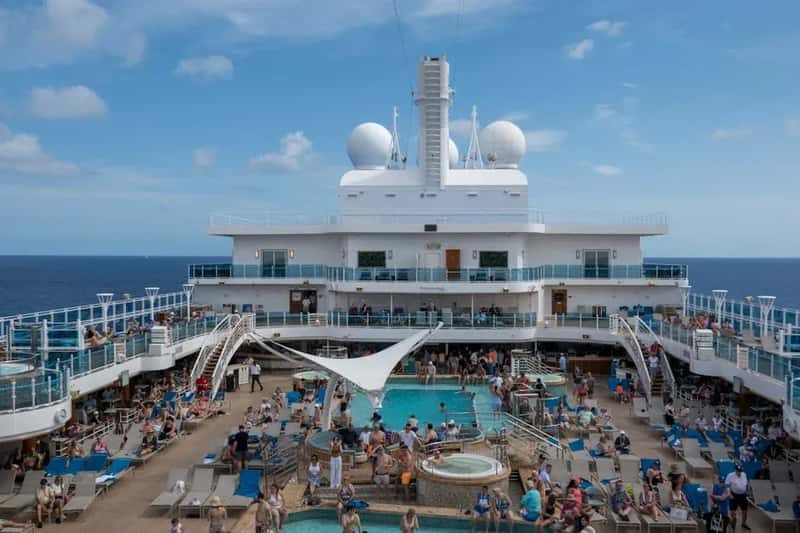
The cruise spa experience is genuinely lovely – and specifically engineered to cost significantly more than it appears at first glance. A massage or a manicure is a great way to relax and unwind during a holiday, but be aware of the hard sell that will most likely occur afterwards. A nice bottle of body lotion might just set you back a whole lot more than it would on dry land. The treatment itself is just the opening act.
What most first-timers don’t see coming: an additional 18–20% gratuity is automatically added to every spa service – on top of the daily per-person charge. An 18% gratuity will be automatically added to all onboard purchases of specialty dining, room service, and spa and salon services. So a $120 hot stone massage is actually $142 before you’ve said yes to a single product. Spa prices on sea days – when the ship is sailing between ports – are often 20–30% cheaper than on port days, when demand is lower. Book accordingly, set a firm budget before you walk through the door, and practice saying “no thank you” to the post-treatment product pitch.
#6 – Missing the Real Cost of the “All-Inclusive” Illusion
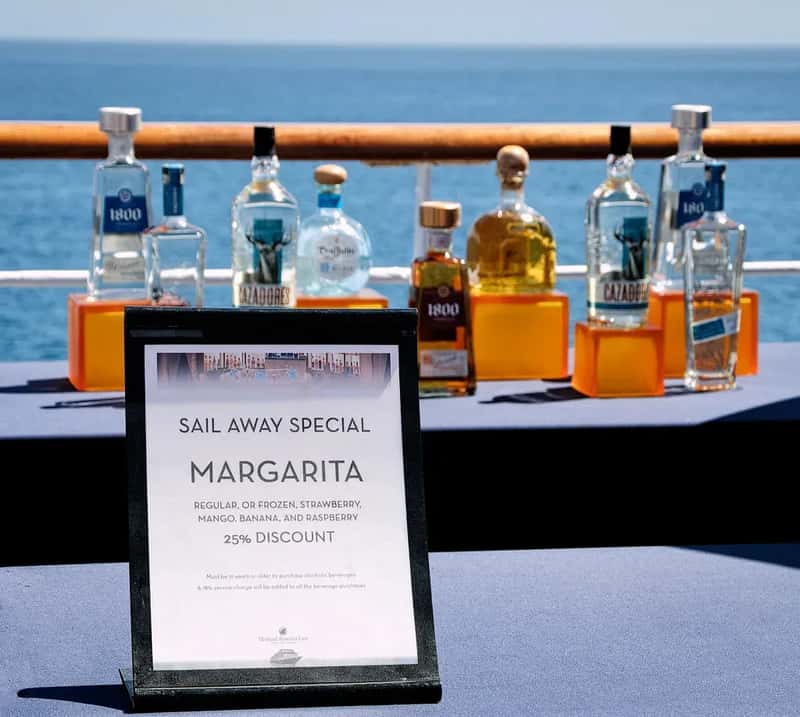
This is the mistake that produces the most genuine shock at the end of the cruise. The headline ticket price looks like a complete vacation. It isn’t. If you are new to cruising, you should know that not everything is included in your cruise vacation. In addition to your cruise fare, there are other service charges for which you will need to budget. This includes daily per-person cruise gratuities as well as service charges added to purchases like drinks and spa treatments.
Most cruise lines automatically charge gratuities once on board, ranging from $15–$25 per person per day depending on the room type chosen. This charge is not included in the cruise fare unless you were able to book a pre-paid gratuity promotion. Add specialty dining, premium beverages, Wi-Fi packages, and shore excursions, and a “budget” cruise for two can realistically cost 40–60% more than the advertised fare. Veteran cruisers pre-pay gratuities at booking to lock in the current rate – if the cruise line raises the gratuity amount before you sail, you’re grandfathered in at the previous lower rate.
#5 – Skipping the Pre-Cruise Hotel Night and Paying Dearly For It
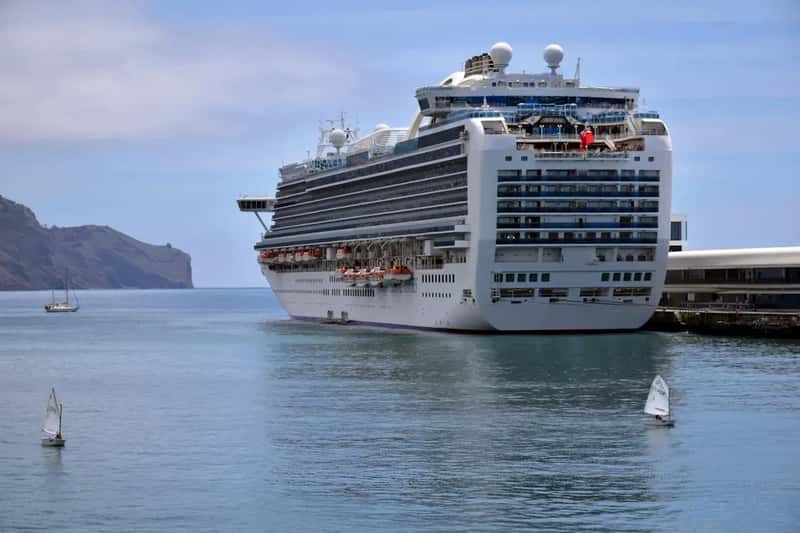
This is the mistake that ends trips before they begin. Flights get delayed. Luggage gets lost. Traffic to the port happens. First-time cruisers over 60 who fly in the morning of embarkation are gambling with their entire vacation on the assumption that nothing will go wrong. The cost of missing embarkation is brutal – you’d be responsible for booking last-minute flights to the ship’s next port at your own expense, often overnight, often international.
A single extra hotel night in the departure city is dramatically cheaper than that scramble, and it comes with a real bonus: you board rested, you’ve already explored the city, and embarkation morning feels like a pleasure instead of a sprint. Every single veteran cruiser who has ever cut it close books the night before now – without exception. Every veteran cruiser who’s ever cut it close books the night before now. Every single one. It’s $100–$200 in insurance against losing thousands. There is no argument on the other side of this one.
#4 – Assuming Medicare Covers Medical Emergencies at Sea

This is the one that can turn a medical incident from a manageable inconvenience into a financial catastrophe. Many first-time cruisers over 60 board a ship with the quiet assumption that their Medicare coverage travels with them. It largely doesn’t. U.S. Medicare and Medicaid do not cover medical costs abroad. While on a cruise in international waters, you may be covered for medically-necessary care if the ship is within 6 hours of a U.S. port – but most of your itinerary won’t meet that threshold.
Standard health insurance policies such as those provided through government programs like Medicare or Medicaid often do not cover medical care received on a cruise ship. This is because cruise ship infirmaries are considered out-of-network providers, and many policies exclude coverage for care received outside the United States or in international waters. A medical evacuation from Caribbean waters to the U.S. mainland can run approximately $20,000 – and from Alaska or the South Pacific, it can exceed $100,000. Experts recommend a minimum of $150,000 in medical evacuation coverage for cruise passengers. Buy the right travel insurance before you leave the dock.
#3 – Getting the Travel Insurance Wrong (Or Skipping It Entirely)

Buying travel insurance feels like checking a box – until you actually need it and discover the policy you bought doesn’t cover what you assumed it did. What catches over-60 travelers specifically off-guard is that many travel insurance policies carry age-related restrictions or pre-existing condition exclusions buried in the fine print. You need a policy that explicitly covers medical evacuation from a vessel at sea, not just trip cancellation. Those are two very different products, and too many first-timers buy the cheaper one.
Some companies also offer a cancel-for-any-reason upgrade, which allows cruisers to recover a good chunk of their money should they cancel within 48 hours of departure. It’s worth the peace of mind knowing that you are covered in the unlikely situation you’re forced to delay or cancel. Travel insurance can also cover travel delays, lost or delayed baggage, and medical emergencies while on your trip. The single most important thing to verify: does your policy explicitly cover air medical evacuation from international waters? Read the fine print to know what’s covered in the policy before you make your purchase. After an emergency is too late.
#2 – Not Asking for Accessible Accommodations in Advance
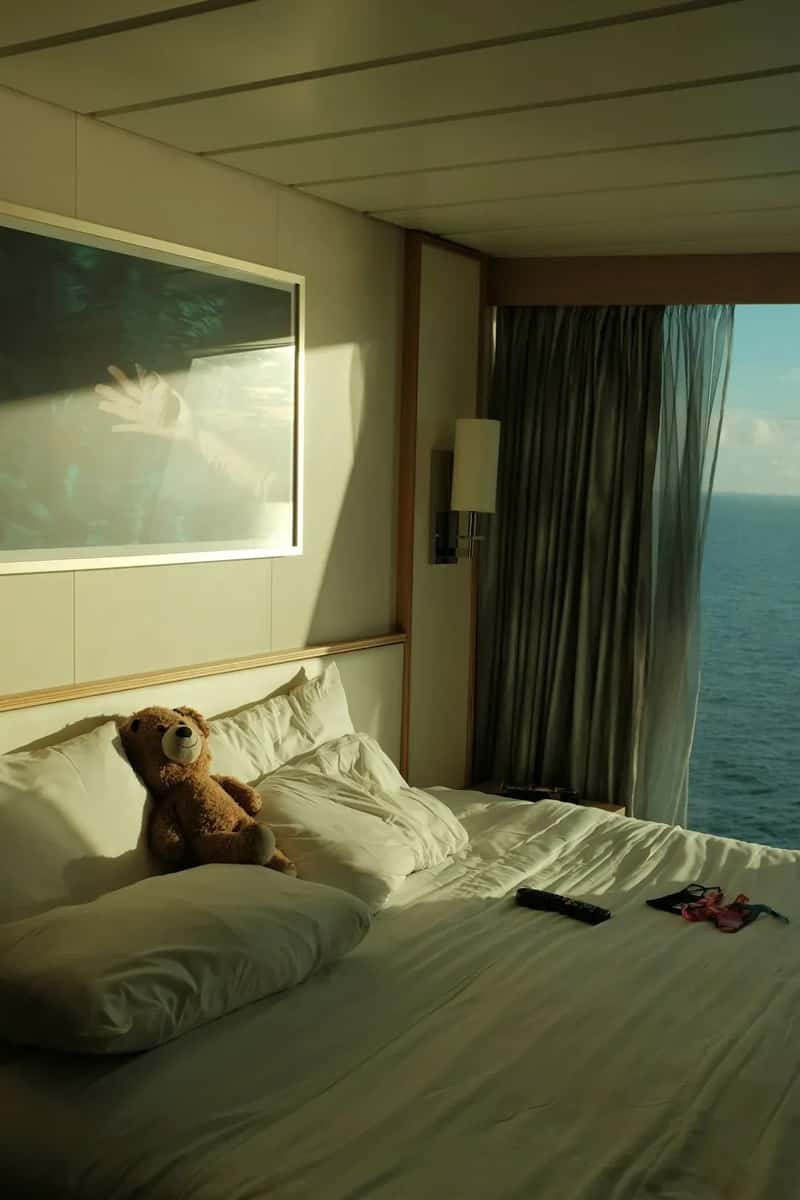
This mistake is more common among over-60 first-timers than any other demographic, and the consequences are more than just inconvenience. Mobility considerations that feel minor at home – a bad knee, balance issues, arthritis – become genuinely disruptive on a ship with long corridors, steep gangways, and uneven port surfaces. The fix is simple, but it requires acting early. When accessibility is a concern, it’s best to advise the cruise line as far in advance as possible. Passengers should contact the access department of the cruise line and inform them of any special needs.
Most cruise lines offer accessible cabins you can select ahead of time, and most have online forms to fill out that let you request accommodation. You can do this on your own, but your travel agent can also help you make these requests. Special needs requests typically need to be filed at least 30 to 60 days before sailing, depending on the cruise line. Accessible cabins sell out faster than standard ones – often months before departure. Waiting until a few weeks out almost guarantees they’re gone. And critically, crew members cannot assist with anything of a personal nature – cruisers must be self-sufficient or travel with someone who can help them.
#1 – Misunderstanding the Passport Rules and Finding Out at the Worst Possible Moment
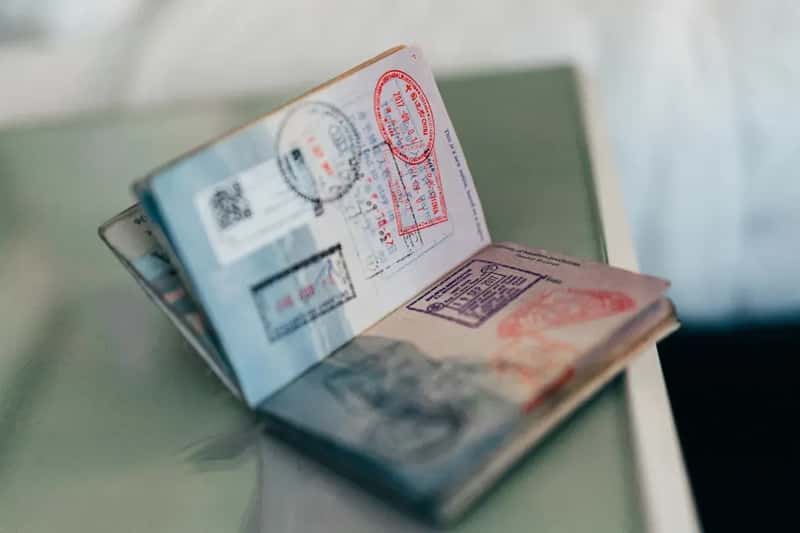
This is the single most consequential mistake on the entire list, and it’s the one that actually ends dream vacations. Most over-60 travelers assume that since many Caribbean and Bahamas cruises depart from U.S. ports, a passport card – or even a birth certificate – will do. That assumption is specifically dangerous for one reason almost nobody talks about at booking. The U.S. State Department strongly recommends that all cruise passengers travel with a passport book, even if not required by the cruise line. You need a passport book to fly home on an international flight in an emergency.
You can use the passport card to reenter the United States at seaports of entry from Mexico, Canada, Bermuda, and the Caribbean. However, if you cannot return on the cruise ship for any reason, you will need a passport book to fly internationally back to the United States. Some unexpected circumstances make it critical to have a passport book: if your illness or injury is severe enough to require admission to a local hospital abroad, and you cannot be discharged before the cruise ship is scheduled to depart, the ship may leave without you. Stranded in a foreign port without a passport book, facing a medical situation alone – that is the exact scenario the State Department is warning about. A passport book costs less than a single shore excursion. There is no good reason to board without one.
The pattern across all 12 of these mistakes is the same: cruising looks familiar enough that confident, experienced travelers stop asking questions right when they should be asking the most. The fees aren’t what you expect. The safety net isn’t what you assume. The cabin you picked on a whim will either make or break your sleep for seven nights. First-time cruisers over 60 who go in with their eyes open – who know about the gratuity stack, the Medicare gap, the passport book rule, and the app setup – tend to become the most enthusiastic repeat cruisers on the water. The ones who don’t find out the hard way in the most expensive classroom imaginable. Did any of these catch you off guard? Drop your own experience in the comments.