A community-run ecotourism program in one of Laos’s most important protected areas has long been praised for giving local people an alternative to hunting. Yet new camera-trap evidence shows the same visitors whose presence discourages poachers are also shaping where medium and large mammals choose to spend their time. The result is a quieter forest near popular trails and a more crowded one farther away.
The Protected Landscape and Its Long-Running Tourism Experiment
Nam Ha National Protected Area in northern Laos has hosted guided treks and kayaking trips since 1999. The initiative was designed to turn wildlife into a living asset for nearby villages rather than a target for hunters. Over the years the program earned international recognition for combining conservation with community income. Researchers wondered whether the steady flow of visitors had created an unintended side effect. Animals that once ranged freely near trails might now avoid those areas simply because of the noise and movement that accompany every group. To test the idea, the team placed camera traps at dozens of sites both close to and far from the main routes.
What the Cameras Revealed Over Six Years
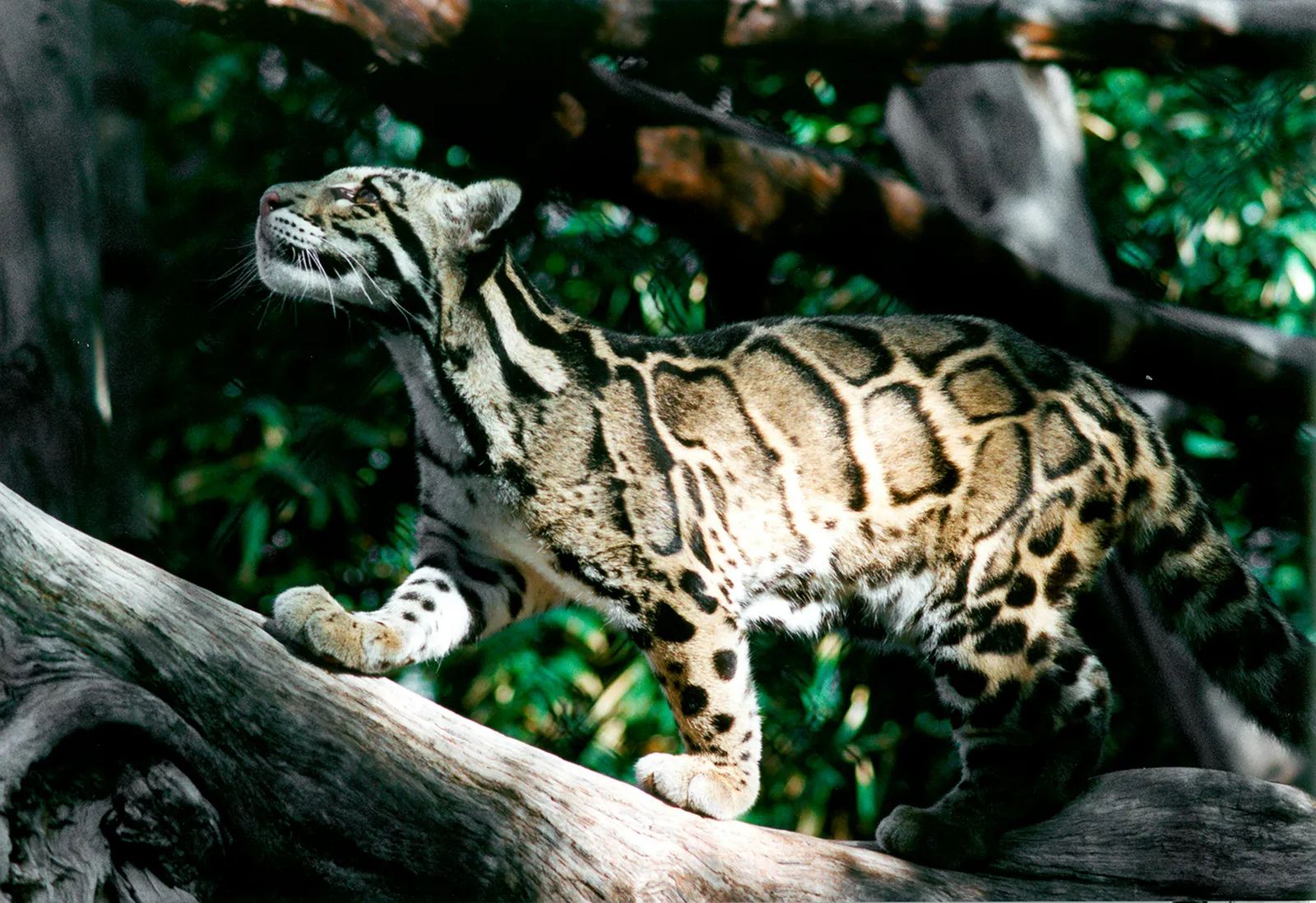
Between 2013 and 2019 the cameras recorded 45 species of medium and large mammals, including 15 that are globally threatened. Clouded leopards and sun bears appeared among the detections, along with other elusive forest dwellers. Sites near trekking paths and kayaking routes averaged just 4.58 species. Locations deeper in the reserve recorded nearly twice that number. The pattern held even after accounting for differences in habitat quality. Animals appeared to treat the busier zones as less desirable, shifting their activity toward quieter corners of the landscape. At the same time, the presence of tourists and guides seemed to reduce hunting pressure in the same areas, creating a mixed outcome for the wildlife populations involved.
Why the Paradox Matters for Travelers
The findings highlight a practical tension for anyone who books an eco-tour in a sensitive landscape. The very activities that generate revenue and deter illegal hunting can also displace the animals visitors hope to support. In Nam Ha, the effect is measurable but not absolute; many species still use the broader reserve, just not the corridors closest to human traffic. Wildlife managers and tour operators now face a narrower set of choices. Adjusting group sizes, timing, or routes could reduce disturbance without sacrificing the economic benefits that keep hunting at bay. For travelers, the study offers a reminder that low-impact behavior extends beyond leaving no trace; it also means recognizing how even quiet footsteps and conversation can influence animal movement.
- Camera traps ran from 2013 to 2019 across 59 sites in Nam Ha National Protected Area.
- Species richness dropped sharply near established trekking and kayaking routes.
- Hunting pressure appears lower where tourists are present, yet animals still avoid those zones.
- Clouded leopards, sun bears, and other threatened mammals were among those shifting their habitat use.
The study, published in Global Ecology and Conservation, adds one more layer to the ongoing conversation about how tourism and conservation can best coexist. ([1]) In places like Nam Ha, the balance remains delicate and worth watching as visitor numbers and conservation needs continue to evolve.