Moving to another country tends to get romanticized in a way that skips right past the boring financial details. Everyone talks about the adventure, the new cuisine, the slower pace of life somewhere warm. What rarely comes up until you’re already knee deep in paperwork is the steady trickle of expenses that never made it into your spreadsheet.
Some of these costs are small and annoying. Others can genuinely derail a budget if you don’t see them coming. Either way, knowing about them ahead of time makes the whole transition a lot less stressful.
1. Currency Exchange and Conversion Fees
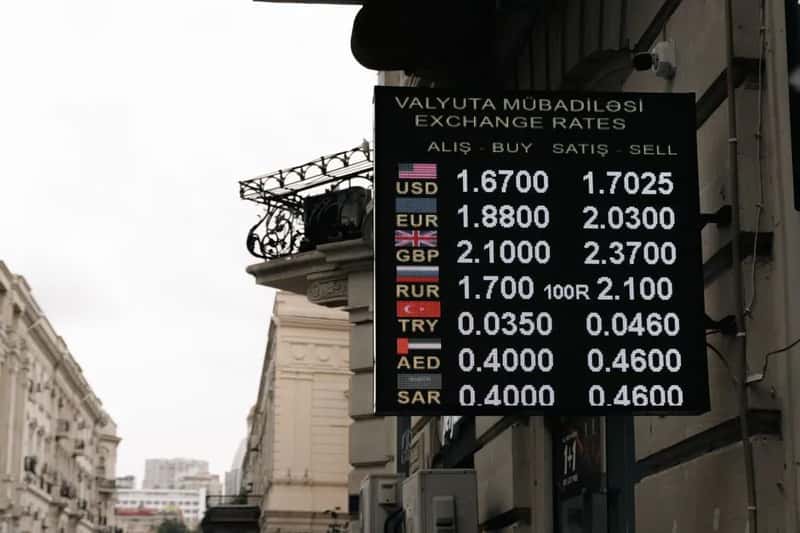
Every time money crosses a border, someone takes a cut. Between bank markups, wire transfer charges, and the spread between the “real” exchange rate and what you actually receive, expats often lose a noticeable slice of their income just moving funds from one country to another. This adds up fast if you’re still earning in your home currency while paying rent and bills in a new one.
Even everyday card purchases can carry foreign transaction fees that quietly stack up over a year. A lot of people don’t realize how much they’re bleeding until they compare a multi-currency account against their old bank statement. Shopping around for a low-fee international account before you move can soften this blow considerably.
2. Health Insurance Gaps

Public healthcare systems in many countries don’t automatically cover new residents, and even where they do, there’s often a waiting period before coverage kicks in. That gap can leave you paying full price for a doctor’s visit or, worse, an emergency room trip out of pocket. Private international health insurance fills the gap, but premiums vary wildly depending on age, pre-existing conditions, and the country in question.
Dental and vision care are frequently excluded or capped even under decent plans, which surprises people who assumed “health insurance” meant everything. Prescription medications you took for granted at home might also require new paperwork or cost more without local subsidies. It’s worth budgeting for at least a few months of unexpected medical spending during the transition period.
3. Visa, Residency, and Renewal Fees

The visa application itself is rarely the end of the story. Many countries require renewals every year or two, and each renewal can mean new fees, new medical exams, new background checks, or new proof of income. Some digital nomad and residency visas that became popular in 2024 and 2025 also come with minimum income thresholds that require ongoing documentation, not just a one-time submission.
Lawyers or visa consultants are often necessary for anything beyond the simplest applications, and their fees can rival the government charges themselves. Missing a renewal deadline can trigger fines or even force a temporary exit from the country, adding flights and lost time to the bill. Building a renewal calendar early on saves a lot of last-minute scrambling and expense.
4. Double Taxation and Tax Filing Complexity

Living abroad doesn’t automatically excuse you from your home country’s tax obligations, especially for citizens of countries that tax based on citizenship rather than residency. Even with tax treaties in place to prevent literal double taxation, filing two sets of returns usually means hiring an accountant familiar with cross-border rules. That expertise doesn’t come cheap.
Foreign tax credits and exclusions have specific thresholds and paperwork requirements that change periodically, so what worked last year might not apply this year. Self-employed expats and freelancers face an extra layer of complexity around where their income is technically earned. Skipping professional advice here to save money often costs more later in penalties or missed deductions.
5. Shipping, Storage, and Import Duties

Deciding what to bring, what to store, and what to sell is only half the battle. Shipping furniture or personal belongings overseas by sea freight can take weeks or months and still costs a surprising amount once you factor in packing, insurance, and customs clearance. Air freight is faster but often prohibitively expensive for anything beyond a few boxes.
Many countries also charge import duties on goods above a certain value, even personal items you’ve owned for years. Storage back home, if you’re not ready to sell everything, is another recurring bill that people forget to budget for. Getting quotes from multiple international movers before committing can reveal just how much these numbers vary.
6. Starting a Home From Scratch

Furnished rentals exist, but they’re not always available or affordable in every city, which means many expats end up buying everything from a mattress to kitchen basics within their first few weeks. Appliances, especially, can be a shock if the new country uses different voltage standards or simply has higher retail prices for electronics. Even small things like curtains, extension cords, and adapters add up faster than expected.
Deposits for rentals in some countries run several months of rent upfront rather than the one or two months common elsewhere. Utility hookups sometimes require their own connection fees or deposits, particularly for internet and gas. None of these costs are enormous individually, but together they can easily total a few thousand dollars in the first month alone.
7. Building a Credit History and Banking Fees

Your credit score, built over years in your home country, doesn’t transfer with you. Landlords, banks, and even phone companies in a new country may treat you as a financial unknown, sometimes requiring larger deposits or co-signers as a result. Rebuilding a credit profile from zero can take a year or more of consistent bill payments and account activity.
Opening a local bank account can also come with monthly maintenance fees, minimum balance requirements, or paperwork demands that weren’t obvious from outside the country. Some banks require proof of residency that you can’t get without a bank account, creating a frustrating chicken and egg problem. It’s a good idea to research a country’s banking requirements before arrival rather than after.
8. Professional License and Credential Recognition

Doctors, lawyers, teachers, engineers, and many other licensed professionals often discover that their qualifications don’t automatically transfer across borders. Getting a foreign degree or license recognized can involve translation fees, evaluation services, additional coursework, or even retaking licensing exams. This process can take months and, in some fields, years.
During that gap, professionals sometimes have to accept lower-paying work outside their field just to cover living expenses. The fees for credential evaluation services alone can run into several hundred dollars before any additional exams or coursework are even considered. Anyone in a licensed profession should research recognition requirements well before relocating, not after landing.
9. Pet Relocation Costs

Bringing a pet abroad involves far more than a plane ticket. Depending on the destination, pets may need specific vaccinations, microchipping, health certificates, and sometimes a quarantine period that can last weeks. Countries with strict biosecurity rules, like Australia or the UK, have particularly rigorous and costly import processes.
Airlines charge separately for pet transport, and specialized pet relocation services, while convenient, add another layer of expense on top of that. Ongoing costs continue after arrival too, since some countries require local vet checkups or registration for imported animals. Pet owners moving abroad often find this to be one of the most underestimated line items in their entire relocation budget.
10. Language Lessons and Document Translation

Even in English-friendly destinations, official paperwork like birth certificates, marriage licenses, and diplomas usually needs certified translation before local authorities will accept it. Certified translators charge per document or per page, and the costs multiply quickly for a family relocating together. Notarization or apostille services often need to happen before translation, adding another fee and another delay.
Beyond paperwork, functional language skills matter for daily life, and quality language courses or tutors aren’t free. Some expats manage with apps and immersion, but professionals who need fluency for work often invest in formal classes that run for months. It’s a cost that’s easy to overlook when you’re focused on the bigger logistics of moving.
11. Return Flights and Staying Connected With Family

Living abroad doesn’t mean disconnecting from home, and international flights back for holidays, family emergencies, or weddings are rarely cheap, especially when booked on short notice. Airfare prices between continents have remained volatile through 2025 and into 2026, influenced by fuel costs and shifting airline capacity. A single unplanned trip home for a family emergency can wipe out months of careful saving.
Beyond flights, staying in touch often means international phone plans, video call subscriptions, or sending gifts and packages across borders, all of which carry their own fees. Some expats budget one or two trips home per year, but life doesn’t always cooperate with a travel calendar. It’s worth setting aside a dedicated fund specifically for these unpredictable but inevitable trips.
12. The “Foreigner Markup” on Everyday Purchases

In many popular expat destinations, locals and foreigners don’t always pay the same price for the same goods or services. This shows up in everything from taxi fares to market produce to real estate listings, where a lack of local language skills or unfamiliarity with fair pricing leaves newcomers paying more. It’s rarely an official policy, more a pattern that emerges from information gaps and negotiation habits.
Real estate agents in some cities have been known to quote different prices depending on whether a buyer or renter appears to be a foreigner, a pattern documented anecdotally across several popular expat hubs in Southeast Asia and Latin America. Learning basic local language phrases and researching typical prices before big purchases can help close this gap over time. Building relationships with long-term local contacts is often the most effective way to avoid it altogether.
None of these costs alone should be a reason to abandon plans to live abroad. Taken together, though, they explain why so many relocation budgets run short in the first year despite careful planning. A little research into the specific country, visa category, and lifestyle involved goes a long way toward closing the gap between expectation and reality.